English
 Russian
 Turkish
 Spanish
 French
 German
 Japanese

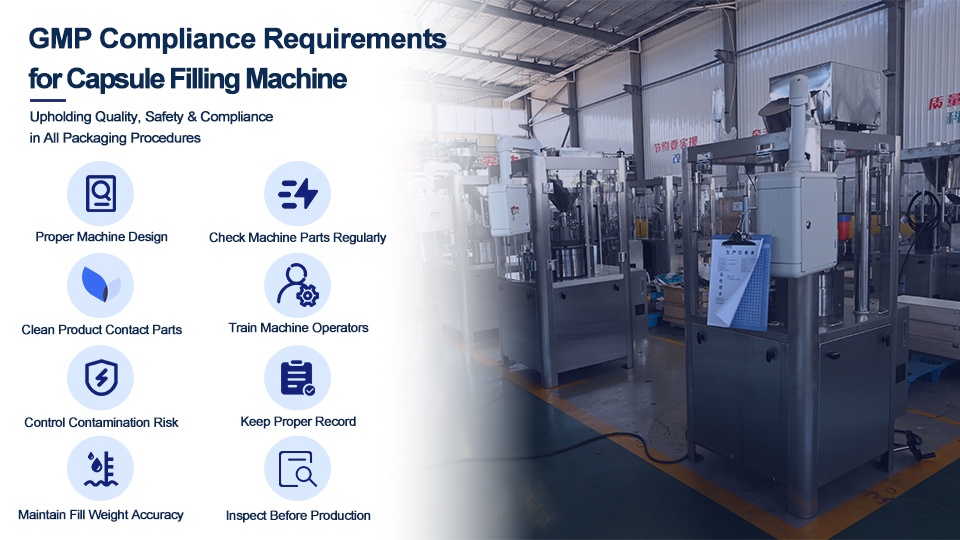
Capsule filling equipment must be clean before every production batch. Small traces of powder or moisture can affect capsule quality and create contamination risks. In this article, we discuss sterilization requirements for pharmaceutical capsule filling equipment and their role in safe production.
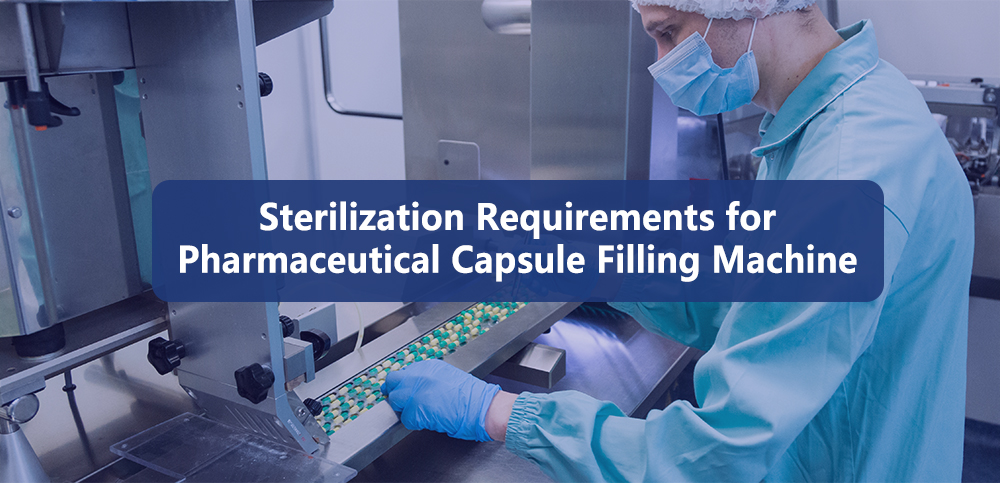
Main Sterilization Requirements for Pharmaceutical Capsule Filling Equipment
Sterilization requirements for pharmaceutical capsule filling equipment help protect product quality and reduce the chance of contamination during production. The main requirements are:
Clean Product Contact Parts Properly
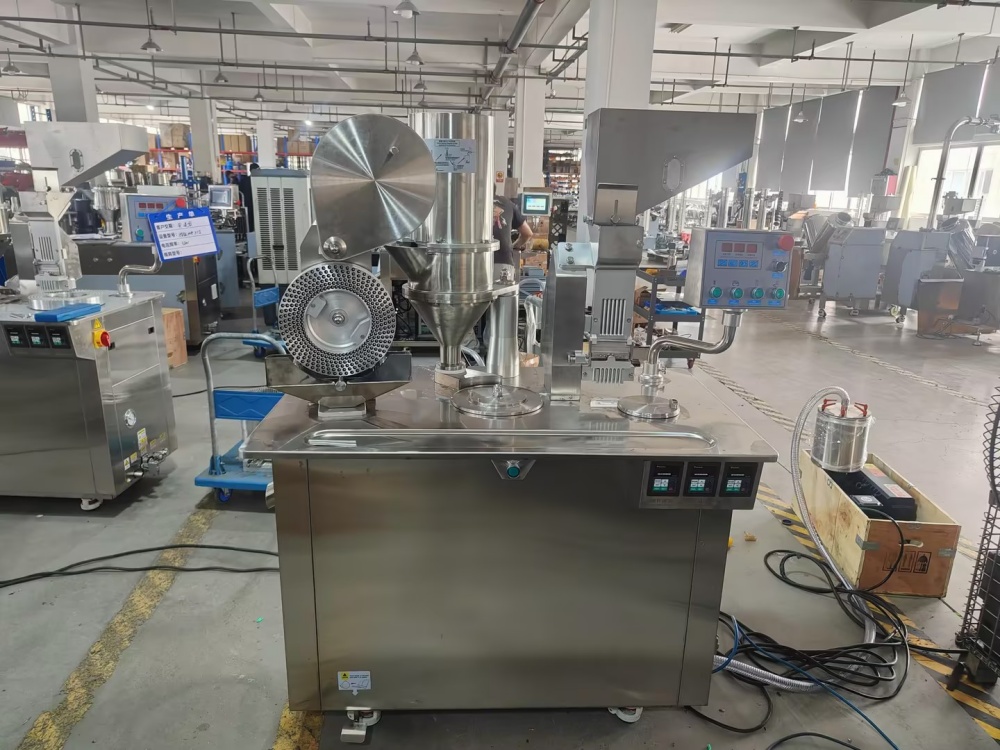
Product contact parts should be removed where possible and cleaned first. These parts can include the hopper, dosing disc, filling pins, capsule trays, tamping parts, and powder transfer sections.
Loose powder should be removed with a vacuum, dry lint-free cloth, or soft brush. After that, suitable parts can be wiped with purified water or a mild approved detergent solution. If detergent is used, the parts should be rinsed properly so no cleaning agent stays on the surface.
Remove Powder Dust and Leftover Material
Capsule filling can leave powder in small corners, joints, tracks, and moving areas. These areas need careful checking because powder residue can mix with the next batch.
Operators should remove dry powder before using wet cleaning. Wet cleaning too early can spread powder into seams and make cleaning harder. Stainless steel contact areas are usually wiped after cleaning with 70% IPA, if the material and SOP allow it.
Use the Right Cleaning and Sterilization Method
Not every capsule filling machine part needs the same method. Some parts only need dry cleaning and wiping. Removable stainless steel parts may be washed, rinsed, dried, and then sanitized.
For many pharmaceutical surfaces, 70% IPA or 70% ethanol is commonly used for final sanitizing. The surface should stay wet for the required contact time mentioned in the site SOP or disinfectant label.
In areas where stronger microbial control is needed, sporicidal agents such as 3% hydrogen peroxide may also be used as part of the cleaning program. These should be used carefully and only where approved, because strong agents may affect some machine parts if they are not suitable.
Electrical parts, sensors, motors, and control areas should not be soaked. They should be cleaned carefully with a lightly damp lint-free cloth.
Check Drying, Inspection, and Records
All parts should be fully dry before reassembly. Moisture can soften capsule shells and disturb powder flow.
Before production starts, the operator should check for visible powder, stains, moisture, damaged parts, and loose fittings. If required, swab testing or rinse testing should be done to check residue levels. Cleaning status labels and logbook records should be completed before the machine is released for the next batch.
Finetech Solutions for Cleaner and Safer Pharmaceutical Equipments
Clean capsule production depends on the right machine design, proper material handling, and equipment that is easier to maintain. When capsule filling equipment is difficult to clean, powder residue can stay in hidden areas and create problems for the next batch.
At Finetech, our team helps businesses choose capsule filling machine equipment and other machinery that fits their product type and cleaning requirements.
If you want to improve your capsule filling process with suitable pharmaceutical equipment, contact Finetech today and discuss the right solution for your production.
Copyright Notice:
You may not reproduce, modify, publish, display, transmit, or in any way exploit any content on this website, or use such content to construct any kind of database without prior express written approval by Finetech Group. For permission to use the content, please contact: info@pharmamachinecn.com
Disclaimer:
The information contained in this article is for general information purposes only. The Company does not guarantee the accuracy, relevance timeliness or completeness of any information, and the Company assumes no responsibility for errors or omission in the content of this article.