English
  Russian
  Turkish
  Spanish
  French
  German
  Japanese
Small packaging formats often solve big problems in pharmaceuticals, especially when hygiene, accuracy, and convenience matter. One format that continues to stand out is the pharmaceutical sachet.
You will find it used for powders, granules, and even liquids where single-dose delivery is critical. It protects the contents from moisture, contamination, and handling errors while making it easier for patients to use the correct dose every time.
In this guide, we will do a complete breakdown of what a pharmaceutical sachet is, the different types, and the advantages it offers.
What Is a Pharmaceutical Sachet?
A pharmaceutical sachet is a small, sealed packet designed to hold a precise amount of medication in powder, granule, or liquid form. Its main purpose is simple: deliver the right dose, in a clean and protected format, every single time.
Pharmaceutical sachets are typically designed as single-dose units, meaning each packet contains exactly one measured dose of a product. The user simply opens the sachet and consumes or mixes the contents as directed.
Moreover, as each sachet is individually sealed, it also prevents repeated exposure to air, moisture, or contamination, which can happen with multi-dose containers.
Common Uses of Pharmaceutical Sachets
Here are the common uses of pharmaceutical sachets:
1. Powders (Oral Rehydration Salts, Supplements)
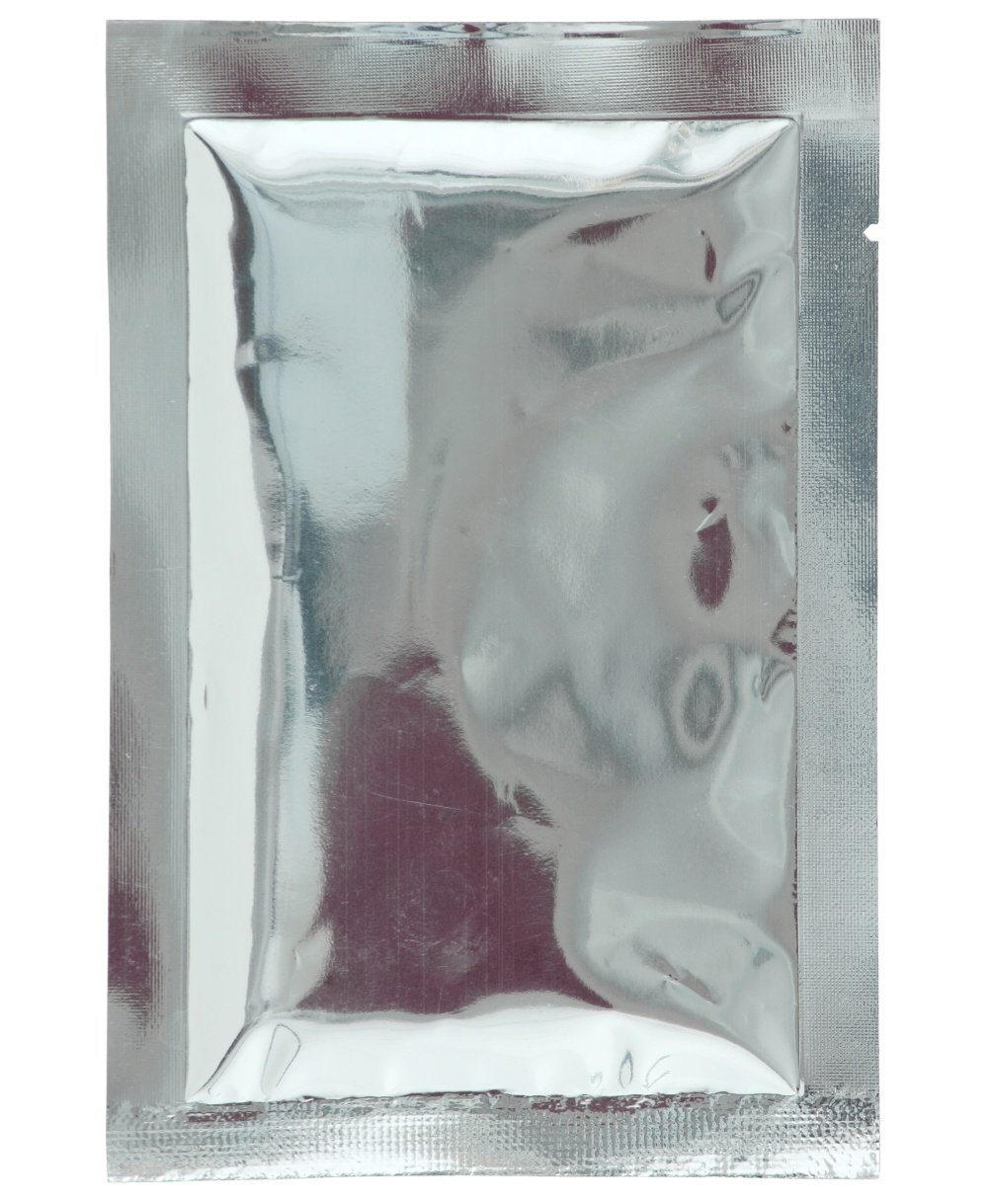
Powder-based products are one of the most common uses of sachets. Items like Oral Rehydration Salts and nutritional supplements are packed in single-dose sachets.
These products usually need to be mixed with water before consumption. Sachets make this process simple by providing a pre-measured dose, removing the need for scooping or guessing quantities.
2. Granules (Antibiotics, Digestive Medicines)
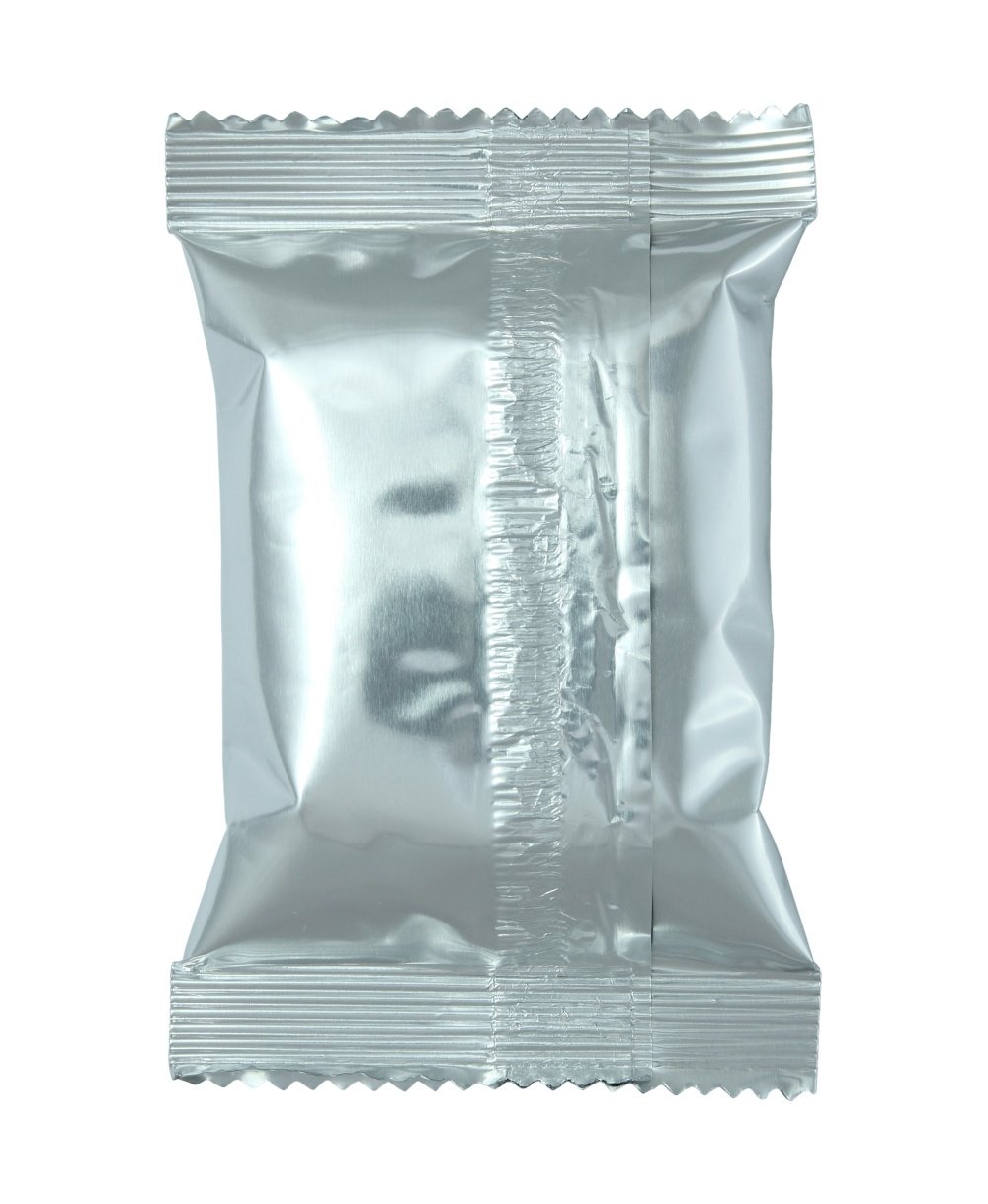
Granule formulations are also commonly packaged in sachets, particularly for medications that need controlled release or better taste masking. These include antibiotics and digestive treatments.
Granules offer improved stability compared to liquids, and sachets protect them from moisture until use. Patients can either consume them directly or dissolve them in water, depending on the formulation.
3. Liquids (Gels and Suspensions in Sachet Form)
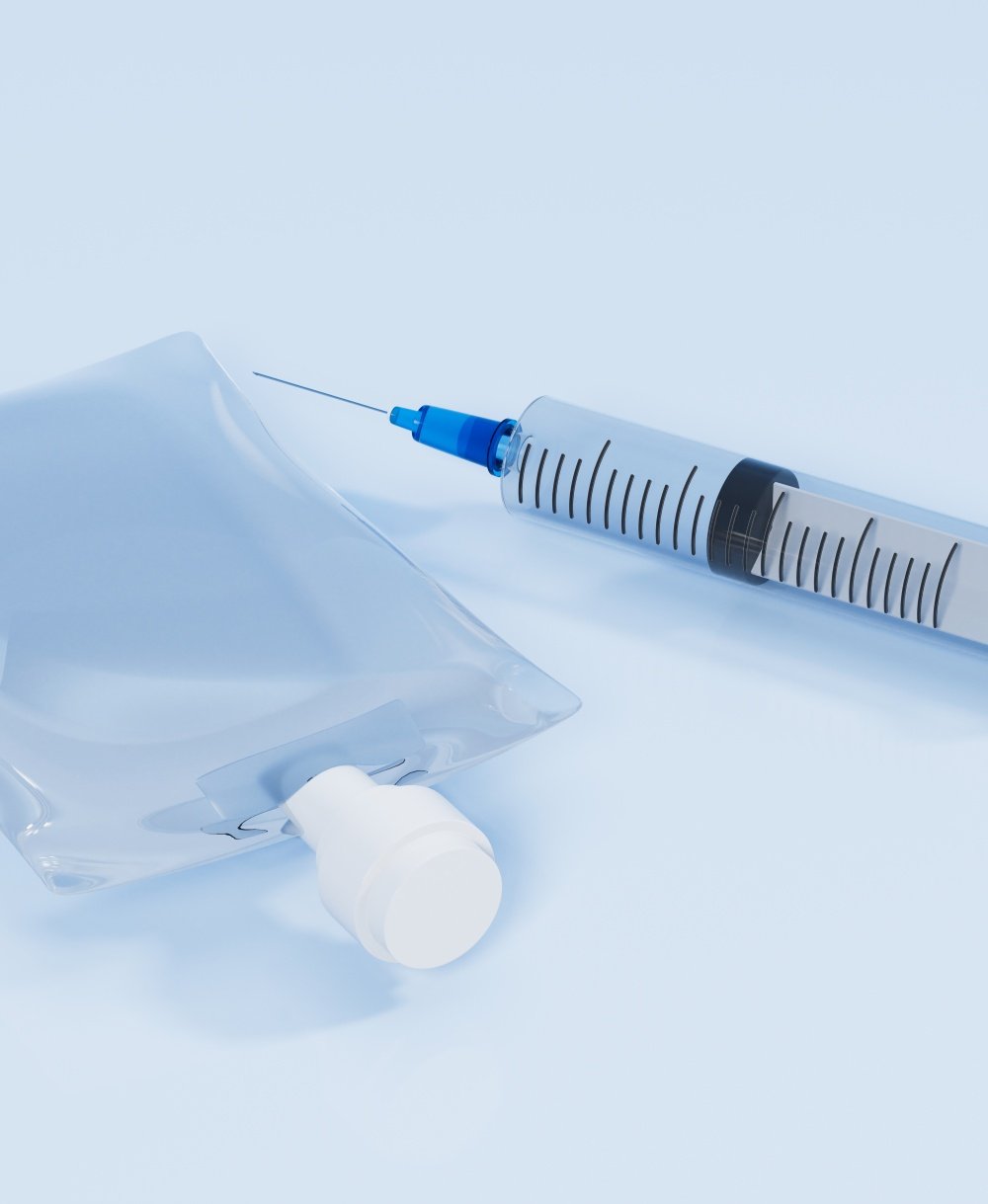
Sachets are not limited to dry products. They are also used for liquid formulations, including gels, suspensions, and oral liquids. This is common for products like antacids, energy gels, and certain therapeutic liquids.
These sachets provide a sealed environment that prevents leakage, contamination, and exposure to air. For manufacturers, this format allows single-use liquid delivery without the need for bottles.
Types of Pharmaceutical Sachets
The different types of pharmaceutical sachets that you might encounter during manufacturing include:
1. Single-Dose vs Multi-Dose Sachets
Most pharmaceutical sachets are single-dose, meaning each packet contains one exact dose. This reduces dosing errors and improves patient compliance.
However, some applications use multi-dose sachets, especially in bulk or institutional settings. These are less common in pharmaceuticals because they increase the risk of contamination and dosing mistakes.
2. Stick Packs vs Traditional Sachets
Stick packs are a variation of sachets, but are long and narrow in shape. It makes them easier to carry and open. They are commonly used for powders and granules.
Traditional sachets are wider and more flexible in design, allowing them to hold powders, granules, or liquids. Both serve the same purpose, but stick packs are preferred for portability and controlled dispensing.
Materials and Packaging Technology
The performance of a pharmaceutical sachet depends largely on what it is made from and how it is sealed. Without proper materials and technology, even a well-formulated product can degrade before it reaches the user.
1. Multi-Layer Laminates
Pharmaceutical sachets are typically made using multi-layer laminate structures. Each layer serves a specific function, and together they create a strong and protective package. A common structure includes:
- Outer layer (polyester or paper) for strength and printability
- Middle layer (aluminum foil or high-barrier film) for protection against external elements
- Inner layer (polyethyleneor similar) for sealing and safe contact with the product
Aluminum foil is often used because it provides an almost complete barrier against moisture, oxygen, and light.
2. Barrier Protection
Pharmaceutical products are highly sensitive to environmental exposure. Even small amounts of moisture, oxygen, or light can reduce potency or shorten shelf life. That is why sachet materials are designed to provide strong barrier protection:
- Moisture barrier prevents clumping or chemical degradation
- Oxygen barrier reduces oxidation of active ingredients
- Light barrier protects light-sensitive compounds
According to pharmaceutical stability principles, exposure to these elements is one of the leading causes of product degradation.
3. Sealing Techniques
Sealing is what keeps the sachet airtight and secure. If the seal fails, the entire packaging system fails. Two common sealing methods used for this include:
- Heat Sealing: The inner layer of the sachet is melted and pressed together to create a tight seal. This method ensures the package is leak-proof and tamper-resistant.
- Form-Fill-Seal (FFS) Technology: This is a continuous automated process where the sachet is formed, filled with product, and sealed in one operation. It improves efficiency, reduces contamination risk, and guarantees consistent quality.
Advantages of Pharmaceutical Sachets
Pharmaceutical sachets are widely used because they solve practical problems that affect both manufacturers and end users. They improve how products are stored, handled, and consumed, without adding complexity.
Their advantages include:
1. Portability and Ease of Use
One of the biggest advantages of a pharmaceutical sachet is how easy it is to carry and use. The compact size allows patients to take doses anywhere without needing bottles, measuring tools, or additional packaging.
Each sachet is pre-measured and ready to use. The user simply opens it and consumes or mixes the contents as directed. This reduces confusion, especially for patients who need simple and clear instructions.
2. Extended Shelf Life
Sachets are designed to protect the product from environmental exposure. The multi-layer materials used in their construction create strong barriers against moisture, oxygen, and light.
This protection helps maintain the stability of active ingredients over time. As a result, products packaged in sachets often have a longer and more reliable shelf life compared to those stored in less protective formats.
3. Reduced Contamination Risk
All sachets are sealed and used only once. It eliminates repeated exposure to air, hands, or external surfaces, which is common with multi-dose containers.
Because the product is only opened at the time of use, the risk of contamination is significantly lower. This is especially important for pharmaceutical products, where even minor contamination can affect safety and quality.
4. Precise Dosing and Reduced Waste
Sachets contain a fixed, pre-measured amount of product. This assures that the correct dose is delivered every time, without the need for measuring devices.
Accurate dosing improves treatment effectiveness and reduces the risk of underdosing or overdosing. It also minimizes product waste, since there is no leftover material after use. For manufacturers, this level of control supports better compliance.
FAQs
1. Are pharmaceutical sachets primary packaging?
Yes, a pharmaceutical sachet is primary packaging when it directly touches the drug product. That means the sachet material must be compatible with the formulation and must not affect product quality during shelf life. If the sachet is only used to overwrap another container, then it may function as secondary or protective packaging instead.
2. What materials are used for pharmaceutical sachets?
Common sachet materials include PET, PE, aluminum foil laminates, paper-based laminates, and multilayer barrier films. Foil-based structures are often used when the product needs stronger protection from moisture, oxygen, odor, or light. The final material should be selected through compatibility, seal-strength, stability, and barrier testing, not by price alone.
3. What is the difference between a sachet and a stick pack?
A sachet is usually a flat sealed pouch that may use three-side, four-side, center-seal, or shaped sealing formats. A stick pack is a narrow tube-like sachet designed for slim single doses, often used for powders, granules, oral rehydration salts, and drink mixes. Stick packs are easier to pour into a mouth, bottle, or glass, while wider sachets give more print space and can suit creams, gels, or larger doses.
Choose Smarter Packaging That Delivers Real Results
A pharmaceutical sachet is a packaging solution that directly impacts user experience. But getting the benefits of sachet packaging depends heavily on how the product is filled, sealed, and handled during manufacturing.
To make sure you don’t end up with compliance issues, you need the best packaging solution, and Finetech has got you covered in that regard.
We have reliable pharmaceutical packaging machines for every pharmaceutical requirement. With decades of experience, we help manufacturers maintain both performance and compliance standards.
Contact Finetech today to talk to our specialists!
References:
Pharmaceutical Bottle: Types, Features and Applications.
Primary, Secondary, and Tertiary Packaging in Pharmaceuticals with Examples.
Different Types of Packaging in Pharmaceutical Industry.
Types of Packaging of Tablets and Capsules| A Complete Guide.
Copyright Notice:
You may not reproduce, modify, publish, display, transmit, or in any way exploit any content on this website, or use such content to construct any kind of database without prior express written approval by Finetech Group. For permission to use the content, please contact: info@pharmamachinecn.com
Disclaimer:
The information contained in this article is for general information purposes only. The Company does not guarantee the accuracy, relevance timeliness or completeness of any information, and the Company assumes no responsibility for errors or omission in the content of this article.