English
  Russian
  Turkish
  Spanish
  French
  German
  Japanese
In 2026, manufacturers are looking for blister machines that offer stable sealing, material flexibility, fast changeovers, and reliable output. The models that are selling best this year are not just the fastest.
They are the ones that can handle multiple blister materials, support different product sizes, and run consistently with minimal downtime.
Without further ado, let’s take a look at the various blister packaging machine models highly recommended for your business.
Top-Selling Blister Packaging Machine Models 2026
The following blister packaging machine models are the most in-demand this year because they match how modern factories actually operate.
| Machine Model | Best For | Capacity | Supported Materials | Punch Frequency |
| DPP-80 | Small pharma, clinics | 2,000 plates/hour | PVC, PTP Alu foil, dialysis paper | 10–23 times/min |
| DPP-150 | Medium pharma, multiple SKUs | 1,200-4,200 plates/hour | PVC, PTP Alu foil, dialysis paper | 10–35 times/min |
| DPP-180 | Alu-Alu pharma products | 6,000-14,000 sheets/hour | PVC, Alu-Alu, PTP foil | 25–50 times/min |
| DPP-250 / DPP-260 | Large pharma factories | 18,000-236,000 pcs/hour | PVC, Al-Plastic, Alu-Alu | 25–50 (Al-Plastic) / 20–35 (Al-Al) |
| DPH-320 | Ultra-high-speed pharma | 250 blister plates/hour | Alu-PVC | Roller type |
| FT-350FS | Batteries, razors, hardware | 90 blister cards/min | PVC blister + paperboard | 15 times/min |
| FT-570D | Large-scale retail packaging | 120 blister cards/min | PVC blister + card backing | 25 times/min |
Let’s discuss each of these in detail now.
1. DPP-80 PVC Blister Packing Machine
Best for: Small pharmaceutical producers and clinics
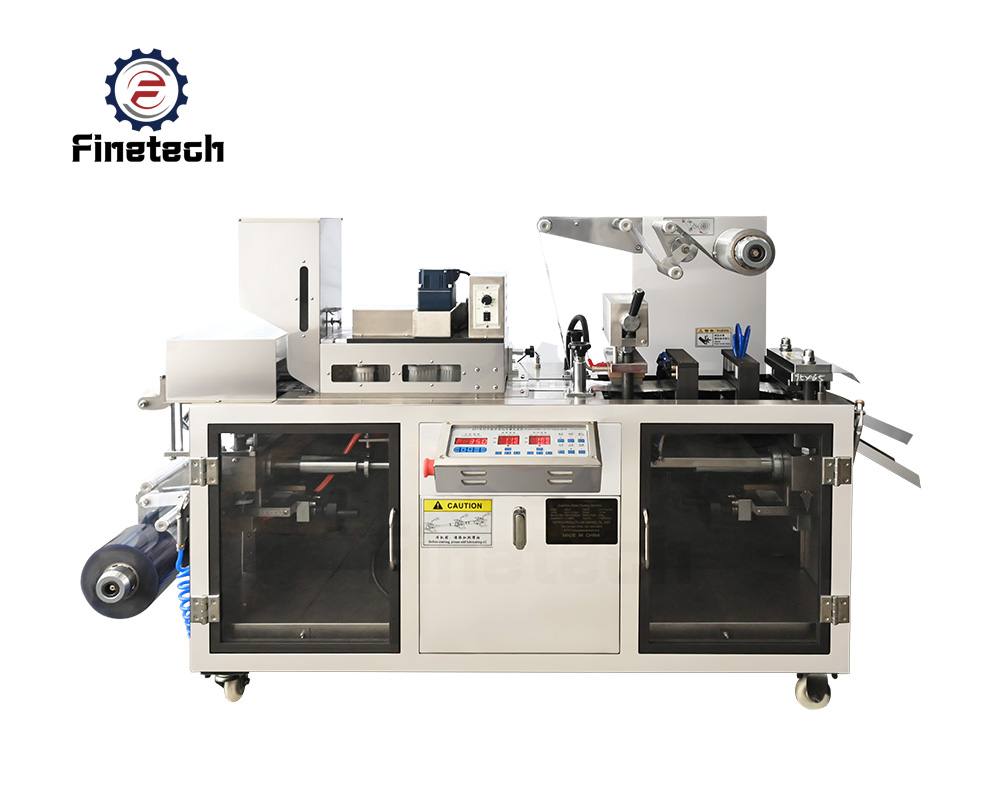
The DPP-80 is a compact and reliable blister packaging machine used to pack tablets, capsules, lozenges, chewing gums, small snacks, and even hardware or electronics. This makes it ideal for pharmaceutical, food, and light consumer goods packaging.
With a capacity of up to 2,000 plates per hour, it gives smaller businesses enough output to stay competitive. Operators also like it because the controls are simple and the format changes are quick.
2. DPP-150 Blister Packaging Machine
Best for: Medium-volume and multi-product operations.

The DPP-140/150 is one of the most versatile machines in the DPP series. For companies needing faster changeovers, this machine is ideal. The model is especially popular with companies that run multiple SKUs on the same line.
The best part is that it supports larger forming areas and deeper blister pockets, which means you can package a variety of tablet sizes, capsule shapes, and products. With output up to 4,200 plates per hour, it is a true workhorse for mid-sized pharmaceutical factories.
3. DPP-180 Alu-Alu Blister Packing Machine
Best for: Moisture-sensitive and high-value drugs.

The DPP-180 is designed specifically for Alu-Alu cold-form blister packaging. This format is used when maximum protection is required against moisture, oxygen, and light. Many sensitive medicines rely on Alu-Alu blisters to maintain quality and shelf life.
As for production capacity, it can produce between 40,000 and 80,000 blister plates per hour. Among pharmaceutical manufacturers that produce high-value or regulated drugs, this machine is the top choice.
4. FT-350FS Blister Card Battery Packer
Best for: Batteries, razors, and hardware.
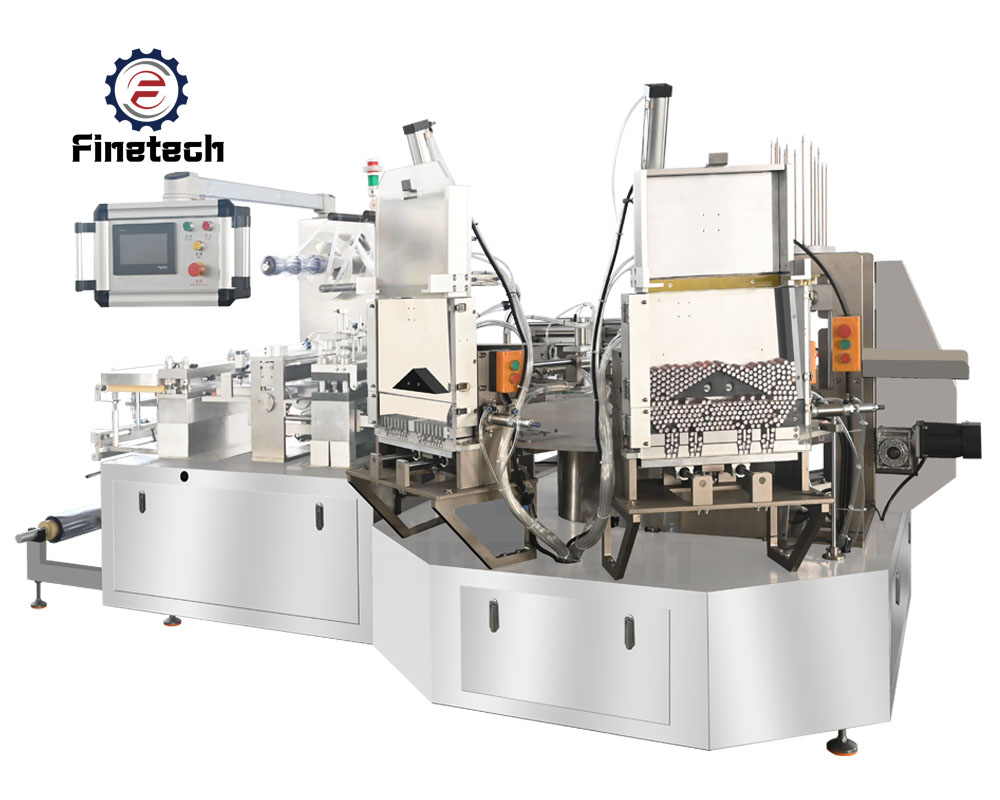
The FT-350FS is designed for tougher retail products that require strong, secure blister-card packaging. With 90 plates per minute, it supports high-demand consumer goods such as batteries and razors.
It is known for stable sealing and strong card bonding, which helps prevent theft and product damage in retail environments.
5. DPP-250 / DPP-260 Blister Packing Machine
Best for: Large-scale pharmaceutical production
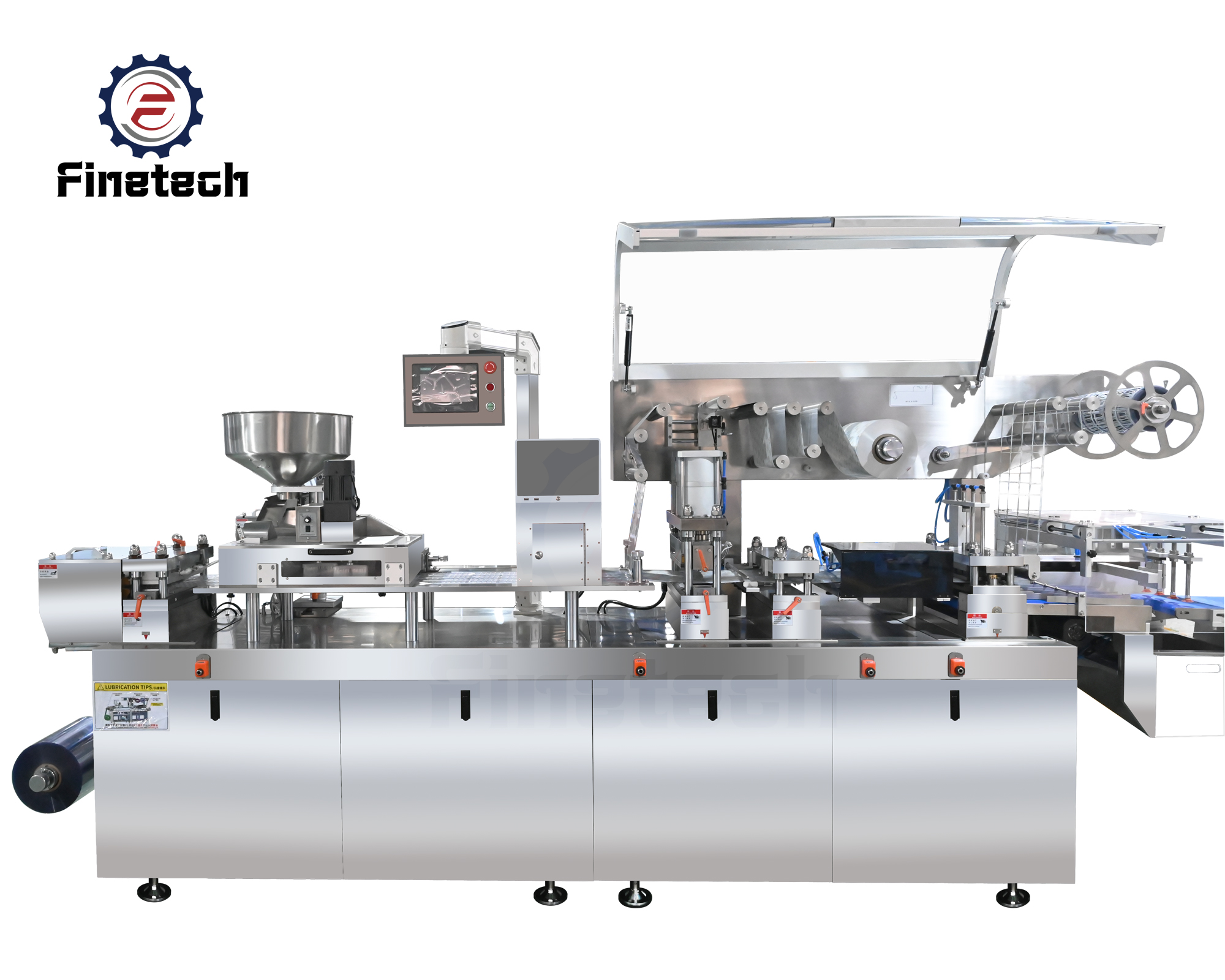
These machines are among the highest-capacity flat-type blister packers. They are built to handle both Al-Plastic and Alu-Alu packaging formats and have an output of over 236,000 pieces per hour.
What makes these DPP-250/DPP-260 models hot sellers is their stability. They can run for long shifts without drifting out of tolerance. This reduces waste and keeps production predictable.
6. DPH-320 High-Speed Roller Blister Packaging Machine
Best for: Continuous high-speed production

The DPH-320 is built for operations that need maximum blister output with minimal downtime. With a speed of up to 250 blister plates per hour, it is designed for nonstop, high-volume pharmaceutical and medical packaging.
Its roller-type forming and sealing system provides smoother material flow and more consistent blister quality at high speeds. There’s also a built-in PLC control system to keep the entire process highly automated and easy to manage for operators.
7. FT-570D High-Speed Blister Card Packing Machine
.png "2026 Hot Sale: Blister Packaging Machine Models Recommended for Your Business 7")
Best for: High-volume retail blister packaging
Last but not least, the FT-570D has a card capacity of up to 120 blister plates per minute and supports a wide range of product sizes. It is used for electronics, personal care products, automotive accessories, and medical retail items.
This model is popular with manufacturers who supply large retailers because it combines speed, strong sealing, and flexible forming in one system.
How to Choose the Right 2026 Blister Machine Model
Keep one thing in mind that you’re choosing a system that will control your daily production, your material costs, your labor, and even your compliance. The right machine should fit how you actually run your business and not what the brochure says.
Here is how to match the right blister machine to your real production needs.
1. Start With Your Product Type
The first thing to look at is what you are packaging. Tablets, capsules, liquids, medical devices, and retail goods all behave very differently.
For instance, tablets and capsules need gentle feeding and accurate pocket placement. Meanwhile, retail items like batteries and razors require rigid blisters that resist bending and tampering.
2. Match the Machine to Your Blister Material
Not all blister machines can handle all materials. PVC is the most common and easiest to form, so most flat-type blister machines can handle it. If you package sensitive medicines, you may need Alu-Alu cold-form blisters.
Similarly, if you are in consumer or retail packaging, you may also be using PET (Polyethylene Terephthalate) or thick plastic for blister cards. These materials need a higher forming force and stable sealing to avoid cracking or weak bonds.
3. Be Honest About Your Output Needs
Many buyers make the mistake of choosing a machine based on brochure speed instead of real production needs. Think about how many blister packs you need per hour, per shift, and per day. Also, consider downtime for cleaning, changeovers, and maintenance.
For small batches, a high-speed machine may not be the ideal choice, and vice versa. It may even slow you down because it takes longer to clean. Your goal should be to choose a machine that meets your daily output needs with room to grow.
4. Consider Your Available Space
Blister packaging machines are not all the same size. High-speed and roller-type machines are large and need more floor space, power, and air supply. Alternatively, smaller flat-type machines fit into tighter spaces and are easier to integrate into existing lines.
Before choosing a model, look at your factory layout. A machine that is too large for your space will create workflow problems even if it is technically perfect.
FAQs
1. What is the average price range for high-speed blister machines in 2026?
Fully equipped rotary models capable of 800–1,500 blisters/min range $420,000–$950,000 depending on inspection, containment, and serialization options.
2. How important is IoT connectivity when purchasing a blister machine in 2026?
It’s very important. In fact, real-time OEE tracking, predictive alerts for wear parts, and remote troubleshooting reduce unplanned downtime by 40–60%.
3. How do modern blister machines improve seal integrity verification?
Modern 2026 models use inline vision cameras to spot seal flaws, vacuum tests to find tiny leaks, and pressure sensors to check bond strength. Defective blisters get rejected right away on the line.
Your Search for the Best Machine Ends Here
When you focus on the right things, the choice becomes much clearer. At the end of the day, your goal should be to invest in a solution that keeps your packaging reliable.
The best part is that all the above-mentioned machines are available at Finetech.
With 30+ years of experience, over 500 clients, and installations in more than 60 countries, we have helped manufacturers worldwide. Because of us, they now have a blister packaging line that they can rely on for years.
If you are ready to take the next step, our team is here to help you!
References:
Complete Guide to Alu Alu Blister Packaging Machine.
What Is a Manual Blister Packing Machine and Its Working Principle.
How To Make Blister Packing Machine?
Blister Cartoning Machine: Features, Types, and Key Components.
Complete Guide to SOP for Blister Packing Machine.
What is Thermoforming Blister Packaging Machine?
Types of Blister Packaging Machines Applied to Pharmaceutical Industry.