English
  Russian
  Turkish
  Spanish
  French
  German
  Japanese
Making high-quality pharmaceutical tablets is not as simple as mixing powders and pressing them into shape. Every tablet must be strong, consistent, and deliver the correct dose. The only way this could happen is through the wet granulation process in the pharmaceutical industry.
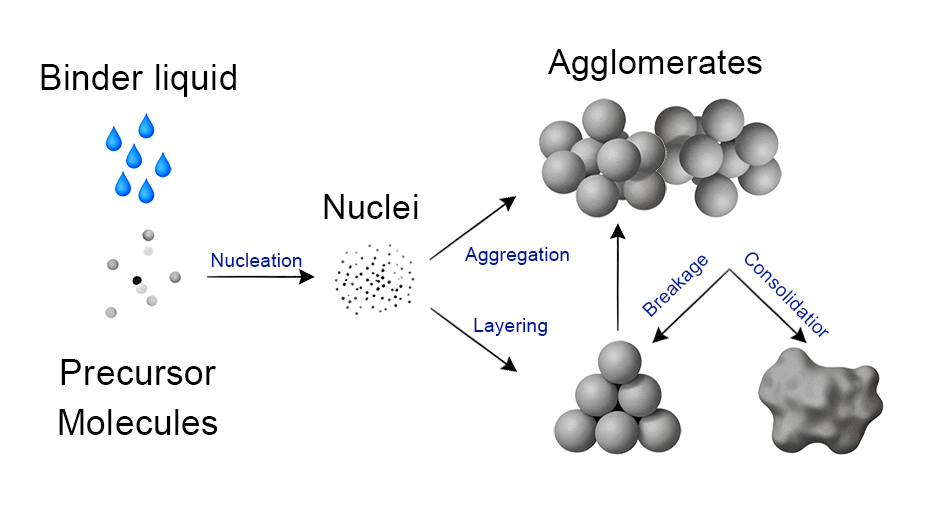
It is a method used to improve how powders flow, mix, and compress. By adding a liquid binder to dry ingredients, manufacturers create granules that are easier to handle and more uniform.
If you’re curious about how the wet granulation process works, this guide walks you through each step clearly and systematically.
What is the Wet Granulation Process in the Pharmaceutical Industry?
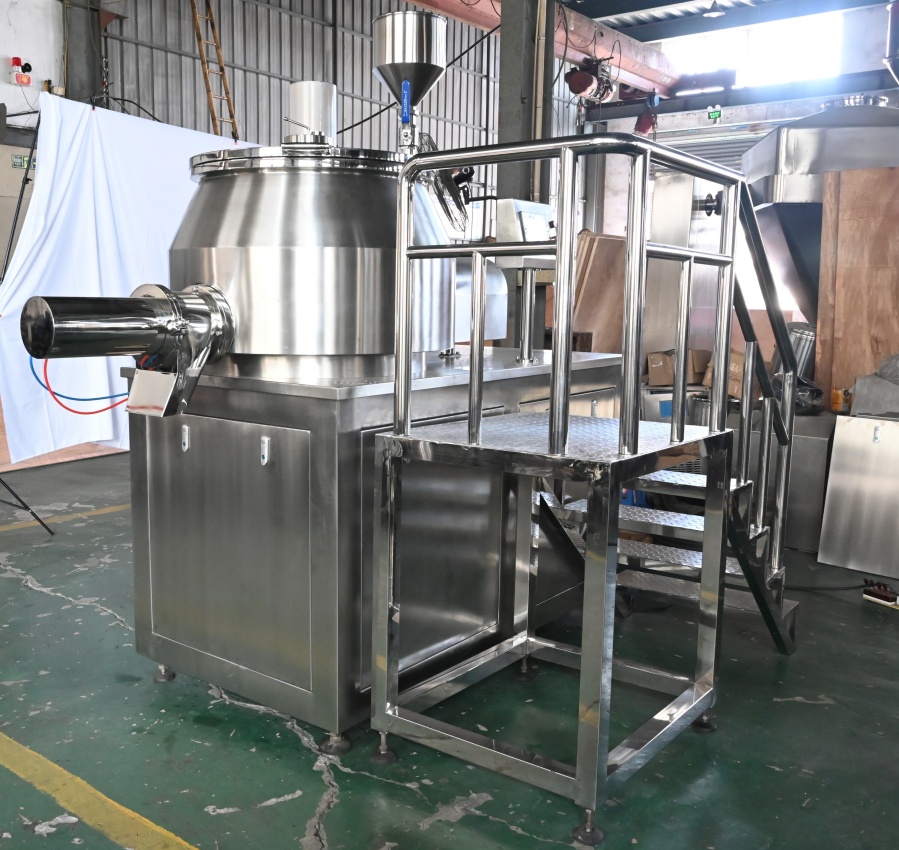
The wet granulation process in the pharmaceutical industry is a manufacturing method that converts fine powder ingredients into granules by adding a liquid binder.
These granules are then dried, sized, and compressed into tablets or filled into capsules. The purpose of this process is to improve the flowability, uniformity, and compressibility of powder blends.
A key reason wet granulation is widely used in the industry is quality control. Over 60% of solid dosage forms use some form of granulation to achieve consistent drug delivery. This shows that granulation is a central part of producing reliable pharmaceutical products that meet structural quality standards.
Types of Wet Granulation
In pharmaceutical manufacturing, wet granulation is carried out in different ways depending on the product, equipment, and scale of production. Below are the main types of wet granulation used in the pharmaceutical industry.
1. High Shear Wet Granulation
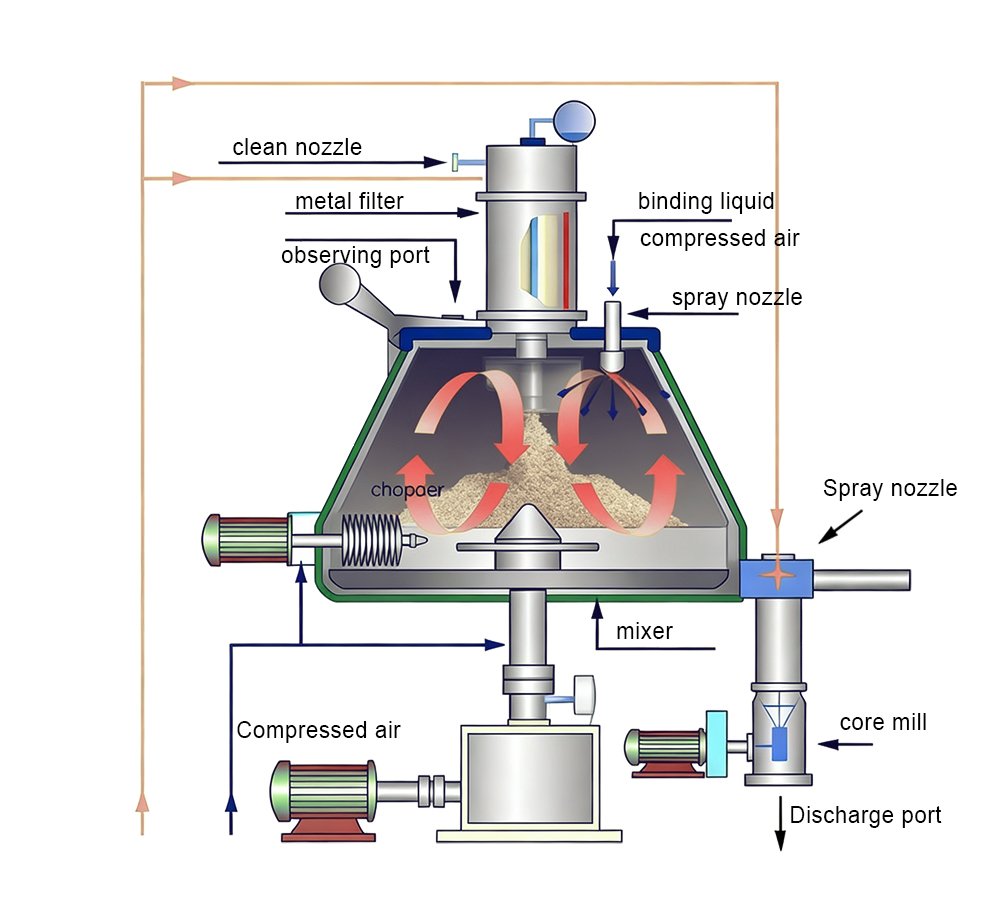
High shear wet granulation is one of the most widely used methods in pharmaceutical manufacturing. It uses a high-speed mixer-granulator and an impeller to blend powders as a liquid binder is added.
This method is ideal for producing strong granules that compress well into tablets. Given that the mixing is powerful, it ensures that the drug and excipients are evenly distributed throughout each granule.
2. Fluid Bed Granulation
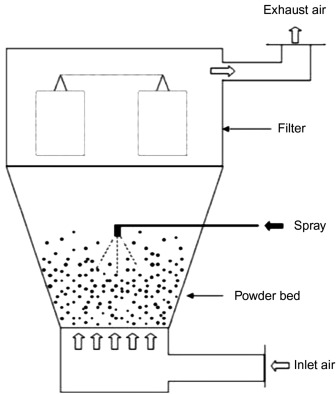
Fluid bed granulation combines mixing, granulation, and drying into a single process. In this method, hot air is passed through the powder bed, causing the particles to float while a binder solution is sprayed onto them.
As the liquid hits the moving particles, granules form and dry almost at the same time. This type of wet granulation is especially useful for heat-sensitive drugs because it allows precise temperature control.
3. Low Shear Granulation
Low-shear granulation is used when ingredients are sensitive to mechanical stress. Instead of using high-speed blades, this method relies on gentle mixing to bring particles together as the binder is added.
This approach helps protect fragile or brittle ingredients while still forming stable granules. It is commonly used in products where maintaining the chemical and physical stability of the drug is a priority.
4. Planetary Mixer Granulation
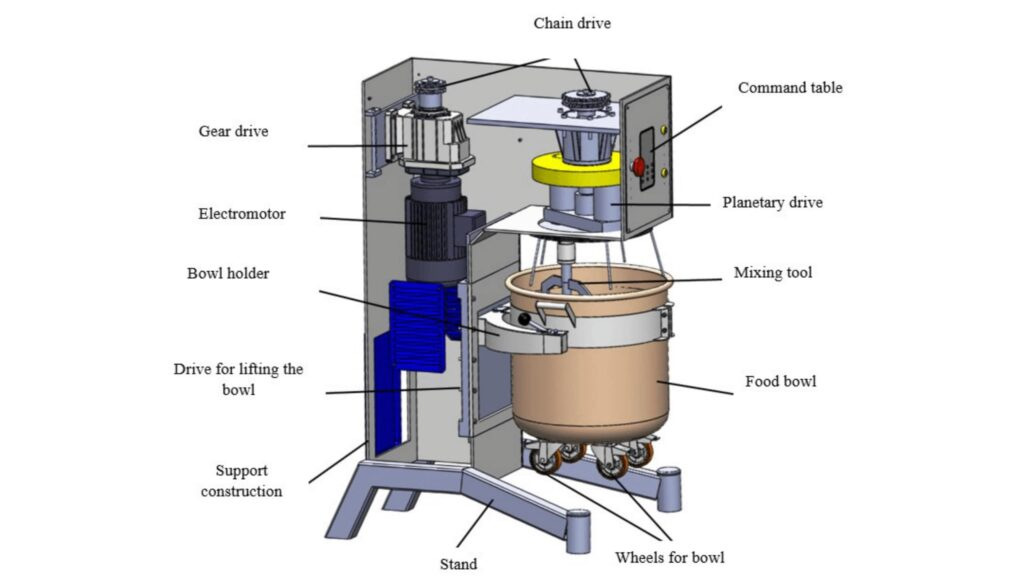
Planetary mixers are used in smaller batch production and laboratory-scale manufacturing. The mixing blades rotate around the bowl while also spinning on their own axis, which creates a thorough but controlled mixing action.
Most companies find this method helpful for formulations that require careful control of mixing and binder addition. It allows manufacturers to experiment with different formulations before moving to full-scale production.
5. Twin-Screw Wet Granulation
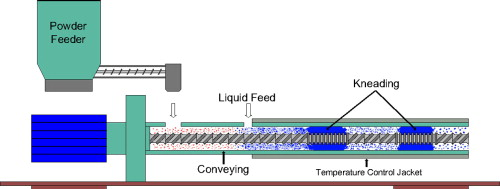
Twin-screw granulation is a modern and continuous form of wet granulation. It uses two rotating screws to mix powders and binders in a controlled, ongoing process.
For better consistency, lower waste, and faster production, this method is ideal. It is especially valuable for pharmaceutical companies looking to increase efficiency while maintaining high product quality.
How the Wet Granulation Process in the Pharmaceutical Industry Works: Step-by-Step
Here’s how the wet granulation process works in the pharma industry:
Step 1: Weighing and Screening
Everything starts with weighing out the active pharmaceutical ingredient (API) and the excipients (inactive ingredients). Afterward, the powders are usually passed through a sieve to break up lumps and create a uniform starting material.
Step 2: Dry Mixing of Powders and Adding a Liquid Binder
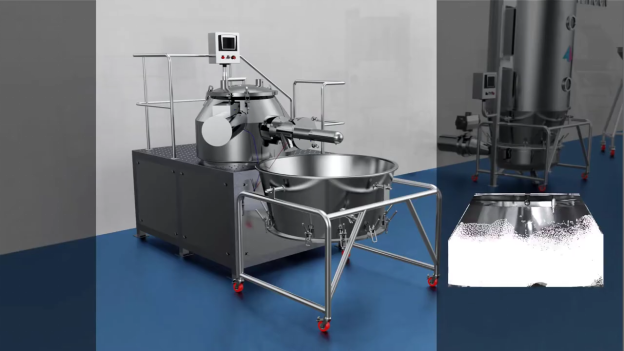
In this step, the API and excipients are dry mixed to distribute all components evenly. It makes sure every tablet will have the right proportion of active and inactive ingredients. This uniform mixing improves the mixture’s behavior during granulation and compression.
Moreover, a liquid binder is slowly added to the mixed powder while gently stirring. The binder may be water or another safe solvent that helps particles stick together. As the liquid spreads, it forms “bridges” between the particles.
Step 3: Screening the Wet Mass
Once the wet binder has partially formed granules, the wet mass is passed through a sieve. This creates wet granules that are roughly similar in size, making drying much faster and more effective.
Step 4: Drying the Granules
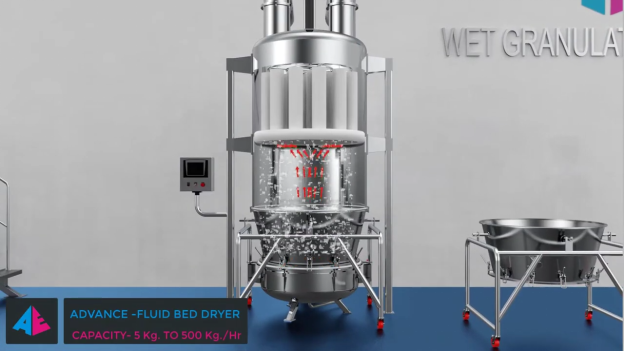
The wet granules usually contain moisture that must be removed before they continue. This is done using drying equipment such as a fluid bed dryer or a tray dryer. In a fluid bed dryer, hot air circulates through the granules, lifting them and drying them simultaneously.
Step 5: Milling and Sieving the Drie
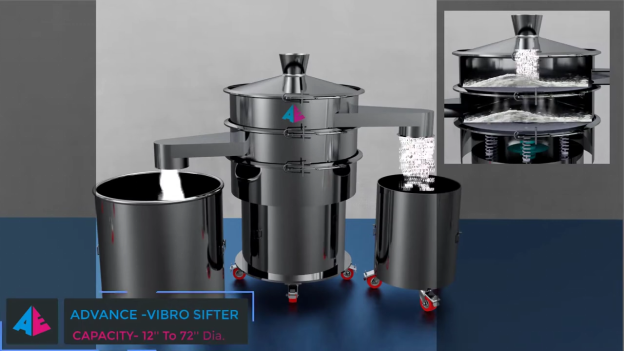
After drying, the granules may still be uneven in size. That’s why they are passed through a mill to break up larger lumps and achieve a uniform granule size. This uniformity affects how the material compresses into tablets or fills into capsules.
Step 6: Final Blending with Lubricants
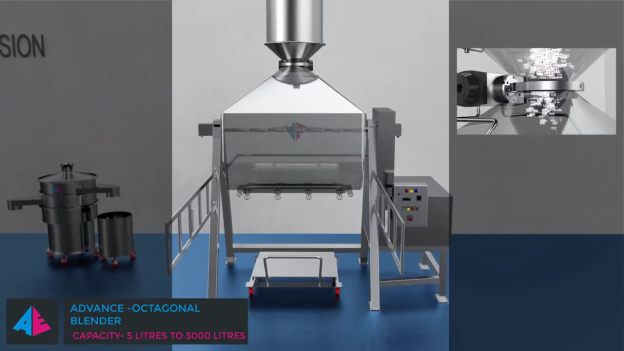
At this point, a lubricant (like magnesium stearate) is added to the dried, milled granules. The lubricant helps the granules flow smoothly into the tablet press and prevents sticking during compression.
Step 7: Tablet Compression or Capsule Filling
In the final step, the granules are compressed into tablets or filled into capsules. Tablet presses apply precise pressure to form solid tablets, while capsule fillers deposit granules into hard gelatin or HPMC capsules.
Note: all steps image source: Wet Granulation Process | RMG | FBD | Co Mill | Octagonal Blender | Autocoater | Process Animation.
Benefits of the Wet Granulation Process in the Pharmaceutical Industry
Now that you know how the process works, you should know the key benefits of the wet granulation process, which include:
1. Better Tablet Strength
Wet granulation creates granules that bond well when compressed. This results in tablets that are harder, less fragile, and more resistant to breaking during packaging, transport, and handling.
2. Improved Content Uniformity
When powders are granulated together, the active drug and excipients are evenly distributed within each granule. This ensures every tablet contains the correct dose, which is essential for patient safety and drug effectiveness.
3. Lower Weight Variation
Granules flow more smoothly into tablet presses than fine powders. This leads to more consistent filling of tablet dies, which reduces weight differences between tablets and improves batch quality.
4. Reduced Segregation
In powder mixtures, heavy and light particles can separate over time. Wet granulation binds particles together, preventing them from separating. This keeps the drug evenly mixed throughout the batch.

Both wet and dry granulation are used to prepare powders for tablet and capsule production. However, they work differently and suit different types of formulations. Here’s the difference between the two processes.
| Feature | Wet Granulation | Dry Granulation |
| Process | A liquid binder is added to powders to form granules, which are then dried and refined. | Powders are compressed and broken into granules without using any liquid. |
| Cost | Higher due to equipment, drying, and longer processing time. | Lower because no drying or liquid handling is required. |
| Suitability | Ideal for powders that do not flow well or need stronger binding. | Best for ingredients that cannot tolerate moisture or heat. |
| Product Quality | Produces tablets with better strength, uniformity, and appearance. | Produces tablets that are acceptable but slightly less consistent. |
| Use Cases | High-dose drugs, difficult formulations, and premium products. | Simple formulas and moisture-sensitive medications. |
FAQs
1. How does excipient selection affect wet granulation outcomes?
Excipient attributes such as hydration rate, particle morphology, and solubility govern nucleation, growth, and final granule strength. For example microcrystalline cellulose promotes plastic deformation whereas brittle fillers increase attrition risk.
2. How do I set in-process endpoints for wet massing?
Define endpoints objectively using torque/power thresholds, granule look and consistency, or PAT signatures rather than arbitrary times. Objective endpoints reduce operator variability and improve batch reproducibility.
3. How should lubricant be incorporated after wet granulation?
Add the external lubricant gently in the final blending stage to avoid overmixing which can reduce tablet tensile strength. Lubricant addition is typically brief and at low intensities with in-process checks for blend uniformity.
4. How do I determine optimum binder concentration and addition rate?
Perform small scale design of experiments varying binder concentration and addition rate while monitoring end points such as torque, granule friability, and median particle size. Target the lowest binder concentration that achieves mechanical strength and compaction behavior.
All You Need Is the Right Wet Granulation Equipment
The wet granulation process in the pharmaceutical industry is one of the most important in manufacturing. However, even the best processes fail if the equipment behind them is unreliable or not GMP-compliant.
That’s why choosing the right machinery matters, and there’s no better than Finetech in the industry.
If you want your wet granulation process to run smoothly, you need equipment that works together as one system. Interestingly, we have the perfect high-speed rapid mixer granulators that you can get today to start getting manufacturing batches out efficiently.
Request an instant quote today!
References:
Wet Granulation in the Pharmaceutical Industry: Purpose, Advantages, and Manufacturers.
Granulation techniques and technologies: recent progresses.
Copyright Notice:
You may not reproduce, modify, publish, display, transmit, or in any way exploit any content on this website, or use such content to construct any kind of database without prior express written approval by Finetech Group. For permission to use the content, please contact: info@pharmamachinecn.com
Disclaimer:
The information contained in this article is for general information purposes only. The Company does not guarantee the accuracy, relevance timeliness or completeness of any information, and the Company assumes no responsibility for errors or omission in the content of this article.