English
  Russian
  Turkish
  Spanish
  French
  German
  Japanese
Is your blister packaging machine causing unexpected stoppages, rejected units, or inconsistent seals eating into your production time?
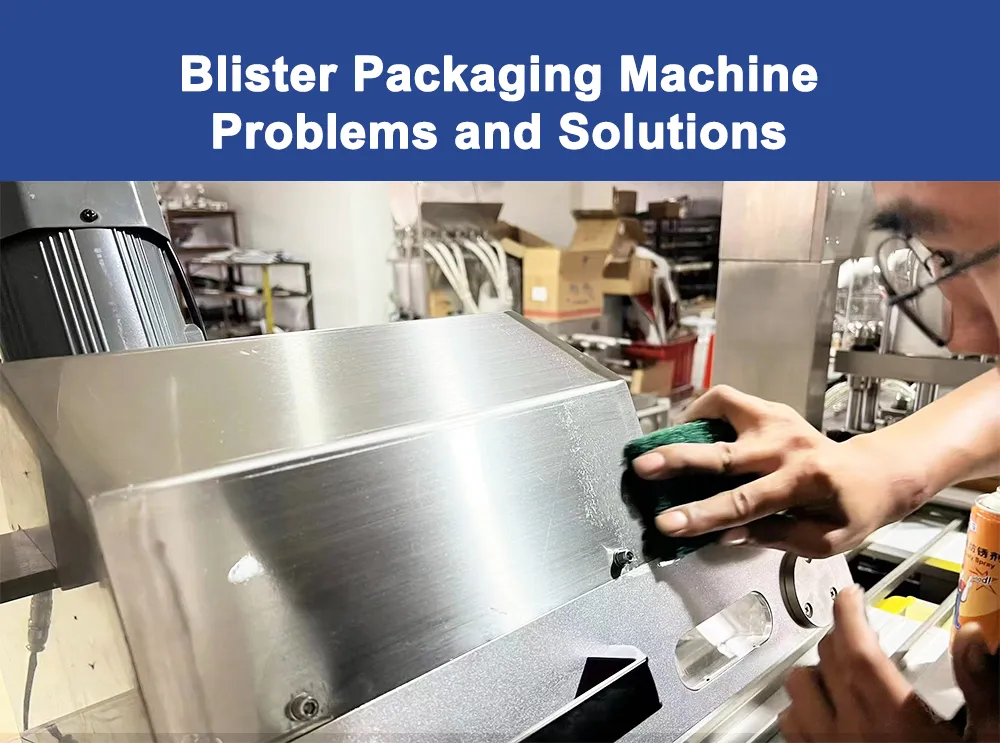
If so, it’s time to make a few changes. Blister packaging machines are precision equipment. When properly calibrated, they deliver speed, accuracy, and consistent output. But when something goes wrong, even a minor fault can disrupt the entire production line, increase waste, and lead to compliance risks.
In this guide, we’ll break down the most common blister packaging machine problems and solutions so you can keep your production running smoothly and efficiently.
Common Blister Packaging Machine Problems and Solutions
As you know, blister packaging machines are precise, high-speed systems. When something goes wrong, it rarely fixes itself. Below are the most common blister packaging problems operators encounter and what you can do to resolve them.
1. Poor or Inconsistent Sealing
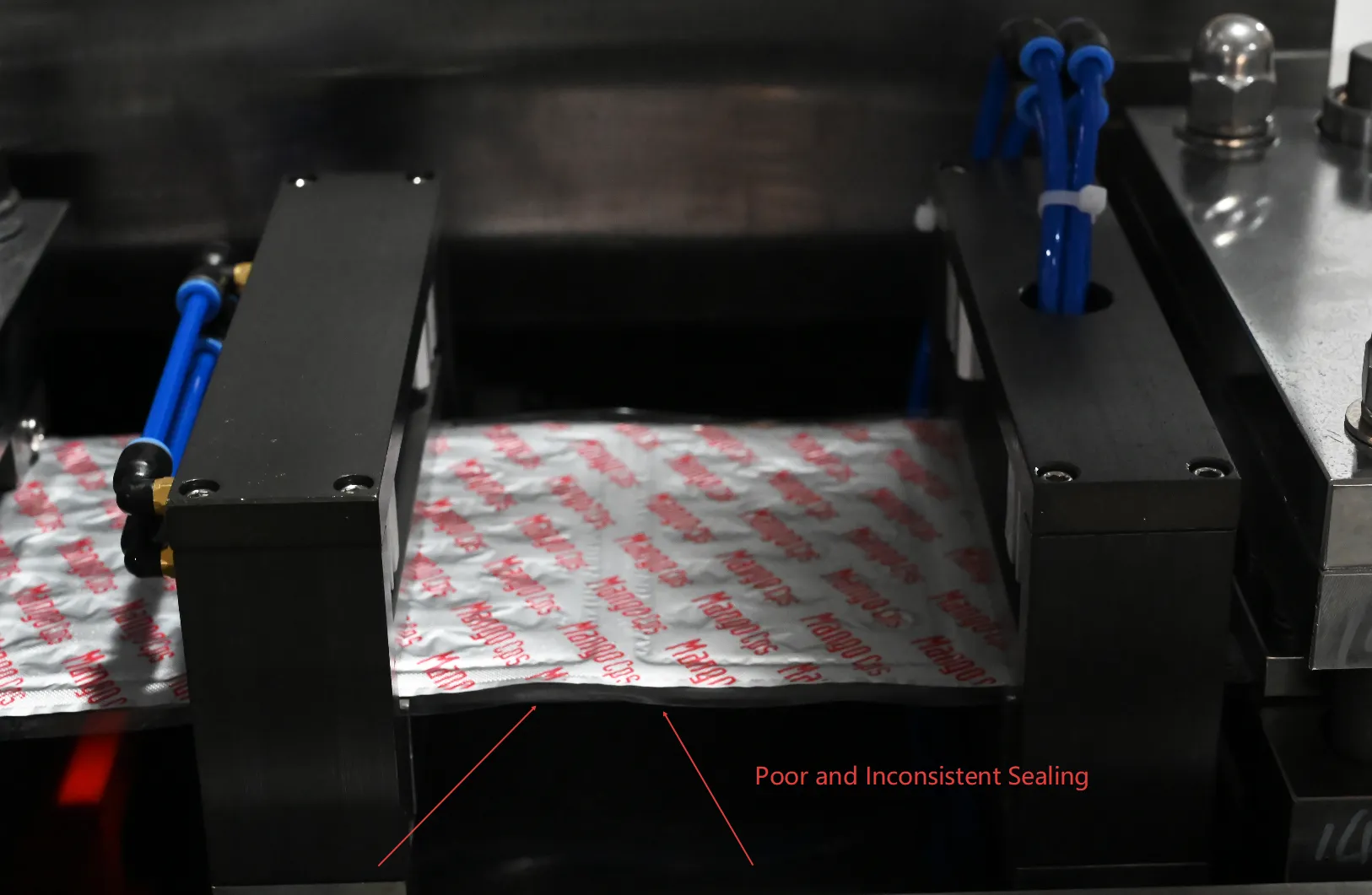
Inconsistent sealing is one of the most frequently reported issues on blister lines. It results in weak bonds between the forming film and lidding foil, which compromises product integrity and can trigger batch rejections.
The usual culprits are incorrect sealing temperature, worn sealing jaws, uneven pressure distribution, or contamination on the sealing surface.
Solution
Start by verifying your temperature and pressure settings against the validated parameters for your specific film and foil combination. Also, inspect the sealing jaws for wear or residue buildup and clean them thoroughly.
If the jaws are visibly worn or pitted, replace them. Conduct a thermal mapping of the sealing platen to confirm the temperature uniformity across the full sealing zone. A deviation of more than a couple of degrees is enough to produce inconsistent results.
2. Film Misalignment and Tracking Issues
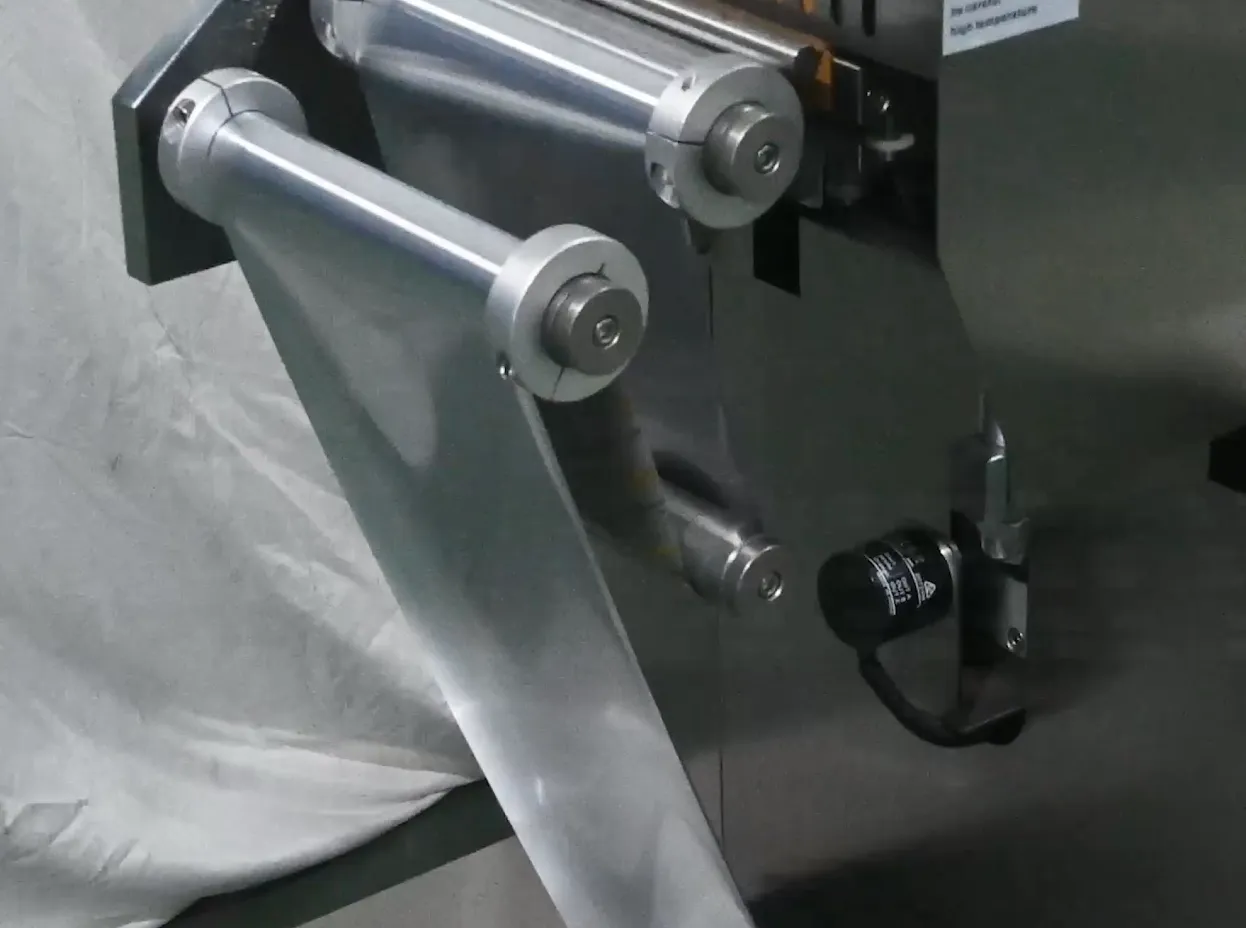
A film that drifts, wrinkles, or tracks off-centre during the run produces misaligned cavities, off-centre seals, and ultimately unusable packs.
This is commonly caused by improper loading, worn guide rollers, incorrect tension settings, or film roll inconsistencies from the supplier.
Solution
Re-thread the film according to the machine’s loading diagram and check that the tension is set correctly for your film gauge.
Inspect all guide rollers and edge guides for wear and replace any that are no longer holding position properly. If the problem recurs with a new film roll, raise it with your film supplier as a material consistency issue.
3. Forming Defects and Incomplete Cavities
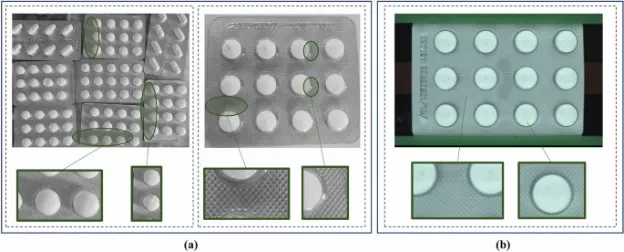
Shallow, misshapen, or incomplete cavities are typically a forming station problem. They occur when the forming temperature is too low, the forming pressure is insufficient, the forming tool is worn or damaged, or the dwell time is too short.
Solution
Check your forming temperature and increase it incrementally until cavities form cleanly and consistently. Additionally, verify that the forming pressure meets the specification for your film thickness.
Then, inspect the forming tooling for wear, crackling, or buildup, and clean or replace as necessary. For thicker films, you may also need to adjust the dwell time setting to allow the material adequate time to form fully.
4. Product Misplacement or Missing Products
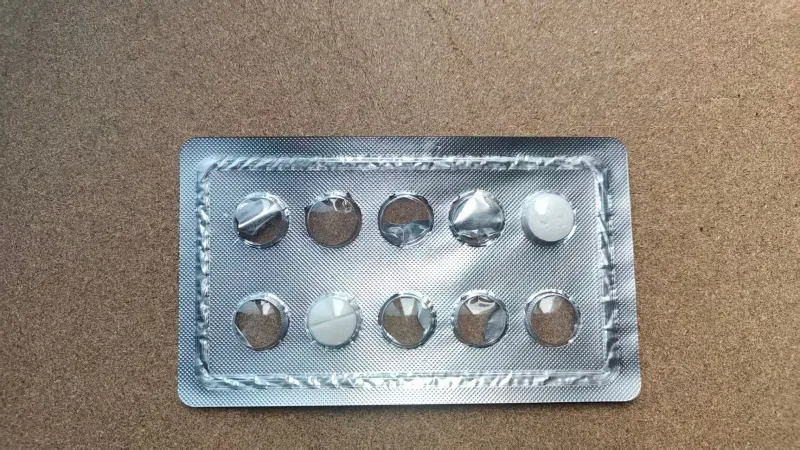
Products landing outside cavities or missing entirely from finished packs are a feeding system problem. It is caused by worn feeder components, incorrect feeder speed relative to machine throughput, vibration issues, or product size variation that the feeder cannot handle consistently.
Solution
Check feeder speed synchronization with the main machine speed and adjust accordingly. Inspect feeder brushes, guides, and discharge channels for wear and replace any components that are no longer directing product accurately.
If product size variation is the root cause, work with your quality team to tighten incoming product tolerances before the issue reaches the packaging line.
5. Machine Jamming and Stoppages
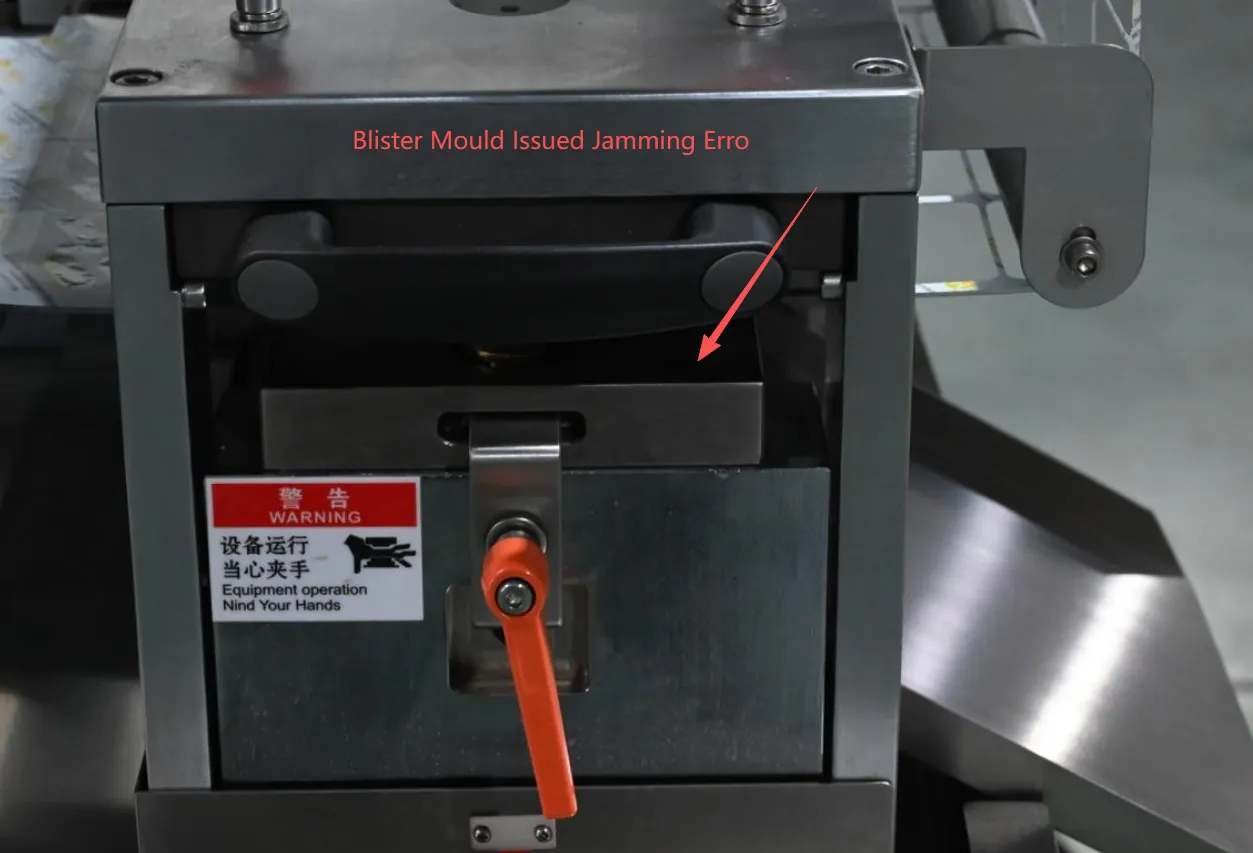
Frequent jamming wastes production time and, if not addressed, causes mechanical damage over time. Industry data show that without proper preventive maintenance, wear and tear alone result in defect rates of 5-8%.
Jams on blister lines are typically caused by product fragments or foreign material in the machine path, worn mechanical parts, or incorrect machine speed settings.
Solution
Establish a daily inspection routine that includes clearing debris from the machine path, checking belt tension, and inspecting all mechanical drive components for wear. Do not wait for a jam to investigate.
If stoppages recur at the same point on the machine, that location is telling you something needs attention. Address it before it escalates into a more serious mechanical failure.
6. Printing and Coding Errors
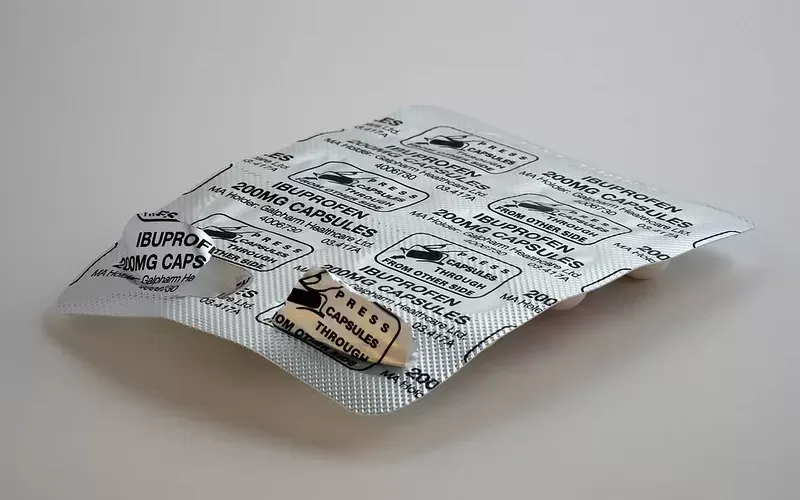
Illegible, smudged, misaligned, or missing batch numbers and expiry dates are not just an operational inconvenience. In pharmaceutical and regulated industries, they are a compliance issue that can result in rejected batches or regulatory action.
Solution
Check ink levels, printhead condition, and substrate compatibility for inkjet systems. For laser coders, inspect the lens for contamination and verify focus distance.
Moreover, confirm that coding parameters are set correctly for your specific lidding foil or film material. Build a pre-run coding verification step into your standard operating procedures so that every production run is confirmed before full-speed operation begins.
7. Leaking or Damaged Blisters
Blisters that leak or show physical damage on the finished pack point to either a sealing failure, a forming issue, or mechanical damage. Most of it occurs downstream during cutting or transfer of products.
Solution
Run a leak detection test on a sample from the affected batch to confirm where the integrity failure is occurring. If it is a sealing issue, refer to the sealing troubleshooting steps above.
If the damage is occurring post-seal, inspect the cutting tools and transfer mechanisms for sharp edges, misalignment, or excessive force being applied to the pack. Cutting tooling that is even slightly out of alignment can damage packs consistently.
8. Overheating and Temperature Control Issues
Temperature control problems affect both the forming and sealing stations. Overheating causes film distortion, seal burn-through, and excessive machine wear.
Under-heating causes weak seals and poor cavity formation. Both are usually the result of faulty temperature controllers, sensor drift, or heater element degradation.
Solution
Use a calibrated thermocouple or IR thermometer to verify actual temperatures against the displayed readings on the machine controllers. If there is a discrepancy, the sensor or controllers need recalibration or replacement.
Check heater elements for degradation and replace any that are not maintaining a consistent output. Temperature control issues rarely resolve on their own and tend to worsen over time if left unaddressed.
Tips to Avoid Blister Packaging Machine Problems
Most blister packaging machine problems are not sudden. They build up due to a lack of maintenance and are almost always preventable with a consistent maintenance routine. Here are the key tips to keep your machine running reliably:
- Clean the machine path, sealing jaws, and forming tools at the start and end of every shift.
- Verify temperature and pressure settings against validated parameters before each production run.
- Run a sample pack at the start of every shift and check seal integrity, cavity formation, and print accuracy.
- Inspect guide rollers, edge guides, and belt tension weekly for signs of wear or drift.
- Conduct a full thermal mapping of the sealing platen monthly to confirm temperature uniformity across the sealing zone.
- Review machine error logs regularly to catch recurring fault patterns before they escalate.
- Only use film and foil materials validated for your specific machine and sealing parameters.
FAQs
1. What causes tablets or capsules to get crushed during the blister packaging process?
Crushing usually occurs when the product feeding system is misaligned, the sealing pressure is too high, or product pockets are not fully formed. Products can also be damaged when machine speeds exceed the feeding system’s capabilities.
2. Why do blister packs pass visual inspection but still fail leak tests?
Microscopic sealing defects can occur due to contamination, insufficient sealing temperature, uneven pressure distribution, or worn sealing plates. These defects may be invisible to the naked eye but become evident during leak testing.
3. How can I tell whether sealing problems are caused by the machine or the packaging material?
Run tests using material from different production batches. If the issue persists across materials, the machine is likely responsible. If the problem only appears with specific batches, investigate coating consistency, foil quality, and material storage conditions.
4. Can humidity affect blister packaging performance?
Yes. Excess humidity can affect PVC, aluminum foil, adhesives, and pharmaceutical products themselves. In some environments, humidity fluctuations directly contribute to sealing defects and reduced package integrity.
Get Your Blister Line Running Right With Finetech
Blister packaging machine problems and solutions are not one-size-fits-all. If the machine is producing inconsistent seals, forming defects, or frequent stoppages that your team cannot get on top of, the problem is unlikely to resolve itself.
You need someone like Finetech in such a case to have your back.
We work with manufacturers across pharmaceuticals, food, and nutraceuticals to deliver blister packaging equipment. From initial consultation to commissioning and after-sales support, the team at Finetech is equipped to help you find a solution.
Contact us today so we can help you resolve your issue!