English
  Russian
  Turkish
  Spanish
  French
  German
  Japanese
Every capsule size an automatic line runs comes with its own matched set of parts. To make capsules of a specific size, you need to switch between parts, and it’s important to have them on hand at all times. Below is the full set of change parts that you might need.
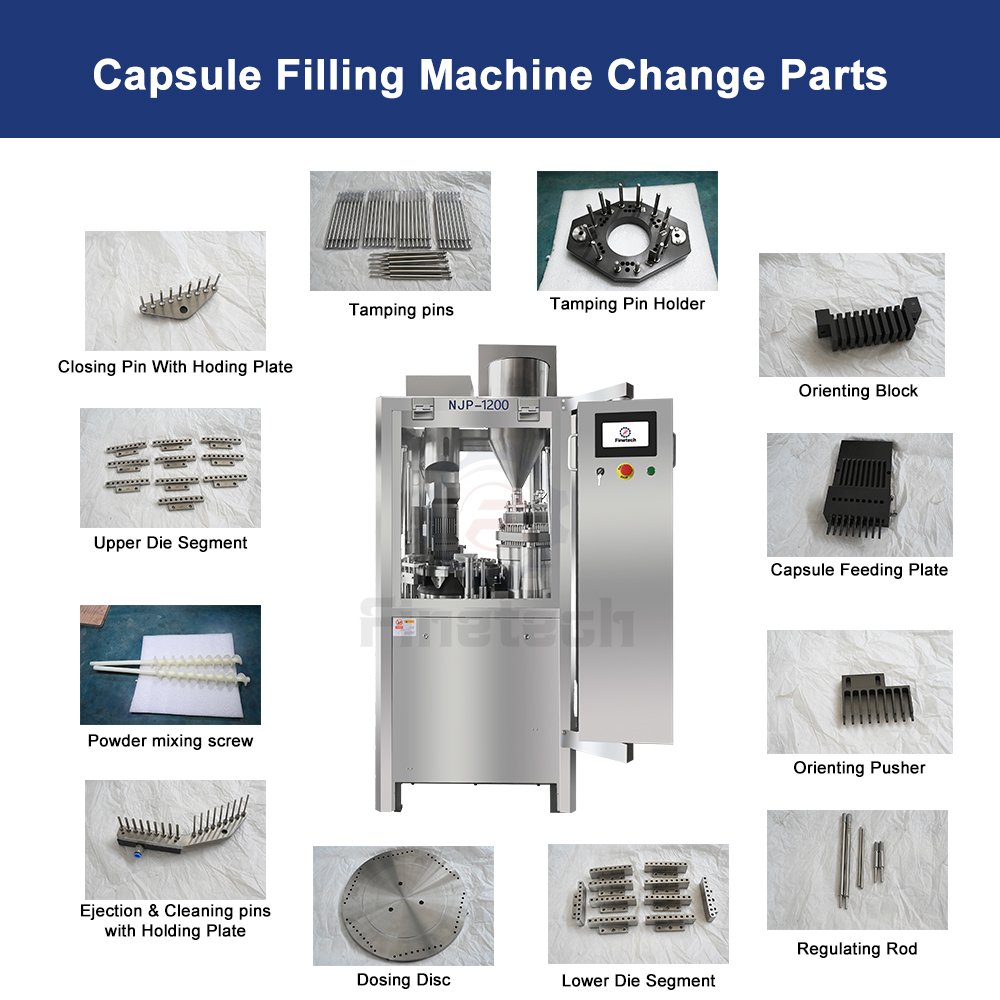
| Part | Function |
| Tamping Pins | Compress powder into the capsule body at each tamping station |
| Upper Die Assembly | Holds and guides capsule caps through the cycle |
| Lower Die Assembly | Holds and guides capsule bodies through the cycle |
| Capsule-Feeding Plate | Feeds capsules into position for processing |
| Dosing Disc | Sets fill volume based on capsule size and target dose |
| Straightener | Orients capsules cap-up, body-down before feeding |
| Ejection Pins | Push finished capsules out of the segments |
| Closing Pin | Joins the filled body back with its cap and locks it shut |
| Filling Tamping Rod | Compresses powder within the dosing disc bores |
| Powder Mixing Screw | Keeps powder loose and flowing evenly into the dosing station |
| Orienting Block | Sorts and orients empty hard capsules, ensures proper capsule direction for stable capsule filling |
| Orienting Pusher | It transfers correctly oriented capsules steadily, avoiding capsule tilting or damage during feeding. |
Here’s a brief explanation of each of these change parts.
1. Tamping Pins
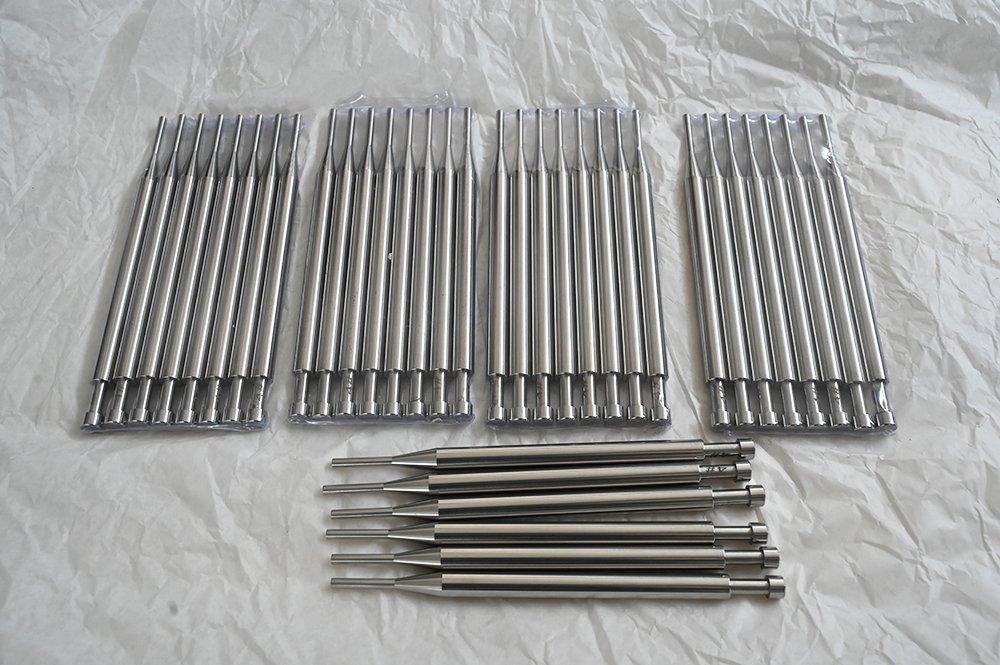
The tamping pins are the components responsible for compressing loose powder into a solid, capsule-shaped plug. Each pin presses down on the powder sitting inside its bore, adding a little more compression at each station until the powder holds its shape.
It’s a change part because different capsule sizes need pins of different diameters to match the bore size they’re compressing into.
2. Upper Die Assembly
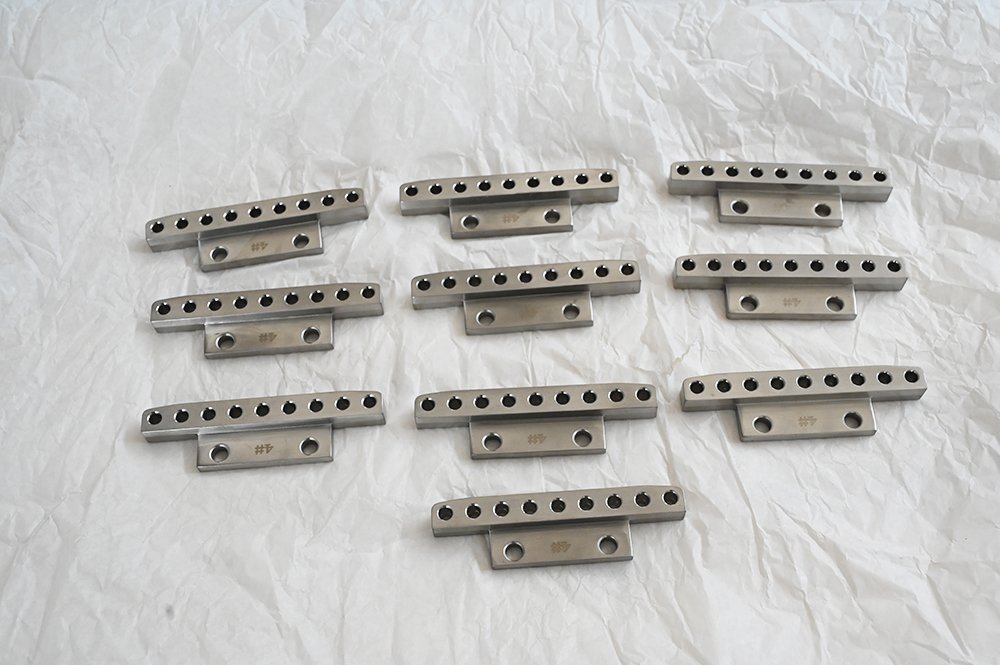
The upper die assembly holds and guides caps as they move through the machine. Within this component, every cap sits in a precisely sized cavity, thus keeping it aligned with the body below until the two are ready to be joined.
This assembly has to be swapped for a correctly sized version any time the line changes capsule format or dimensions.
3. Lower Die Assembly
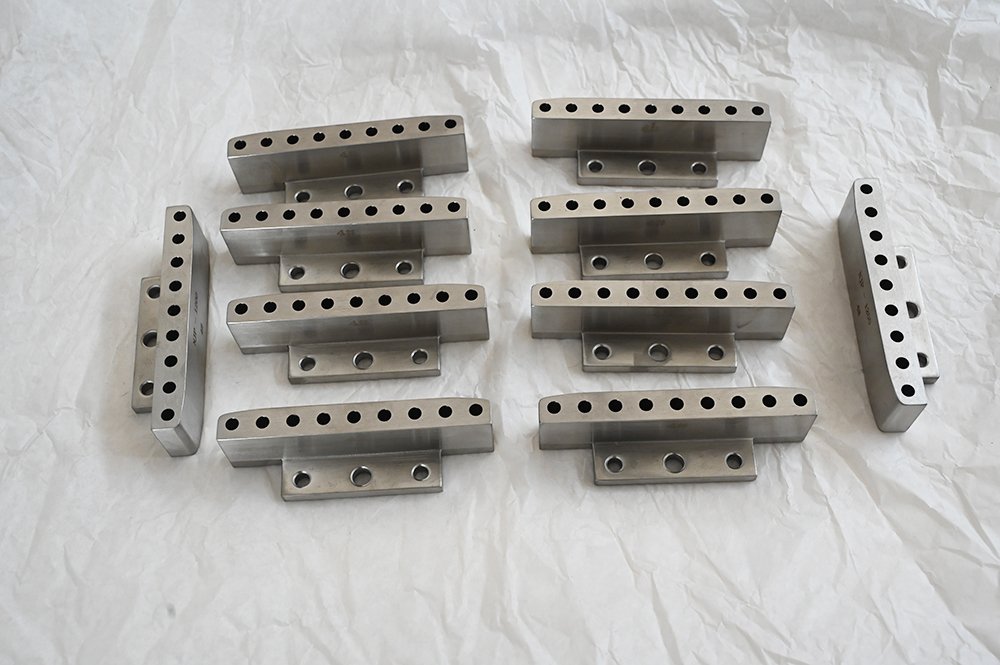
The lower die assembly performs the same role as the upper die, but for capsule bodies instead of caps. It holds each body steady through filling and tamping, keeping it upright and correctly seated so powder goes in cleanly.
A mismatch in size here can be rather damaging since a body held too loosely or too tightly can affect both fill accuracy and the capsule itself.
4. Capsule-Feeding Plate
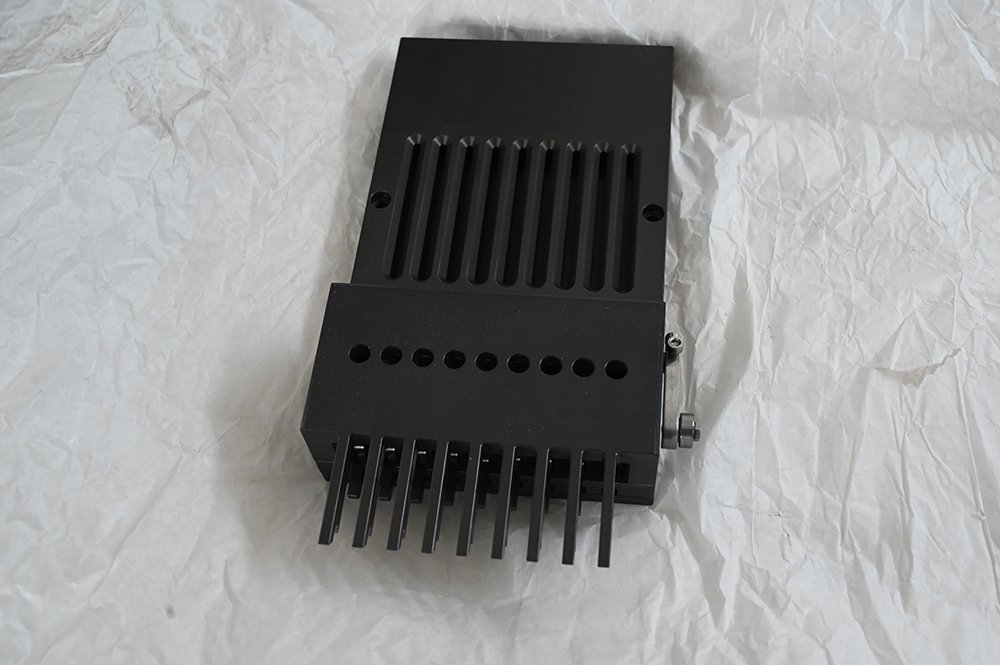
Next up is the capsule-feeding plate, which channels empty capsules from the hopper into the machine’s processing cycle.
It moves capsules along in a controlled, orderly sequence so they arrive at the next station correctly positioned. If this plate doesn’t match the capsule size, capsules can jam or arrive misaligned before they’ve even reached filling.
5. Dosing Disc
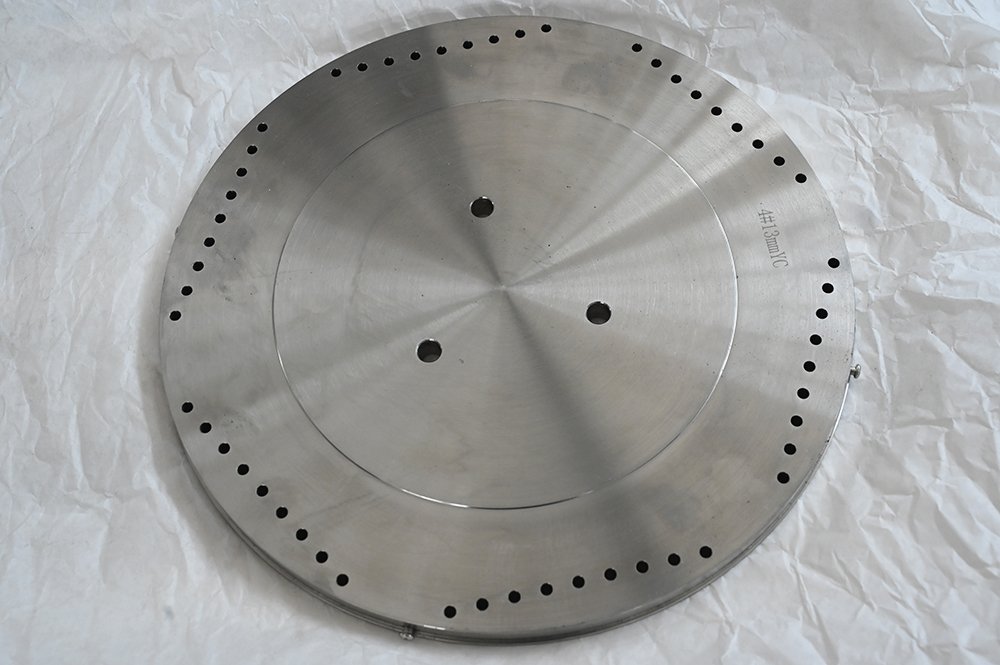
The dosing disc is the component that actually sets how much powder goes into each capsule. It’s a flat, rotating plate with a series of bores drilled into it, and the depth of those bores determines the maximum volume of powder each one can hold.
This is usually one of the first parts to be swapped when the product or dose changes, as every capsule size needs different bore dimensions.
6. Straightener
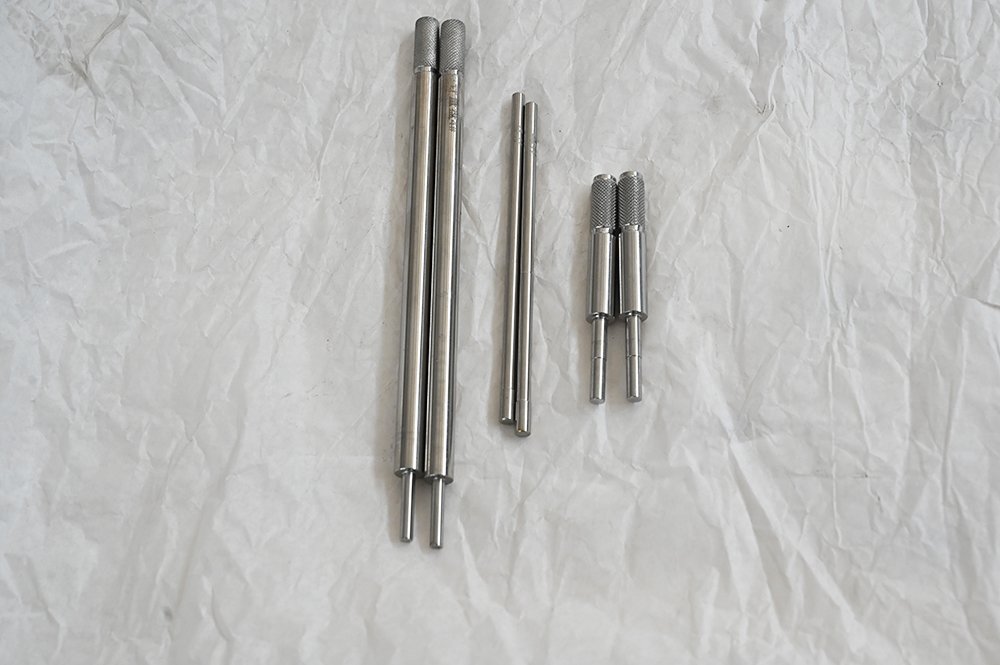
The straightener orients incoming capsules in the same direction, with the cap facing up and body facing down.
Automatic machines need this component as capsules don’t really arrive in a consistent orientation from the hopper. Though if a capsule passes through misaligned, it can jam a downstream station or fail to seat correctly in the dies.
7. Ejection Pins
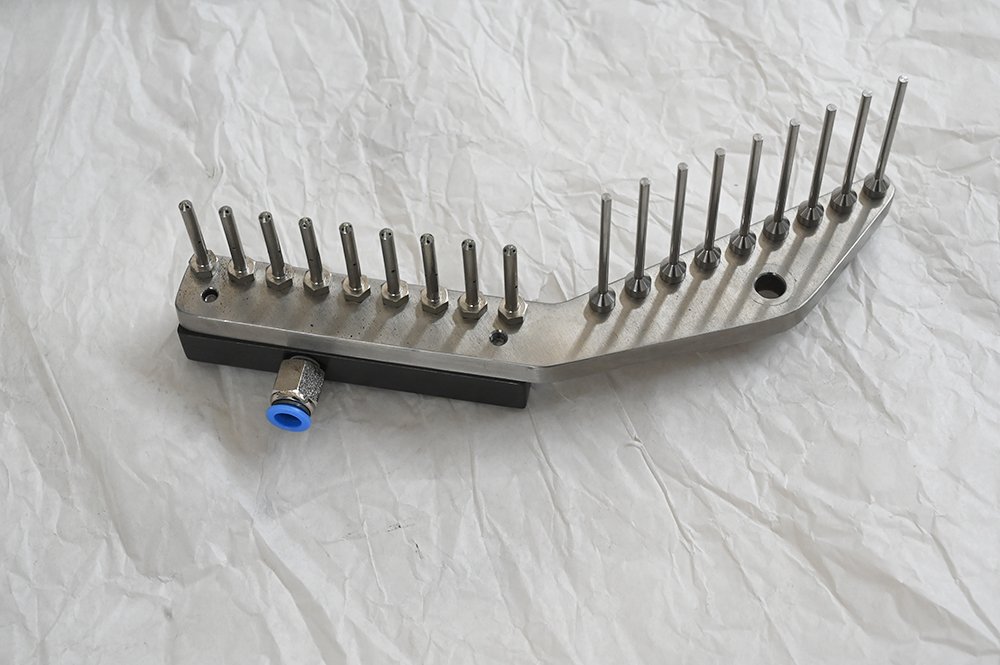
The ejection pins are what push finished capsules out of their segments at the end of the cycle, clearing space for the next batch.
They apply direct physical force to the capsule, so they need to be sized correctly for the capsule in use. Pins that don’t match the format can either fail to eject capsules cleanly or apply too much force and damage them.
8. Closing Pin
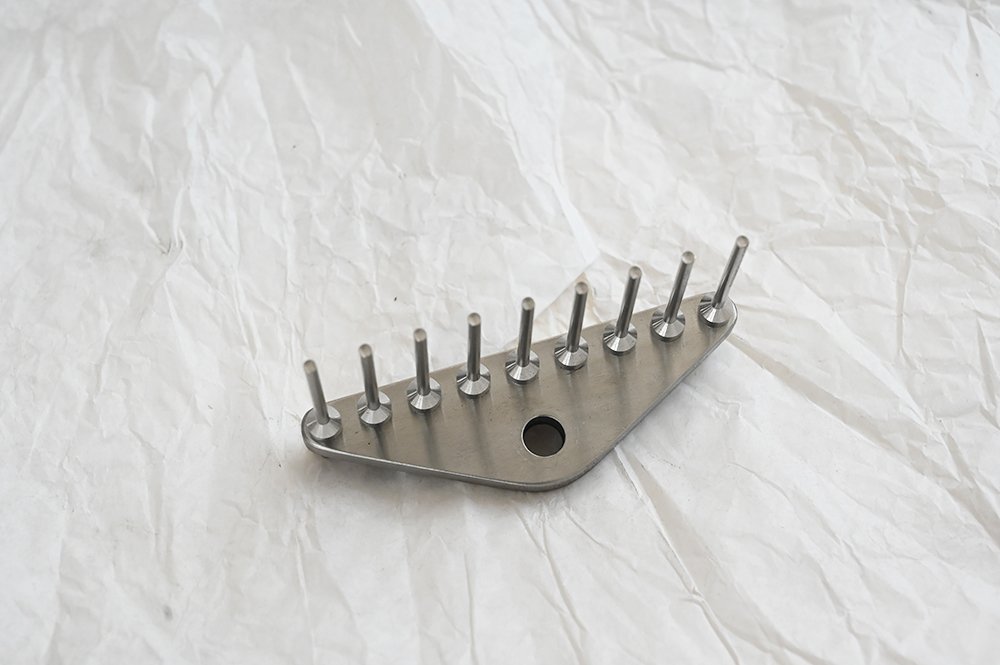
As the name suggests, the closing pin is responsible for rejoining a filled capsule body with its cap and locking the two halves shut in a single motion. It has to apply exactly the right amount of force for the capsule size running through the machine.
If the force is too little, it can leave the capsule insecurely closed, and if the force is too much, it can crack or damage the capsule.
9. Filling Tamping Rod
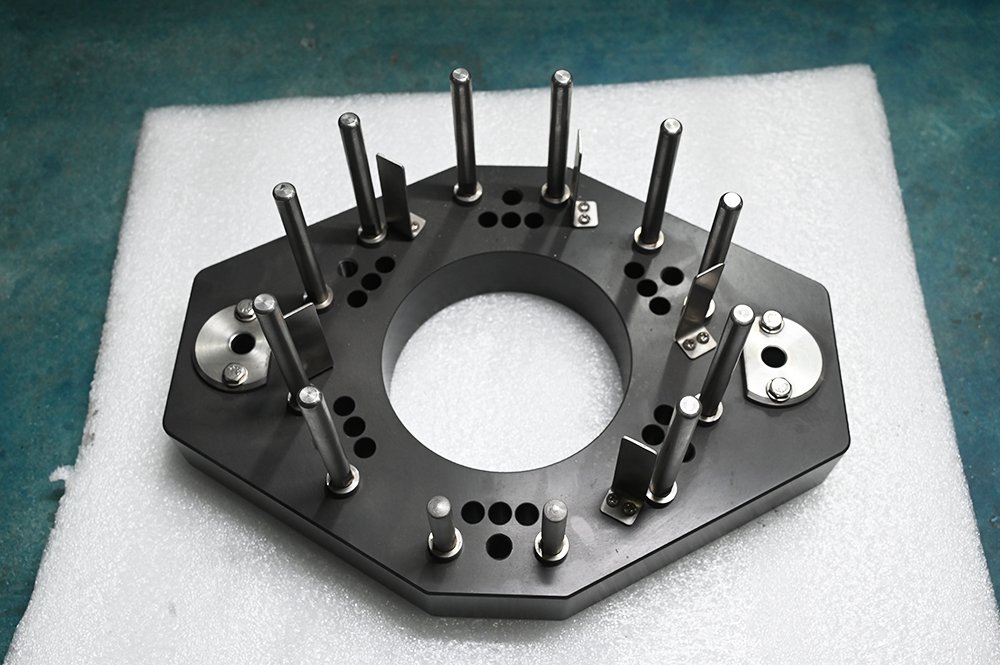
The filling tamping rod works inside the dosing disc itself, compressing powder within each bore before the disc rotates that load onward to the next stage.
It’s a separate part from the tamping pins that compress powder outside the disc, though it does similar compacting work earlier in the process. This helps set up the powder before final compression happens.
10. Powder Mixing Screw
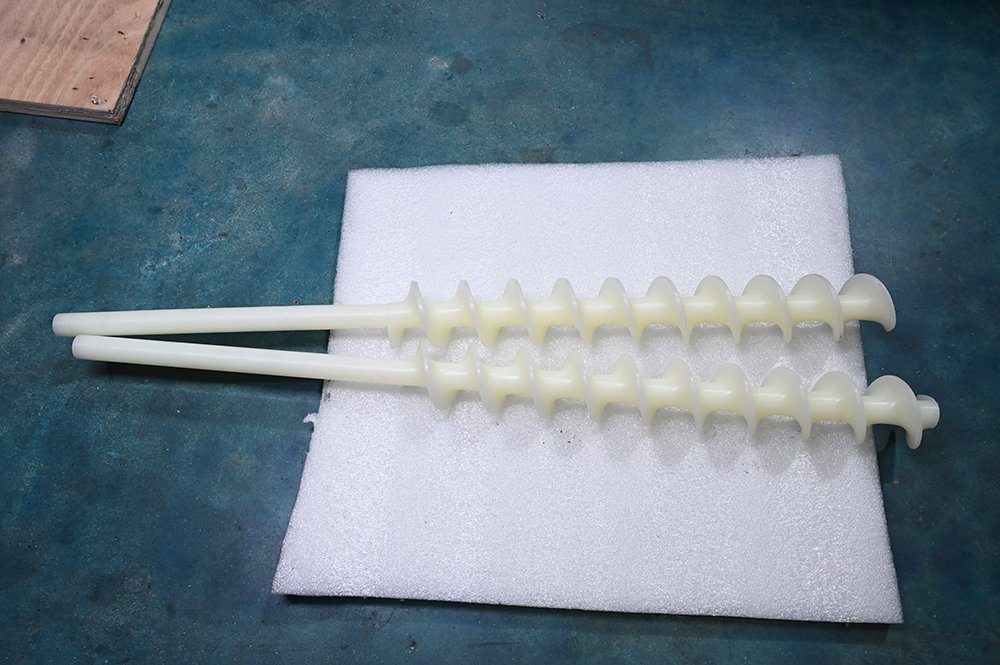
The last change part on our list is the powder mixing screw. It sits inside the hopper and keeps powder moving so it doesn’t clump or settle unevenly. As it turns, it pushes a steady stream of powder down into the dosing station below.
Without it, powder can bridge up inside the hopper, and that shows up later as gaps in fill weight, even when the dosing disc itself is working fine.
11. Orienting Block
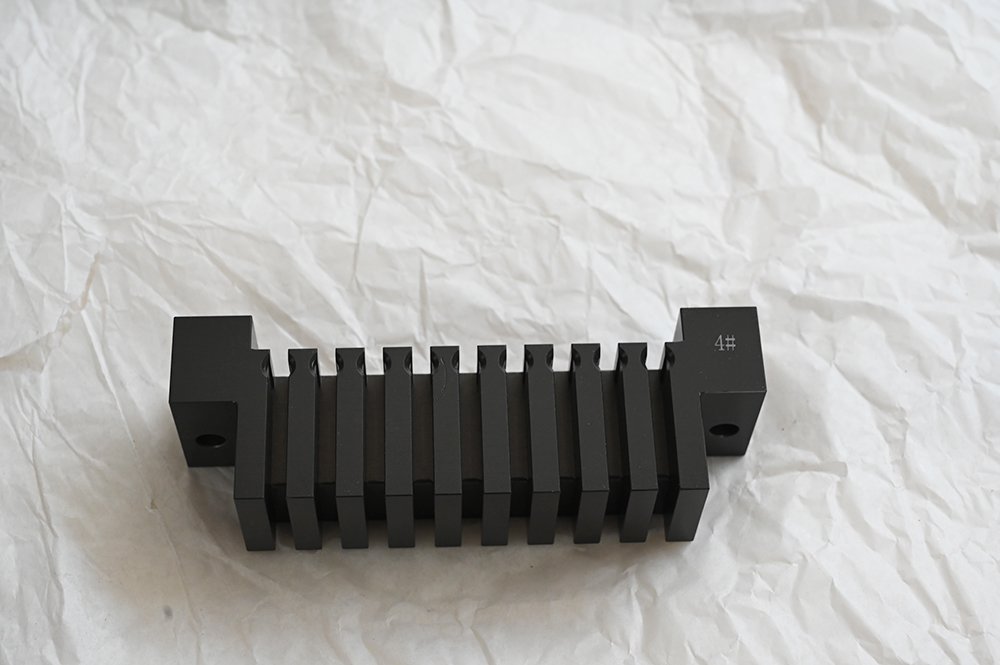
The orienting block is a key change‑over part for automatic capsule filling machines. Separate and align empty hard capsules, ensuring every capsule stands in the correct body‑cap orientation before feeding into filling stations.
12. Orienting Pusher
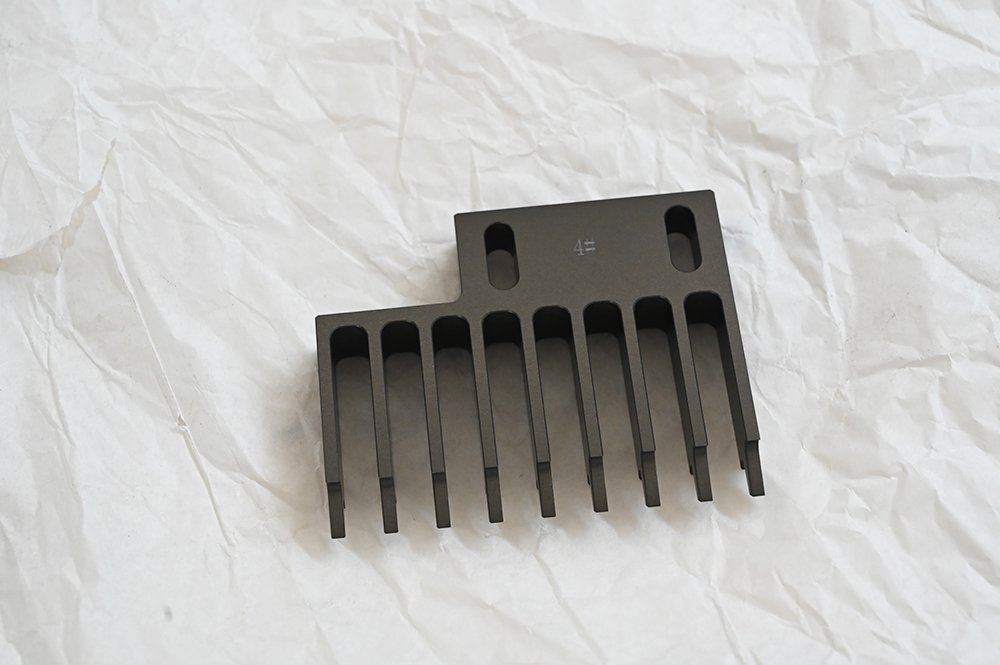
The orienting pusher is an important change‑over change part for NJP capsule filling machines. It transfers well‑oriented capsules from the orienting block into the die plate. Proper pusher precision avoids capsule damage, tilting, and missing‑capsule faults. Applied for capsule sizes 000-5.
Keep Your Line Running at the Speed It’s Built For
An automatic capsule-filling machine doesn’t leave you room for downtime. Every hour a worn tamping pin or missing dosing disc sits unreplaced is an hour of high-speed output lost, along with whatever batch was running.
Finetech’s automatic capsule filling machines are built with this in mind. Every machine is shipped with the full set of change parts needed to switch capsule sizes, so you won’t have to hunt down a missing piece mid-run.
Contact our specialists today to see what you get when you buy our machines, along with a one-year warranty.
References:
Capsule Filling Machine Spare Parts.