...

Professional supplier of overall solutions for pharmaceutical manufacturing and packaging

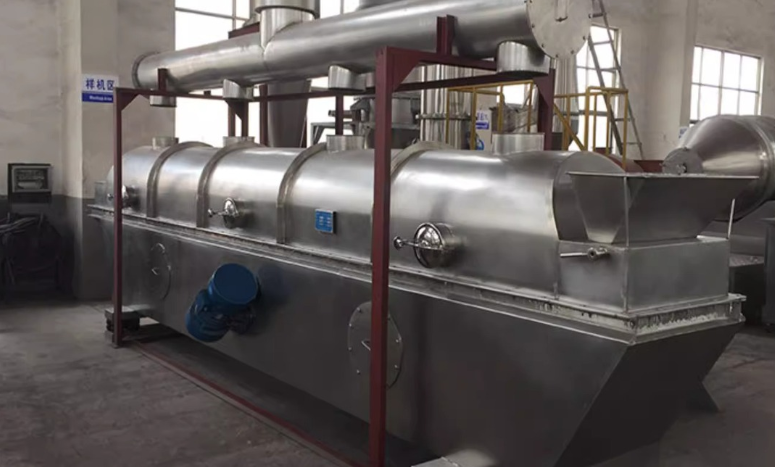
Continuous Fluidized Bed Dryer

10,000.00 USD

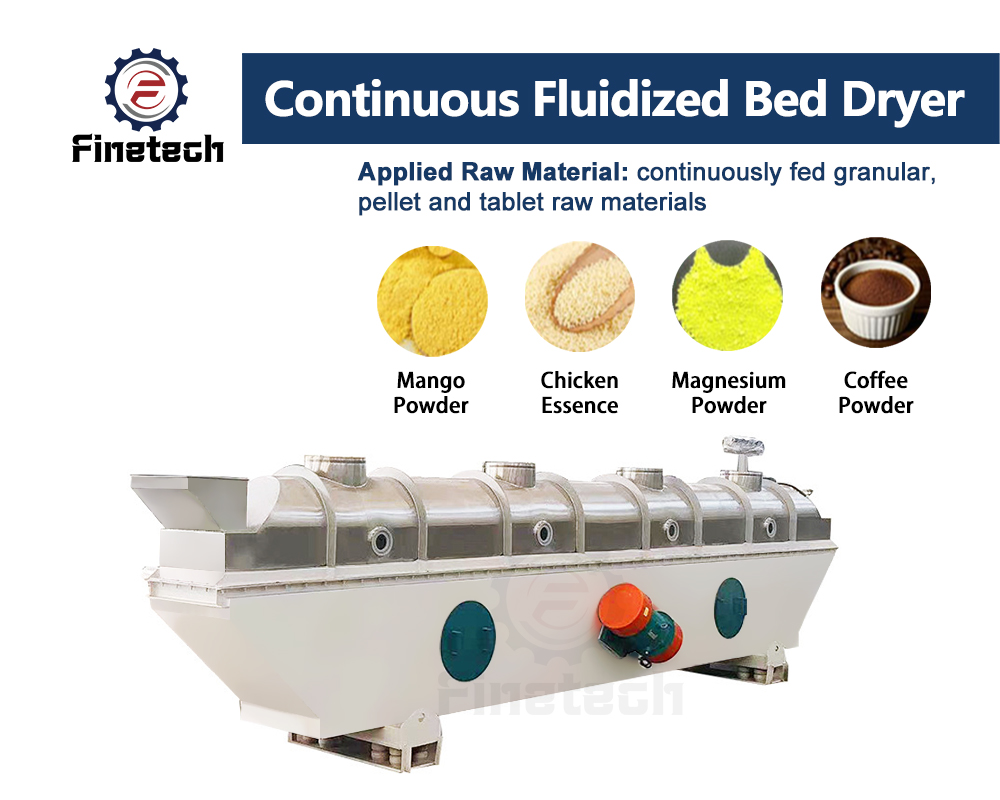
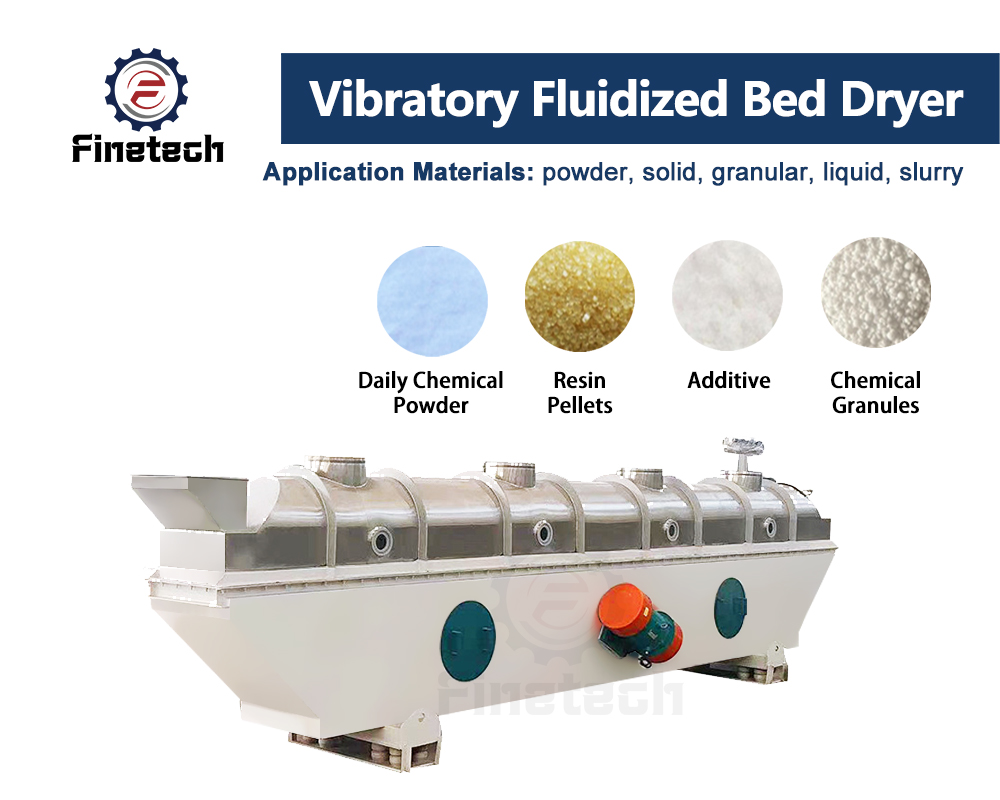
When production cannot afford pauses between batches, a Continuous Fluidized Bed Dryer becomes the practical solution. Rather than loading and loading material in cycles, this system keeps material moving steadily from inlet to outlet, drying it along the way without stopping the process.
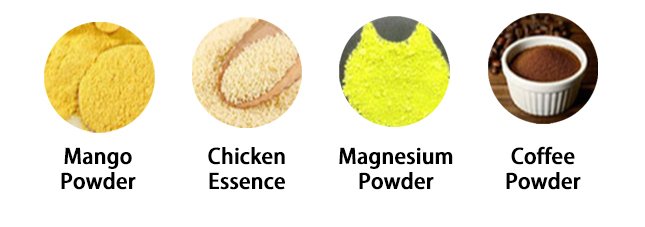
Applied Dryer Powders
Applied Dryer Powders.

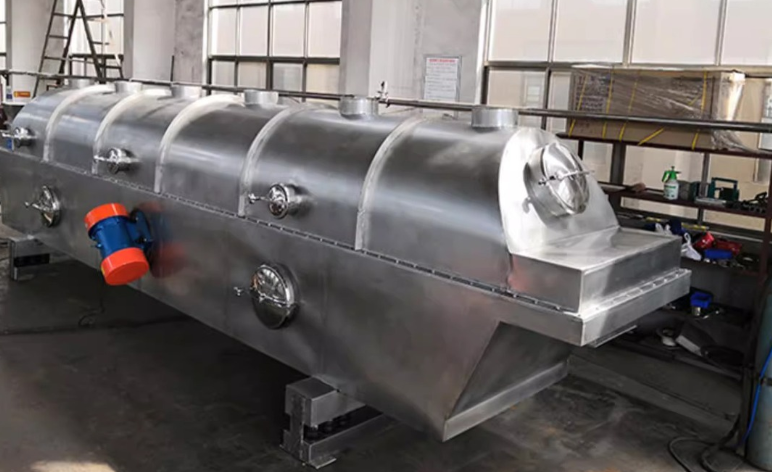
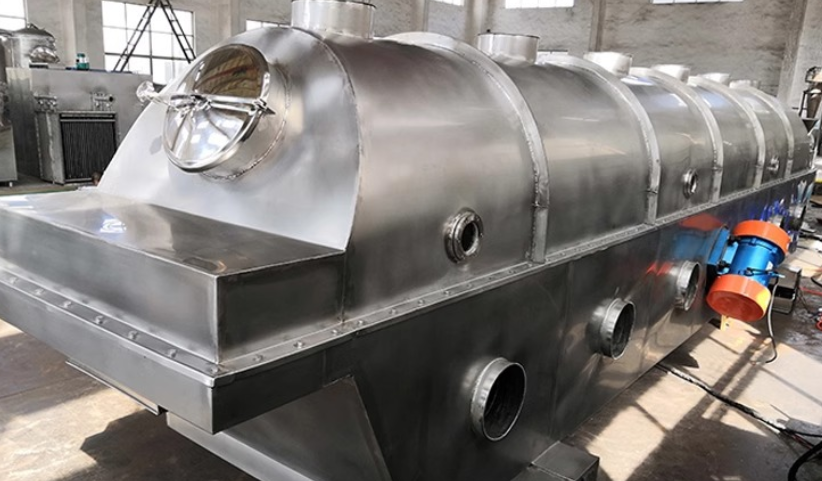
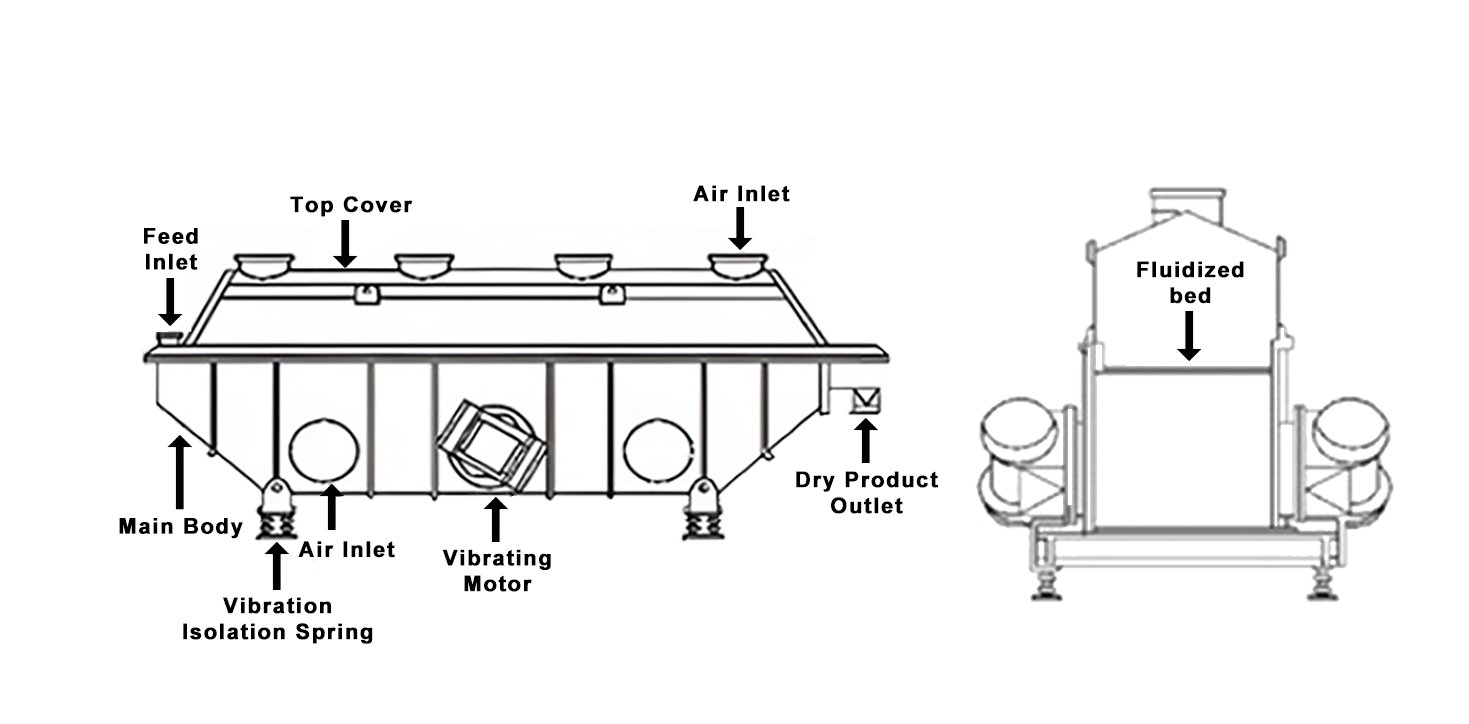
In this machine, air flows upward through the product bed, while vibration gently pushes the material forward. This combination removes moisture from the product while it travels through different zones inside the dryer.

Need a Custom Quote?

Or More information About this product? Contact our sales stuff today!

Key Features

Technical Data

Machine Details

FAQ

Application Product Types

Reviews No reviews yet

  • Steady Product Output: With capacities ranging from 50 to 700 kg/h, the system supports both moderate and high-volume processing. This helps maintain a consistent production rhythm.
    Continuous Fluidized Bed Dryer Diagram
    Continuous Fluidized Bed Dryer Diagram.
  • Better Handling of Granules: The system works well for materials that need gentle but consistent drying. Tablets and granules maintain their structure since movement is controlled rather than aggressive.
  • Less Manual Intervention: Once running, the machine requires minimal operator involvement. It helps reduce labor dependency and keeps the process more predictable.
  • Suitable for Long Production Runs: Continuous operation makes it ideal for facilities that run extended hours or multiple shifts, where stopping for batch processing would slow down output.
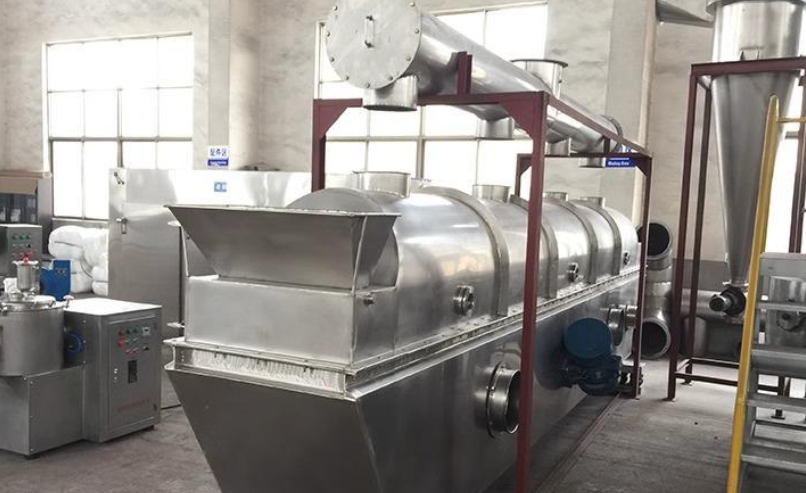
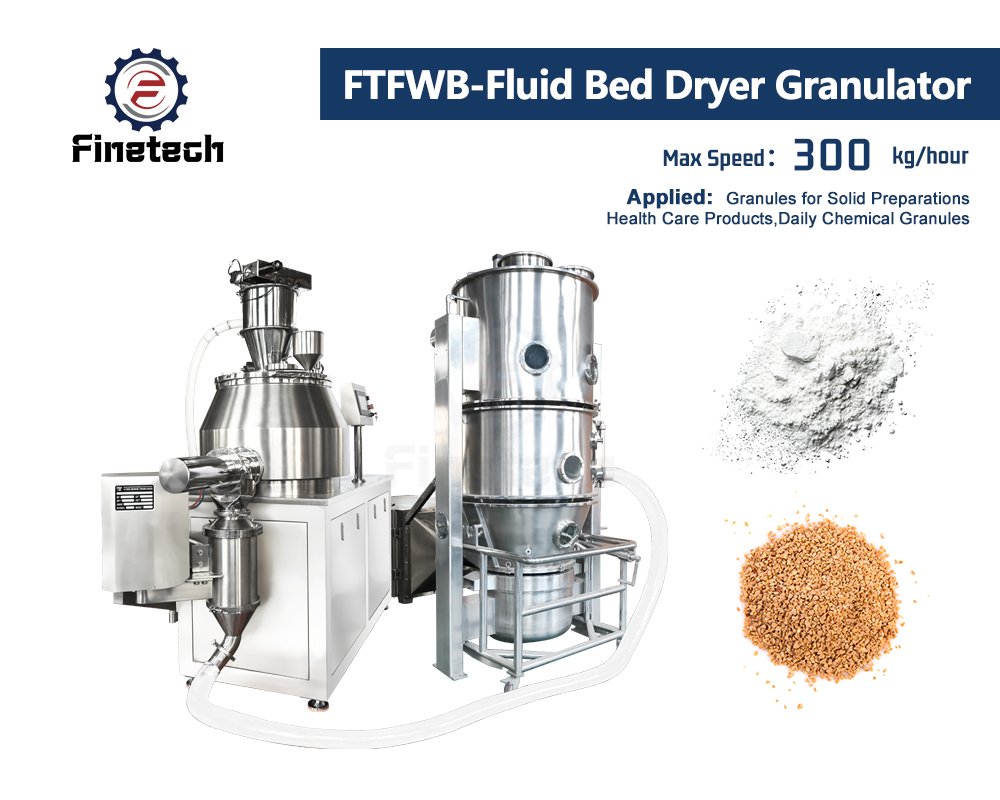
  • Easy Integration: Can be connected directly with upstream granulation or downstream packaging systems.
Item Technical Parameter
Model: ZLG Series (e.g., ZLG-0.3×6, ZLG-0.6×9, ZLG-1.2×12)
Bed Dimensions (W×L): 0.3–2.0 m (Width) × 3–15 m (Length)
Processing Capacity: 50 – 5,000 kg/h
Initial Moisture Content: 10% – 60% (wet basis)
Final Moisture Content: 0.1% – 5% (wet basis)
Inlet Air Temperature: 60 – 220 °C
Outlet Air Temperature: 40 – 90 °C
Air Volume: 1,000 – 20,000 m³/h
Bed Plate Type: Perforated plate / Sieve plate / Slotted plate
Bed Plate Material: SUS304 / SUS316L / Carbon steel
Vibration Type: Vibration motor driven (horizontal & vertical vibration)
Vibration Frequency: 50 Hz / 60 Hz
Vibration Amplitude: 2 – 6 mm
Vibration Motor Power: 0.75 – 7.5 kW
Fan Motor Power: 3 – 45 kW
Heating Method: Steam / Electric / Gas / Thermal oil
Total Installed Power: 5 – 80 kW
Working Pressure: Normal pressure (slight negative pressure)
Material of Main Body: SUS304 / SUS316L / Carbon steel
Sealing: Silicone / Fluorine rubber
Dust Removal: Cyclone separator + Bag filter
Control System: Manual / PLC automatic control
Ambient Temperature: -5 – 40 °C
Relative Humidity: ≤ 85% (non-condensing)
Noise Level: ≤ 75 dB(A)
Application Materials: Granular, crystalline, pellet, powder materials
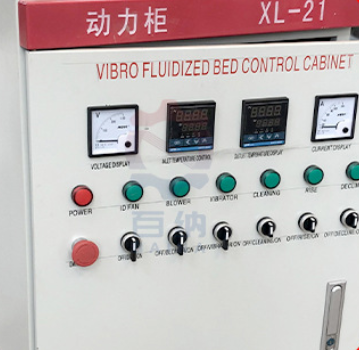
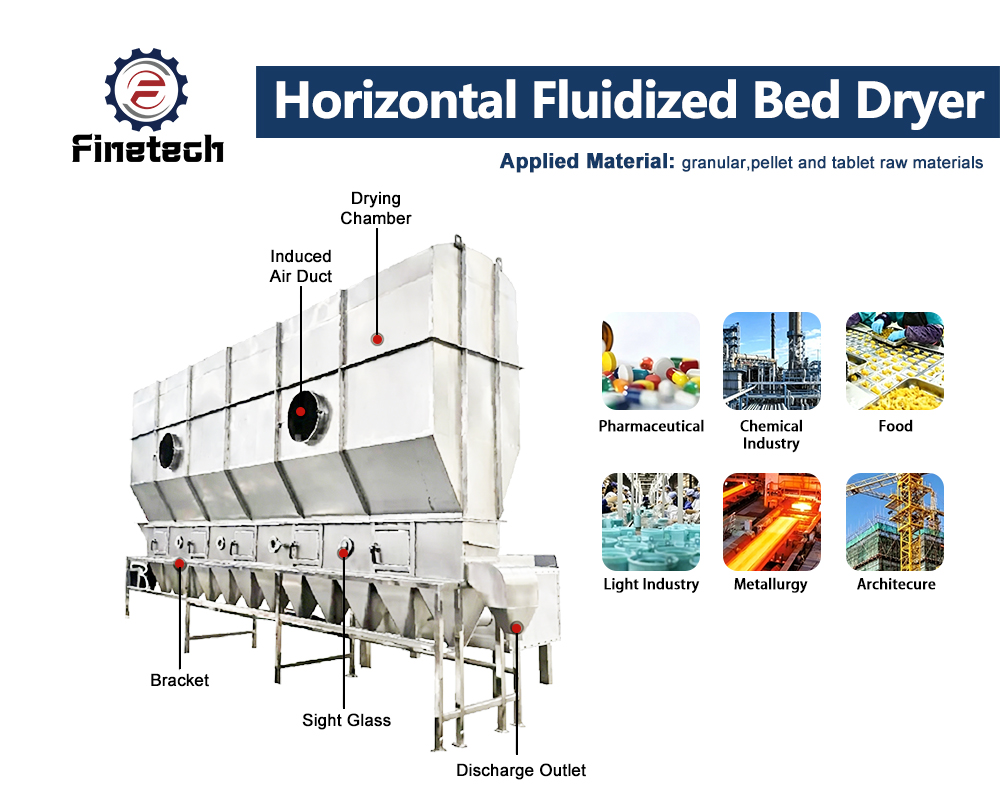
Control Panel
Control Panel
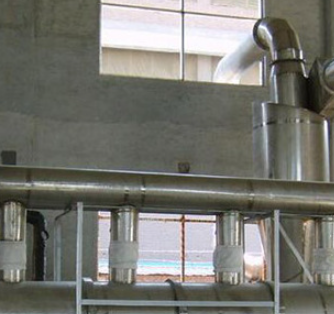
Air Outlet
Air Outlet
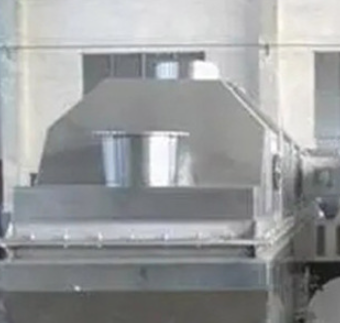
Feed Inlet
Feed Inlet
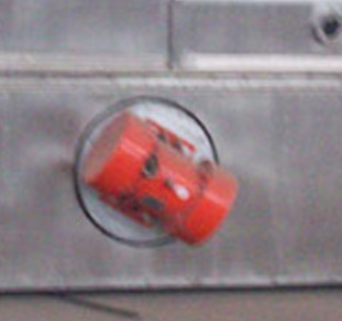
Vibration Motor
Vibration Motor
What materials can be dried in a continuous fluidized bed dryer?
  • Food: coffee, sugar, milk powder, salt, starch.

  • Chemical: polymers, pigments, detergents, fertilizers.

  • Pharmaceutical: granules, excipients, API intermediates.

  • Mineral: sand, clay, limestone powder.

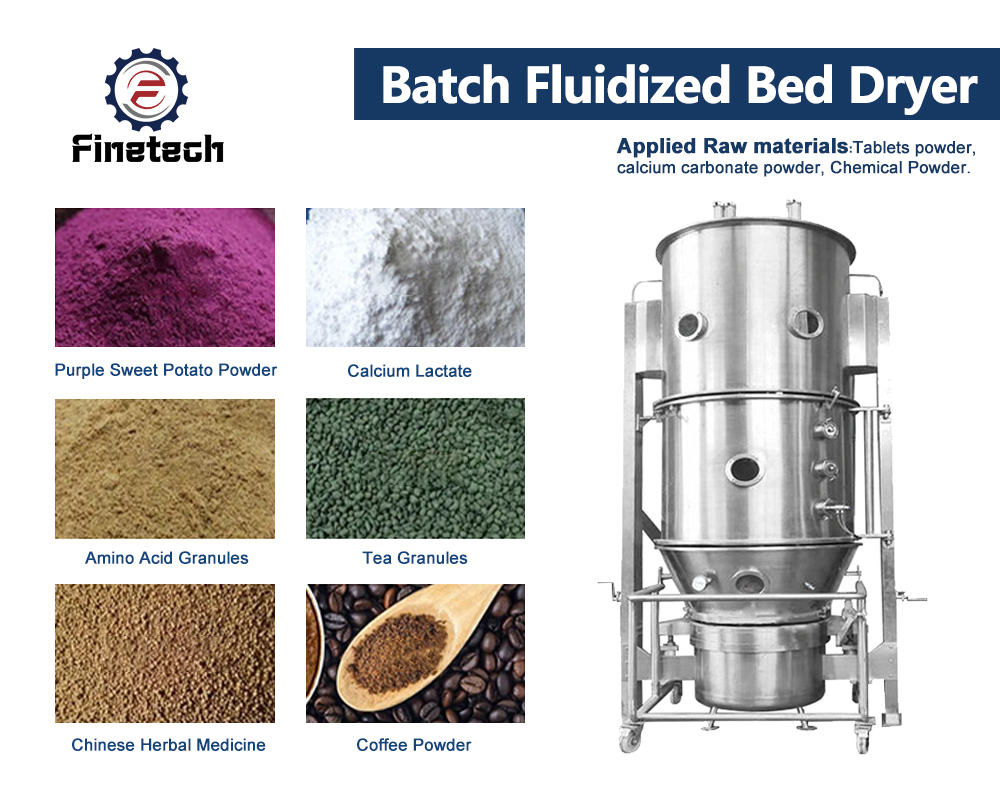
How does it differ from a batch fluidized bed dryer?
FeatureContinuousBatch
Operation24/7, steady-stateIntermittent
Feed/DischargeAutomatic, simultaneousManual or timed cycles
Output consistencyVery uniformGood but may vary between batches
Best forHigh volume, same product for long runsSmall batches, multiple product changes
Can it handle heat-sensitive materials?

Yes.

What’s the difference between static and vibrated continuous fluid bed dryers?
  • Static (stationary): Uses high air velocity to fluidize material; good for coarse or dense particles.

  • Vibrated: Uses vibration to assist fluidization; better for fine, sticky, or difficult-to-fluidize materials; allows lower air velocity and energy savings.

What industries commonly use continuous fluidized bed dryers?
  • Food processing.

  • Pharmaceuticals.

  • Chemicals and petrochemicals.

  • Fertilizers and agrochemicals.

  • Detergents and cleaning products.

  • Minerals and ceramics.

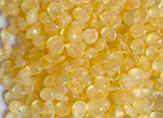
Resin particles
Additive
API Material
API Material
Chemical Particles
Chemical Particles
Chemical Powder
Chemical Powder

Customer Reviews

0.0
0 Reviews
5 ★
0
4 ★
0
3 ★
0
2 ★
0
1 ★
0

No reviews yet. Be the first to review this product!

Write a Review

Related Products

Scroll to Top