 English
  Russian
  Turkish
  Spanish
  French
  German
  Japanese
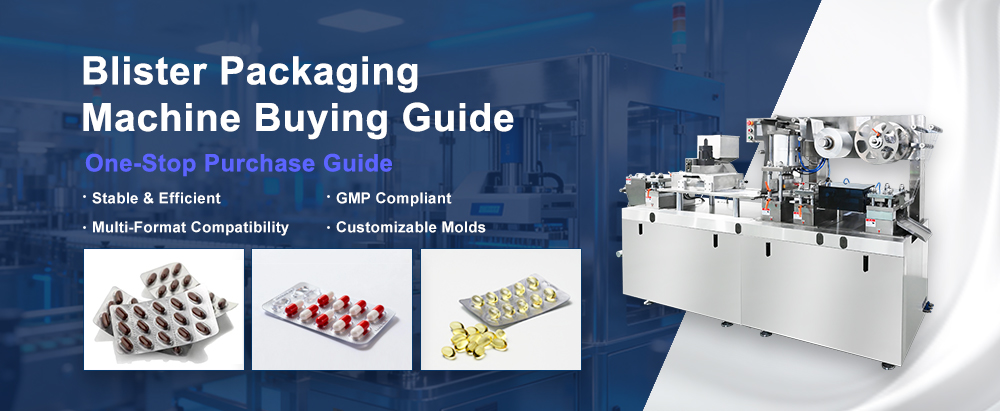
Blister Packaging Machine Buying Guide for Pharmaceuticals and Food Grade
If you’re researching how to buy a blister machine, you’re already past the basics. What you need now is clarity
 Skip to content




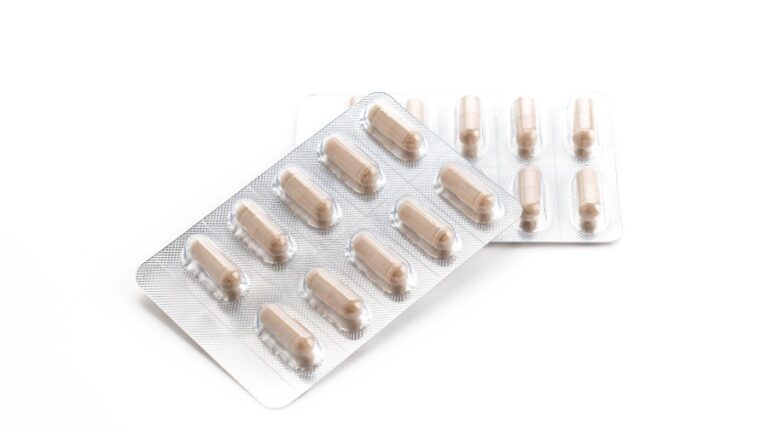
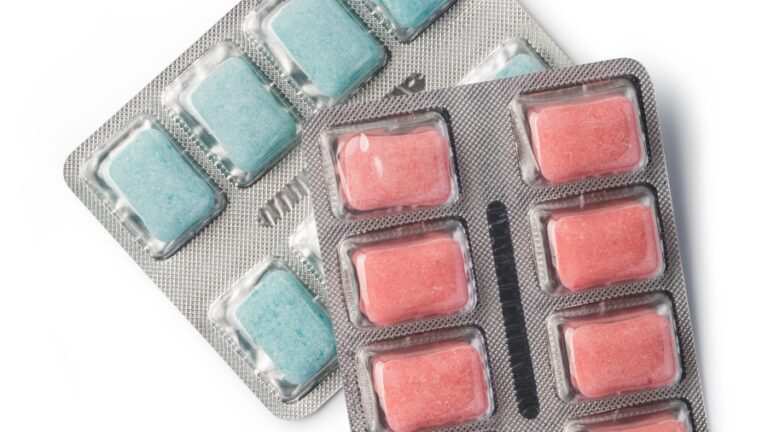
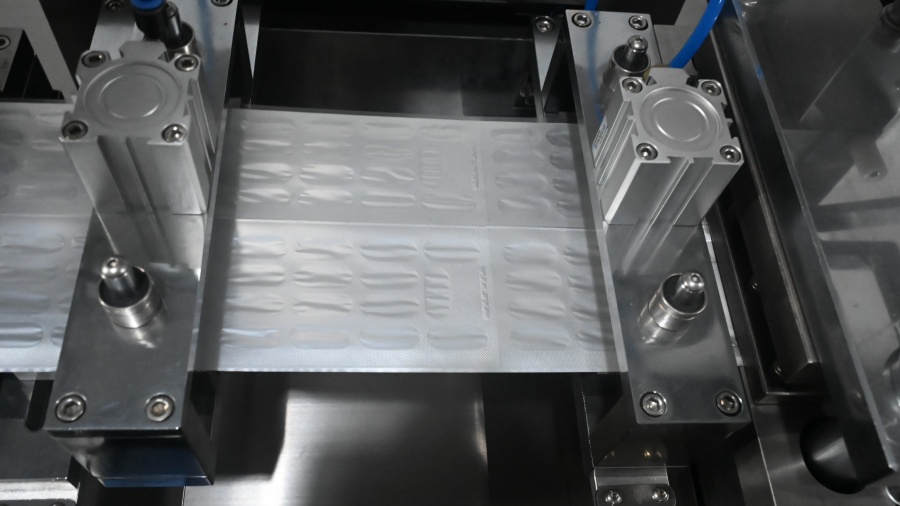
Offers a massive 99.5% filing accuracy, ensuring minimum product wastage and inconsistency.
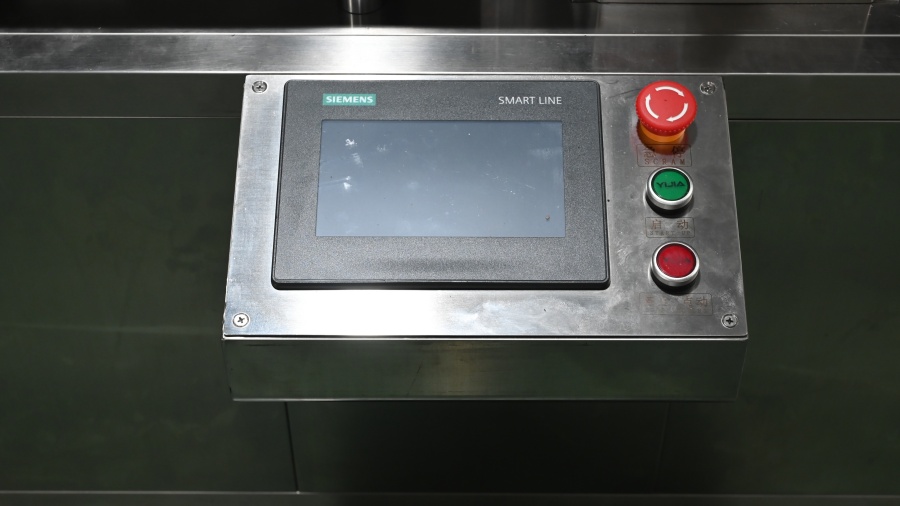
PLC control system to adjust the frequency, and easy management and maintenance of the machine.

Reduces heat loss, ensuring you enjoy low operational costs and minimize environmental impact.
If you’re researching how to buy a blister machine, you’re already past the basics. What you need now is clarity
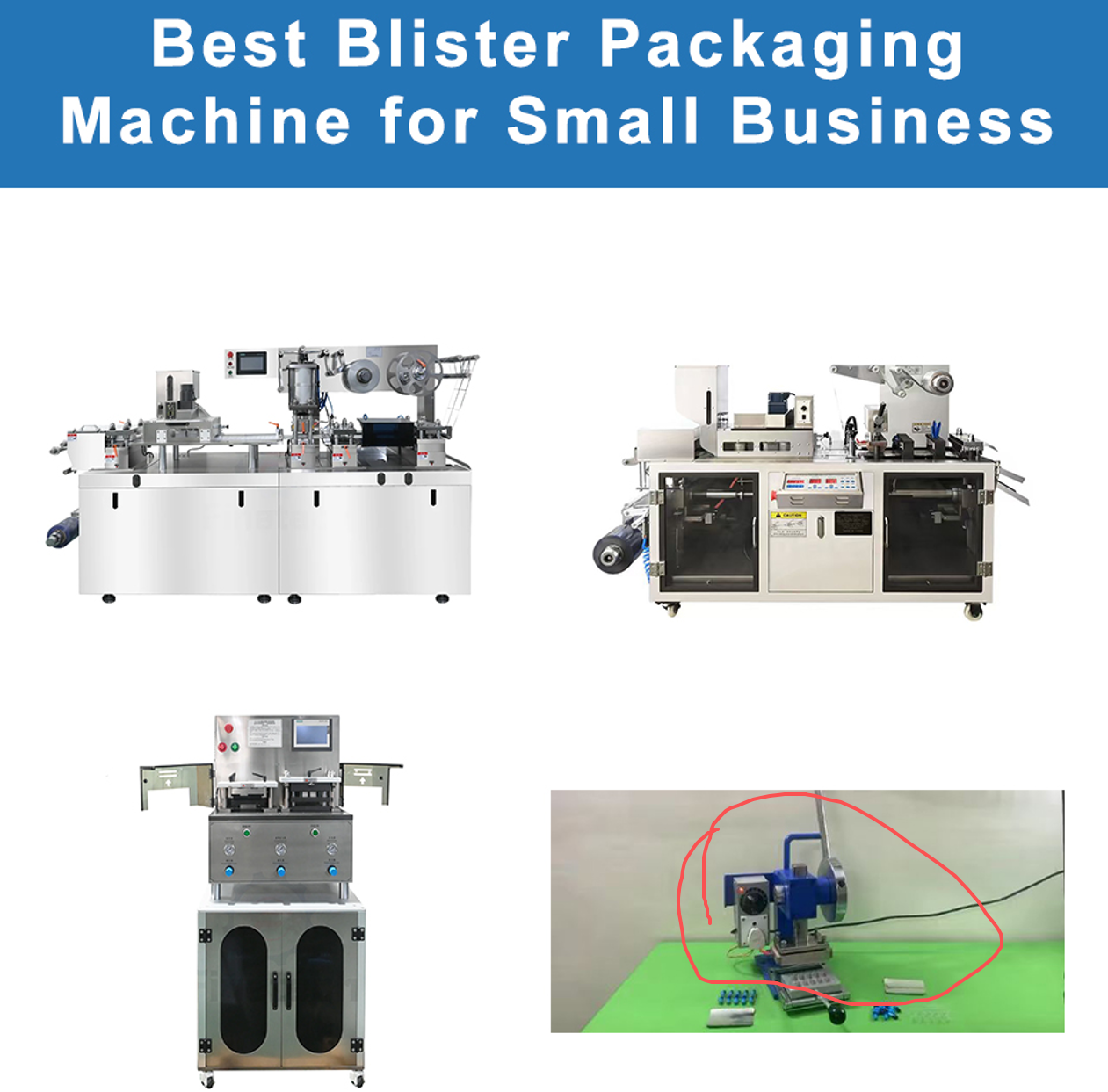
Finding the ‘best’ blister packaging machine for a small business isn’t easy. Options range from small manual machines to semi-automatic
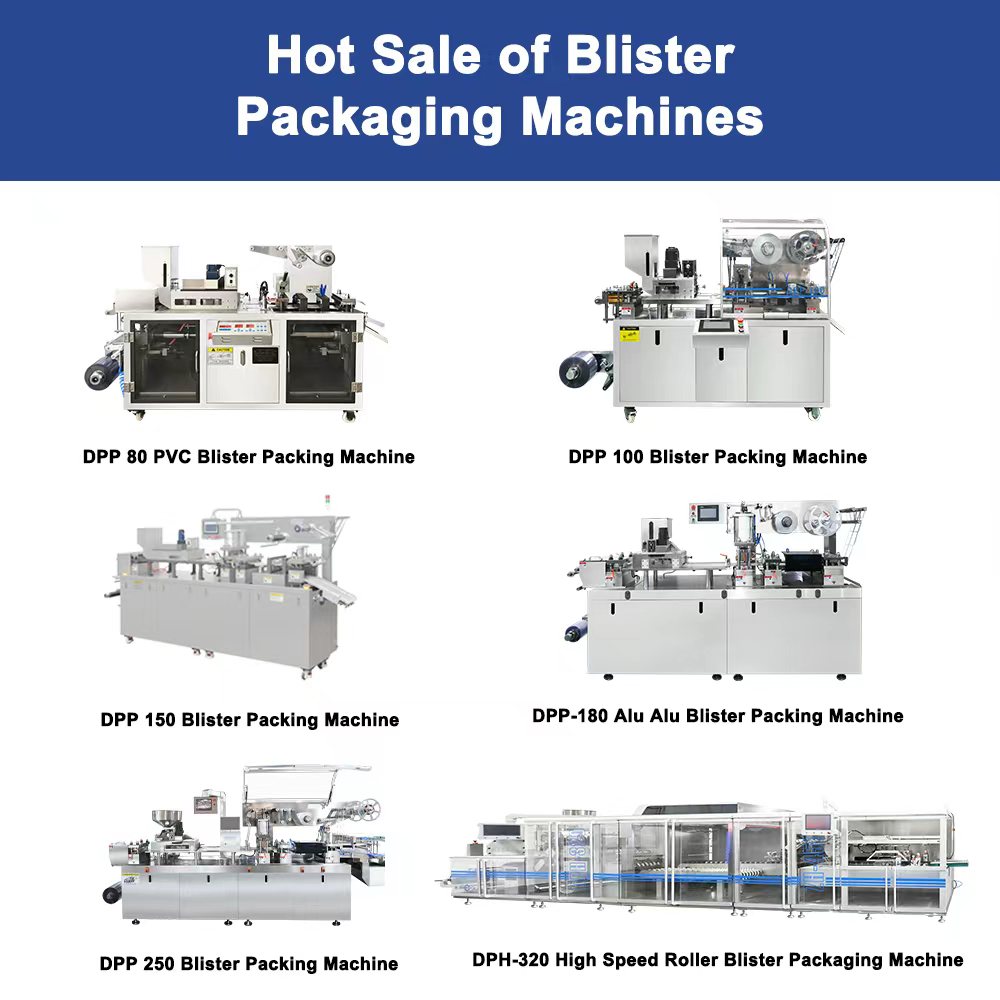
In 2026, manufacturers are looking for blister machines that offer stable sealing, material flexibility, fast changeovers, and reliable output. The
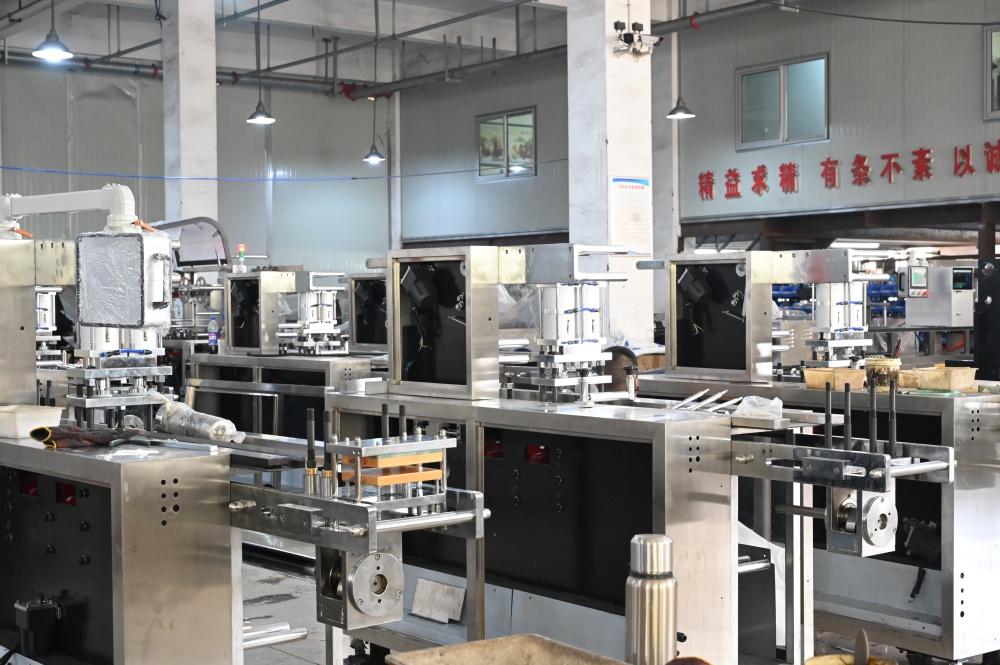
Blister packaging is designed to protect your product, and in most cases, it does. However, small defects can have the
Our team will help you choose the right tablet blister packaging machine model by looking at your output needs, product dimensions, and materials.
Yes, modern blister packing machines can handle various materials, including PVC, PTP, and Dialysis Paper.
Yes, our machines can be integrated with a printer or batch code system, so you can print information such as batch numbers and expiry dates.
To service blister packaging machines, you should do a routine checkup almost daily and preventive maintenance every month or quarter.
yes!
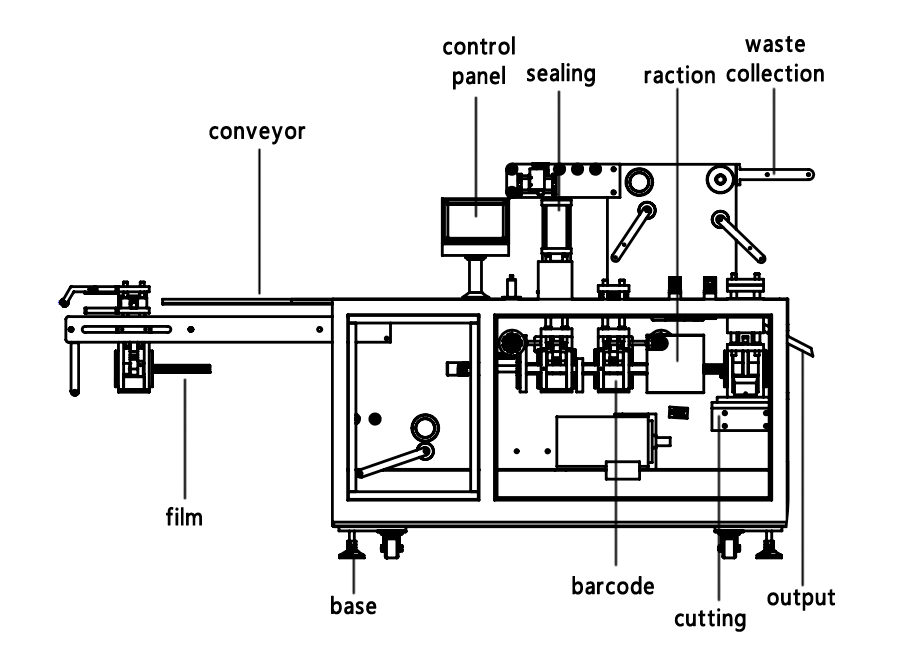
Product Types & Sizes: Tablets, capsules, softgels, ampoules?
Output Speed (Packs/Minute): Ranges from ~80 to over 600 blisters/min.
Film & Foil Specifications: Web width, material types.
Changeover Time: How quickly can you switch between different products?
Regulatory Compliance: Must be designed for cGMP, easy to clean (no-tool changeovers), and allow for data integrity (21 CFR Part 11 optional).
Machine Footprint & Utilities: Required space, compressed air, power.
Forming Films: PVC (common, low cost), PVC/PVDC (improved barrier), Aclar (excellent moisture barrier), PP/Polypropylene (for cold-form alternative or child-resistant packs), ALU/Polyamide (cold form).
Lidding Foils: Hard temper aluminum foil (typically 20-25µm) coated with heat-seal lacquer. Can be printed. For child-resistant (CR) or senior-friendly (SF) packs, paper-foil laminates are used.
Yes, but it requires adjustments and often different die sets. The machine must have precise, controllable heating zones for films and sealing temperature for foils. Switching between very different materials (e.g., PVC to Aclar) may require a change in the forming die design and process parameters.
Design: Machine should have a smooth, cleanable surface (stainless steel preferred), enclosed safety guards, and protected electrical panels.
Documentation: Must have a detailed User Requirement Specification (URS), Installation Qualification (IQ), Operational Qualification (OQ), and Performance Qualification (PQ) protocols.
Features: Easy access for cleaning, material traceability (lot number recording), and preferably the capability to integrate with audit trails.
Feed System: Incorrect adjustment of the feed/scraper box height or vibration settings.
Forming Area: Tablets falling into gaps before the web is fully formed or after the web index.
Forming Depth: Cavities may be too shallow for the product.
Quick blister formation according to the size of the products.
Push-Stepping Mechanism