Russian
  English
  Turkish
  Spanish
  French
  German
  Japanese
Не все таблетки и капсулы действуют одинаково после приема. Некоторые из них быстро высвобождают действующее вещество, а другие рассчитаны на его медленное высвобождение в течение определенного времени. Важно то, насколько эффективно оно усваивается организмом.
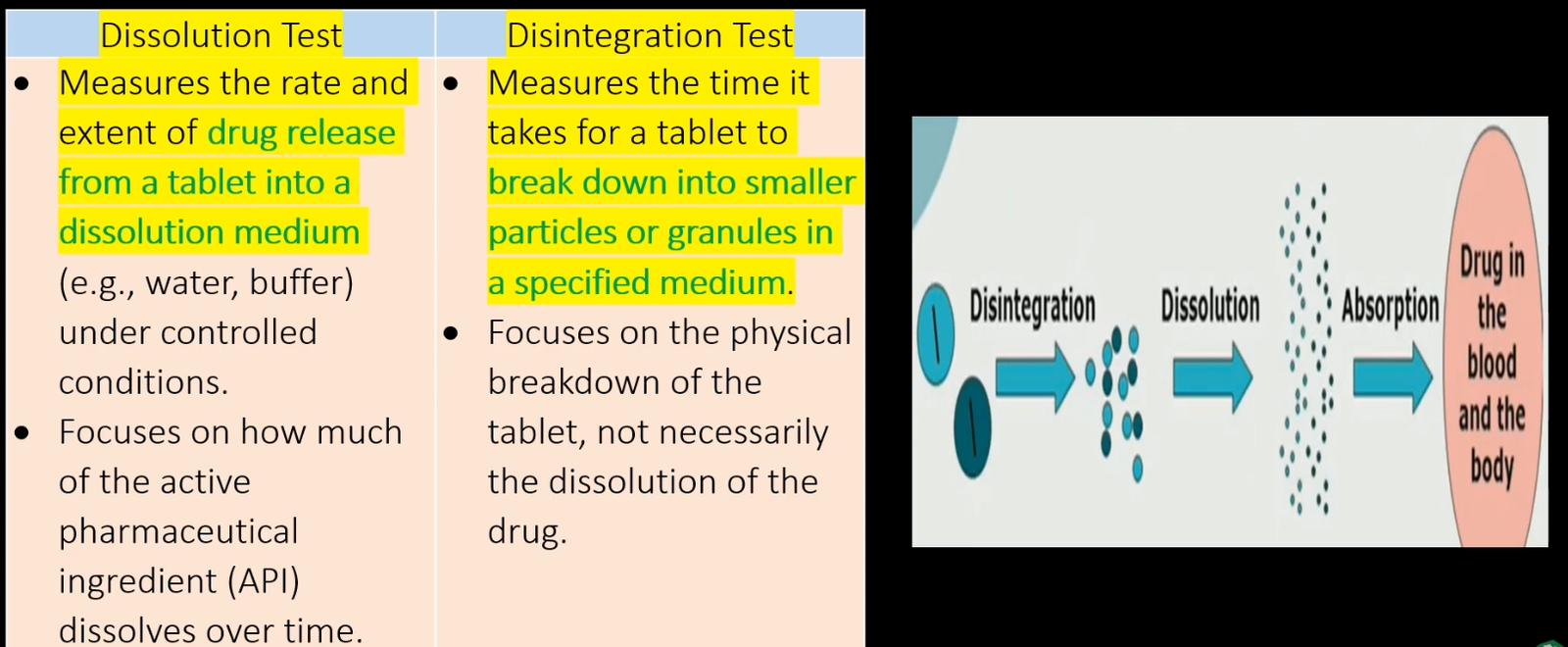
Именно для определения этого и предназначен тест на растворимость таблеток и капсул. Этот тест играет ключевую роль в фармацевтическом производстве.
Ниже мы расскажем, что такое испытание на растворимость таблеток, как оно проводится и почему оно важно для соблюдения нормативных требований. В данном руководстве также освещаются типичные сложности, с которыми сталкиваются производители при проведении испытаний, и способы их преодоления.
Что такое испытание на растворимость таблеток и капсул?
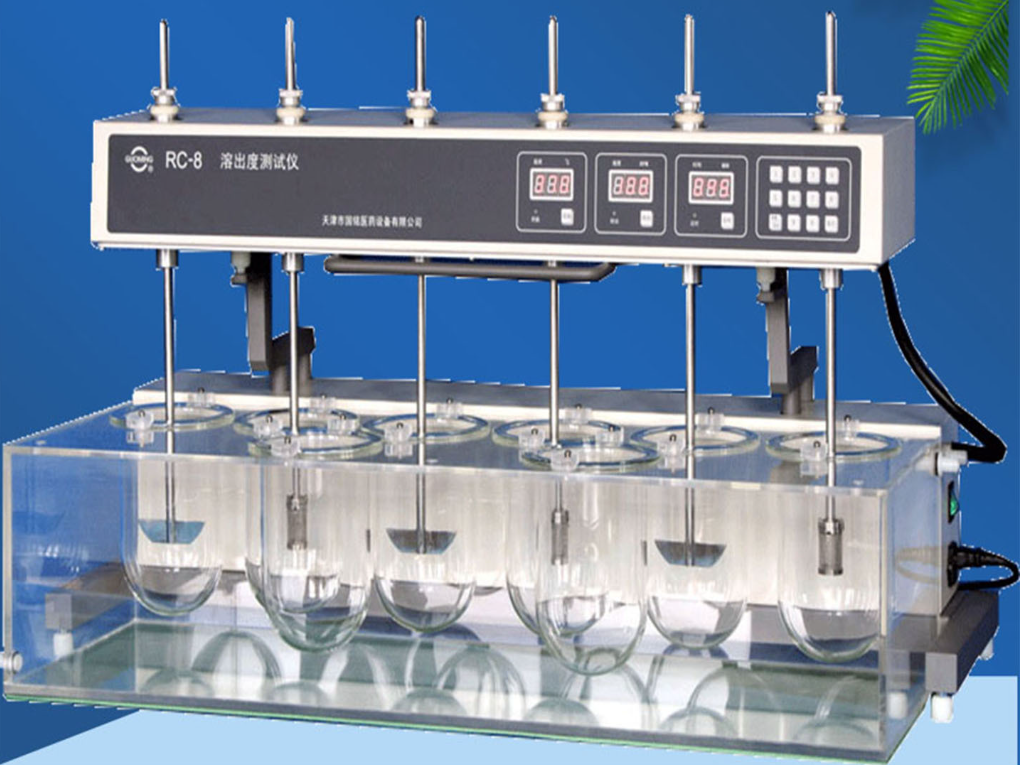
Испытание на растворимость таблеток и капсул определяется как процесс измерения скорости и степени, с которой активный фармацевтический ингредиент (АФИ) растворяется из таблетки или капсулы, образуя раствор.
Это лабораторная процедура, используемая для определения скорости и объема высвобождения лекарственного препарата из его лекарственная форма в жидкую среду. Этот тест проводится в контролируемых условиях, имитирующих среду пищеварительного тракта человека.
Это является ключевым элементом контроля качества фармацевтической продукции и предписывается регулирующими органами, такими как Управление по контролю за продуктами и лекарствами США (FDA), а также фармакопеями, например, Фармакопея Соединенных Штатов.
Как работает испытание на распадение таблеток и капсул
Ниже приводится пошаговое руководство по проведению испытания на распад таблеток и капсул.
Шаг 1: Подготовка растворительной среды
Процесс начинается с приготовления подходящей среды для растворения. Эта жидкость подбирается с учетом особенностей лекарственного препарата и призвана имитировать биологические жидкости организма. Это может быть очищенная вода, буферный раствор или имитатор желудочного сока.
Рабочую среду необходимо точно отмерить и довести до требуемого значения pH. В некоторых случаях также дегазированный для удаления пузырьков воздуха, которые могут повлиять на результаты испытания. Если среда подготовлена неправильно, результаты всего испытания становятся недостоверными.
Шаг 2: Установка и стабилизация температуры
После того как среда помещена в сосуды, система нагревается до 37 °C (±0,5 °C). Эта температура соответствует температуре человеческого тела и должна оставаться стабильной на протяжении всего теста.
Перед запуском необходимо предоставить системе достаточно времени для достижения этой температуры и стабилизации показателей. Проведение испытания слишком рано, до стабилизации, может привести к неточным результатам по высвобождению лекарственного средства.
Шаг 3: Настройка прибора и режима вращения
На следующем этапе необходимо настроить аппарат для растворения, как правило, лопастной или корзиночный. Затем можно отрегулировать скорость вращения в соответствии с методом испытания.
Движение, создаваемое устройством, обеспечивает контролируемое обтекание таблетки или капсулы рабочей средой. Это имитирует естественное движение жидкости в организме. Любой дисбаланс, вибрация или неправильная скорость могут повлиять на процесс растворения препарата.
Шаг 4: Введите таблетку или капсулу
The таблетка или капсула затем помещается в сосуд. Это следует делать осторожно, чтобы не повредить и не изменить форму препарата.
Как только лекарственная форма вводится в систему, запускается таймер. С этого момента препарат начинает растворяться, и тест считается активным.
Шаг 5: Обеспечение контролируемых условий испытаний
В ходе испытания все условия должны оставаться стабильными. Температура, скорость вращения и условия окружающей среды не должны изменяться. Например:
- Температура должна оставаться на уровне 37 °C.
- Скорость вращения должна оставаться постоянной.
- Следует избегать внешних возмущений.
Шаг 6: Отбор проб через определённые промежутки времени
Пробы из сосуда отбираются в заранее определённые моменты времени. Это делается осторожно, чтобы не нарушить работу системы. Каждая проба отражает количество растворившегося препарата именно в этот момент времени.
Место отбора проб, время отбора и порядок действий должны оставаться неизменными на протяжении всего испытания. Любые отклонения могут привести к получению недостоверных данных.
Шаг 7: Проанализируйте образцы
Затем отобранные пробы анализируются с помощью лабораторного оборудования, такого как УФ-спектрофотометры или системы ВЭЖХ. На этом этапе определяется концентрация препарата в каждой пробе.
Затем результаты пересчитываются в процент растворенного вещества, что служит основой для оценки.
Шаг 8: Получение и анализ результатов
На этом этапе данные наносятся на график для построения профиля растворения. Это позволяет проследить, как происходит высвобождение лекарственного средства с течением времени.
В заключение результаты сравниваются с заранее установленными критериями приемки. Если продукт соответствует этим критериям, он проходит тестирование. Однако в противном случае он не проходит тестирование и не может быть выпущен без дополнительного расследования.
Типы аппаратов для растворения (методы USP)
Испытание на распадаемость таблеток и капсул проводится с использованием стандартизированного оборудования. Эти методы гарантируют, что результаты будут стабильными, сопоставимыми и приемлемыми для целей регулирования.
К ним относятся:
1. Устройство 1 (метод с корзиной)
При этом методе таблетку или капсулу помещают в небольшую корзинку из проволочной сетки, которая вращается в растворяющей среде. Корзинка удерживает лекарственную форму на месте, позволяя при этом жидкости проходить сквозь неё.
Вращение создает контролируемые условия, при которых лекарственное вещество постепенно растворяется в среде. Этот метод особенно полезен для капсулы которые могут всплывать, а также лекарственные формы, которые должны оставаться в закрытом состоянии во время испытаний.
2. Устройство 2 (метод с лопаточкой)
Метод с лопастным перемешивателем является наиболее широко используемым подходом. В этой установке таблетка или капсула размещается непосредственно на дне сосуда, а вращающаяся лопасть перемешивает среду над ней.
При вращении лопатки создается характерный поток, который способствует равномерному растворению лекарственного вещества в жидкости. Этот метод широко применяется при производстве таблеток с немедленным высвобождением и стандартных капсульных форм.
Распространенные проблемы при испытаниях на растворимость
Даже если метод прошел валидацию, испытания на растворение могут дать недостоверные результаты, если упустить мелкие детали. Большинство проблем возникает из-за ошибок при настройке, ненадлежащего контроля условий или ненадлежащего технического обслуживания оборудования.
Эти проблемы заключаются в следующем.
1. Непоследовательные результаты
Одной из наиболее распространенных проблем является разброс результатов между сериями испытаний или между сосудами в рамках одного и того же испытания. Обычно это свидетельствует о том, что условия испытаний не контролируются в полной мере.
Несоответствия могут быть вызваны различиями в размещении проб, времени отбора проб или незначительными колебаниями температуры и скорости вращения. Даже незначительные отклонения могут повлиять на скорость растворения препарата.
Еще одной причиной является вариабельность самой лекарственной формы, особенно если производственный процесс не подвергается строгому контролю.
2. Проблемы с оборудованием
Оборудование для растворения должно работать с высокой точностью. В противном случае это скажется на результатах всего испытания. Проблемы чаще всего возникают из-за несоосности, износа деталей или отсутствия калибровки. К числу распространенных проблем, связанных с оборудованием, относятся:
- Неправильная скорость вращения из-за ошибок калибровки.
- Неправильное расположение лопастей или корзин.
- Сбой системы регулирования температуры.
- Вибрация или нестабильность в системе.
Эти факторы могут влиять на движение жидкости внутри сосуда, что напрямую сказывается на характеристиках растворения.
3. Ошибки в СМИ
Растворительная среда играет решающую роль в тесте. Если она подготовлена неправильно, результаты не будут отражать фактическую эффективность препарата.
Ошибки могут возникать в следующих случаях:
- Значение pH выходит за пределы указанного диапазона.
- Состав среды неверный.
- Пузырьки воздуха появились из-за неполного удаления газа.
- Температура не поддерживается на должном уровне.
Поскольку среда имитирует условия, существующие в организме, любая ошибка при её подготовке может привести к неточным выводам о поведении препарата.
Часто задаваемые вопросы
1. Как проводится испытание на растворимость таблеток?
Таблетку помещают в сосуд, содержащий заданный объем растворяющей среды при контролируемой температуре, обычно близкой к температуре тела. Лопатка или корзина вращаются с заданной скоростью, и пробы отбираются в установленные моменты времени. Пробу фильтруют, при необходимости разбавляют и анализируют с помощью УФ-спектрофотометрии, ВЭЖХ или другого валидированного метода.
2. Что означает буква «Q» в испытании на растворимость таблеток?
Q — это заданное количество активного ингредиента, которое должно раствориться в определенный момент времени. Это значение не всегда равно 100%; оно устанавливается с учетом характеристик продукта, особенностей высвобождения лекарственного вещества, требований нормативных органов и валидированного метода. В рамках рутинного контроля качества показатель Q помогает определить, соответствует ли партия спецификации по растворимости.
3. Почему таблетки не проходят испытание на растворимость?
Таблетки могут не растворяться из-за чрезмерной твердости, плохого смачивания, чрезмерного прессования, высокого содержания связующего вещества, дефектов покрытия, изменения размера частиц АФИ или старения в ходе испытаний на стабильность. Проблемы, связанные с методом анализа, также могут приводить к ложным результатам, в том числе из-за неправильной частоты вращения, неверного значения pH, наличия пузырьков воздуха, некачественной фильтрации или проблем с выравниванием емкости. В ходе надлежащего расследования следует отделить несоответствие продукта от ошибок анализа или оборудования.
4. Почему пузырьки воздуха представляют проблему при испытаниях на растворимость?
Пузырьки воздуха могут прилипать к поверхности таблетки, капсулы, корзины, лопатки или емкости и нарушать гидродинамику. Они могут уменьшать контакт между лекарственной формой и средой или изменять характер перемешивания. Это может привести к получению нестабильных, заниженных или вводящих в заблуждение результатов растворения.
Создайте надёжную производственную среду, обеспечивающую точное тестирование
Испытание на растворимость таблеток и капсул позволяет непосредственно оценить, насколько эффективно ваш продукт будет работать в реальных условиях эксплуатации. Если этот процесс не контролируется, результатам нельзя доверять, а это ставит под угрозу как качество продукции, так и соответствие нормативным требованиям.
Однако это не единственный фактор, обеспечивающий соблюдение нормативных требований. Для поддержания соответствия стандартам GMP также необходимо иметь соответствующее оборудование, и компания Finetech готова предоставить его вам.
Мы предлагаем надежные фармацевтическое производственное и упаковочное оборудование, в том числе разливочные машины, таблеточные прессы и другое оборудование. Если вы хотите лучше контролировать характеристики продукции, следует начать с самого производства.
Свяжитесь с нашими специалистами сегодня Запишитесь на прием!
Ссылки:
Что такое твердая лекарственная форма? Простое руководство для всех.
Изучите различные типы таблеток: полное руководство.
Правда о желатине: ингредиенты, источники и применение.
Понимание капсул: полное руководство по фармацевтическим капсулам.
Уведомление об авторских правах:
Вы не имеете права воспроизводить, изменять, публиковать, показывать, передавать или каким-либо образом использовать любое содержимое данного сайта, а также использовать его для создания любой базы данных без предварительного письменного разрешения компании Finetech Group. Для получения разрешения на использование контента, пожалуйста, свяжитесь с: info@pharmamachinecn.com
Отказ от ответственности:
Информация, содержащаяся в данной статье, предназначена только для общего ознакомления. Компания не гарантирует точность, актуальность, своевременность или полноту любой информации, и компания не несет ответственности за ошибки или упущения в содержании данной статьи.