English
  Russian
  Turkish
  Spanish
  French
  German
  Japanese
In industries such as pharmaceuticals and chemicals, a product’s quality relies on a single critical factor: a perfect mix. A flawless blend isn’t just about combining ingredients; it’s a fundamental requirement for safety, consistency, and compliance.
Whether it’s the uniformity of medicinal pills or the consistency of your favorite spices, the precision and evenness required for these products are achieved by the bin blender
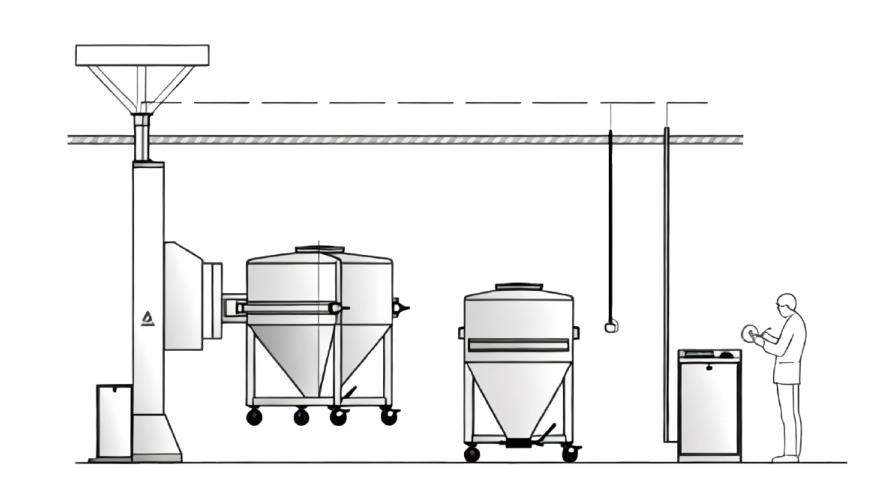
So, here is your ultimate guide to the bin blender. Let’s see how this sophisticated equipment goes beyond simple mixing to become an essential tool for product integrity and quality.
What is a Bin Blender?
A bin blender, often called an IBC (Intermediate bulk container), is a specialized piece of industrial equipment. It is commonly used for the precise mixing of dry powders and granules in sectors like the pharmaceutical, chemical, and food industries.
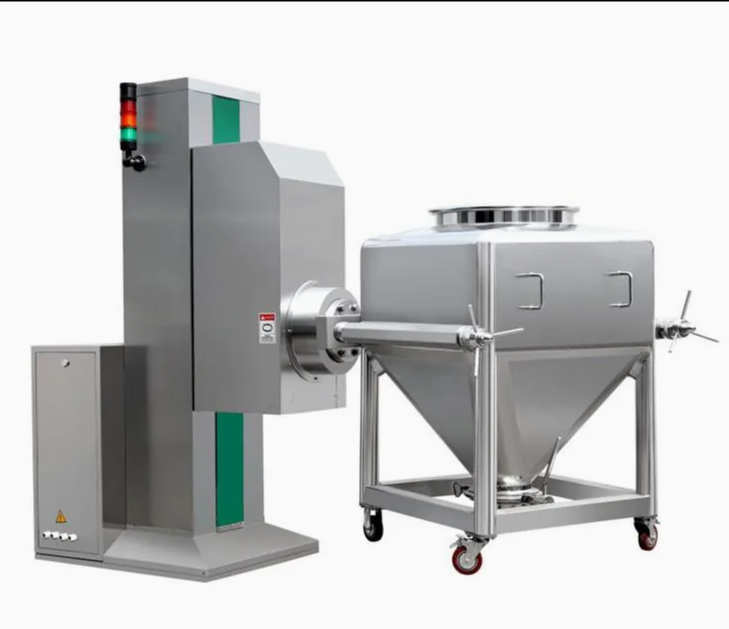
The machine’s core function is to securely hold a sealed bin, which contains the materials. It then rotates the bin to tumble the ingredients inside and create a uniform and consistent blend. This gentle, three-dimensional motion is ideal for delicately mixing granular, dry, or even pasty ingredients.
Bin Blender Types
Conta Bin Blender
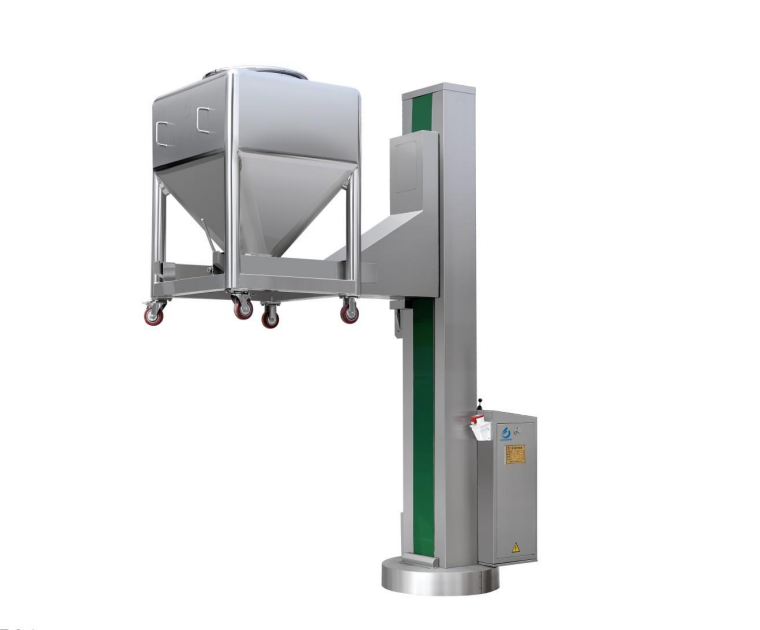
A Conta Bin Blender (also called Cage Blender / IBC Bin Blender) is a closed, dust‑free, tumble‑type industrial mixer widely used for dry powder and granule blending, especially in pharmaceutical, nutraceutical, food, and chemical industries.
IBC Bin Blender
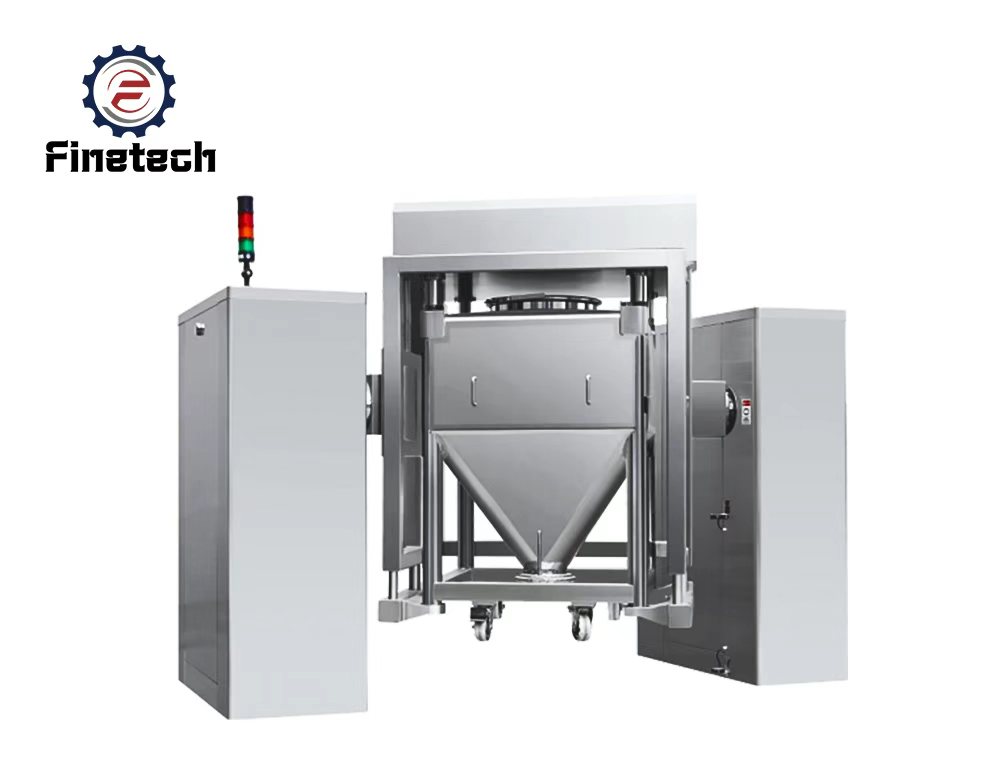
An IBC Bin Blender (also known as Conta Blender) is a stationary, tumble-type mixing machine designed for dry powder and granule blending in pharmaceutical, food, chemical, and cosmetic industries.
Difference Between Conta Blender and Bin Blender
| Aspect | Conta Blender | Bin Blender / IBC Bin Blender |
|---|---|---|
| Basic Definition | Brand-origin term, short for Containment Blender | Generic term for IBC bin-based tumble blender |
| Key Emphasis | High-containment, dust-free, closed processing | Interchangeable IBC bins as mixing vessel |
| Tablet Production Role | Ideal for potent APIs, high-containment tablets | General powder blending for standard tablets |
| Industry Focus | Pharma (cGMP, toxic/hormone products) | Pharma, food, chemicals, wide application |
| Working Principle | Bin tumbling (same as bin blender) | Bin tumbling (same as conta blender) |
| Usage in Practice | Often used interchangeably in pharma | Often used interchangeably in pharma |
Six Core Components and Parts of the Bin Blender
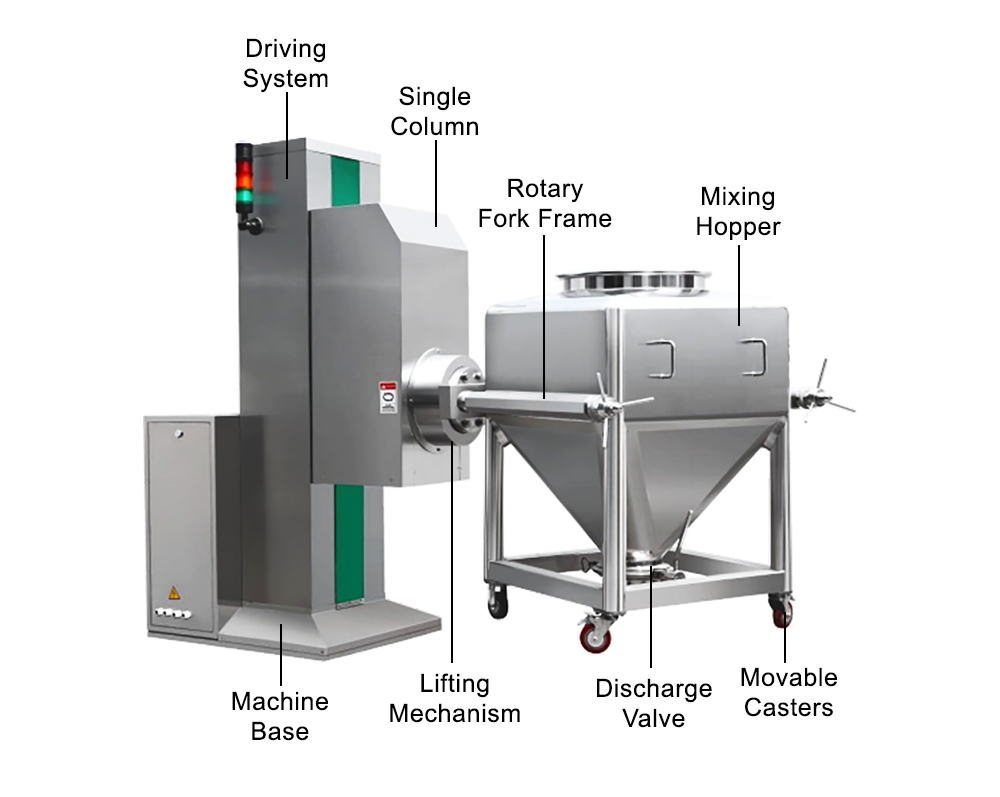
A bin blender relies on several automated components that work together to achieve a harmonious and precise blending process. Below are some of the key components that enable this operation.
1. Inlet
The inlet, or loading port, is the opening at the top of the bin blender. The sole function of the inlet is to allow for the transfer of raw materials, powders, and granules into the bin. It is designed to ensure a dust-free and clean loading process.
2. The Bin
The bin is the central component of the blender, where the actual mixing takes place. It is constructed from stainless steel and comes in various shapes, like V-shape or double-cone, for uniform mixing. The bin also lifts to a specific height for the blending process and repositions for easy product discharge.
3. Arms and Clamping System
Arms and clamping systems are the mechanical parts that lift and securely hold the bin. The arms are part of the rotating frame, while the clamping system uses a strong mechanism to lock the bin in place. This system keeps the bin stable during the entire blending cycle and prevents it from shifting or falling.
4. Support Columns
Some pharmaceutical blenders feature two support columns that form the main frame of the machine. These columns provide crucial stability and help with balancing the unit during the lifting and rotation steps.
5. The Control System
It is usually a PLC (Programmable Logic Controller) with a touchscreen interface. This allows an operator to set and monitor key parameters such as rotation speed, blending time, or number of cycles. Modern control systems also include safety interlocks, data logging, and automatic positioning features.
6. Discharge Port
The discharge port is an opening located at the bottom of the bin. Once the blending cycle is complete, the blended material is emptied through this port. This port is typically equipped with a valve to control the flow of the product and ensure a smooth and clean transfer.
How Does a Bin Blender Work? (Step-by-Step Process)
Video Source: https://www.youtube.com/watch?v=pR-PLp8CYOI
A bin blender, as a type of powder mixing machine, operates on a straightforward yet highly effective principle. The entire process is designed to be contained, streamlined, and precise. Here’s a step-by-step look at how a pharmaceutical bin blender works:
1. Loading
An operator loads Active Pharmaceutical Ingredients (APIs) and excipients into a sterile bin or IBC. They will precisely weigh the ingredients and make sure the mixture is free of dust and any impurities.
2. Securing
The filled bin is then rolled into the blender’s frame. The machine’s arm and clamping system lift and securely lock the bin into position. This is a critical safety step that keeps the bin blender stable throughout the cycle.
3. Tumbling
The machine’s drive system begins to rotate the bin. The specific shape of the bin, such as a V-shape or double-cone, causes the materials inside to tumble and move in a three-dimensional motion.
4. Mixing
This tumbling action uses gravity to gently and consistently mix the powders until a perfect blend is achieved. The entire process is controlled by a PLC system, which ensures the correct speed and duration for a repeatable and precise result.
5. Unloading
Once the mixing cycle is complete, the machine stops and repositions the bin. The operator then opens the discharge port at the bottom of the bin, and the finished, blended powder is unloaded. The blended powder is fed to the next stage of manufacturing, such as forming different types of pills or a capsule-filling machine.
Key Features and Benefits of a Bin Blender
While a bin blender might seem like a simple mixer, its function is deeply connected to a product’s final quality and patient safety. Let’s examine some of the key features and benefits that make it so important in the pharmaceutical and other industries.
1. Contained and Dust-free Process
Research shows that prolonged exposure to pharmaceutical APIs can have adverse effects. Human contact with potent agents like steroids or antibiotics is particularly harmful. In a bin blender, blending occurs inside a sealed container and prevents powders from becoming airborne.
This contained, dust-free process protects the product from external contaminants and minimizes the risk of product loss. It also guarantees a safe working environment by shielding the operator from exposure to potentially harmful or airborne materials.
2. Interchangeable Bins
A significant advantage of bin blenders is the use of interchangeable bins. A single blending machine can accommodate multiple bins of various sizes and shapes, such as V-shaped, double-cone, or octagonal. This feature enables manufacturers to handle diverse batch sizes and different product recipes on the same equipment.
3. Three-Dimensional Mixing
Three-dimensional mixing is a gentle yet highly optimal mixing method. Unlike traditional mixers with blades, this equipment relies on a three-dimensional mixing process. As the entire bin rotates, materials inside flow and tumble over one another. This unique tumbling action uses gravity to achieve a perfectly uniform blend throughout the entire batch.
4. Eliminates Cross-Contamination
Good Manufacturing Practices (GMP) from the WHO stress the importance of preventing cross-contamination and mix-ups for patient safety. A bin blender supports this by blending each batch within its own dedicated bin. The process eliminates the need to transfer materials between different vessels and reduces the risk of one batch contaminating another.
Industrial Applications of a Bin Blender
Bin blenders have become indispensable in several key industries. Their design makes them ideal for environments that prioritize safety and precision. Let’s take a look at some major industrial applications of the bin blenders.
1. Pharmaceutical Industry
This is probably one of the biggest consumers of this equipment. Bin blenders are used to mix active pharmaceutical ingredients (APIs) with excipients to create a homogenous blend for tablets and capsules. The contained system prevents dust and cross-contamination. They are also used to blend granules and powders for various solid dosage forms.

2. Food and Beverage Industry
Bin blenders can create uniform mixes for food products, including spices, seasoning blends, powdered drinks, and nutritional supplements. Sealed containers are best for achieving the required food safety standards.

Their contained process protects the product’s flavor and aroma from environmental factors. The gentle mixing action is perfect for maintaining the integrity of delicate ingredients like freeze-dried fruits or herbs.
3. Chemical Manufacturing
This sector utilizes bin blenders to blend various chemicals, pigments, and fine powders. It facilitates the production of a wide range of products, including paints, coatings, plastics, and industrial polymers.
5 Factors to Consider When Purchasing a Bin Blender
Buying a bin blender is a long-term investment that impacts your throughput, quality, and compliance. To make the right choice, you need to evaluate both the technical and operational aspects of the equipment.
1. Production Goals
Every facility has unique throughput demands. A startup may begin with pilot-scale blending, whereas a pharmaceutical manufacturer may depend on large-capacity machines running across multiple shifts each day.
Oversizing leads to wasted resources and higher operating costs, but undersizing creates production bottlenecks and stifles growth. The blender’s batch volume must align with immediate needs and future expansion plans.
2. Consistency in Blend Quality
A bin blender is not just about moving powder around. It must achieve uniform distribution of active ingredients and excipients without leaving dead zones in the corners of the bin.
Consistency is especially critical in pharmaceuticals where dosage variation is unacceptable. Look for a blender that has been tested for uniformity across different powder densities.
3. Ease of Integration
The best bin blender works seamlessly with your current processes. Check whether the equipment can dock directly with your charging system or if it requires manual transfer. Compatibility with automated discharge lines and downstream granulation or compression steps helps reduce labor costs and prevent bottlenecks.
4. Operator Experience
Safety and ergonomics matter as much as output. Heavy bins can pose risks if docking systems are clumsy or unstable. A good blender should have automated clamping, simple touchscreen controls, and safety interlocks. Reducing operator effort not only lowers injury risk but also keeps productivity steady.
5. Cleaning and Cross-Contamination Risks
Regulators demand strict cleaning protocols, especially in facilities handling multiple products. Blenders with smooth welds, rounded corners, and electropolished finishes reduce residue buildup. Clean-in-Place systems save hours of manual scrubbing. Faster cleaning and changeovers lead to higher overall efficiency.
FAQs
1. What should be considered when selecting a bin blender?
When selecting a bin blender, consider the types of materials to be mixed, the required batch volume, and the production scale. It is also important to evaluate the level of automation and the ease of cleaning, especially if the process is subject to strict hygiene regulations.
2. How is a bin blender maintained and cleaned?
Maintenance involves routine checks of mechanical parts and motors to ensure reliability and longevity. For cleaning, the bins are the main focus, as they can be easily detached and cleaned offline. This allows for a fast changeover between different batches, which is a great advantage.
3. What are the key safety measures while using a bin blender?
Safety is a top priority. Operators must ensure the bin is correctly loaded and securely clamped before operation. They should never attempt to bypass any of the machine’s built-in safety interlocks, as these are designed to prevent accidents. It is also important to regularly check all safety features, like emergency stops, to make sure they are fully functional.
Customized Bin Blenders to Match Your Production Needs
Our ultimate guide to bin blenders highlights the crucial role of this equipment in different industries. Whether you’re a small startup or a large-scale manufacturer, precision in mixing and blending is the key to product consistency and safety.
This not only impacts the final quality but also ensures compliance with the highest safety standards. For a safe, efficient, and reliable blending process, always choose a trusted provider.
Finetech lets you choose from a wide range of powder mixing machines.We provide everything from cutting-edge pharmaceutical manufacturing solutions to customized designs tailored for your specific needs.
Contact Finetech today and let our experts help you find the perfect blending solution.
References:
Powder Compaction Process in Pharmaceutical Industry.
7 Types of Blender Used in the Pharmaceutical Industry.
What Is Ribbon Blender and How Does It Work?
What is V Cone Blender? A Complete Guide to Industrial Mixing Equipment.
Copyright Notice:
You may not reproduce, modify, publish, display, transmit, or in any way exploit any content on this website, or use such content to construct any kind of database without prior express written approval by Finetech Group. For permission to use the content, please contact: info@pharmamachinecn.com
Disclaimer:
The information contained in this article is for general information purposes only. The Company does not guarantee the accuracy, relevance timeliness or completeness of any information, and the Company assumes no responsibility for errors or omission in the content of this article.