German
  English
  Russian
  Turkish
  Spanish
  French
  Japanese
Der Weltmarkt für pharmazeutische Ausrüstungen hat einen Wert von etwa 25,39 Milliarden USD im Jahr 2025. Diese spezialisierten Werkzeuge sind die technologische Grundlage, die es den Herstellern ermöglicht, komplexe Arzneimittel zu entwickeln, zu analysieren und zu testen.
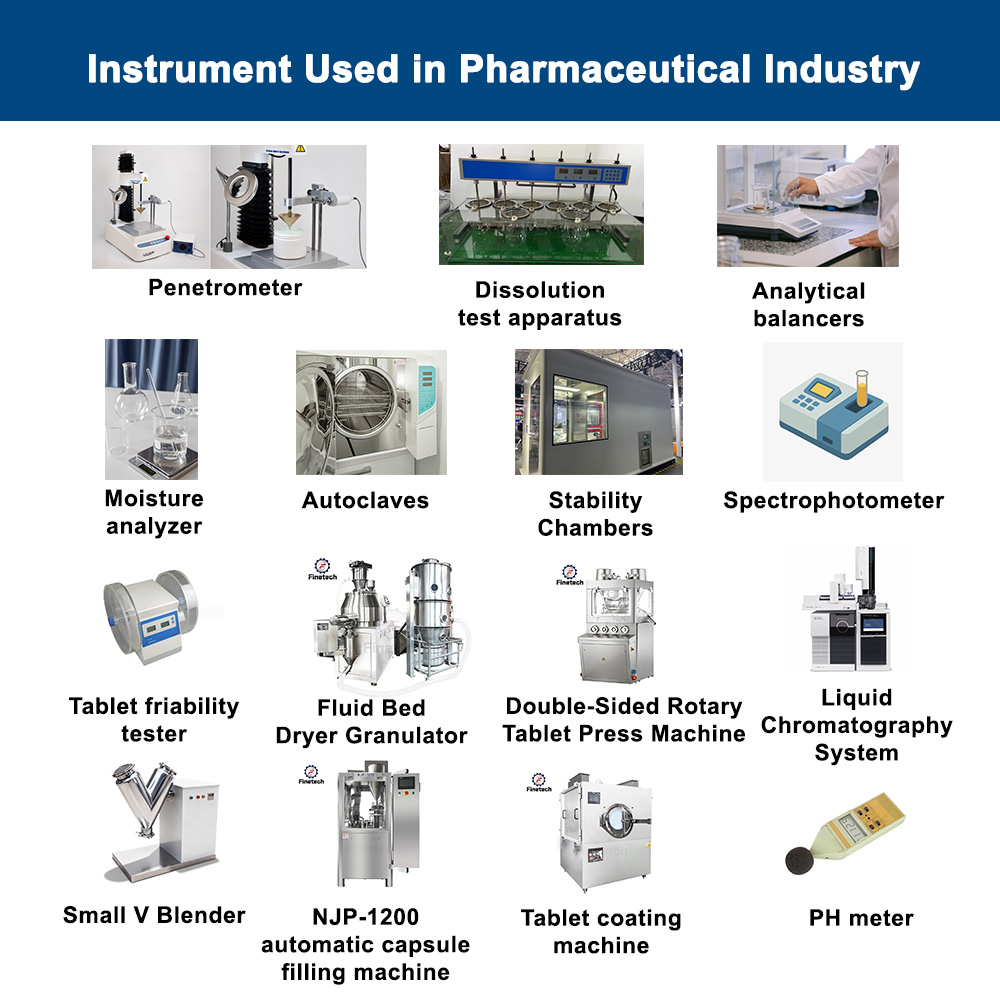
Sie gewährleisten die Sicherheit der Patienten und die Einhaltung strenger globaler gesetzlicher Normen. Ob in der Forschung und Entwicklung, bei der Herstellung in großem Maßstab oder bei der abschließenden Qualitätskontrolle, eine Reihe von speziellen Maschinen und Protokollen ist unerlässlich. Diese Instrumente tragen dazu bei, die besten Ergebnisse zu erzielen, ohne Kompromisse bei der Effizienz einzugehen.
Hier finden Sie eine detaillierte Liste der wichtigsten pharmazeutischen Instrumente. Wir werden genau sehen, wie diese Systeme die Produktkonsistenz und -sicherheit während des gesamten Produktionszyklus gewährleisten.
Was sind pharmazeutische Instrumente?
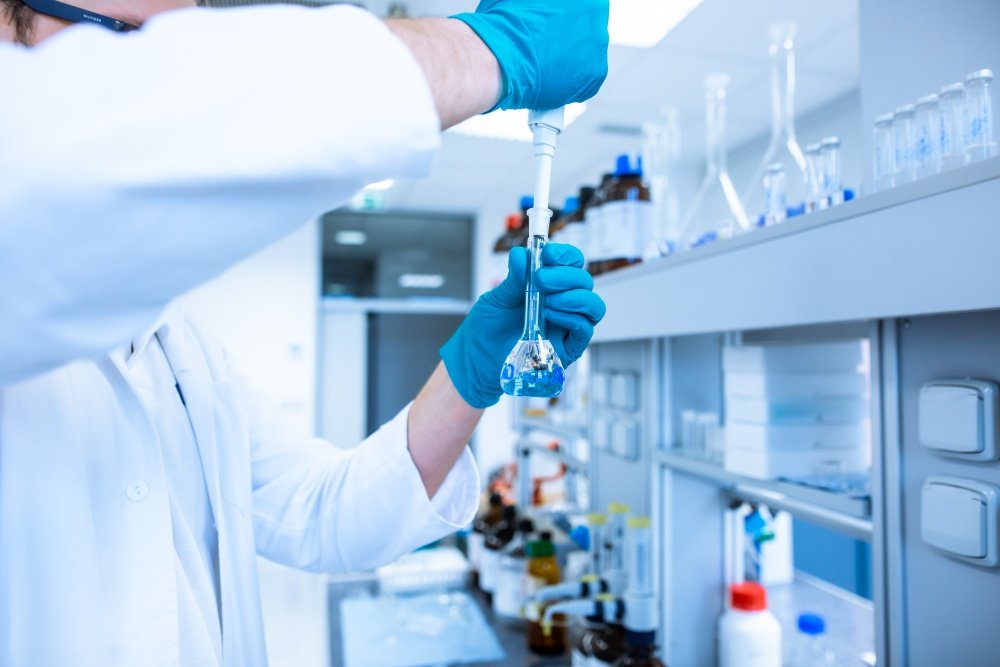
Pharmazeutische Instrumente sind spezielle Maschinen und Geräte, die in der Arzneimittelherstellung verwendet werden. Sie werden zur Herstellung, Analyse und Prüfung von Arzneimitteln und verschiedenen Präparaten verwendet, um deren Sicherheit, Konsistenz und Qualität zu gewährleisten.
Der Hauptzweck dieser Instrumente besteht darin, den gesamten Lebenszyklus eines Arzneimittels während der Forschungs- und Entwicklungs-, Herstellungs- und Qualitätskontrollprozesse zu unterstützen. Die Instrumente können von einfachen Laborgeräten wie PH-Metern und Waagen bis hin zu komplexen automatisierten Systemen wie Tablettenpressen und Chromatographiemaschinen reichen.
Schlüsselkategorien von pharmazeutischen Instrumenten
Pharmazeutische Instrumente werden grob in verschiedene Kategorien eingeteilt. Diese Kategorien basieren auf ihrer Hauptfunktion und dem Stadium des Lebenszyklus eines Arzneimittels, das sie unterstützen. Die vier Hauptgruppen von Instrumenten, die wir im Einzelnen erörtern werden, sind Herstellungs- und Verarbeitungsinstrumente, Analyseinstrumente, Qualitätskontrollinstrumente sowie Labor- und Hilfsinstrumente.
Instrumente zur Herstellung und Verarbeitung
Herstellungs- und Verarbeitungsmaschinen werden für die großtechnische Produktion verschiedener Darreichungsformen wie Tabletten, Kapseln und Flüssigkeiten eingesetzt. Nachstehend sind die wichtigsten Instrumente aufgeführt, die im pharmazeutischen Herstellungsprozess verwendet werden.
a) Mixer und Mischer
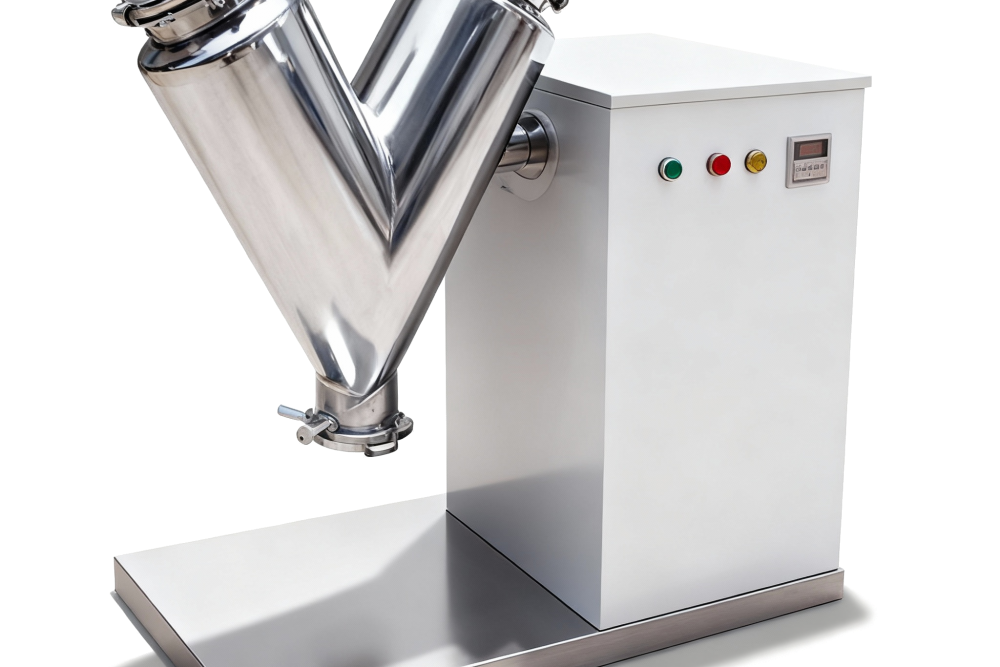
Pharmazeutische Mischer und Mixer sind die wichtigsten Maschinen im Prozess der Arzneimittelherstellung. Sie werden eingesetzt, um pharmazeutische Wirkstoffe (APIs) und Hilfsstoffe zu einer einheitlichen und homogenen Mischung zu verbinden. Diese Geräte verwenden im Wesentlichen einen mechanischen Mischmechanismus, um sicherzustellen, dass die Inhaltsstoffe in der gesamten Charge gründlich vermischt werden.
Es gibt verschiedene Arten von Mischern, z. B. V-Mischer, Bandmischer, Mischer mit hoher Scherkraft und Fließbettmischer. Jeder von ihnen ist für bestimmte Rezepturanforderungen und Inhaltsstoffe geeignet.
b) Granulatoren
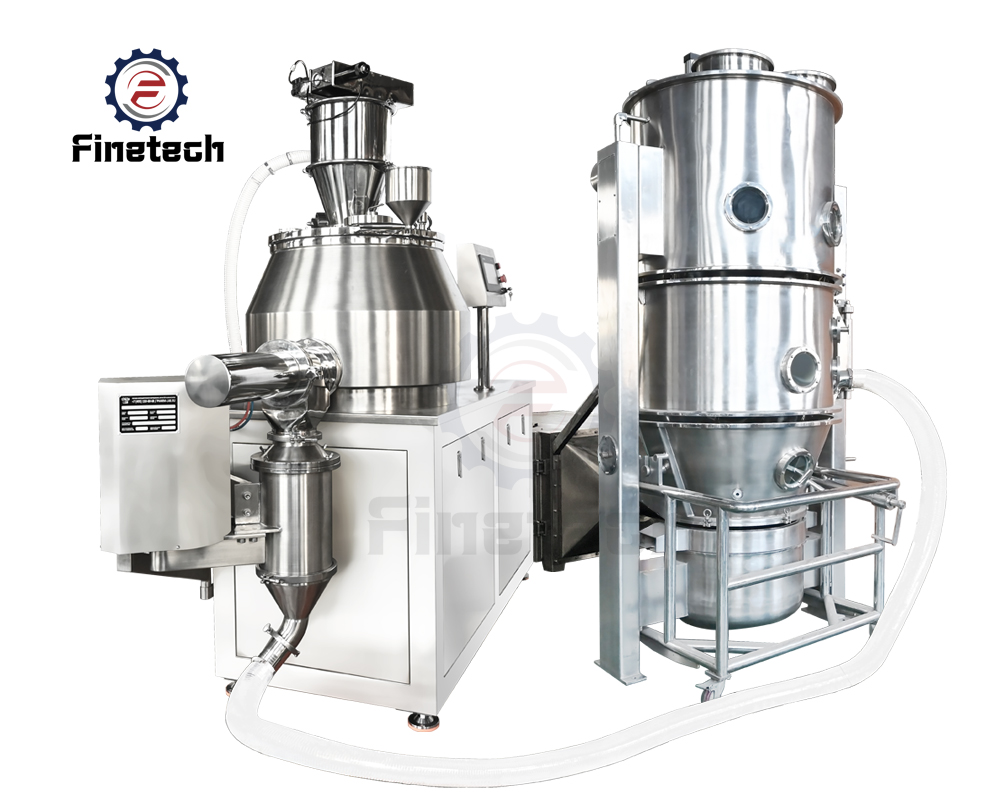
Sobald die Wirkstoffe und Hilfsstoffe gemischt und vermengt sind, werden sie zu einem feinen Granulat weiterverarbeitet. Dadurch wird ihre Fließfähigkeit und Komprimierbarkeit für die Tablettenherstellung verbessert. Es gibt verschiedene Arten von Granuliermaschinen, Dazu gehören Mischer mit hoher Scherkraft, der vielseitige Wirbelschichtgranulator und der Walzenverdichter.
c) Tablettenpressen

Eine Tablettenpresse komprimiert pulverförmige Materialien zu einheitlichen, festen Tabletten. Dazu wird ein Pulvergemisch in einen Hohlraum gepresst, der aus einer Matrize und zwei Stempeln besteht. Dieses Pulver wird dann durch die von den Stempeln ausgeübte Kraft zu einer harten, kompakten Tablette gepresst.
Ein Ausstoßsystem entnimmt die fertige Tablette aus der Matrize und transportiert sie zur Verpackung oder zum nachgeschalteten Verarbeitungsbereich. Tablettenpressen sind unverzichtbar für die Herstellung fester Dosierungen in hohen Stückzahlen.
d) Kapselabfüllmaschinen
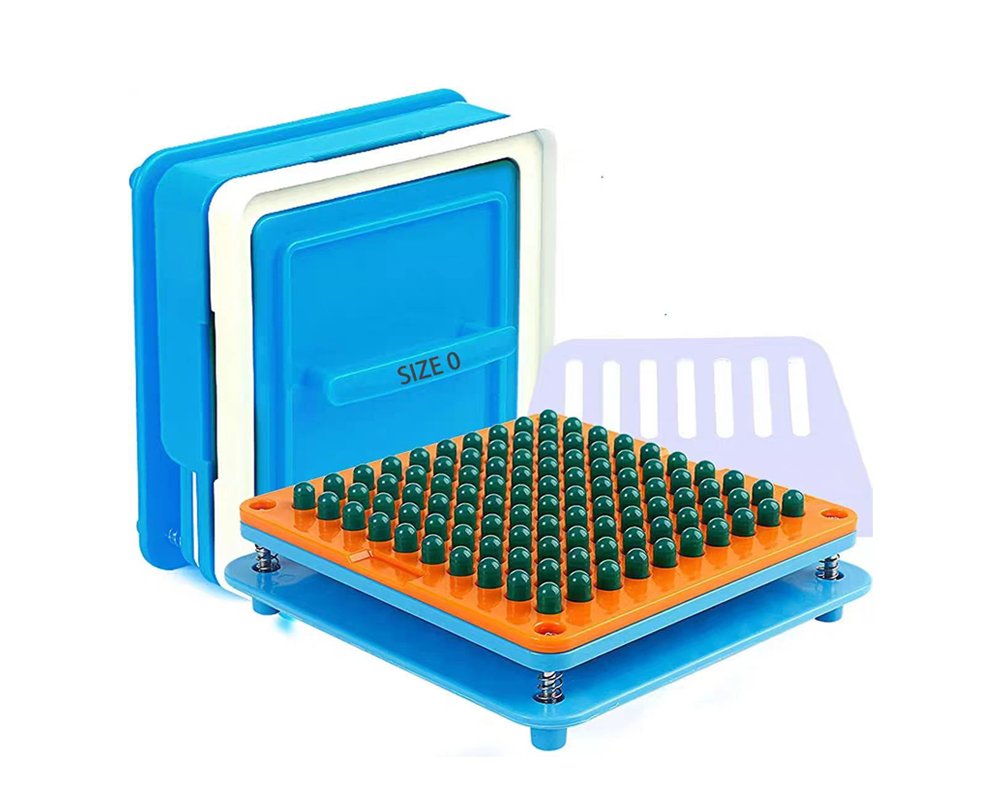
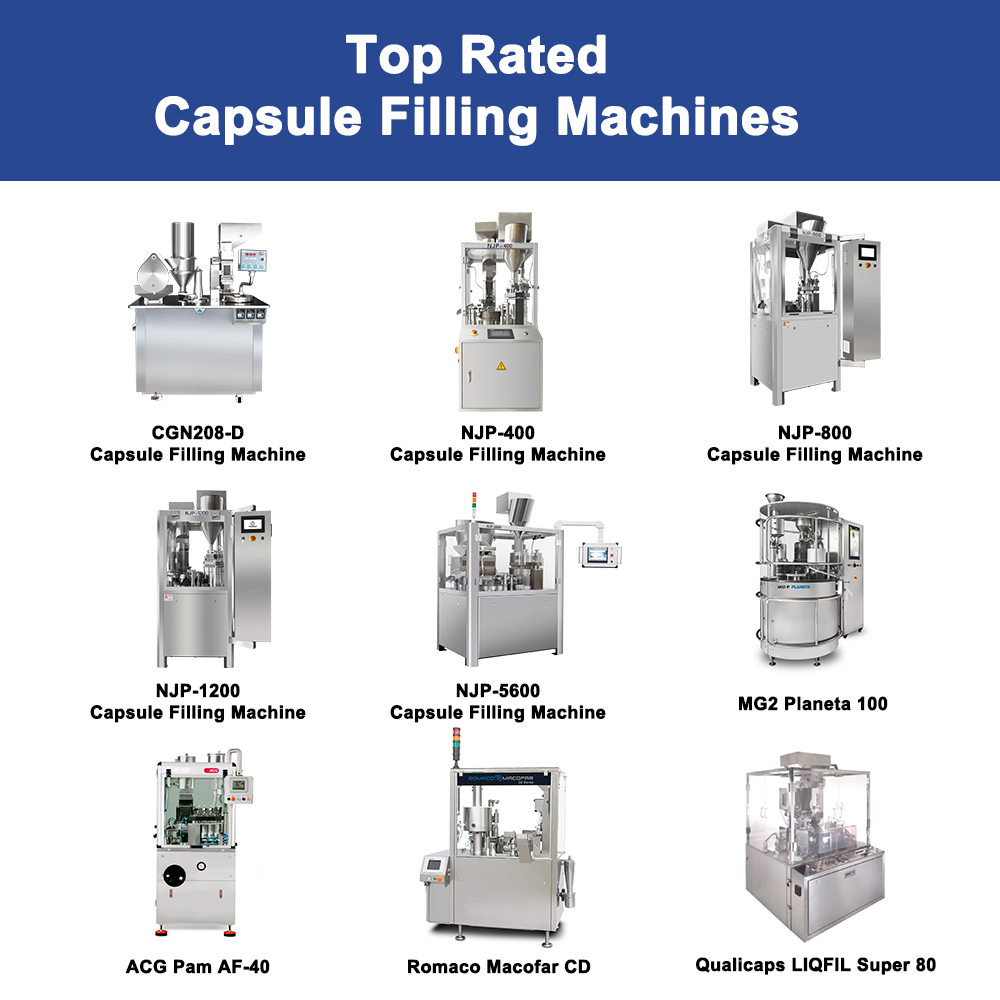
Kapselfüllmaschinen sind dafür ausgelegt, leere Kapselhüllen präzise mit Pulvern, Granulaten oder Flüssigkeiten zu füllen. Pharmazeutische Wirkstoffe (APIs). Diese Maschinen reichen von manuellen und halbautomatischen bis hin zu Hochgeschwindigkeitsmaschinen, vollautomatische Systeme.
e) Beschichtungsmaschinen
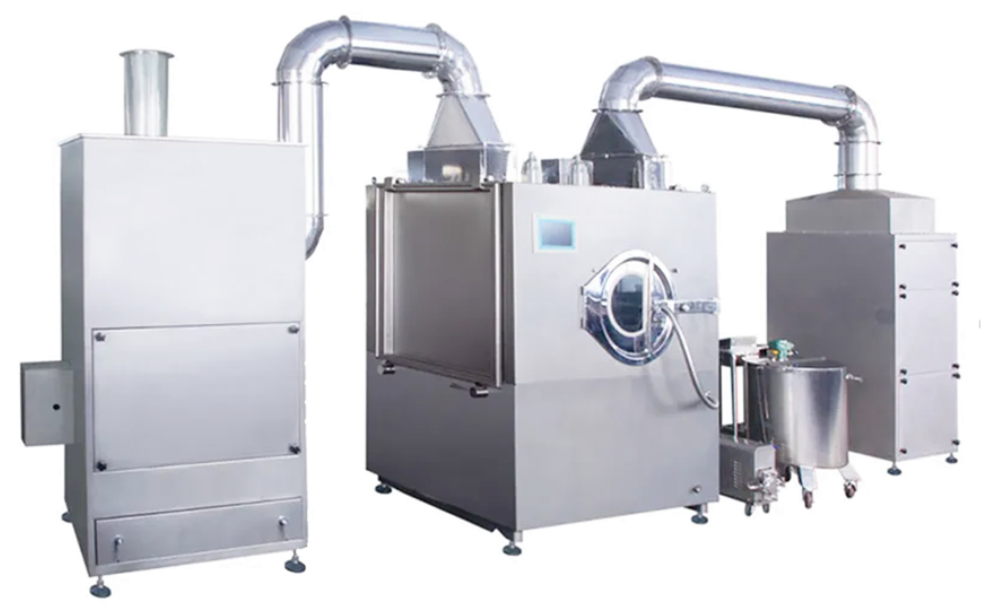
Eine Tablettenüberzugsmaschine trägt eine dünne Schicht eines Überzugs auf Tabletten auf, um deren Geschmack, Aussehen und Ästhetik zu verbessern. Die Tabletten werden in einer rotierenden Pfanne sanft umgewälzt, während eine Überzugslösung auf sie gesprüht wird.
Die Beschichtung besteht aus verschiedene Materialien wie Polymere, Weichmacher, Gummis und Aromastoffe. Diese Beschichtungen können schnell trocknen und einen Schutzfilm auf überempfindlichen Wirkstoffen bilden.
Analytische Instrumente
Analytische Instrumente sind hochentwickelte Werkzeuge für detaillierte Untersuchungen und Messungen. Sie werden in erster Linie in Labors zur Prüfung und Analyse eingesetzt, um die chemische Zusammensetzung, die Struktur und die physikalischen Eigenschaften verschiedener Materialien bei der Arzneimittelherstellung zu überprüfen. Werfen wir einen Blick auf einige bekannte analytische Instrumente:
a) Spektralphotometer
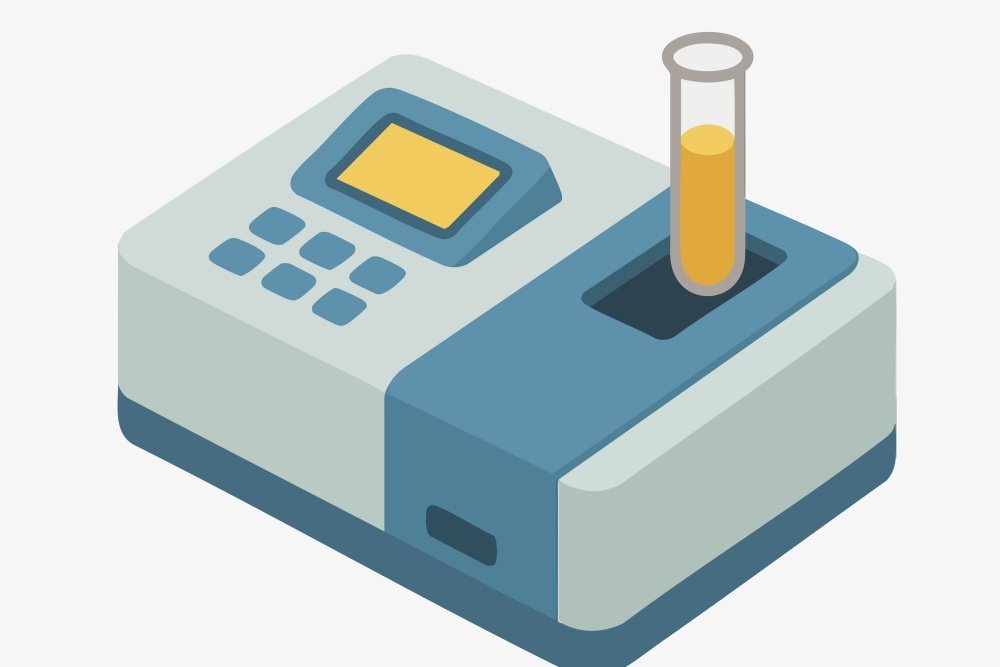
Ein Spektralphotometer arbeitet, indem es einen Lichtstrahl durch eine Probe schickt, um die Menge des absorbierten oder durchgelassenen Lichts zu messen. Es ist für die quantitative Bewertung von Arzneimitteln unerlässlich. Dieses Instrument bestimmt die genaue Konzentration der Wirkstoffe oder ihrer verwandten Substanzen in einer Lösung.
Sie hilft Ihnen zu entscheiden, ob die Substanz die geforderte Konzentrationsspezifikation für Reinheit und Potenz erfüllt. Der gesamte Prozess verwendet oft spezifische chemische Stoffe, wie Eisenchlorid für die Analyse von Paracetamol oder Ninhydrin zur Unterstützung der Analyse von Peptiden.
b) Chromatographie-System
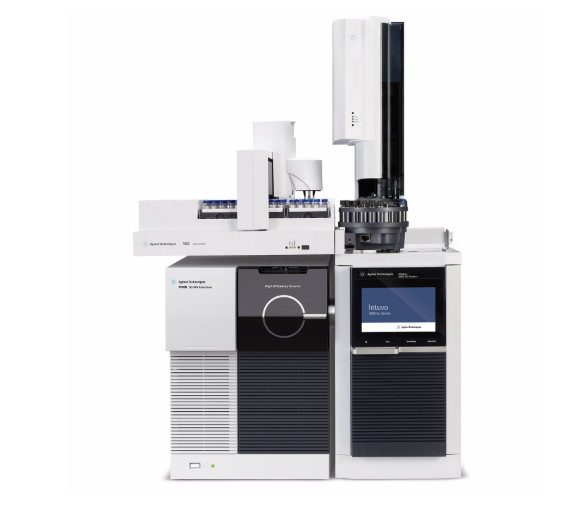
Chromatographie, insbesondere Hochleistungsflüssigkeitschromatographie (HPLC) ist eine Trenntechnik, die in der Arzneimittelherstellung eingesetzt wird. Sie nutzt das Prinzip der differentiellen Partitionierung, um ein komplexes Probengemisch in seine einzelnen chemischen Bestandteile aufzuspalten.
Durch die Trennung der Komponenten können Sie jede Substanz einzeln isolieren, identifizieren und genau messen. Sie können das Vorhandensein von Verunreinigungs- und Abbauprodukten in den APIs überprüfen. Bei der Herstellung von Arzneimitteln sind Chromatografiesysteme für die Qualitätskontrolle und die Einhaltung der GMP-Normen (Good Manufacturing Practice) äußerst wichtig.
c) Penetrometer
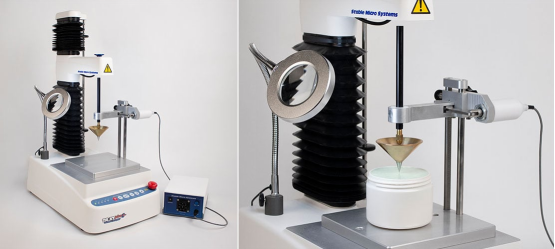
In der pharmazeutischen Industrie ist ein Penetrometer ein Instrument zur Messung der Konsistenz und Durchlässigkeit von halbfesten Produkten wie Cremes, Salben und Gelen. Dazu wird eine Sonde (Kegel oder Nadel) mit gleichmäßiger Kraft in eine Testprobe eingeführt.
Das Messgerät zeigt die von der Sonde gemessene Entfernung in einem numerischen Wert an. Diese Daten definieren die Fähigkeit eines Produkts, aufgetragen, absorbiert oder zur Abdeckung von Wunden verwendet zu werden.
d) Apparat für den Auflösungsversuch
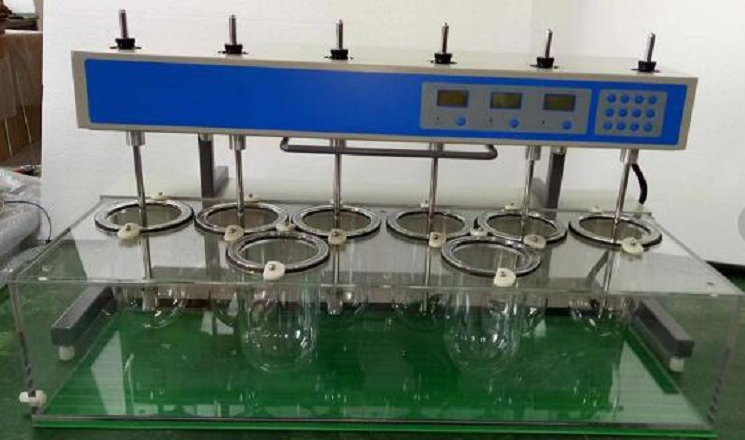
Ein Auflösungsprüfgerät berechnet die Geschwindigkeit und das Ausmaß, in dem sich ein Arzneimittel aus seiner festen Darreichungsform in eine Lösung auflöst. Das Gerät verwendet ein flüssiges Medium, um die Flüssigkeiten im Magen-Darm-Trakt des Körpers zu imitieren.
Eine Tablette oder eine andere feste Form wird in das Medium gegeben. Ein Rührsystem wie ein Paddel oder ein Korb rührt die Flüssigkeit um. Der QC-Analytiker nimmt im Laufe der Zeit Beobachtungen vor, indem er in bestimmten Abständen kleine Proben des flüssigen Mediums entnimmt. Die Messung zeigt die Konzentration des gelösten Arzneimittels oder wie gut der Körper es aufnehmen kann.
Instrumente zur Qualitätskontrolle
Der US-amerikanische FDA, zusammen mit internationalen Gremien einige der höchsten Standards für die Sicherheit, Qualität und Wirksamkeit von Arzneimitteln durch. Qualitätskontrollinstrumente sind Geräte, die standardisierte Tests durchführen, um die Qualität, Reinheit und Sicherheit jeder Charge zu gewährleisten, bevor sie den Kunden erreicht.
a) Tabletten-Friability-Tester
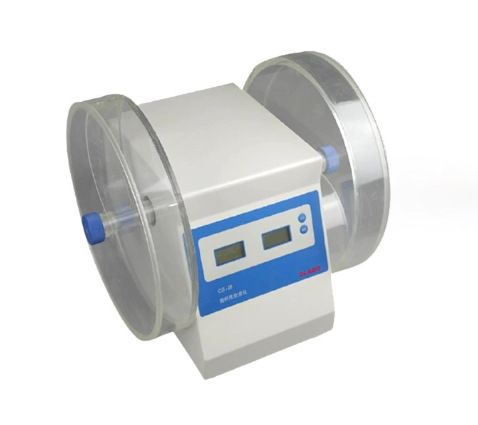
Ein Tablettenbrüchigkeitstest misst die mechanische Festigkeit von Tabletten, indem er ihre Neigung zum Splittern, Abrieb oder Bruch während der Handhabung und des Transports bewertet. Dazu wird eine Tablettenprobe für eine bestimmte Zeit in einer rotierenden Trommel gedreht. Nach Beendigung des Drehzyklus berechnet das Gerät den prozentualen Gewichtsverlust aufgrund von Bruch.
b) PH-Messgeräte
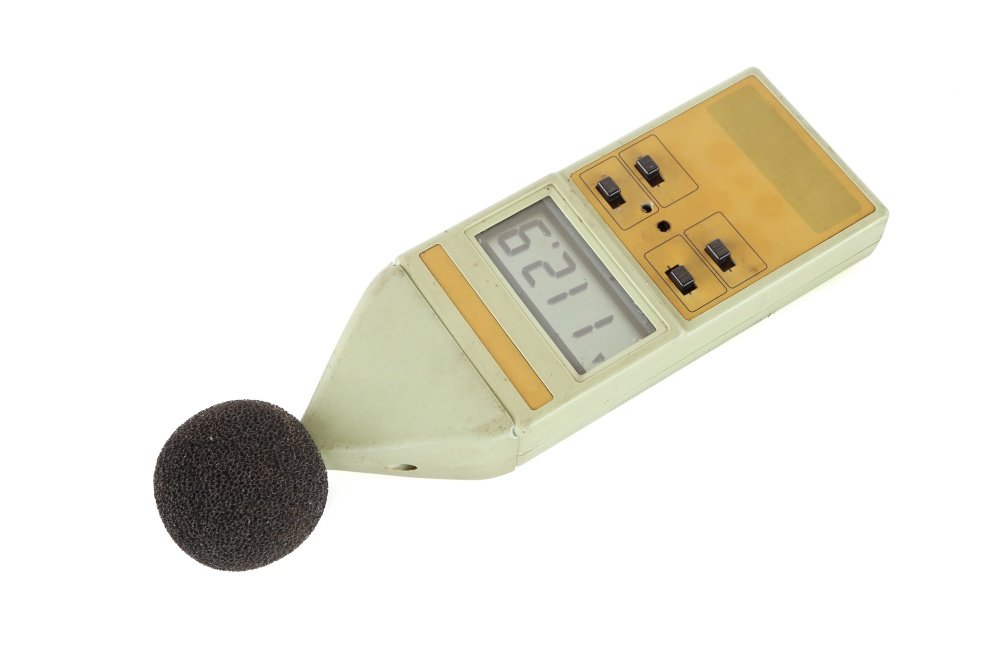
Die PH-Kontrolle ist ein kritischer Faktor bei der Herstellung von halbfesten und flüssigen pharmazeutischen Produkten. Ein PH-Messgerät ist ein Qualitätskontrollinstrument, das den Säuregrad oder den Basengehalt einer wässrigen Lösung misst. Es garantiert, dass das Endprodukt für den Patienten sicher und nicht reizend ist.
c) Feuchtigkeitsmessgerät
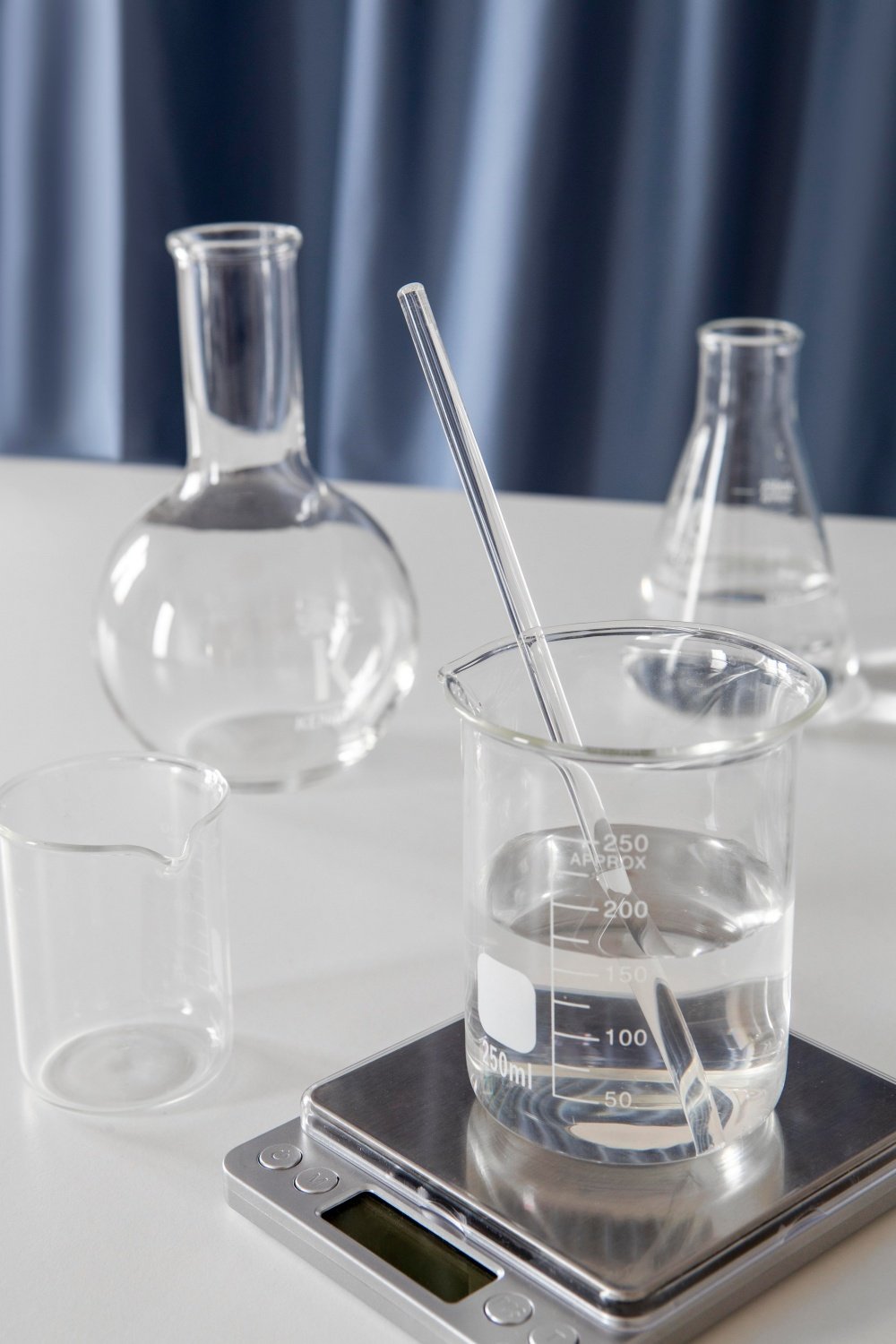
Der Feuchtigkeitsgehalt von Wirkstoffen oder Hilfsstoffen kann die Stabilität und Haltbarkeit eines Arzneimittels stark beeinflussen. Ein Feuchtigkeitstester oder Feuchtigkeitsanalysator ist ein Gerät, das den Wassergehalt in einer pharmazeutischen Probe genau misst. Das Gerät arbeitet nach folgendem Prinzip Verlust beim Trocknen (LOD).
Ein internes Halogen- oder Infrarotheizelement erhitzt die Probe, um die Feuchtigkeit zu verdampfen. Das Gerät wiegt die Probe kontinuierlich, während sie trocknet. Anschließend berechnet es den prozentualen Feuchtigkeitsgehalt, indem es das Anfangsgewicht mit dem endgültigen Trockengewicht vergleicht.
Labor- und Hilfsinstrumente
Labor- und Hilfsmittel werden für den allgemeinen Betrieb, die Aufbereitung und die Aufrechterhaltung der Sterilität in pharmazeutischen Einrichtungen verwendet. Sie sorgen für eine kontrollierte und kontaminationsfreie Umgebung sowohl für Forschungs- als auch für Qualitätskontrolltätigkeiten.
a) Autoklaven
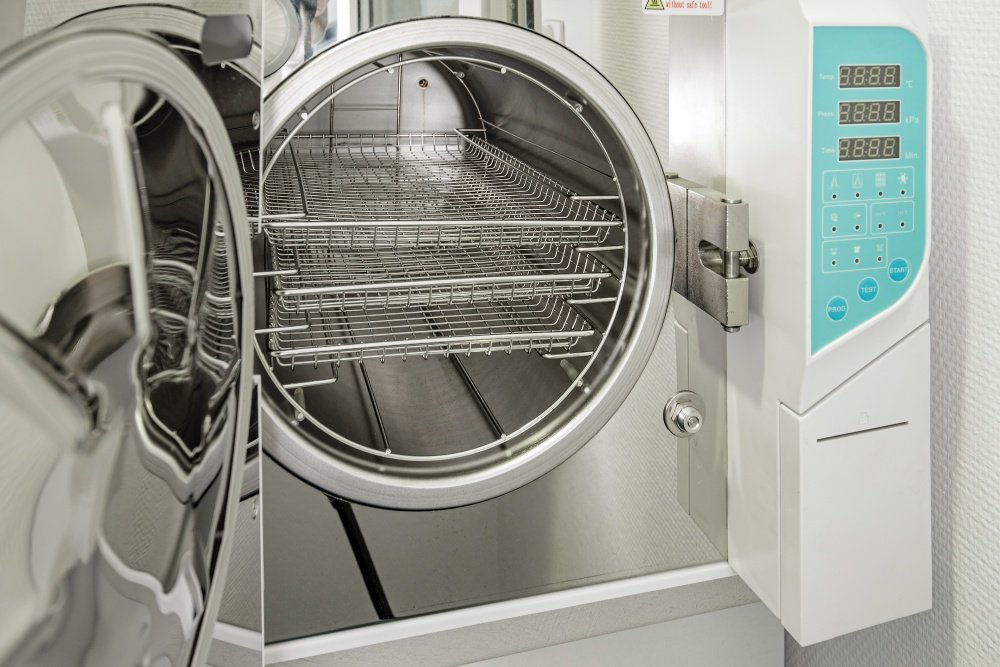
Ein Autoklav ist ein starker, unter Druck stehender Behälter, der Hochdruckdampf zur Sterilisierung von Geräten, Lösungen und anderen Materialien verwendet. Seine dicken Wände ermöglichen die Aufrechterhaltung dieses hohen Drucks, der sehr hohe Temperaturen unterstützt und Mikroorganismen wie Bakterien, Viren und Sporen abtötet.
Aufgrund der extremen Temperaturen ist es nicht ratsam, brennbare oder ätzende Materialien im Autoklaven zu sterilisieren.
b) Stabilitätskammern
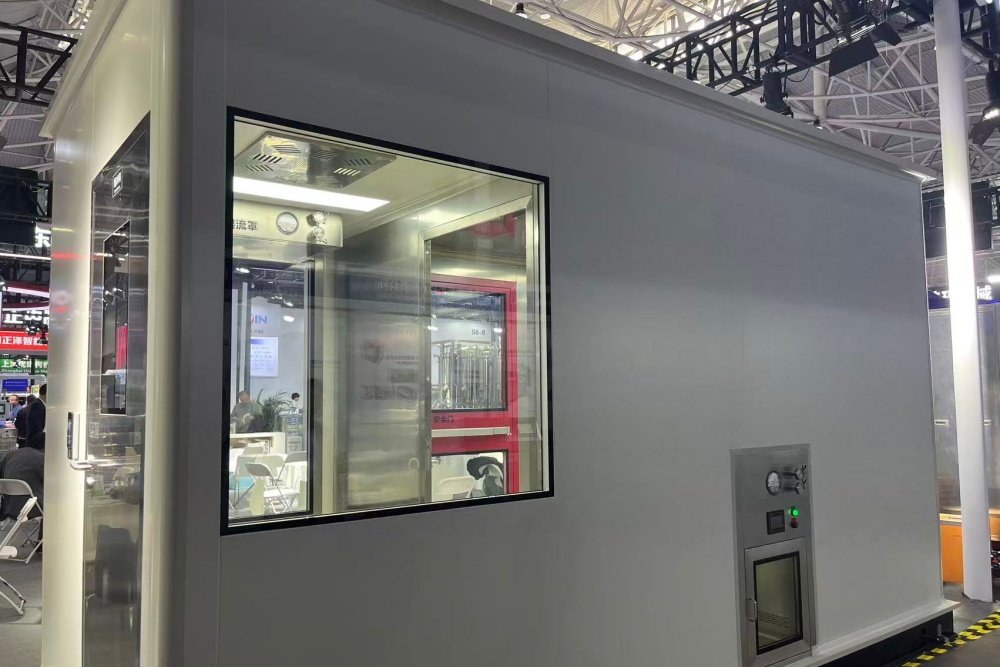
Eine Stabilitätskammer ist eine spezielle, kontrollierte Umgebung, in der die Qualität, Sicherheit und Haltbarkeit eines Arzneimittels im Laufe der Zeit getestet wird. Dies wird erreicht, indem das Arzneimittel genau kontrollierten Bedingungen ausgesetzt wird, z. B. unterschiedlichen Temperaturen, Luftfeuchtigkeiten und Lichtverhältnissen. Die aus diesen Tests gewonnenen Daten bestimmen die richtigen Lagerbedingungen und das endgültige Verfallsdatum für das Medikament.
c) Analytische Waagen
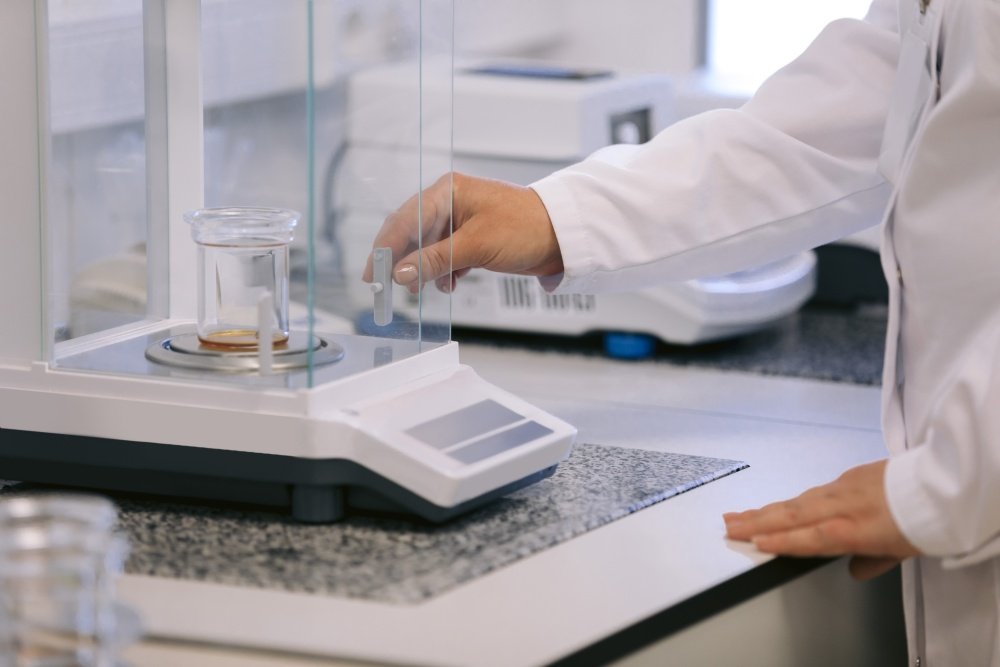
Analytische Waagen werden verwendet, um kleinste Mengen von Wirkstoffen und Hilfsstoffen mit außergewöhnlicher Genauigkeit zu quantifizieren. Diese Genauigkeit ist für die Formulierung neuer Arzneimittel, für Qualitätskontrolltests und für die Zubereitung von Lösungen, die für Stabilitätsprüfungen benötigt werden, unerlässlich. Die genaue Masse einer Verbindung wirkt sich direkt auf die Gültigkeit und Zuverlässigkeit der Analyseergebnisse aus.
FAQs
1. Welche Instrumente sind für mikrobiologische Untersuchungen unerlässlich?
Zu den üblichen Instrumenten im mikrobiologischen Labor gehören Autoklaven, Abzugshauben mit laminarer Luftströmung, Inkubatoren, Koloniezähler und Mikroskope für Sterilitäts- und mikrobiologische Grenzwertprüfungen.
2. Welche Validierung ist für neue Instrumente in einer pharmazeutischen Einrichtung erforderlich?
Die Validierung erfolgt nach dem IQ (Installationsqualifizierung), OQ (Betriebsqualifizierung) und PQ (Leistungsqualifizierung) Rahmen, um die zuverlässige und wiederholbare Leistung des Instruments zu bestätigen.
3. Wie sollte eine Einrichtung ihren Bestand an pharmazeutischen Instrumenten verwalten?
Die Einrichtungen sollten eine Master-Instrumentenliste führen, in der Modellnummern, Seriennummern, Kalibrierungsstatus, Qualifizierungsdaten und Pläne für die vorbeugende Wartung festgehalten werden.
Investieren Sie in die nächste Generation von pharmazeutischen Instrumenten
Pharmazeutische Instrumente sind mehr als nur Werkzeuge, sie sind das Rückgrat unseres gesamten Gesundheitssystems. Von der Herstellung bis zu den unterstützenden Tätigkeiten ist jedes Instrument ein kritischer Kontrollpunkt. Diese Kontrollpunkte erfordern absolute Perfektion und Zuverlässigkeit, um die öffentliche Gesundheit zu schützen und globale Qualitätsstandards aufrechtzuerhalten.
Wenn Sie ein pharmazeutischer Leiter sind, sollten Sie nur das Beste wählen. Finetech könnte Ihr zuverlässiger Lieferant für den Bau oder die Erweiterung Ihrer Anlage sein. Mit umweltfreundlicher Produktion und umfassender Erfahrung erfüllen wir alle Ihre Bedürfnisse, von der Anpassung bis zur Produktionsplanung.
Nehmen Sie Kontakt mit unserem technischen Team auf und vereinbaren Sie noch heute einen Beratungstermin!
Copyright-Hinweis:
Es ist nicht gestattet, Inhalte dieser Website zu vervielfältigen, zu verändern, zu veröffentlichen, darzustellen, zu übermitteln oder in irgendeiner Weise zu verwerten oder solche Inhalte zum Aufbau von Datenbanken jeglicher Art zu verwenden, es sei denn, es liegt eine ausdrückliche schriftliche Genehmigung der Finetech Group vor. Für eine Genehmigung zur Nutzung des Inhalts wenden Sie sich bitte an: info@pharmamachinecn.com
Haftungsausschluss:
Die in diesem Artikel enthaltenen Informationen dienen lediglich der allgemeinen Information. Das Unternehmen übernimmt keine Garantie für die Richtigkeit, Relevanz, Aktualität oder Vollständigkeit der Informationen, und das Unternehmen übernimmt keine Verantwortung für Fehler oder Auslassungen im Inhalt dieses Artikels.