German
  English
  Russian
  Turkish
  Spanish
  French
  Japanese
Eine Tablettenpresse mag nach der Installation betriebsbereit erscheinen, doch die Installation allein ist kein Beweis dafür, dass sie unter realen Produktionsbedingungen sicher und zuverlässig läuft. Hier kommt der Betriebsqualifizierung (OQ) entscheidende Bedeutung zu.
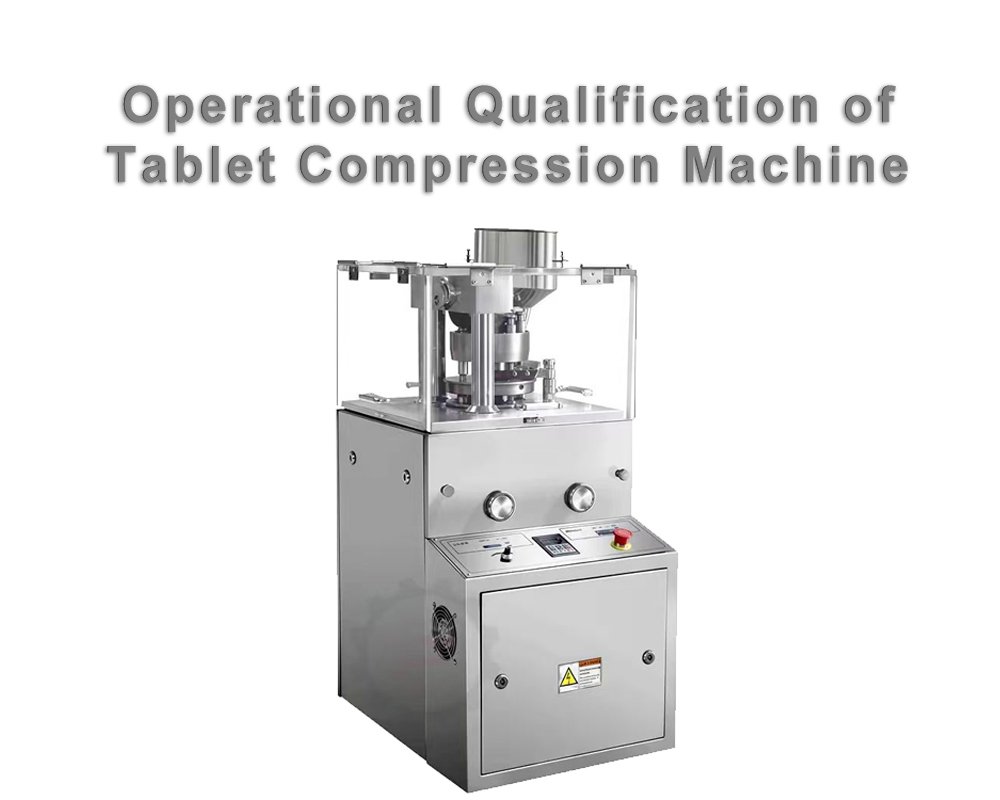
Die OQ bestätigt, dass die Maschine innerhalb der festgelegten Grenzwerte arbeitet, korrekt auf Steuerbefehle reagiert und über ihren gesamten Betriebsbereich hinweg zuverlässig funktioniert. Ohne diesen Schritt kann selbst eine ordnungsgemäß installierte Presse versteckte Qualitätsrisiken bergen.
Im Folgenden werden wir detailliert erläutern, wie die Betriebsqualifizierung einer Tablettenpresse die Anforderungen erfüllt GMP-Anforderungen.
Was versteht man unter der Betriebsqualifizierung einer Tablettenpresse?
Die Betriebsqualifizierung belegt, dass eine Tablettenpresse unter festgelegten Betriebsbedingungen ordnungsgemäß funktioniert. Sie gibt Aufschluss darüber, ob die Maschine jederzeit wie vorgesehen und innerhalb der festgelegten Grenzwerte betrieben werden kann.
Um zu verstehen, wo OQ ins Bild passt, ist es hilfreich, sich die gesamter Qualifizierungsablauf. Installationsqualifizierung (IQ) bestätigt, dass die Maschine gemäß den Zeichnungen, Handbüchern und Spezifikationen ordnungsgemäß installiert ist.
Betriebsqualifizierung (OQ) anschließend wird überprüft, ob die Maschine über den gesamten definierten Bereich wie vorgesehen funktioniert. Schließlich, Leistungsqualifizierung (PQ) belegt, dass die Maschine unter realen Bedingungen durchweg akzeptable Tabletten herstellen kann.
Zweck der operativen Qualifizierung bei der Tablettenpressung
Die Hauptziele der OQ bei der Tablettenpressung sind:
- Überprüfen Sie die Presskraft, Geschwindigkeit des Geschützturms, die Einstellungen der Zuführung und andere wichtige Parameter werden angepasst und innerhalb festgelegter Grenzen gehalten.
- Stellen Sie sicher, dass die Maschine korrekt auf Bedienereingaben, Einstellungsänderungen und Start-Stopp-Bedingungen reagiert, ohne dass dabei unerwartete Verhaltensweisen auftreten.
- Stellen Sie sicher, dass Alarme, Verriegelungen, Sensoren und Not-Aus-Schalter ordnungsgemäß auslösen und sowohl das Produkt als auch das Bedienpersonal schützen.
- Schwächen, Unstimmigkeiten oder Probleme bei der Qualitätskontrolle bereits vor der Tablettenherstellung aufdecken und so das Risiko späterer Chargenausfälle verringern.
- Erstellen Sie objektive Nachweise dafür, dass die Maschine wie vorgesehen funktioniert – dies ist für Audits und behördliche Inspektionen unerlässlich.
- Stellen Sie sicher, dass die Anlage für die Leistungsqualifizierung und für reale Produktionsbedingungen bereit ist und keine ungelösten betrieblichen Risiken bestehen.
Welche OQ-Unterlagen müssen vor Beginn der Tests vorliegen?
Bevor die OQ beginnt, müssen bestimmte Unterlagen erstellt werden, um den Umfang festzulegen, die Durchführung zu steuern und die Ergebnisse eindeutig zu dokumentieren.
Nachfolgend sind die wichtigsten erforderlichen Dokumente aufgeführt:
1. Protokoll zur Betriebsqualifizierung
Darin sind die Betriebsparameter aufgeführt und es wird angegeben, welche Teile des Tablettenpresse in den Anwendungsbereich fallen. Vor allem definiert das Protokoll Abnahmekriterien. Diese Kriterien basieren auf den Herstellerangaben, den behördlichen Anforderungen und dem Verwendungszweck.
2. Genehmigte Betriebsverfahren
Bevor OQ-Tests durchgeführt werden, müssen bereits genehmigte Betriebsanweisungen vorliegen. Diese Anweisungen gewährleisten den ordnungsgemäßen Betrieb der Maschine. Die Betriebsanweisungen dienen den Bedienern als Leitfaden für die Inbetriebnahme, die Parametereinstellung und den sicheren Umgang mit der Maschine.
3. Checkliste für die OQ-Prüfung
Eine OQ-Checkliste dient als praktischer Leitfaden für die Prüfung. Sie stellt sicher, dass kein Prüfschritt ausgelassen wird und die Ergebnisse systematisch erfasst werden. Jede im Rahmen der OQ durchgeführte Prüfung wird abgehakt, dokumentiert und anhand des Protokolls überprüft.
4. Rückverfolgbarkeitsmatrix
Der Rückverfolgbarkeitsmatrix verknüpft Anforderungen mit Tests. Es wird damit nachgewiesen, dass jede betriebliche Anforderung die Überprüfung besteht. Bei Tablettenpressen wird dadurch sichergestellt, dass kritische Funktionen, Betriebsbereiche, Alarme und Steuerungen vollständig abgedeckt sind.
5. Bericht zur Betriebsqualifizierung
Nach Abschluss der Tests werden alle Ergebnisse im OQ-Bericht zusammengefasst. Dieser Bericht dokumentiert, was getestet wurde, welche Tests bestanden wurden, welche Abweichungen festgestellt wurden und wie Probleme behoben wurden. Er dient als offizieller Abschluss der Qualifizierungsmaßnahme.
Durchführung der betrieblichen Qualifizierung der Tablettenpresse
Die Betriebsqualifizierung sollte in einer klaren, kontrollierten Abfolge durchgeführt werden. Überspringen Sie die folgenden Schritte nicht und kombinieren Sie sie nicht miteinander.
1. Überprüfen Sie, ob alle Voraussetzungen erfüllt sind
Bevor Sie die Maschine berühren, halten Sie inne und überprüfen Sie, ob sie betriebsbereit ist. Vergewissern Sie sich, dass die Installationsqualifizierung abgeschlossen und genehmigt wurde. Überprüfen Sie, ob alle Versorgungsleitungen, Sensoren und Sicherheitssysteme angeschlossen und funktionsfähig sind.
Stellen Sie sicher, dass die Kalibrierprotokolle auf dem neuesten Stand sind und dass Standardarbeitsanweisungen für die Tablettenpresse sind genehmigt. Falls eine Voraussetzung fehlt, fahren Sie nicht fort. Die OQ-Ergebnisse sind nur gültig, wenn sich die Maschine in einem kontrollierten, qualifizierten Zustand befindet.
2. Überprüfung und Genehmigung des OQ-Protokolls
Lesen Sie das OQ-Protokoll vor Beginn der Tests sorgfältig durch. In diesem Dokument wird genau erläutert, was getestet werden muss, wie die Tests durchgeführt werden und welche Abnahmekriterien gelten. Improvisieren Sie während der Durchführung nicht.
Befolgen Sie das Protokoll Schritt für Schritt. Sollte es zu Änderungen kommen, müssen diese dokumentiert und genehmigt werden, bevor Sie fortfahren.
3. Überprüfen Sie die Funktionen des Bedienfelds und der Software
Überprüfen Sie zunächst die grundlegenden Funktionen des Geräts. Schalten Sie das Gerät ein und vergewissern Sie sich, dass die Anzeigen, Tasten und Bedienmenüs ordnungsgemäß reagieren.
Überprüfen Sie die Sollwerte, die Parametereingabe und die Datenanzeigen. Stellen Sie außerdem sicher, dass das System Eingaben korrekt verarbeitet und Änderungen unverzüglich umsetzt. Dadurch wird bestätigt, dass die Bedienerschnittstelle wie vorgesehen funktioniert.
4. Betriebsparameter über definierte Bereiche hinweg prüfen
Stell die Maschine jetzt auf die Probe. Stelle Kompressionskraft, Revolvergeschwindigkeit, Zuführgeschwindigkeit und andere wichtige Parameter bei Minimal-, Nenn- und Maximalwerten. Überprüfen Sie anschließend, ob die Maschine bei jeder Einstellung reibungslos läuft.
Achten Sie auf Stabilität, Wiederholbarkeit und Messgenauigkeit. Vergessen Sie schließlich nicht, alle Ergebnisse genau so zu protokollieren, wie es das Protokoll vorschreibt.
5. Fehlermeldungen und Sicherheitsverriegelungen
Nachdem die Betriebsbereiche abgedeckt sind, fahren Sie mit den Alarmen und Sicherheitsfunktionen fort. Lösen Sie Alarme und Verriegelungen gemäß der Definition im Protokoll aus.
Öffnen Sie die Schutzvorrichtungen, simulieren Sie Fehlerzustände und lösen Sie gegebenenfalls Not-Aus-Schaltungen aus. Zeichnen Sie die Reaktionen des Systems und das Abschaltverhalten auf. Dadurch wird sichergestellt, dass die Schutzvorrichtungen korrekt reagieren.
6. Sensoren und Rückmeldemechanismen überprüfen
Werten Sie die Sensorwerte für Geschwindigkeit, Kraft und andere überwachte Parameter aus, während die Maschine in Betrieb ist.
Außerdem müssen Sie die angezeigten Werte gegebenenfalls mit den erwarteten Ergebnissen oder Referenzdaten vergleichen. Eine zuverlässige Rückmeldung unterstützt hier den kontrollierten Betrieb während der Produktion.
7. Wiederholbarkeitsprüfungen durchführen
Kehren Sie zu den ausgewählten Betriebsbedingungen zurück und wiederholen Sie die wichtigsten Tests. Führen Sie die gleichen Einstellungen mehrmals durch und vergleichen Sie die Ergebnisse. Wenn Sie bei mehreren Durchläufen ein einheitliches Verhalten feststellen, bedeutet dies, dass die Maschine stabil läuft.
8. Ergebnisse dokumentieren und Abweichungen beheben
Erfassen Sie alle Testergebnisse übersichtlich und in Echtzeit. Jedes Ergebnis muss direkt mit dem entsprechenden Schritt des Protokolls verknüpft sein.
Wenn die Ergebnisse außerhalb der festgelegten Grenzwerte liegen, brechen Sie die Prüfung ab und dokumentieren Sie die Abweichung. Es ist außerdem wichtig, die Ursache zu ermitteln, Korrekturmaßnahmen zu ergreifen und die Prüfung erst nach Freigabe fortzusetzen.
9. Den OQ-Bericht prüfen
Prüfen Sie die erhobenen Daten anhand der Akzeptanzkriterien und fassen Sie die Ergebnisse im OQ-Bericht zusammen. Geben Sie dabei die Testergebnisse, Abweichungen und Schlussfolgerungen an. Nach der Genehmigung dient der Bericht als offizieller Nachweis dafür, dass die Betriebsqualifizierung abgeschlossen ist.
10. Vorbereitung auf die Leistungsqualifizierung
Nach Abschluss der OQ kann mit der Planung der Leistungsqualifizierung begonnen werden. Die Betriebsqualifizierung der Tablettenpresse ist abgeschlossen, sobald nachgewiesen wurde, dass die Maschine unter kontrollierten Bedingungen innerhalb der festgelegten Grenzwerte arbeitet.
Häufige Herausforderungen, die die Betriebsqualifizierung verzögern
Selbst wenn die Absicht richtig ist, treten bei der operativen Qualifizierung häufig Probleme bei der Durchführung auf. Bei den meisten Problemen handelt es sich nicht um technische Fehler, sondern um Lücken in der Planung und Dokumentation. Zu den häufigsten Herausforderungen zählen:
- Unklare OQ-Protokolle: Es fehlen Tests, die Abnahmekriterien sind vage oder die Betriebsgrenzen sind nicht klar definiert.
- Nicht kalibrierte Messgeräte: Die Prüfungen werden mit Sensoren oder Messgeräten durchgeführt, für die keine gültigen Kalibrierprotokolle vorliegen.
- Software-Steuerungen nicht validiert: Datenverarbeitungsfunktionen werden nicht auf die Einhaltung von Anforderungen wie Prüfpfade oder elektronische Aufzeichnungen überprüft.
- Nicht funktionale Betriebsbereiche: Die Geräte werden ausschließlich bei normalen Einstellungen getestet, ohne die unteren und oberen Grenzwerte auszureizen.
- Lücken in der Dokumentation: Fehlende Unterschriften, unvollständige Aufzeichnungen oder nicht dokumentierte Abweichungen verzögern den Abschluss der OQ.
FAQs
1. Wann sollte die OQ-Phase im Validierungszyklus offiziell beginnen?
Die Betriebsqualifizierung beginnt erst, nachdem die Installationsqualifizierung (IQ) vollständig genehmigt wurde und alle kritischen Messgeräte anhand rückverfolgbarer Normale kalibriert wurden. Sie dient als Voraussetzung für die Leistungsqualifizierung (PQ), bei der die Anlage mit tatsächlichen pharmazeutischen Mischungen getestet wird.
2. Welche Rolle spielt der Stromausfalltest im OQ-Protokoll?
Dieser Test simuliert einen plötzlichen Stromausfall, um sicherzustellen, dass die Maschine in einen “ausfallsicheren” Zustand wechselt, ohne die Stempel oder Matrizen zu beschädigen. Nach Wiederherstellung der Stromversorgung darf das System nicht automatisch neu starten, sondern muss gemäß den Sicherheitsnormen manuell zurückgesetzt werden.
3. Wie überprüft OQ die Genauigkeit des Gewichtskontrollsystems?
Der automatische Gewichtsausgleichsmechanismus der Maschine wird durch die Simulation eines “schweren” oder “leichten” Tablettenzustands getestet, um zu prüfen, ob die Dosiernocke korrekt reagiert. Die OQ bestätigt, dass der Regelkreis zwischen den Presswalzen und der Einstellung der Fülltiefe präzise und reaktionsschnell ist.
4. Welche Unterlagen sind für einen erfolgreichen OQ-Bericht erforderlich?
Der Bericht muss das ausgefüllte Protokoll, die Rohdatenblätter, die Kalibrierungszertifikate für die Prüfgeräte sowie eine Zusammenfassung aller festgestellten Abweichungen enthalten. In einem abschließenden “Zusammenfassenden Bericht” wird festgestellt, ob die Maschine für den vorgesehenen Einsatzzweck geeignet ist.
Beginnen Sie mit Ausrüstung, die die Qualifikation erleichtert
Die Betriebsqualifizierung einer Tablettenpresse ist nur so gut wie die Maschine, die qualifiziert wird. Selbst das am besten verfasste OQ-Protokoll kann instabile Anlagen, uneinheitliche Kontrollmaßnahmen oder mangelhafte Verarbeitungsqualität nicht ausgleichen.
Deshalb ist die Auswahl der Ausrüstung schon lange vor Beginn der Qualifizierungsmaßnahmen von entscheidender Bedeutung. Und genau hier spielt Finetech seine Stärken aus.
Von Rundläufer-Tablettenpressen um abzuschließen Produktionslinien, stehen bei unseren Lösungen die langfristige Zuverlässigkeit im Vordergrund. Wenn Sie also eine neue Anlage planen oder sich auf Qualifizierungsmaßnahmen vorbereiten, ist die Wahl der richtigen Maschinen der erste Schritt zu einem reibungsloseren GMP-Prozess.
Sprechen Sie noch heute mit unseren Spezialisten Mit Zuversicht bauen!