English
  Russian
  Turkish
  Spanish
  French
  German
  Japanese
Packing machines break down. When they do, you need to know the packing machine spare parts name for whatever failed so you can get the right part ordered and get back to running. Nothing worse than waiting two days for a part and finding out it’s the wrong one.
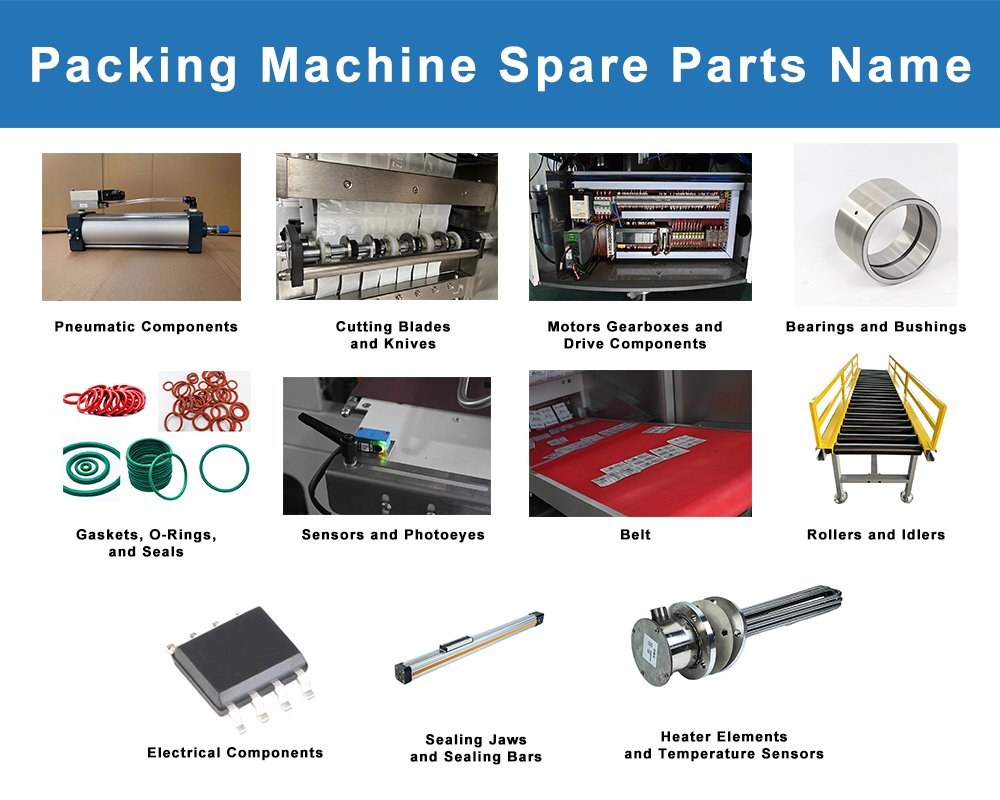
This covers the parts that wear out most across VFFS baggers, flow wrappers, band sealers, case packers, and other common packing equipment. Some are dirt cheap. Some will make your purchasing department flinch. All of them will shut you down if they fail and you’re not ready.
1. Sealing Jaws and Sealing Bars
Sealing jaws get replaced more than almost any other part on a packing machine. They’re the heated bars that press together and bond packaging film to make the seals on your bags, pouches, or sachets.
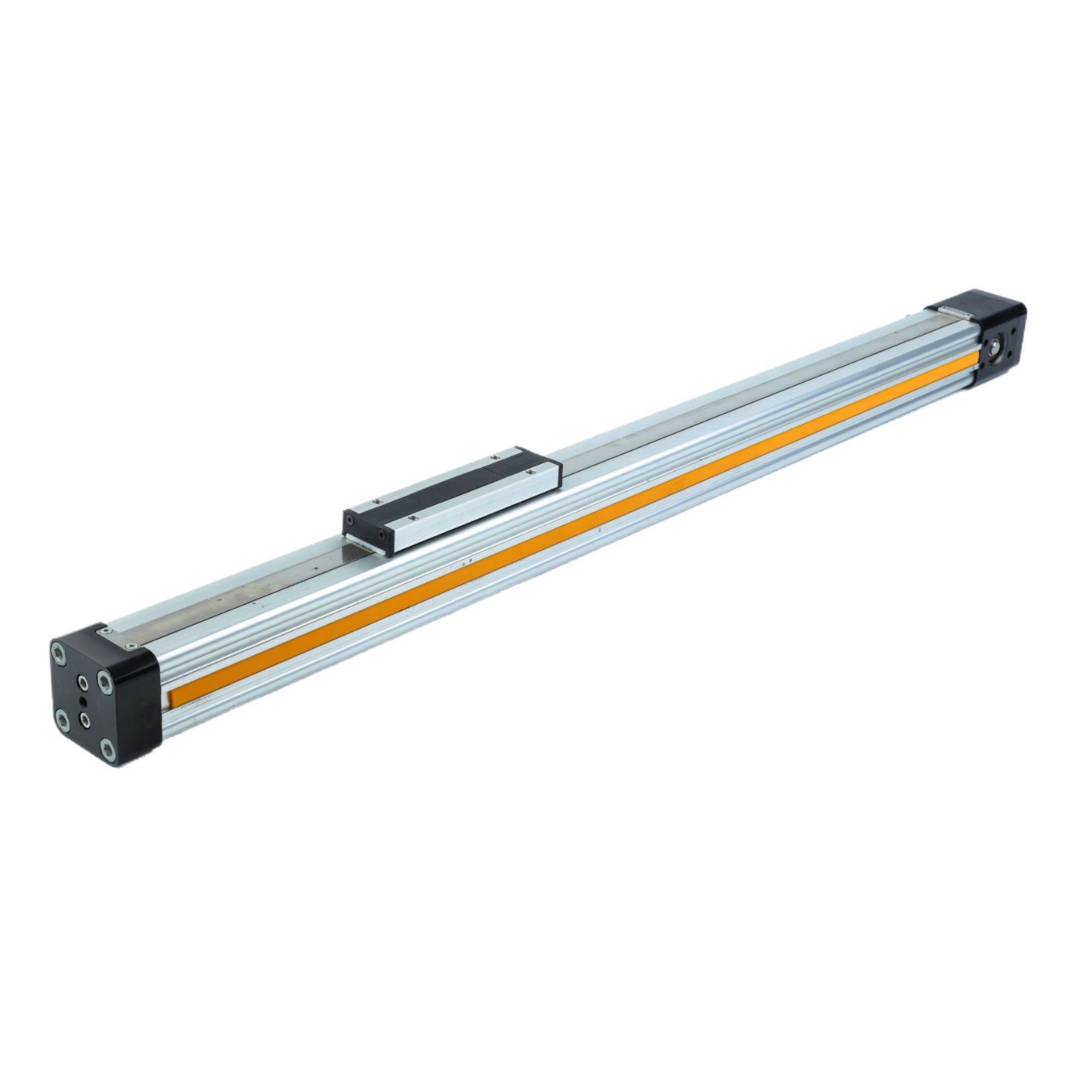
The surface wears down over time. Serrations flatten. Seal quality starts dropping. You’ll see it when bags leak or seals look uneven.
Sometimes the jaws are actually fine and it’s just the Teflon tape or silicone cover on the jaw face that’s worn through. That’s a way cheaper fix. Swap the tape first and see if things improve before you spend money on new jaws.
Alignment is the other thing. Upper and lower jaws have to meet evenly or you get seals that are strong on one side and weak on the other. And most jaw sets are machine-specific, so get the right part number when ordering. Universal jaws from third-party suppliers are hit or miss.
2. Heater Elements and Temperature Sensors
Heater elements live inside or behind the sealing jaws. They provide the heat. And they burn out. Just a question of when.
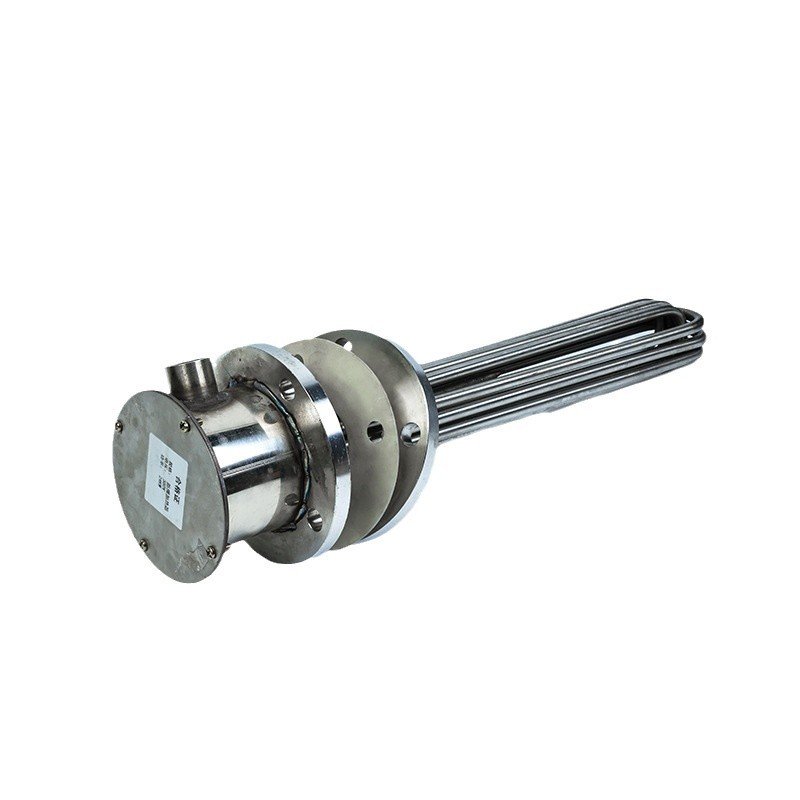
Cartridge heaters are what you’ll see most often. They slide into holes drilled in the jaw body. When one goes, that section of the jaw runs cold. You get weak seals or no seal at all in that spot.
Band heaters are less common but show up on some machines. They wrap around the sealing bar instead of going inside it.
Temperature sensors, usually RTDs or thermocouples, tell the controller how hot the jaws are. When a sensor goes bad it doesn’t always stop the machine. It just feeds the controller wrong data.
So the jaws could be running 20 degrees hotter than what the screen shows. You won’t know until product burns or seals start looking off. Keep spares of both heaters and sensors. They’re cheap compared to the downtime.
3. Cutting Blades and Knives
Every packing machine that cuts film has a blade somewhere. Straight knife, serrated blade, rotary cutter. Depends on the machine.
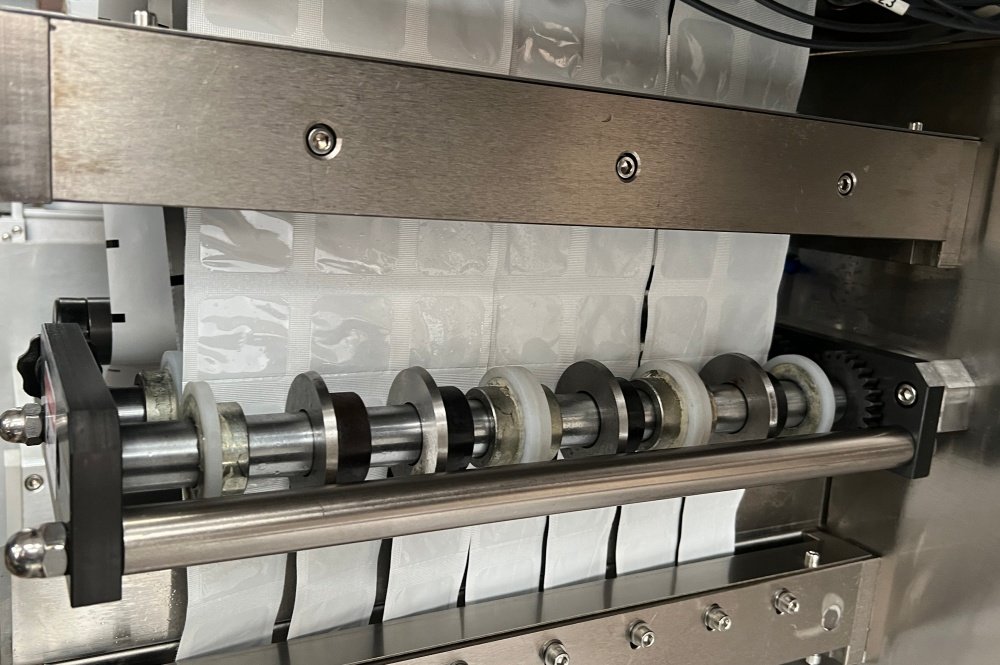
They dull over time and start tearing film instead of cutting clean. Ragged edges on bags, incomplete cuts, film jams where a bag didn’t fully separate. Dull blades also make the motor work harder, which puts stress on the drive.
Getting the right replacement blade is where people trip up. No universal size. Pull the old one out, measure it, or look up the part number in your manual. Don’t guess.
Some operators try sharpening dull blades instead of replacing them. Works once, maybe twice. After that the geometry changes enough that cuts get worse. Just replace it.
4. Belts
Packing machines are full of belts. Pull belts move film through the machine. Conveyor belts carry product. Timing belts keep everything in sync.
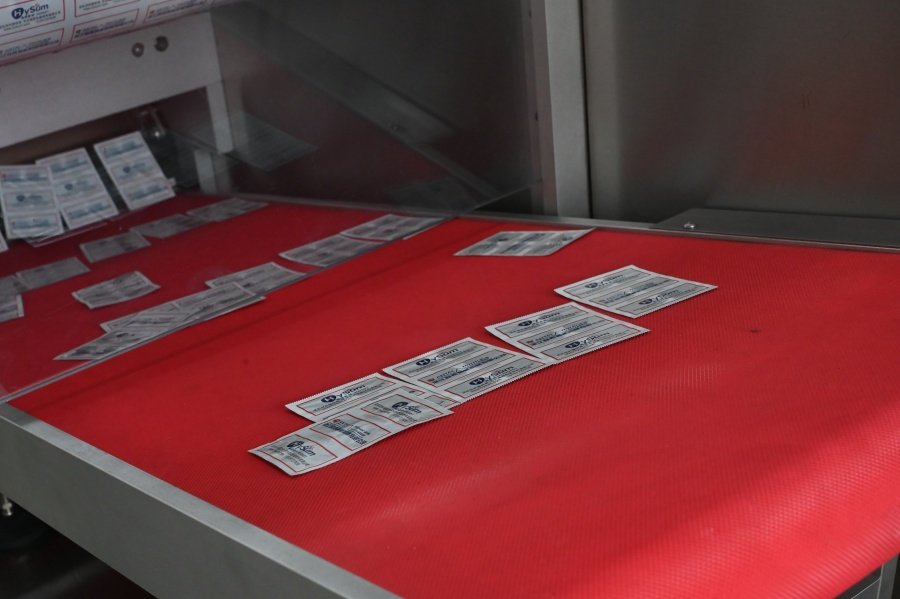
Pull belts take the most abuse because they’re gripping and dragging film all day. Friction belts are cheaper but don’t last as long. Vacuum belts cost more upfront but hold up way better, especially if you’re running dusty or sticky product.
Timing belts are sneaky. They don’t wear out as fast but when one goes, the whole machine loses its coordination. Seals land in the wrong place. Cuts are off. Everything downstream falls apart. Watch for cracking on the edges or squealing. That’s your warning.
Conveyor belts take hits from product weight and rough handling. Fraying, tracking off center, stretched spots. A bad conveyor belt can dump product or jam the machine.
When a conveyor belt finally breaks, replacing it usually means tearing into the whole assembly. Easier to catch it early during a scheduled stop than deal with it mid-run.
5. Bearings and Bushings
Bearings are in rollers, shafts, conveyor drives, and anywhere something spins on the machine. Not expensive. But they cause expensive damage when they seize up.
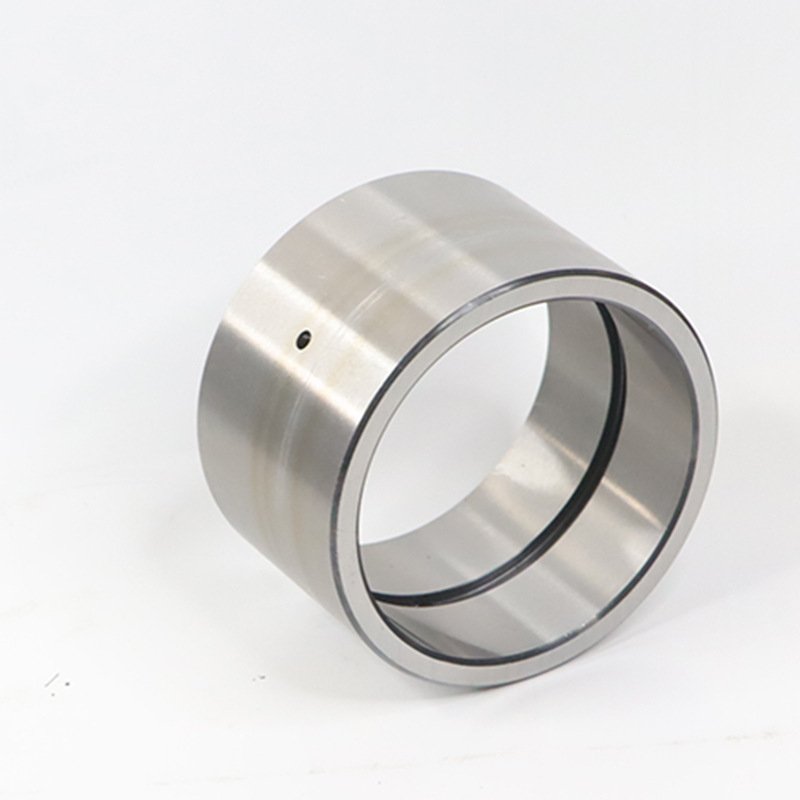
A failing bearing makes noise. Grinding, clicking, squealing. That’s your cue. A seized bearing can wreck a shaft, burn out a motor, or destroy a roller. At that point you’re fixing a lot more than a $10 bearing.
Bushings are simpler. Bronze or plastic sleeves between moving parts. They wear slowly and quietly. You usually don’t notice until something wobbles or gets sloppy. When you swap in a new bearing, check the shaft too. Scoring or wear marks will chew through the new one faster than you’d think.
6. Rollers and Idlers
Rollers guide the film and product through the machine. Idlers keep tension on the film web. Both types wear out, and when they do, you see tracking problems and uneven film feed.
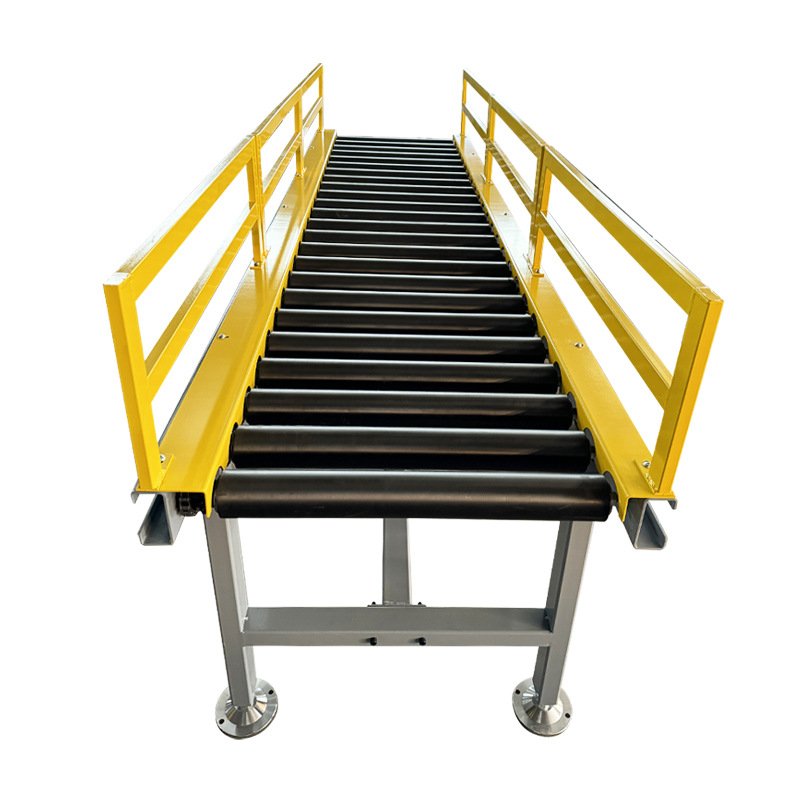
Rubber coatings on rollers wear flat or develop grooves over time. When that happens the roller loses grip and the film starts slipping or wandering. A roller that’s even slightly out of round causes a bump on every rotation, which shows up as uneven seals or wavy film.
Idler rollers spin freely on bearings. If the bearing inside one locks up, it stops spinning and starts dragging against the film instead. That scuffs the film, builds up heat from friction, and can even melt through thinner materials.
Check your rollers during scheduled downtime. Spin each one by hand. It should turn smoothly with no rough spots or wobble. If it doesn’t, swap it before it causes a bigger issue on the next run.
7. Pneumatic Components
Lots of packing machines use compressed air. Sealing jaws open and close on air. Product pushers, bag grippers, cutting mechanisms. Pneumatics are everywhere.
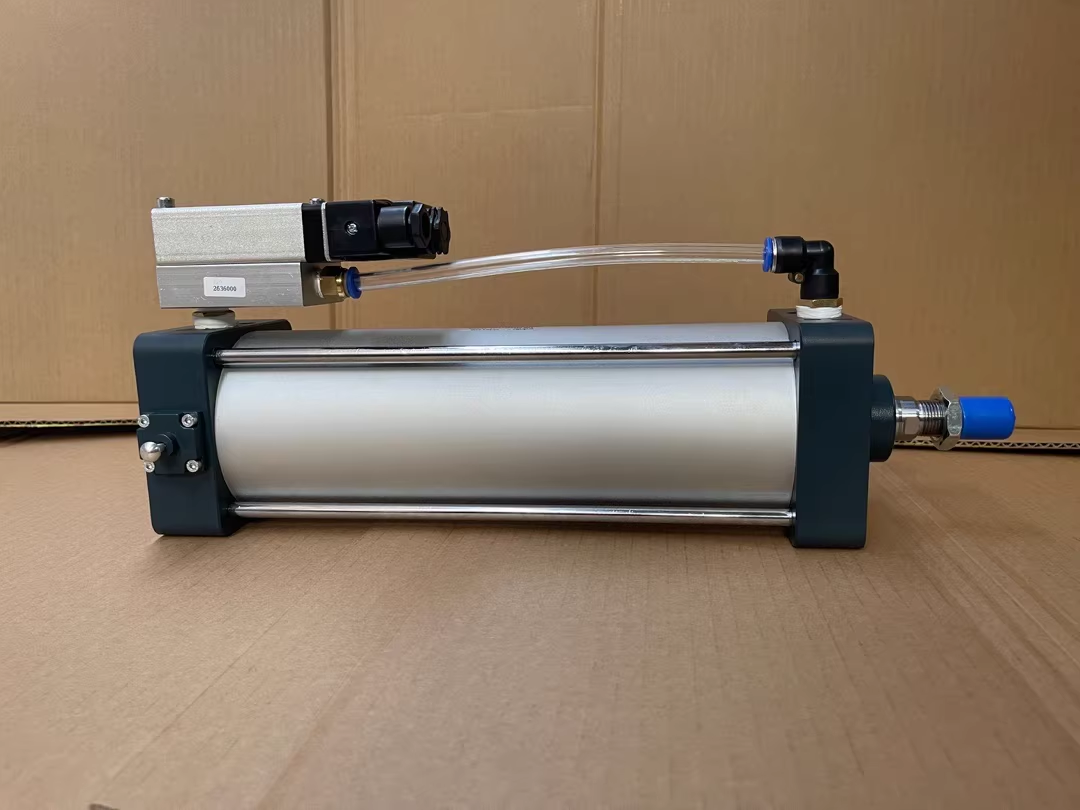
Air cylinders eventually lose their internal seals. When that happens, the movement gets slow and weak or stops working entirely. Solenoid valves stick or burn out. Fittings crack. Tubing gets hard and brittle and splits.
Small air leaks are the worst because they don’t cause obvious failures. The machine just gradually gets less consistent and nobody can figure out why. By the time someone notices, there might be four or five leaks.
Best way to find them is to pressurize the machine when it’s not running and listen for hissing. Walk around the whole machine. You’ll find them.
You need to know bore size and stroke length for cylinders, and voltage and port size for solenoid valves when ordering replacements. Write those numbers down somewhere before you need them.
8. Sensors and Photoeyes
Sensors are what keep the machine aware of what’s happening. Film position, product detection, bag registration. When one fails or gets dirty, the machine either stops or starts making bad product.
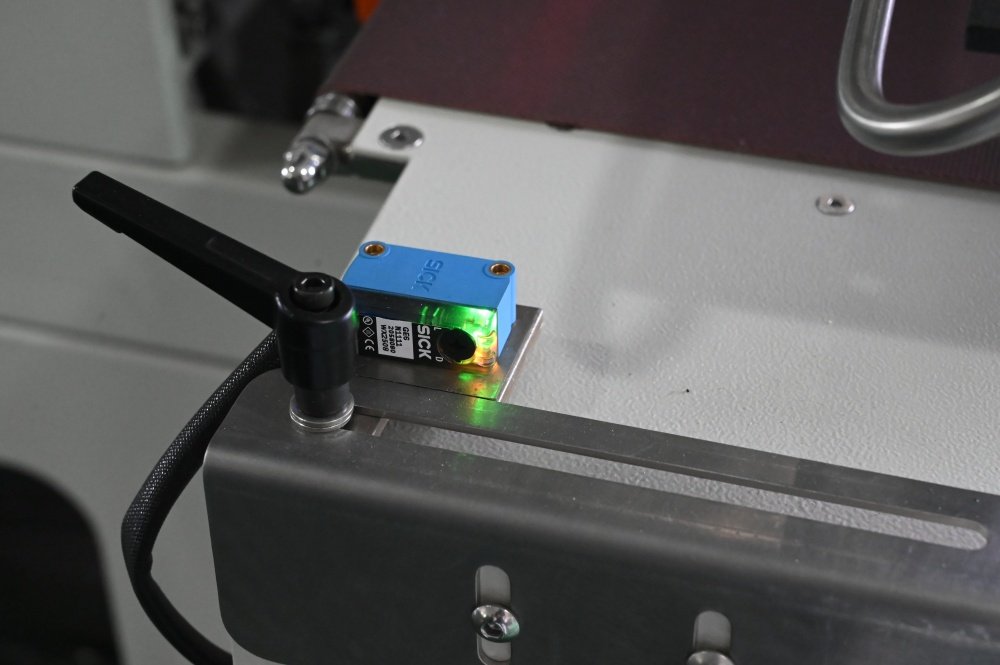
Photoeyes read registration marks on the film. They’re what keeps the cuts and seals hitting the right spot. Dusty photoeye? Film drifts. Every bag comes out wrong. Sometimes you just need to wipe it with a cloth and you’re good.
Proximity sensors detect whether mechanical parts are in the right position. Different types for different uses. Inductive for metal, capacitive for non-metal, magnetic for cylinders. Wiring on these can corrode or shake loose over time, especially on machines that vibrate a lot.
9. Gaskets, O-Rings, and Seals
These are the little rubber and silicone bits that keep air in, moisture out, and product where it belongs. You’ll find them in the pneumatic system, around filler nozzles, inside vacuum chambers, and on valve seats.
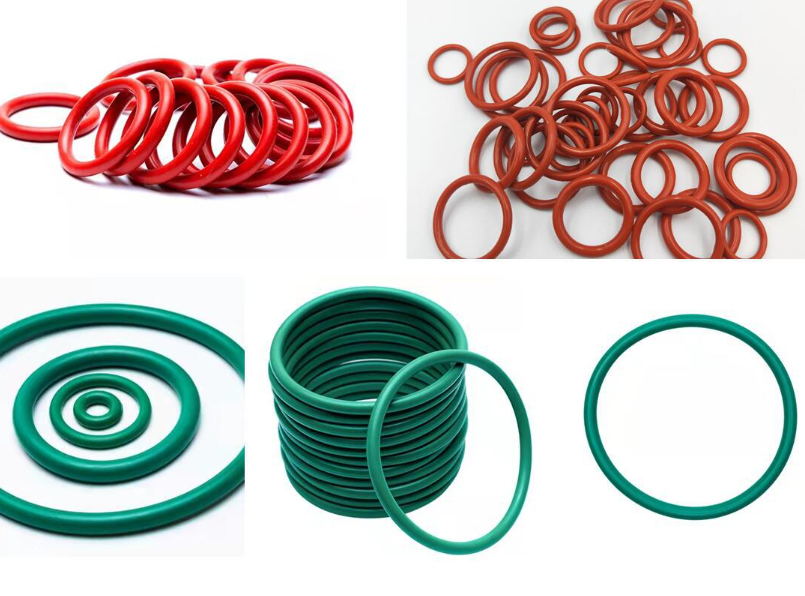
Cheapest spare parts you’ll buy. But a 50-cent O-ring that cracks can shut down the whole line. Rubber hardens. It splits. Or it swells up from cleaning chemicals and jams a valve shut.
Heat kills them too. Any O-ring sitting near a sealing station gets blasted with heat cycles all shift long. That breaks down the material faster than people expect.
Keep a kit of common sizes on the shelf. Takes up no room. And when you need one at 2 AM on a Friday, you’ll be glad it’s there. Material matters too. Silicone handles heat. Viton handles chemicals. Wrong material for the job means you’re replacing it again in a month.
10. Electrical Components
Fuses, relays, contactors, and terminal blocks. They’re not glamorous but when one fails it can take a while to track down.
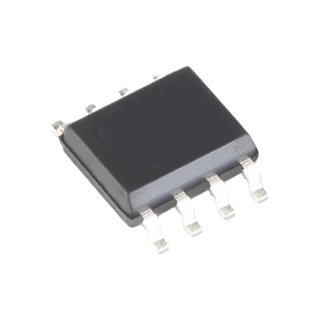
Fuses blow from power surges or short circuits. Easy to replace if you have the right amp rating on hand.
Relays and contactors switch power to motors and heaters. They have a finite number of cycles before the contacts wear out. A chattering relay usually means the coil is going bad.
Terminal blocks are connection points for wiring. The screws loosen over time from vibration, which creates intermittent connections. You get weird faults that come and go. Tightening all the terminal screws during scheduled maintenance prevents a lot of those mystery problems.
11. Motors, Gearboxes, and Drive Components
Motors and gearboxes fail less often than the other stuff on this list. But when one goes, it hurts. More downtime, bigger cost, and usually no quick workaround.
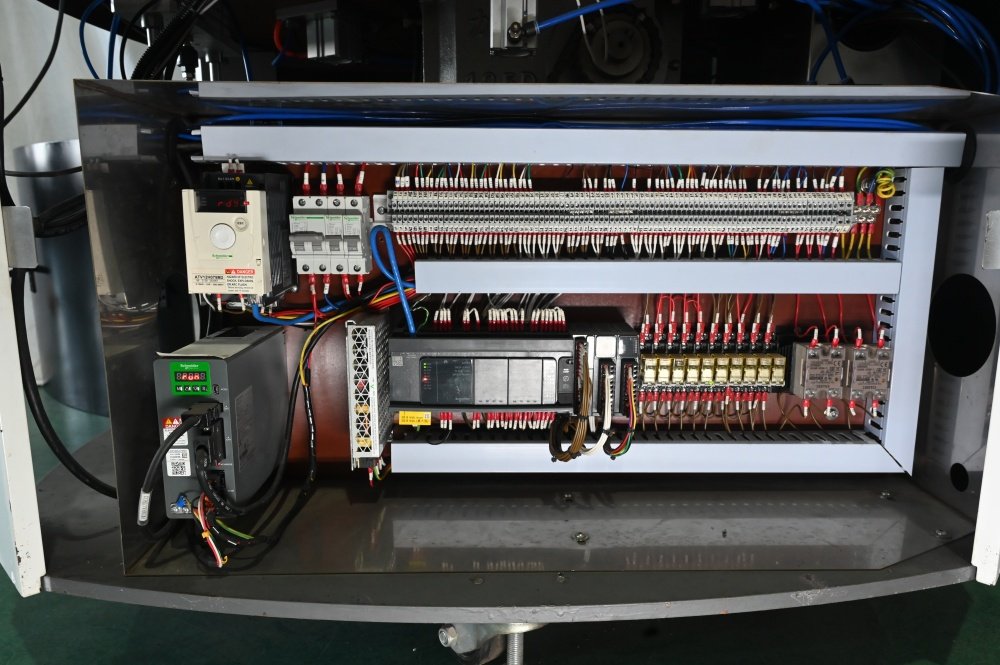
Servo motors and steppers control film advance, filler dosing, and conveyor speed. Precise and not cheap. If you run several machines of the same model, having one spare motor on the shelf is smart.
Gearboxes connect motors to whatever they’re driving. They can wear out internally even when the motor is fine. Noise or play in the output shaft means it’s going. Catch it before it locks up.
Sprockets, chains, couplings, and drive shafts are the mechanical links in the system. Worn sprockets eat chains. Loose couplings cause vibration. Stretched chains skip teeth and throw timing off, same as a bad belt.
Keeping a chain tensioner adjusted and couplings aligned is quick maintenance that prevents much bigger problems later.
Stocking the Right Spares
Knowing every packing machine spare parts name on this list only gets you halfway there. The other half is having the right ones on the shelf when you actually need them.
Figure out which parts wear fastest on your machines and stock those first. Check the manuals for recommended spares lists.
And every time a part fails, write the part number down somewhere easy to find. Doesn’t have to be fancy. A spreadsheet, a notebook taped to the machine, whatever. Just make sure the info is there when you need it next time.