 English
  Russian
  Turkish
  Spanish
  French
  German
  Japanese
Coating Process in Pharmaceutical Industry 101 Guide
The sweet taste and smooth finish of a pill is the first thing a patient notices. It’s a key benefit
 Skip to content
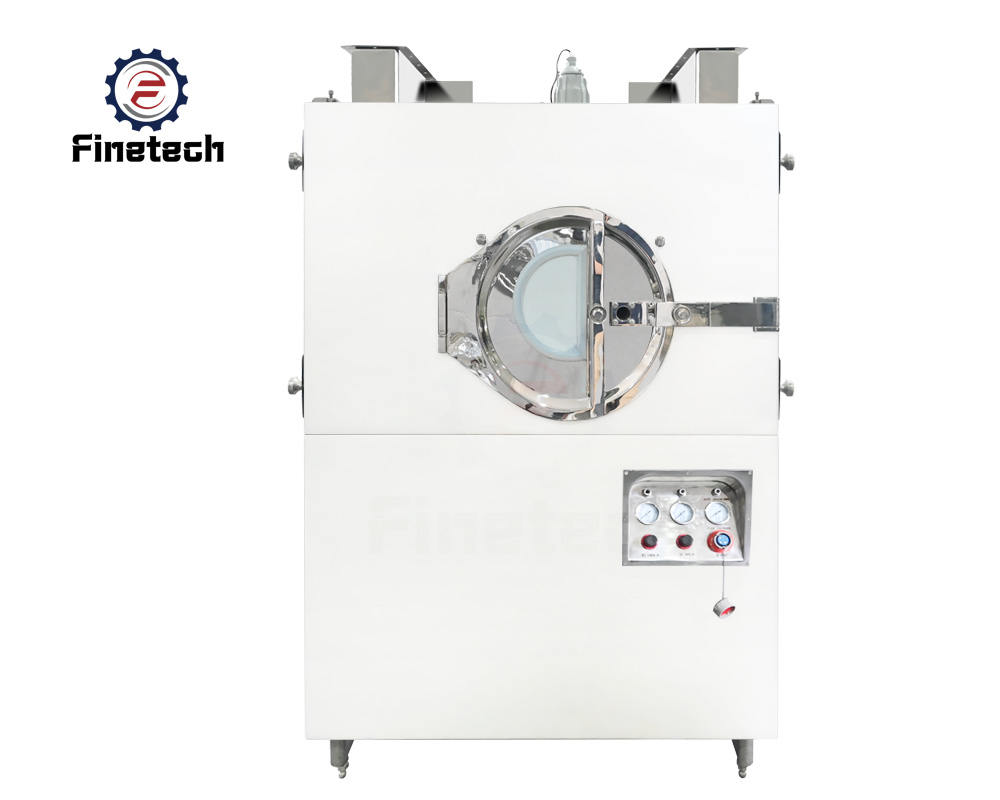
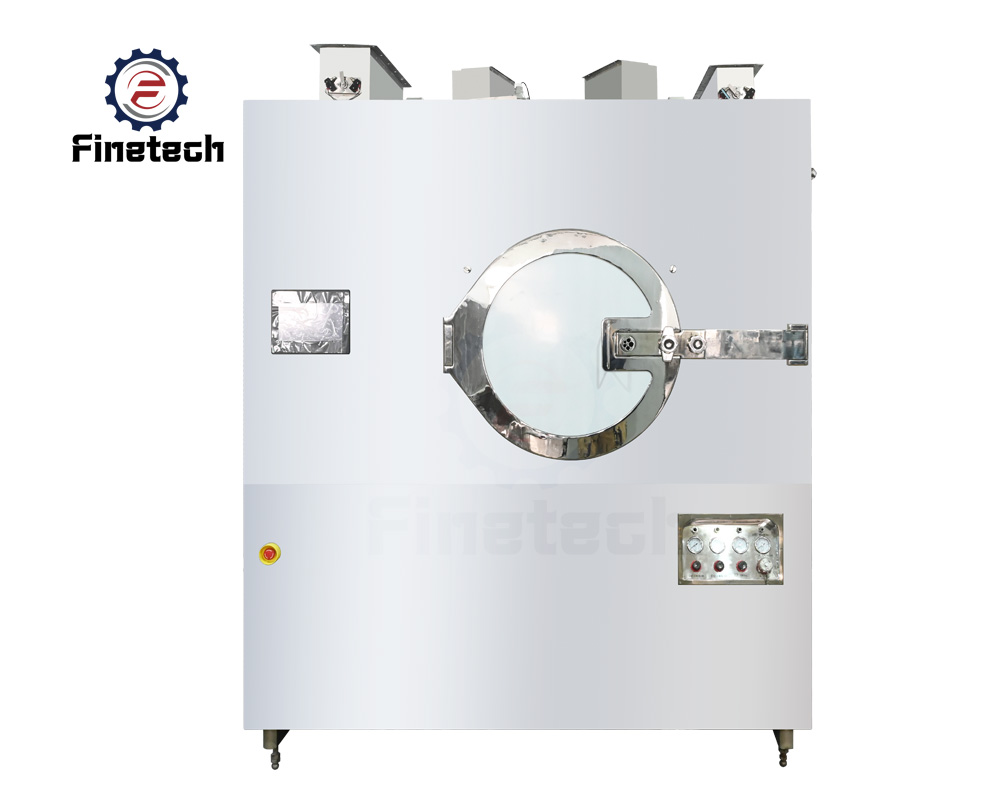


Allows you to easily adjust air pressure, temperature, and atomization function options.

The high quality of our tablet coating machines comes from our technicians’ experience and focus on every detail.
The sweet taste and smooth finish of a pill is the first thing a patient notices. It’s a key benefit
Making medicines needs special machines for many jobs. Coating tablets is a key step that helps drugs work well and

Tablet coating may look simple on the surface, but anyone in pharma manufacturing knows it’s where things usually go wrong.
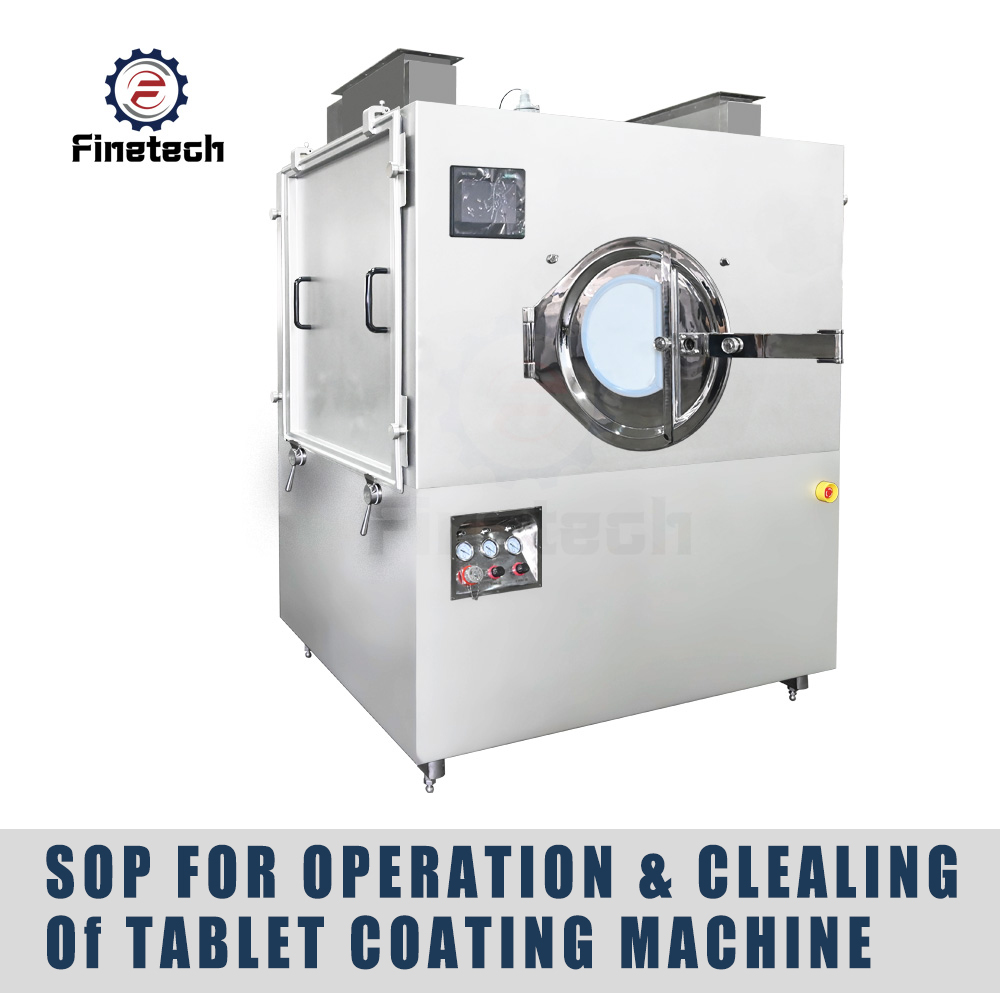
A tablet coating machine helps protect tablets and makes them easier to swallow and store. Using it the right way
Yep, sure!!!
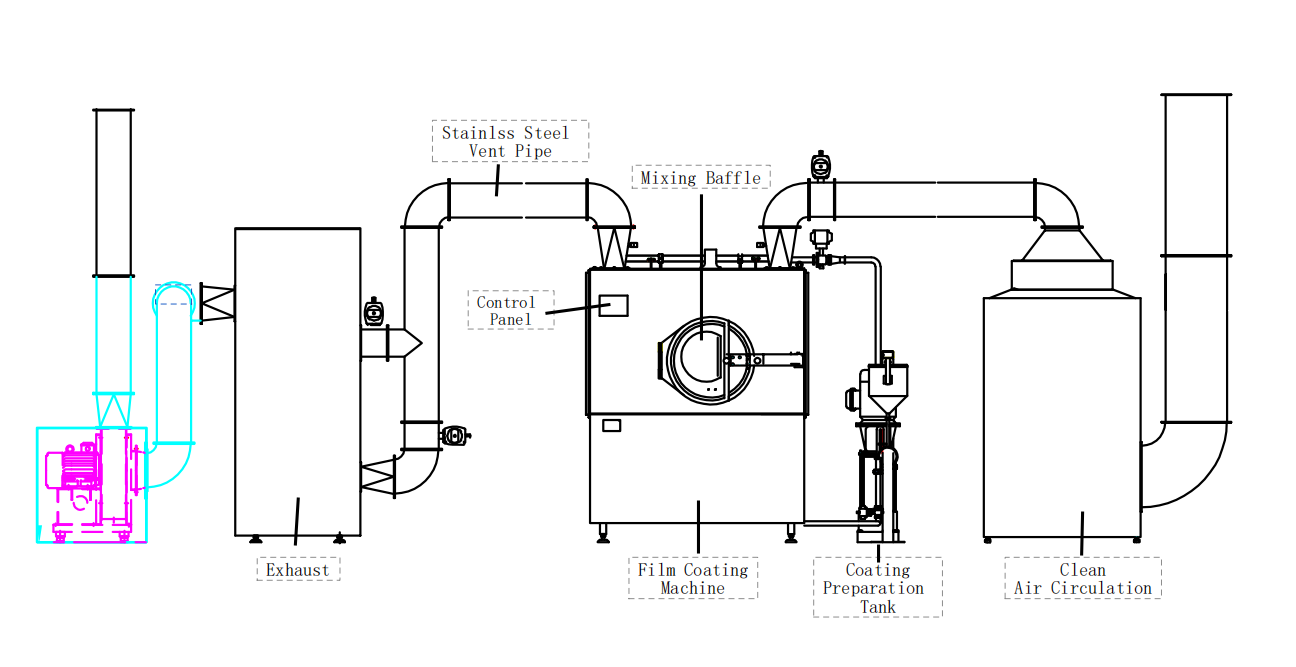
A tablet coating machine applies a thin, uniform layer of coating material onto tablet cores. Key purposes include:
Taste masking (bitter APIs)
Moisture protection (hygroscopic materials)
Light protection (photosensitive drugs)
Controlled release (enteric, sustained-release coatings)
Identification (brand colors, markings)
Swallowability improvement (smooth surface)
Mechanical protection (reduce chipping/dusting)
Standard Pan Coaters: Conventional coating pans (angled, rotating)
Perforated Pan Coaters:
Accela-Cota™: Baffled pan with perforations
Driacoater™: Fully perforated drum
Hi-Coater™: Angled perforated pan
Fluid Bed Coaters: Wurster bottom-spray systems for pellets
Continuous Coaters: For high-throughput production
| Sugar Coating | Film Coating |
|---|---|
| Thick coating (30-50% weight gain) | Thin coating (2-5% weight gain) |
| Multiple layers (subcoat, smoothing, coloring, polishing) | Single polymer layer |
| Long process time (hours/days) | Short process time (1-3 hours) |
| Requires skilled operators | Automated, reproducible |
| Uses sucrose-based solutions | Uses polymer solutions (HPMC, PVP, etc.) |
| Rounded, glossy appearance | Retains tablet shape, smooth finish |
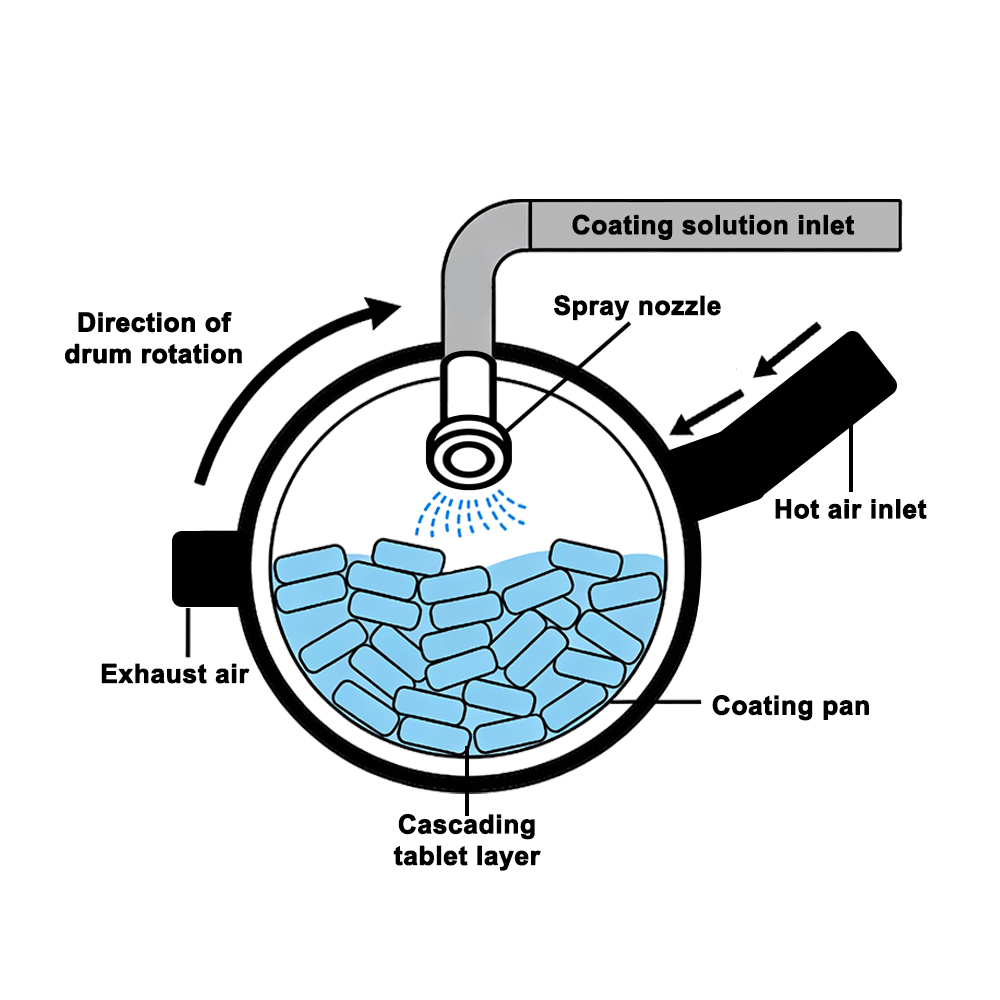
Coating Pan: Rotating drum (perforated or solid)
Spray System:
Guns/Nozzles: Typically pneumatic or airless
Pump: Peristaltic or piston pumps for coating solution
Air Supply: Atomizing and pattern air
Air Handling System:
Inlet Air: Heated, filtered air supply
Exhaust Air: Removal of solvents/moisture
Control System: PLC/HMI for parameter control
Dust Collection: Filters to recover fines
Discharge System: For coated tablets
Baffles are angled plates inside the coating pan that:
Improve tablet mixing and uniformity
Prevent tablet sliding (promote cascading motion)
Enhance drying efficiency by exposing all tablets to air
Reduce tablet-to-tablet impact (minimize attrition)
Spray Rate: Volume of coating solution per minute
Atomizing Air Pressure: Creates droplet size (typically 1-3 bar)
Pattern Air Pressure: Controls spray shape/flattening
Inlet Air Temperature: Typically 40-70°C (depends on coating type)
Bed Temperature: Key indicator (usually 30-45°C)
Pan Speed: RPM (affects mixing and attrition)
Exhaust Air Temperature/RH: Indicates drying efficiency
Gun-to-Bed Distance: Typically 6-12 inches
Preheating: Warm tablets and equipment
Spraying: Apply coating solution in multiple passes
Drying: Evaporate solvent between spray cycles
Sealing: Initial moisture barrier (for hygroscopic cores)
Color Coating: Main coating layer(s)
Polishing: Final glossy layer (if required)
Cooling: Before discharge
Unloading: Through discharge port
Proper tablet mixing (correct pan speed/baffle design)
Optimized spray pattern (overlap, coverage)
Consistent droplet size (proper atomization)
Adequate drying between spray passes
Weight gain monitoring during process
Immediate Release: HPMC, PVP, PEG-based
Enteric Coatings: Cellulose acetate phthalate (CAP), HPMC phthalate, Eudragit® L/S
Sustained Release: Ethyl cellulose, Eudragit® RL/RS
Aqueous vs. Organic: Water-based (common) or solvent-based (for moisture-sensitive APIs)
Inspect daily: For wear, clogging, or damage
Clean after each batch: Prevent buildup
Replace when:
Wear affects spray pattern
Droplet size becomes inconsistent
Visible damage/corrosion
Every 6-12 months (preventive)
| Aqueous Coating | Organic Solvent Coating |
|---|---|
| Water-based solutions | Alcohol, acetone, or other solvents |
| Safer (non-flammable) | Fire/explosion hazards |
| Environmentally friendly | Solvent recovery needed |
| Slower drying | Faster drying |
| Suitable for most drugs | For moisture-sensitive APIs |
| Now industry standard | Declining use due to regulations |
Weight gain (2-5% typical for film coating)
Coating uniformity (color, thickness)
Dissolution profile (for functional coatings)
Appearance (smoothness, gloss)
Friability (post-coating)
Moisture content
Taste masking efficiency
We have various types of coating pans, all made of 316L stainless steel.
316L Coating Pan