English
 Russian
 Turkish
 Spanish
 French
 German
 Japanese

In pharmaceutical manufacturing, what happens between production stages matters just as much as the stages themselves. Raw materials need to move, powders need to be stored without contamination, and batches need to be transferred from one process to the next.
This is exactly what a pharma bin is designed for.
A pharma bin is a stainless steel container used for the storage, handling, transfer, and, in some cases, mixing of solid materials such as powders and granules.
In this guide, we will cover what a pharma bin is, the different types available, what materials to look for, and how to choose the right one.
What Is a Pharma Bin?
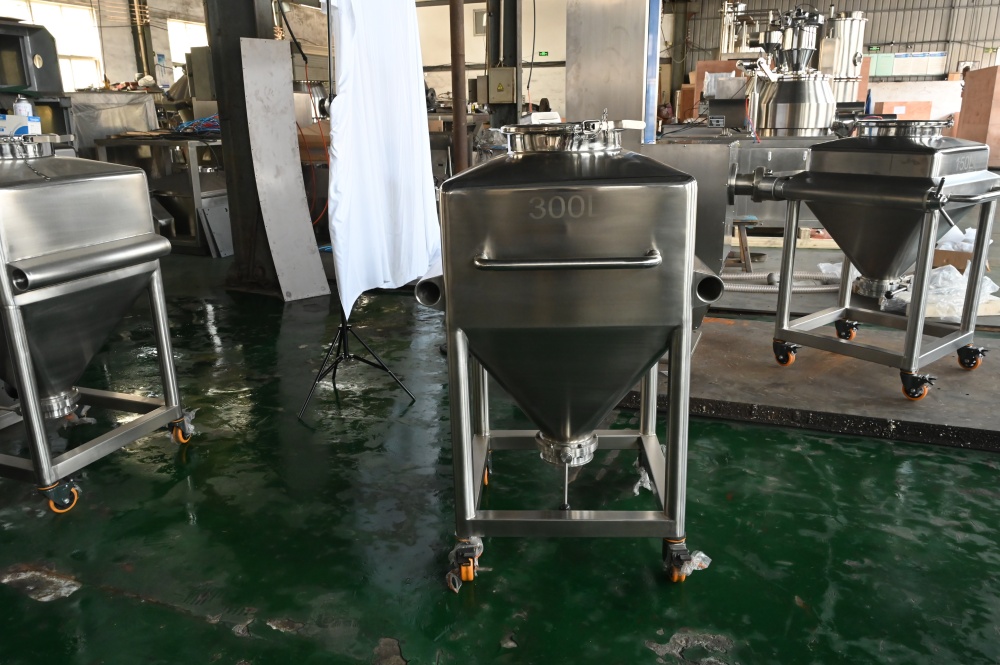
A pharma bin is a stainless steel container used for storing, transferring, and handling solid materials such as powders and granules. It is one of the most fundamental pieces of equipment on a production floor.
In a typical workflow, materials move through dispensing, blending, granulation, drying, milling, and compression. At every transition, materials need a clean, sealed, and traceable vessel. Without it, every handoff between processes becomes a contamination risk.
If that happens, studies show that a contamination incident in food manufacturing carries an average recall cost of $10 million per incident. Now, even though this stat is specific to the food industry, you get an idea of the regulatory consequences of contamination for any manufacturing facility.
Four Types of Pharma Bins
Pharma bins are not one-size-fits-all. Each type is designed for a specific function within the manufacturing workflow. Here is what each one does and where it fits:
1. IBC Bins (Intermediate Bulk Containers)
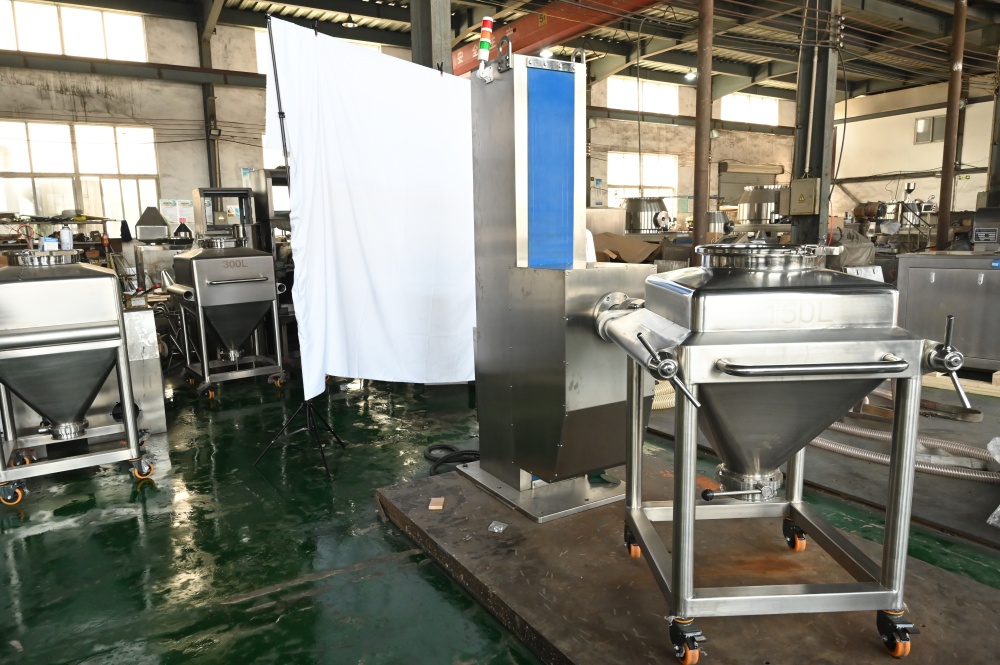
IBC bins are large-capacity containers designed for the storage, transport, and discharge of bulk solid materials across multiple production stages. They are built to integrate directly with blending, milling, and compression equipment systems.
These allow materials to move through the facility without manual handling or exposure. IBCs are the most versatile type in pharmaceutical manufacturing and are widely used in high-volume facilities where batch sizes are large.
2. Blending Bins
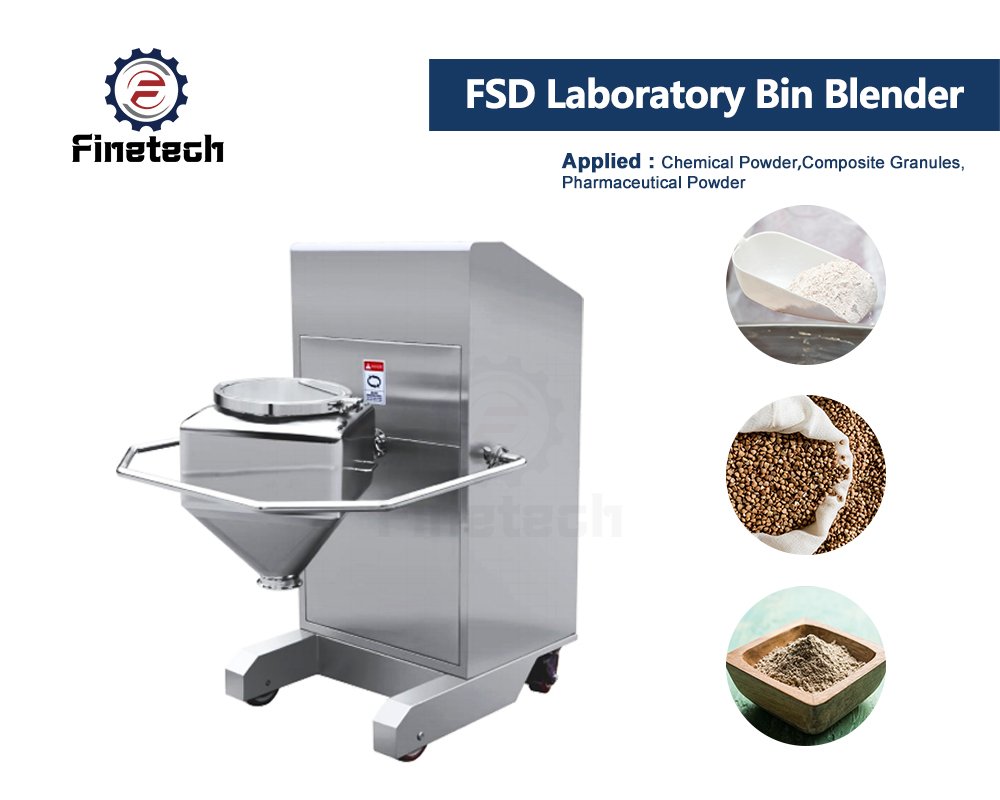
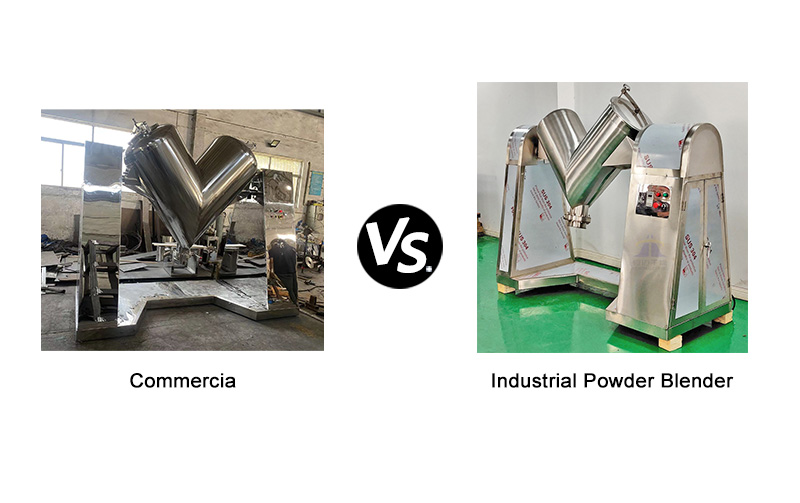
Blending bins are specifically designed to work with bin blenders, allowing powder blending to take place directly inside the container. This eliminates the need to transfer materials into a separate blending vessel.
They are particularly common in solid dosage manufacturing, where homogenous blending is a critical process requirement.
3. Storage and Transfer Bins
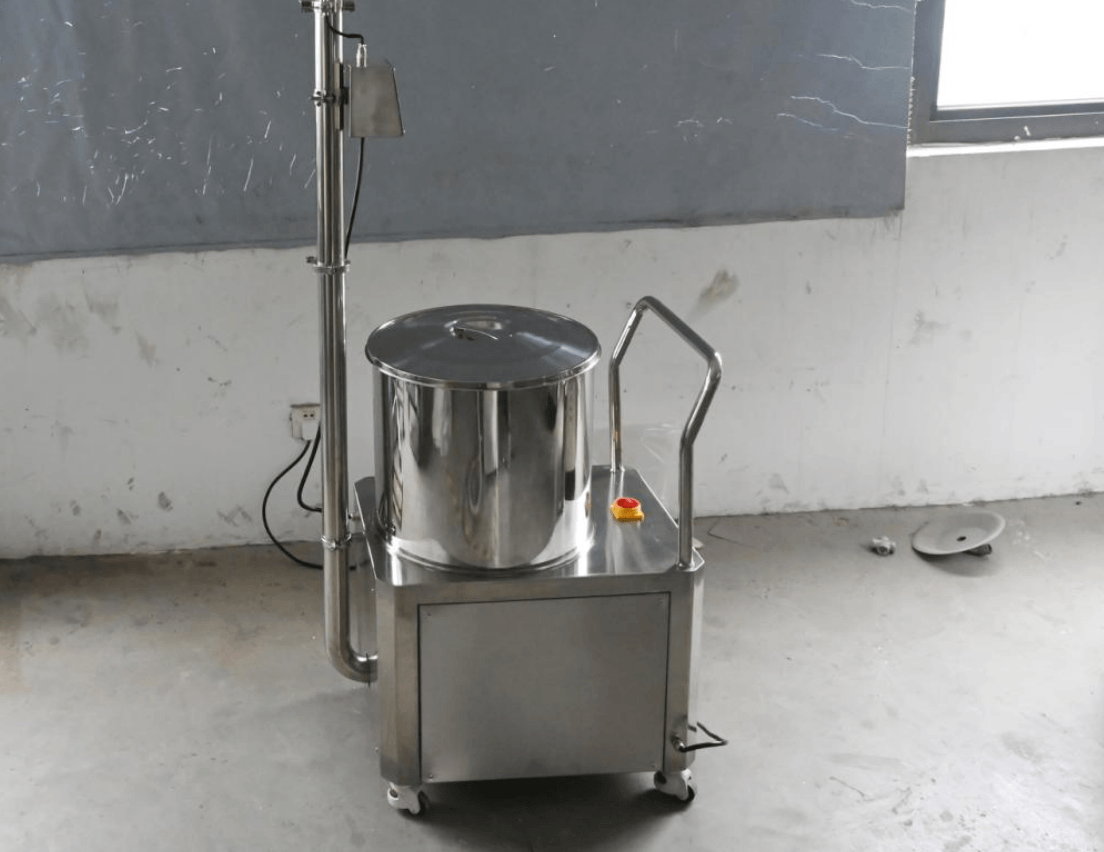
These are standard containment vessels used to hold materials between process stages or move them from one area of the facility to another. They are simpler in design than IBCs or blending bins, but are built to the same GMP standards.
Such pharma bins play a key role in maintaining process flow and keeping materials sealed and traceable between operations.
4. Drum-Style Pharmaceutical Bins
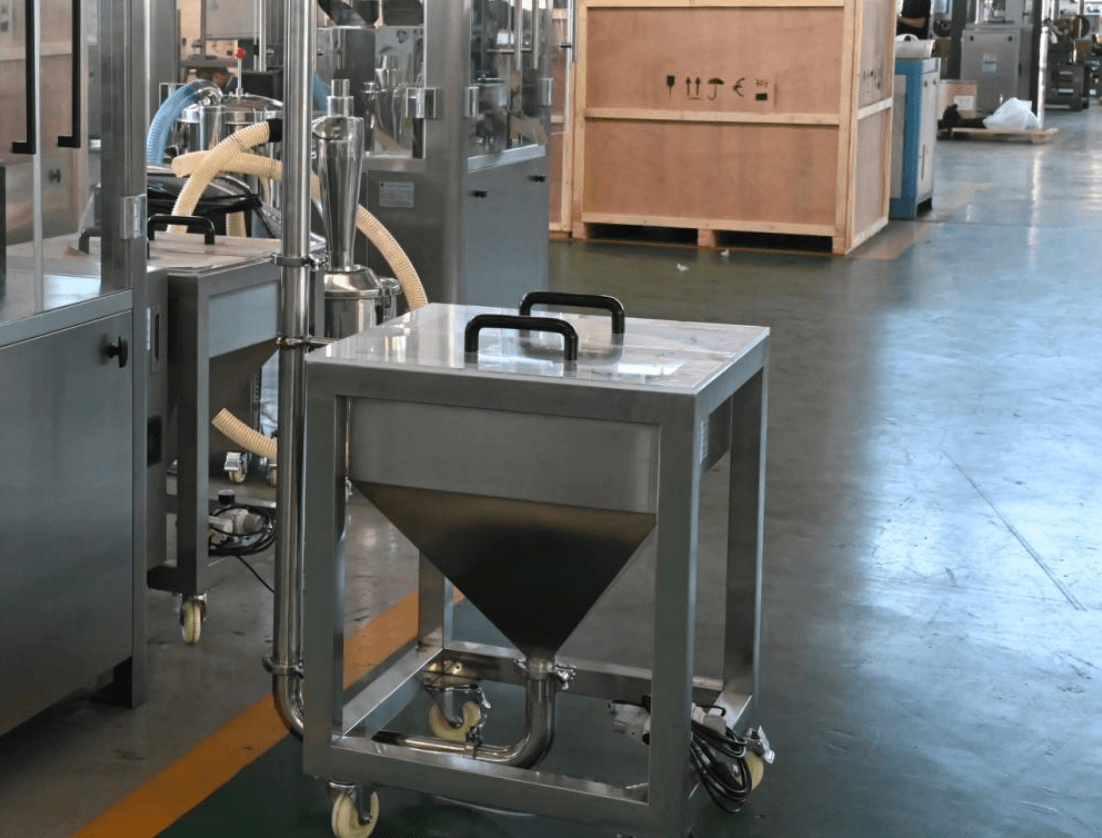
Drum-style bins are smaller, cylindrical containers used for storing and transporting raw materials, intermediates, or finished goods in tightly sealed conditions.
Such bins are commonly used where close containment is required, particularly for materials sensitive to moisture, dust, or cross-contamination. Their compact size makes them practical for smaller batch operations.
Pharma Bin Capacities: How to Choose the Right Size
Choosing the wrong bin size is one of the most common and costly mistakes in pharmaceutical facility planning. To get it right, follow the points below.
Available Capacity Ranges
Pharma bins are available in capacities ranging from 50 litres up to 5000 litres, with standard increments typically at 100, 200, 300, 500, 1000, and 2000 litres.
Smaller bins suit laboratory, pilot, or small-batch production environments. Mid-range capacities between 200 and 1000 litres cover the majority of commercial pharmaceutical manufacturing operations.
Larger bins above 1000 litres are well-suited to high-volume solid-dosage facilities where batch sizes are substantial.
Key Features to Look for in a Pharma Bin
Not all pharma bins are built to the same standard. The features below distinguish a compliant, production-ready bin from one that may cause operational issues later.
1. Sealing and Contamination Prevention
A pharma bin is only as good as its ability to keep materials fully contained between process stages. Look for bins with tight-fitting lids, gasket-sealed closures, and butterfly valves or discharge outlets that close completely.
Any gap in the sealing system is a contamination risk and a GMP compliance issue. This is not an area to compromise on.
2. Mobility and Handling
A bin that is difficult to move slows your entire production workflow down. Look for heavy-duty swivel casters with locking mechanisms, ergonomic handles, and clearly positioned lifting points that are compatible with your facility’s forklift or bin lifter equipment.
Weight distribution and centre of gravity matter, especially at larger capacities, where a poorly designed bin becomes a handling hazard.
3. Compatibility with Bin Blenders and Discharge Systems
If your workflow involves bin blending, the bin must be mechanically compatible with your blender in terms of coupling design, weight capacity, and centre of gravity alignment.
Similarly, discharge outlets must align with your downstream equipment, whether that is a tablet press, capsule filler, or transfer line. Incompatibility at this point creates costly workarounds or equipment modifications that should never have been necessary.
4. Ease of Cleaning and Inspection Access
Cleanability is a regulatory requirement, not just an operational preference. In a 2024 FDA warning letter, a drug manufacturer was ordered to cease all manufacturing operations after failing to conduct adequate cleaning validation.
That’s why your pharma bin must have smooth internal surfaces with no sharp corners, weld seams that are fully polished, and access points that allow complete visual inspection. A bin that cannot be fully cleaned and verified is a liability.
Common Mistakes When Buying a Pharma Bin
Buying a pharma bin seems straightforward until you are dealing with a bin that does not fit your bin blender or fails a GMP audit. Most of these problems trace back to the same avoidable mistakes, such as:
- Wrong Capacity: Undersized bins create extra transfers and handling risk. In contrast, oversized bins are harder to clean, validate, and manoeuvre within the facility. Always size to your actual batch requirement.
- Poor Surface Finish: A bin with rough internal welds or inadequate polishing cannot be properly cleaned or validated. Always confirm Ra surface finish ratings before purchasing, minimum Ra 0.8 for standard pharmaceutical use.
- Equipment Incompatibility: Pharma bin is not mechanically compatible with your bin blender or discharge system. Ensure coupling dimensions, weight limits, and outlet alignment are confirmed before ordering.
- Unverified GMP Credentials: A bin can look compliant without being built to GMP standards. Ask for the material certificates, surface finish documentation, and evidence of past supply to regulated facilities.
- No After-Sales Support: Gaskets wear, valves need replacing, and bins occasionally need repair or recertification. A supplier with no after-sales infrastructure leaves you managing that alone.
FAQs
1. Can a pharma bin affect product quality?
Yes. Poorly designed containers can expose materials to moisture, dust, foreign particles, or cross-contamination. A properly designed pharma bin helps maintain material integrity throughout storage and transportation.
2. How long does a stainless steel pharma bin typically last?
A high-quality stainless steel pharma bin can last 10 to 20 years or longer with proper maintenance. Many facilities continue using the same bins for decades while replacing seals, wheels, or accessories as needed.
3. What cleaning challenges are common with pharma bins?
Common issues include powder accumulation in weld joints, hard-to-reach corners, damaged seals, and inadequate drying after washing. Hygienic design minimizes these challenges.
4. What is the biggest mistake companies make when buying pharma bins?
Many buyers focus only on capacity and price while ignoring material compatibility, cleaning requirements, handling systems, and facility workflows. A cheaper bin can become expensive if it creates cleaning bottlenecks or product contamination issues.
Talk to Finetech About Your Bin Blending Setup
To find the right pharma bin, you also need to think about the equipment it integrates with. A bin that is not compatible with your blender creates handling issues and production delays that no amount of troubleshooting can fix.
Once you find a pharma bin that works perfectly with your system, come back to Finetech and get the perfect bin blender for it.
We have over three decades of experience and have served clients in more than 10 countries. In short, Finetech has the credentials and after-sales support to back every piece of equipment it supplies.
Contact Finetech today to find the right combination of machines!