Capsule Filling Service: A Guide for Small Manufacturers
Not every small manufacturer is ready to invest in a capsule filling machine. And honestly, at low volumes, you should not have to. A capsule filling service lets you outsource
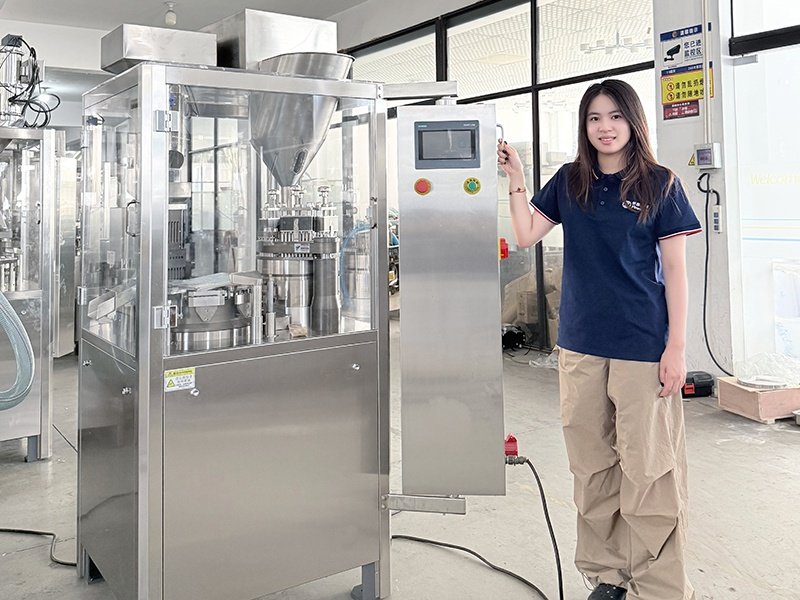
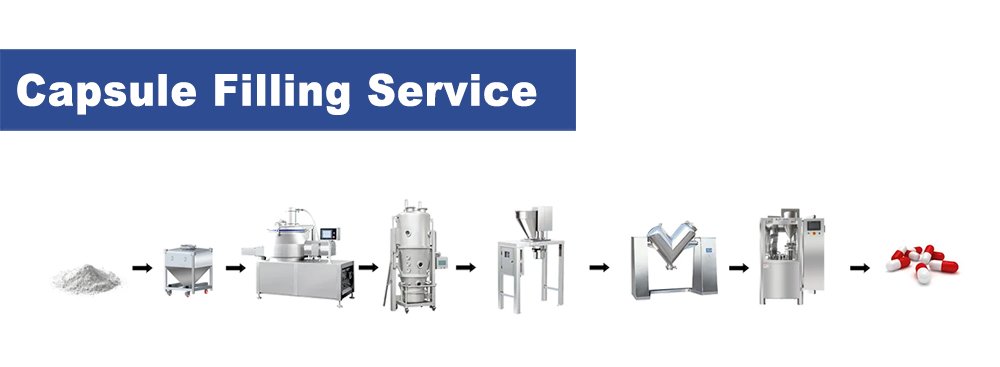
Fully automatic capsule-filling machine feeds, orients, separates, doses, closes, and discharges hard capsules in a single indexed cycle. Standard configurations handle powders, granules, or pellets. The automated process reduces manual transfer and supports repeatable commercial production, while model, dosing system, and tooling choices align the equipment with the formulation and target output.

A fully automatic capsule filling machine turns empty shells into filled, locked capsules in one continuous process. Empty capsules enter the machine and are placed in the correct position. The machine separates the cap from the body and adds the required dose. Any capsule that does not open properly is removed. The filled capsules are then closed, locked, and released for polishing or packaging. This cycle repeats automatically, giving manufacturers steady output with far less manual handling. An operator remains in control by loading materials, watching the process, and checking the finished capsules.
Finetech offers NJP models with rated outputs from 24,000 to 432,000 capsules per hour. Standard configurations fill powders, granules, or pellets into hard gelatin or HPMC capsules. Liquids, mini-tablets, and combination fills need a dosing system designed for the product. The right model depends on four essentials: the product you want to fill, your capsule size, the required dose, and your target output per shift. Finetech can test your actual product and capsule shells before confirming the setup. This helps you choose a machine built around your production needs from the start.
Automated feeding, separation, dosing, locking, and discharge replace repeated tray transfers. Operators concentrate on material supply, in-process checks, and alarm response. This provides a practical route to higher batch output without adding manual handling in direct proportion to production volume.
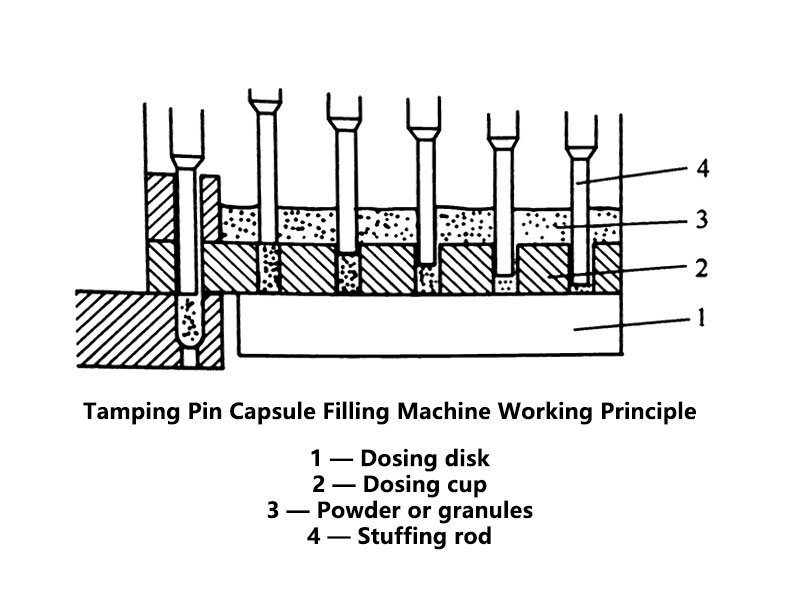
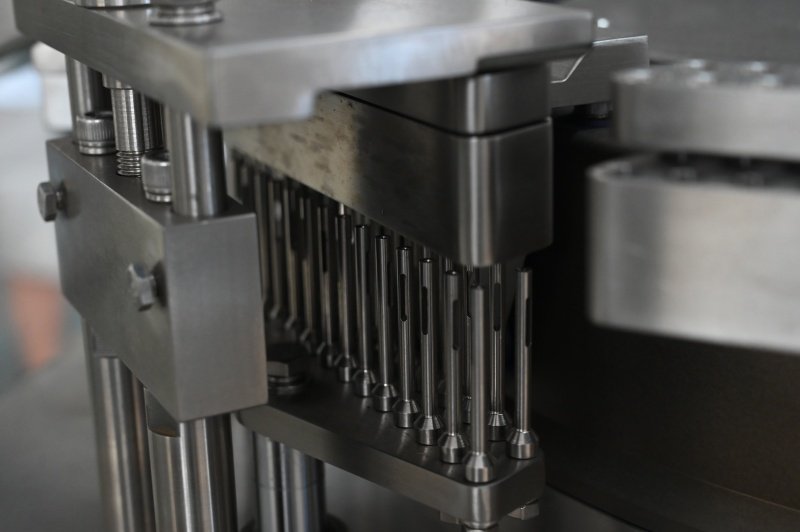
In powder configurations, dosing-disc bores and tamping pins form plugs before transfer into capsule bodies. Adjustable powder-bed and tamping settings support target fill-weight control. Actual repeatability still depends on flow, density, moisture, static, shell quality, setup, and sampling practices.
The discharge can feed a capsule polisher, sorter, checkweigher, metal detector, counter, blister machine, or bottling line. Specifying interface heights, transfer method, and downstream capacity early helps buyers avoid pairing a fast filler with a slower packaging stage.
Rated speed alone does not determine whether an automatic capsule filler suits a production plant. The formulation, capsule shell, tooling, utilities, room layout, and downstream equipment must all fit the same production plan. Finetech brings more than 30 years of pharmaceutical machinery experience to this work. Its team reviews the product, target output, and factory conditions before recommending an NJP configuration.
That review also guides the selection of polishing, inspection, counting, blistering, or bottling equipment. Finetech can then support installation, commissioning, operator training, validation documentation, change parts, and spare parts. Buyers gain a clearer path from technical review to routine production, with fewer supplier handoffs throughout the project.

We offer fully automatic capsule filling machines from the NJP-200 to the NJP-7200, meeting the needs of both household use and large-scale production.

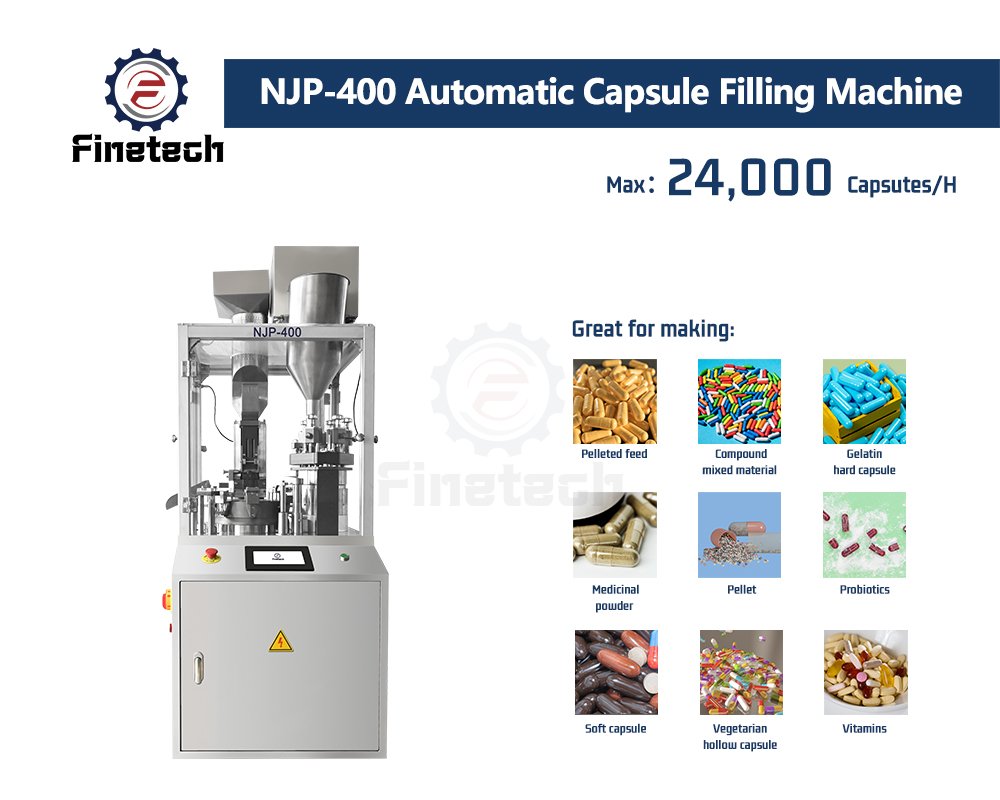
Weight: 800 kg
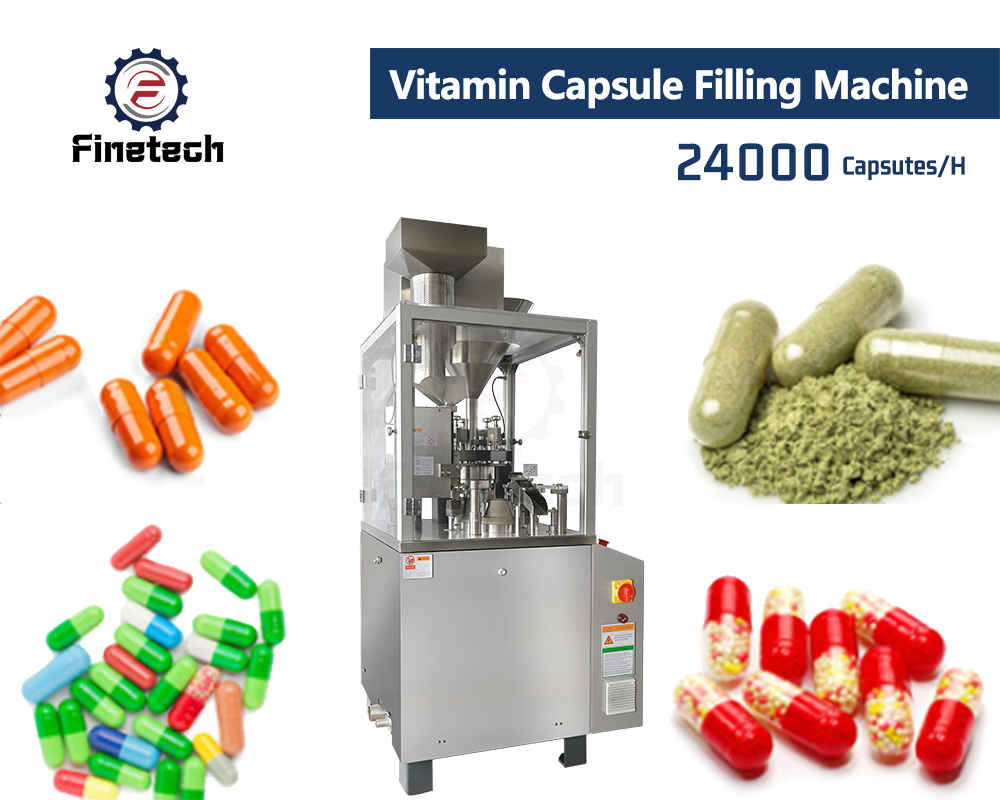
Maximum output: 24000 capsules/hour
Noise Level: ≤ 75dBA
Control System: PLC control with touch screen and frequency conversion control
Motor Power: 1.87kw + 2.2kw (Dust Collector)

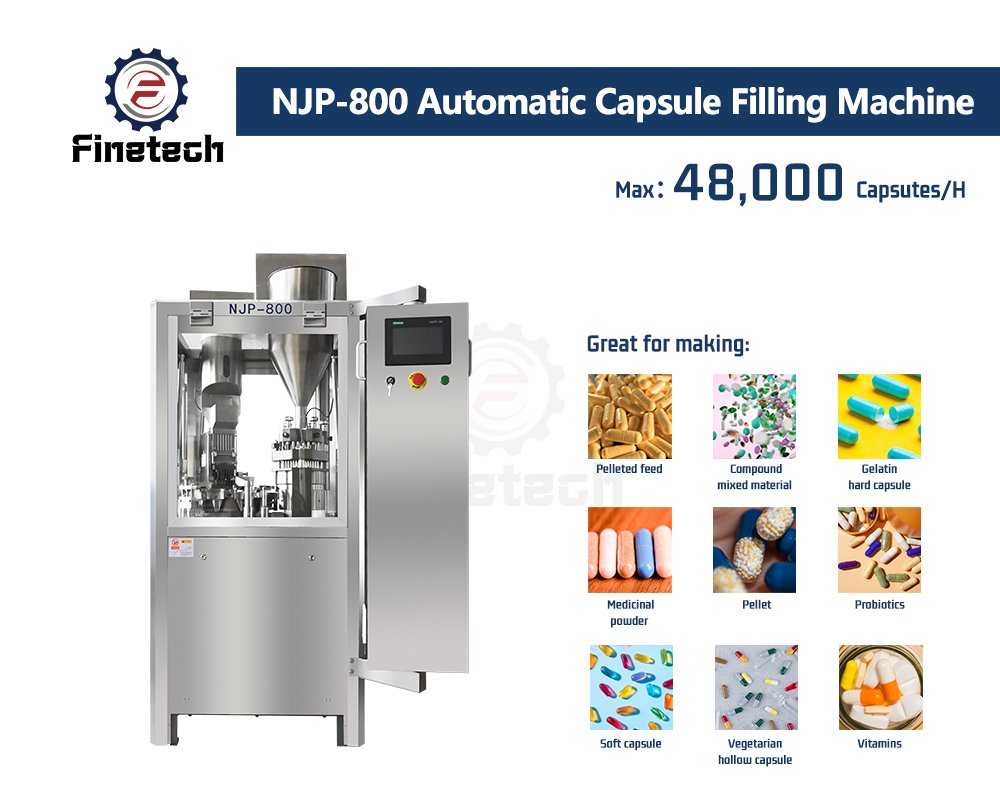
Weight: 1000 Kg
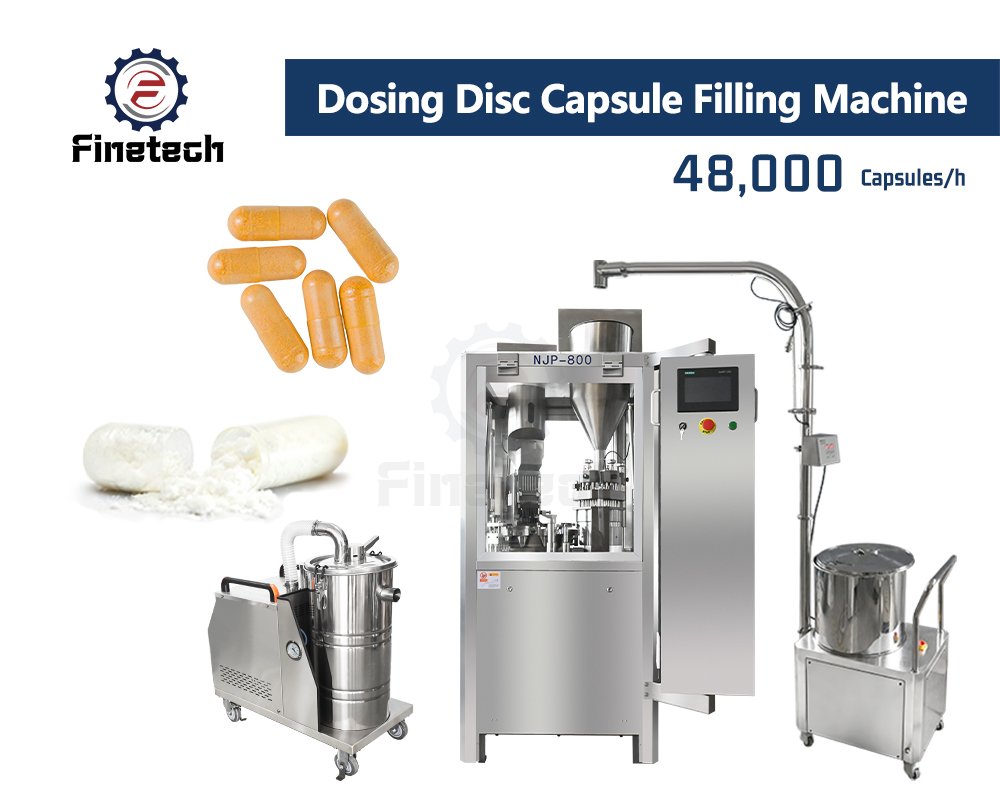
Maximum Output: 48000 capsules/ hour
Noise Level: ≤ 75dBA
Motor Power: 3.7 KW

Weight: 985 Kg
Maximum Output: 72000 capsules/hour
Noise Level: ≤ 75dBA
Motor Power: 5.57 KW

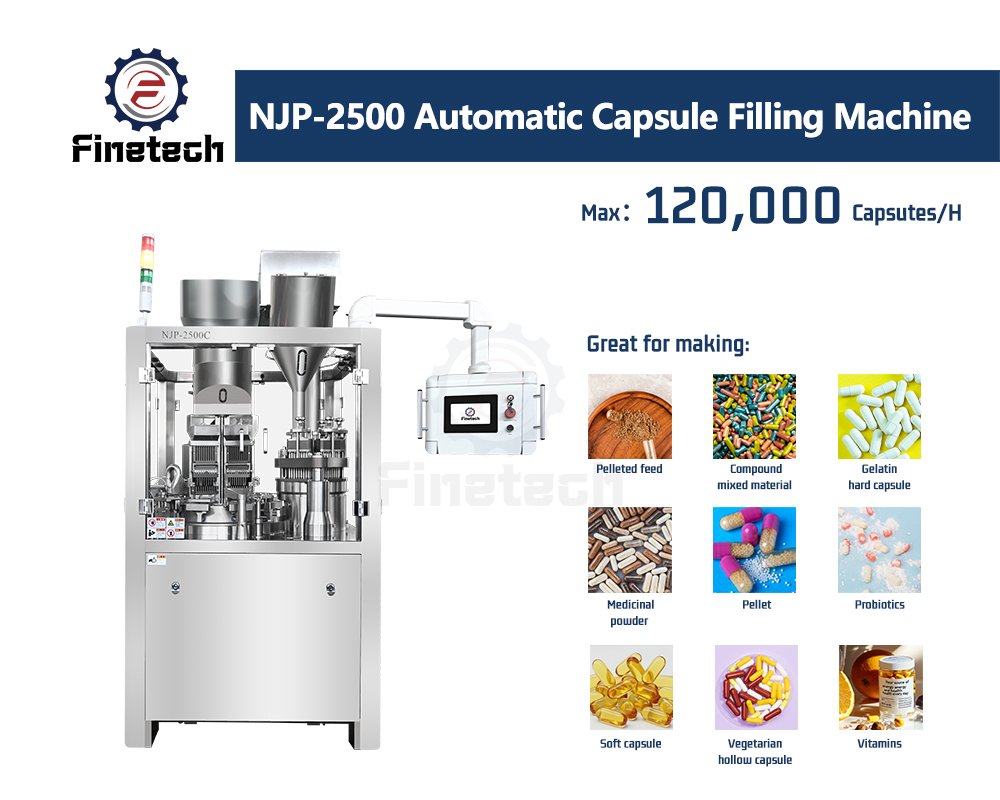
Weight: NJP 2000 (1300 Kg) and NJP 2500 (1350 Kg)
Maximum Output: NJP 2000 (120000 capsules/hour) and NJP 2500 (150000 capsules/hour)
Noise Level: ≤ 75dBA
Motor Power: NJP 2000 (8 KW) and NJP 2500 (9.5 KW)

Weight: 2400 Kg
Maximum Output: NJP 3000 (180000 capsules/hour) and NJP 3200 (192000 capsules/hour)
Noise Level: ≤75dBA
Motor Power: 9.37 KW

Weight: 2500 Kg
Maximum Output: 336,000 capsules/ hour
Noise Level: 80 dB
Motor Power: 7.37 Kw

Weight: 4200Kg
Maximum Output:432,000 capsules/hour
Noise Level: <75DB(A)
Motor Power: 13.58kw

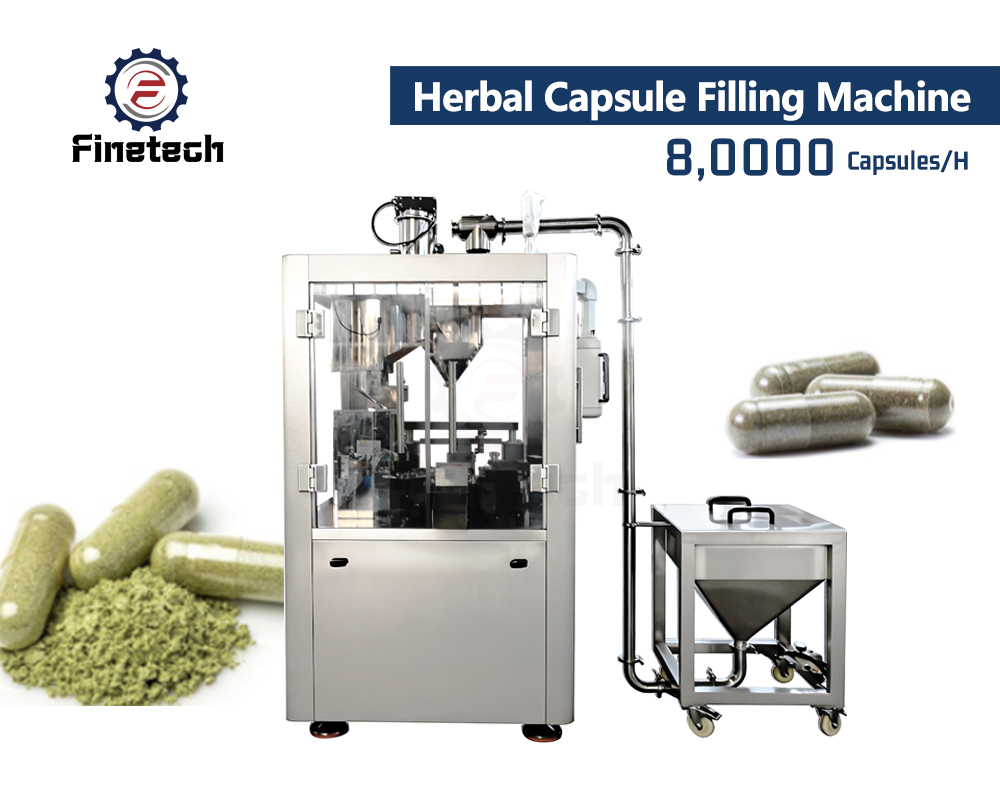
GMP-compliant Herbal Capsule Filling Machine with accurate dosing, anti-cross-contamination design, SUS304/316L structure. Ideal for herbal medicine, nutritional supplements and natural health products.

Vitamin Capsule Filling Machine for automatic filling of vitamin powder, granules and premixes. High precision, GMP design, low rejection rate, ideal for nutritional supplement and pharmaceutical production lines.

Professional dosing disc capsule filling machine for pharmaceutical & nutraceutical production. High-precision dosing, GMP compliance, stable performance for powder, pellets & granules filling.

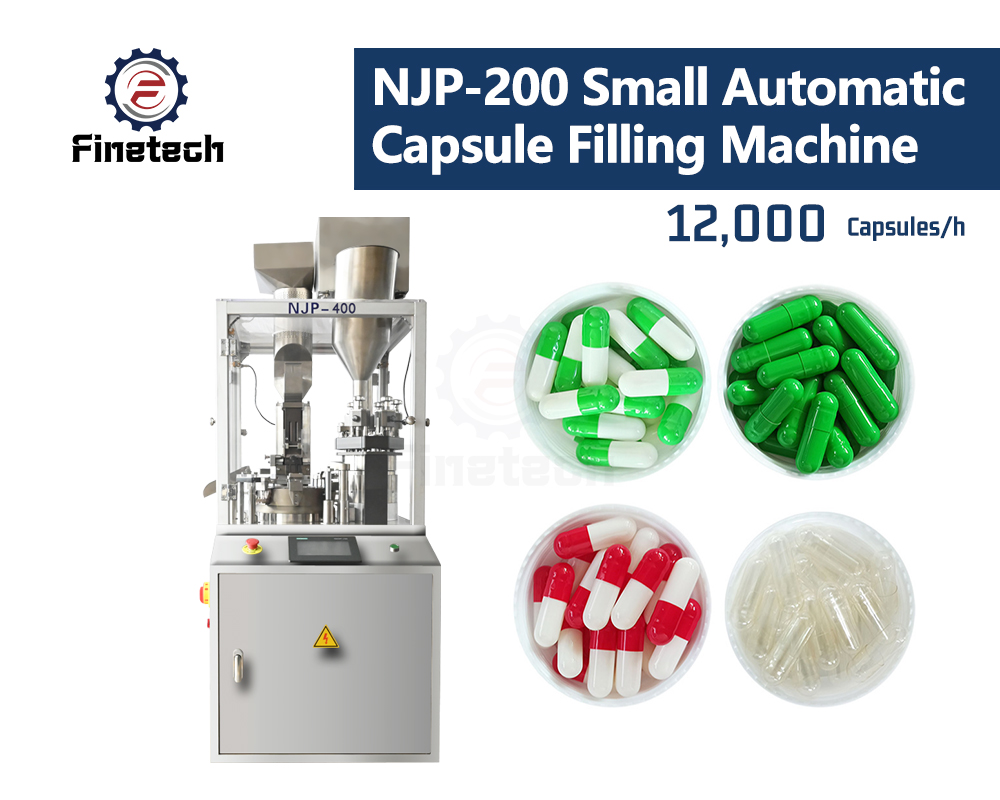
Operating at a speed of 200 capsules per minute (approx. 12,000 capsules/hour), it supports powder, granule, and tablet filling through a precise multi-bore dosing system. It accommodates a broad range of capsule sizes from 00# to 5#, achieving an exceptional capsule feed rate of over 99%, with a filling accuracy of ±3% to ±4%.

Ideal for R&D labs, pilot production, and small-batch manufacturing.

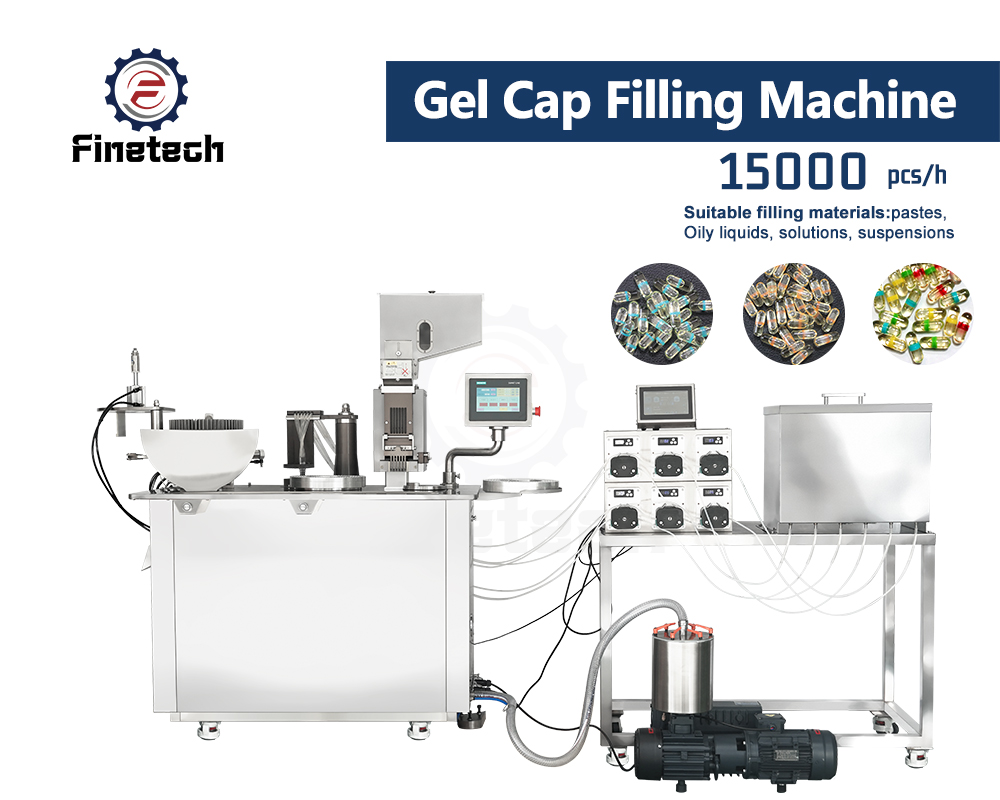
A gel cap filling machine automates the process of filling hard gelatin capsules with powders, granules, or pellets for pharmaceutical, nutraceutical, herbal, and veterinary products.

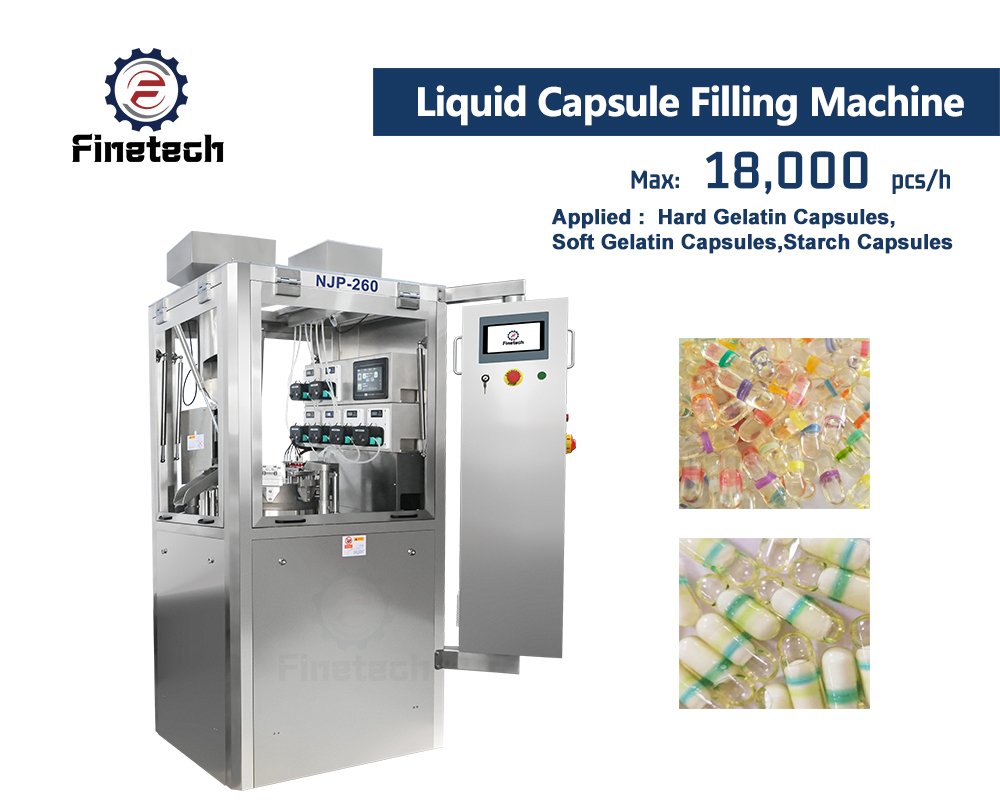
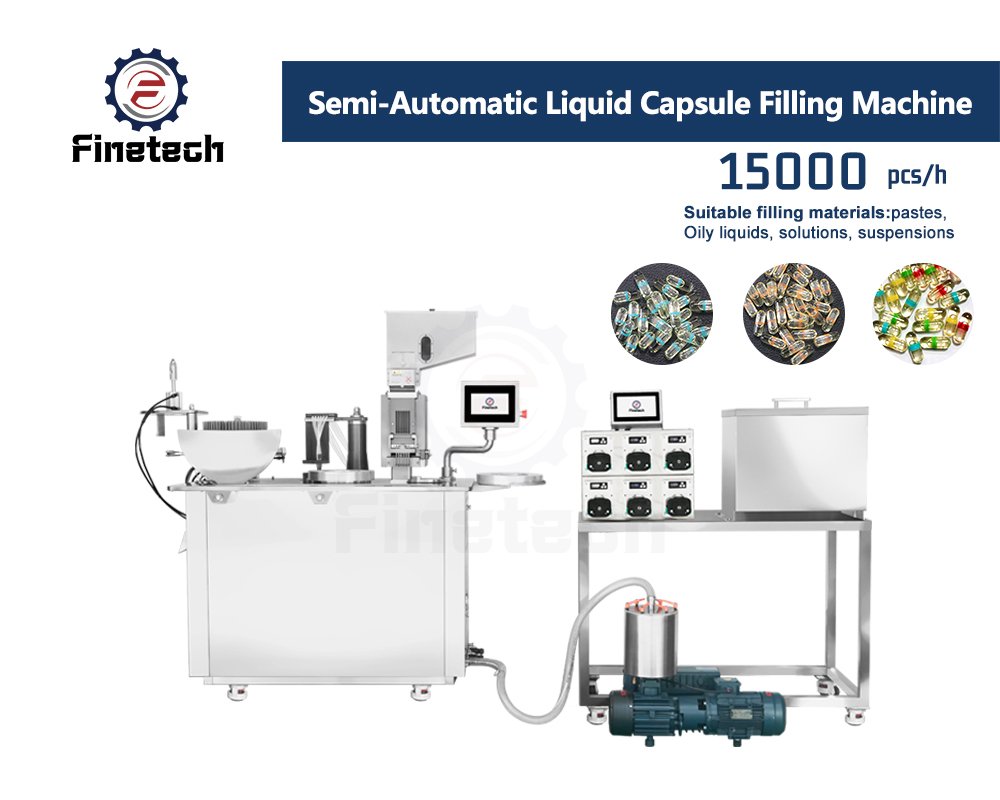
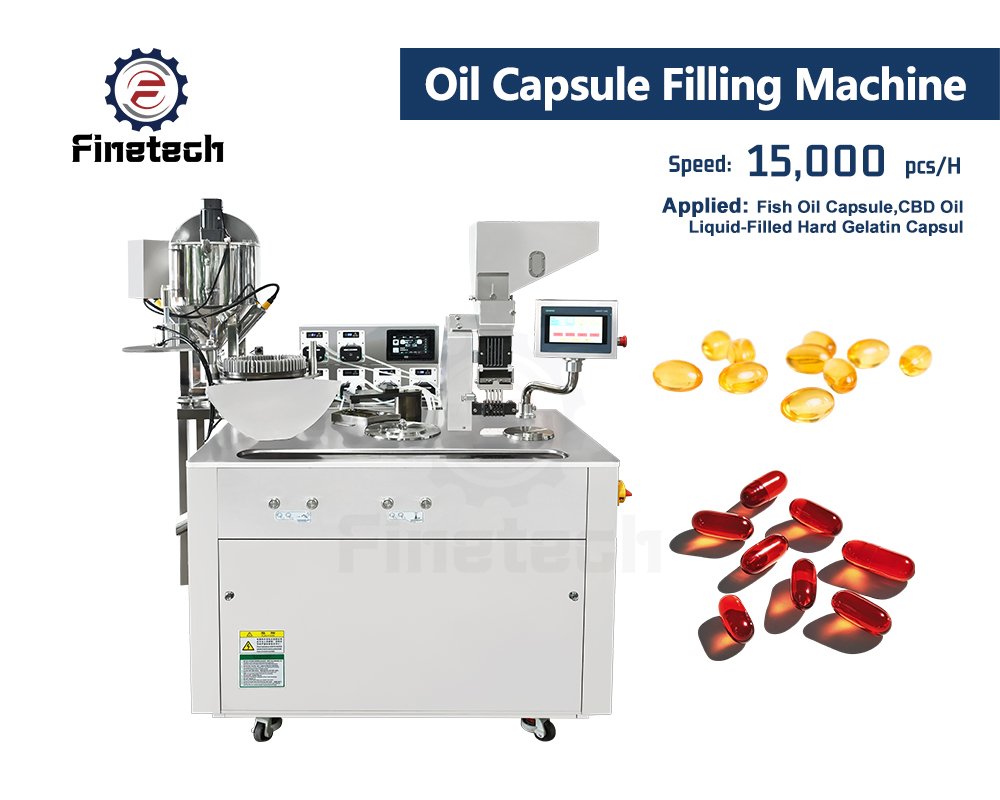
Designed to accurately fill and seal liquids, oils, suspensions, or semi‑solids into hard gelatin or HPMC capsules (sizes 000#–5#).

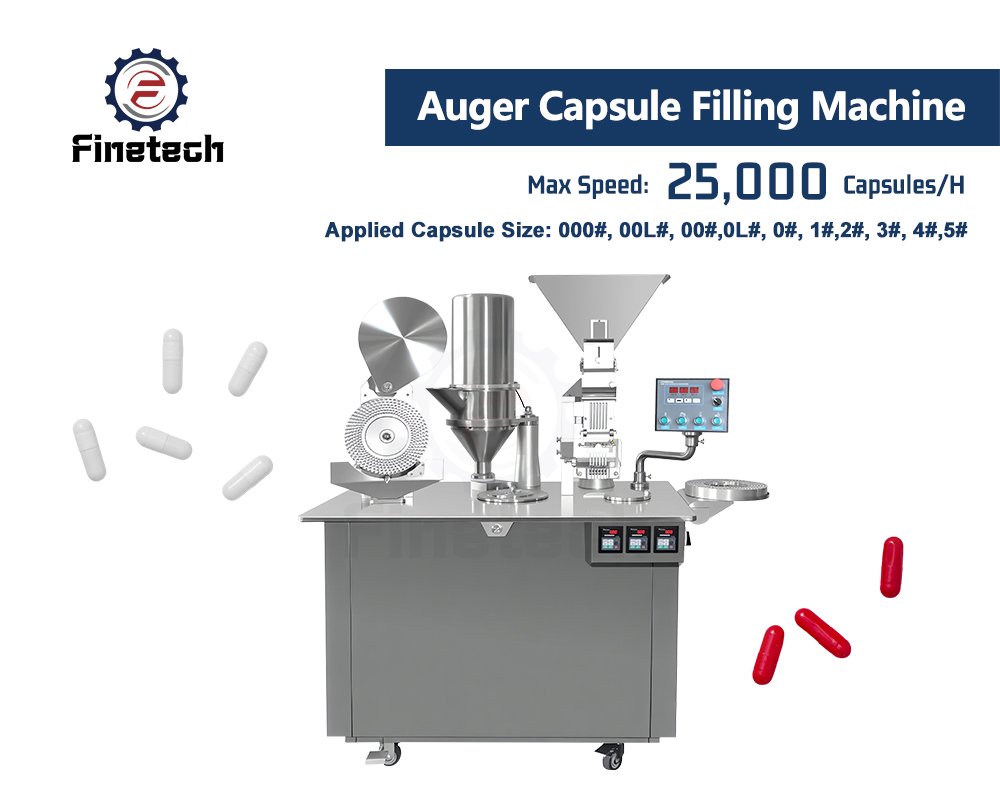
For powder hard capsules, adopting auger volumetric dosing to accurately fill herbal powder, medicinal powder, and supplement powder.

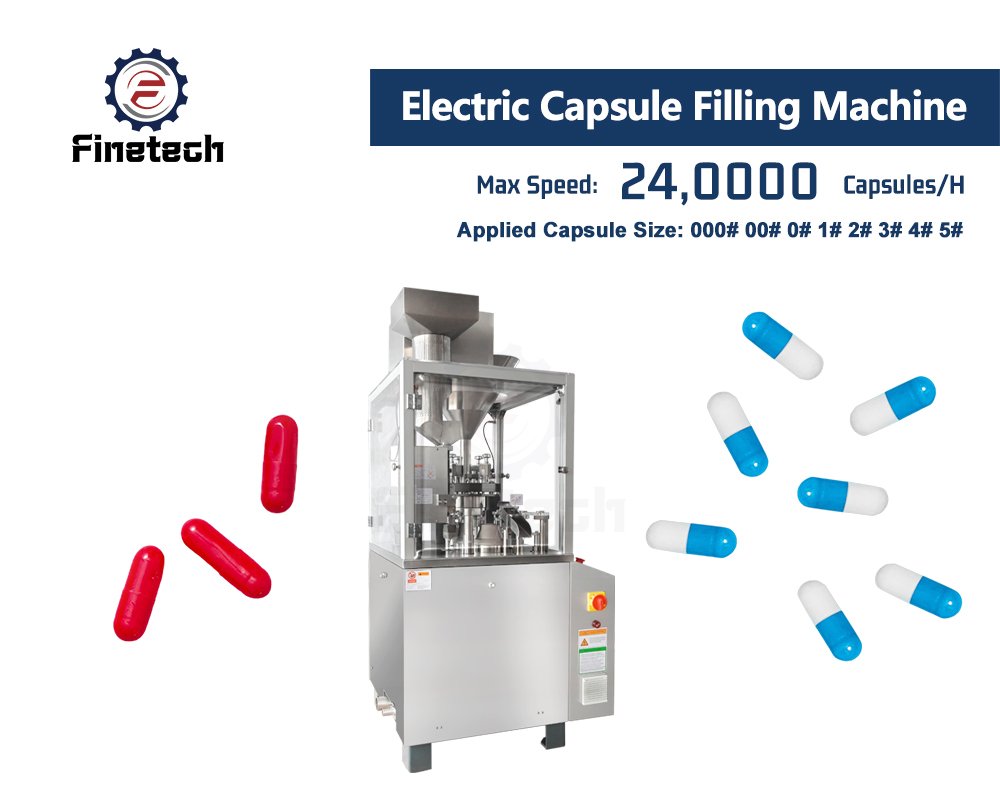
Electric drive for consistent filling, simple operation for small batch production.

Electric pumping dosing, easy operation for small batches.

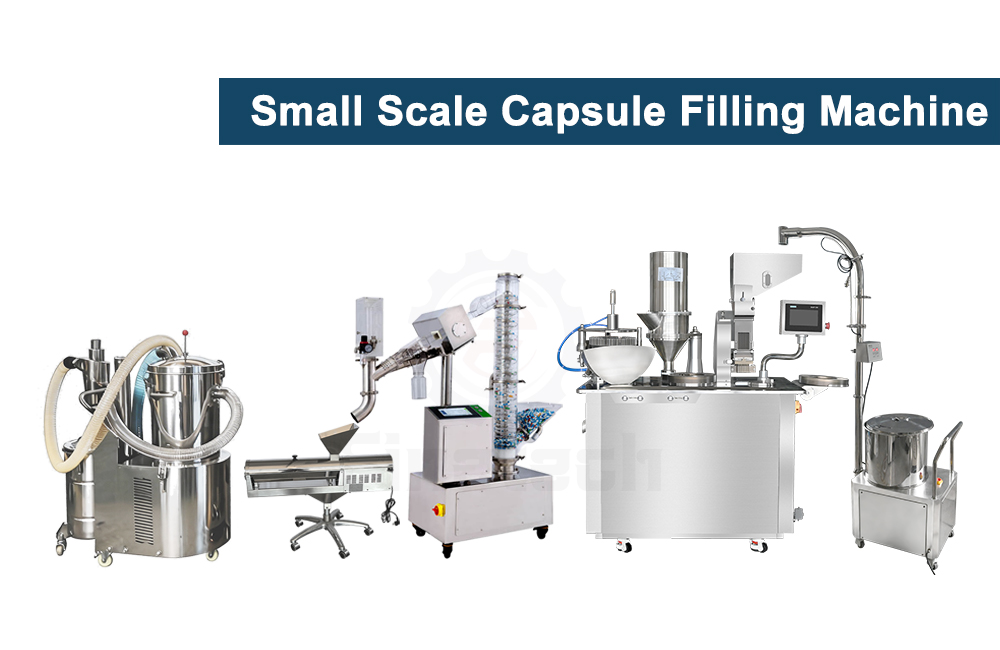
Machines Specially Designed for Small‑Scale Manufacturers. Explore Our Three Major Application Industries.


Finetech’s NJP range combines automatic shell handling, dosing controls, process monitoring, interchangeable tooling, and powder management across several rated output classes for commercial hard-capsule production.

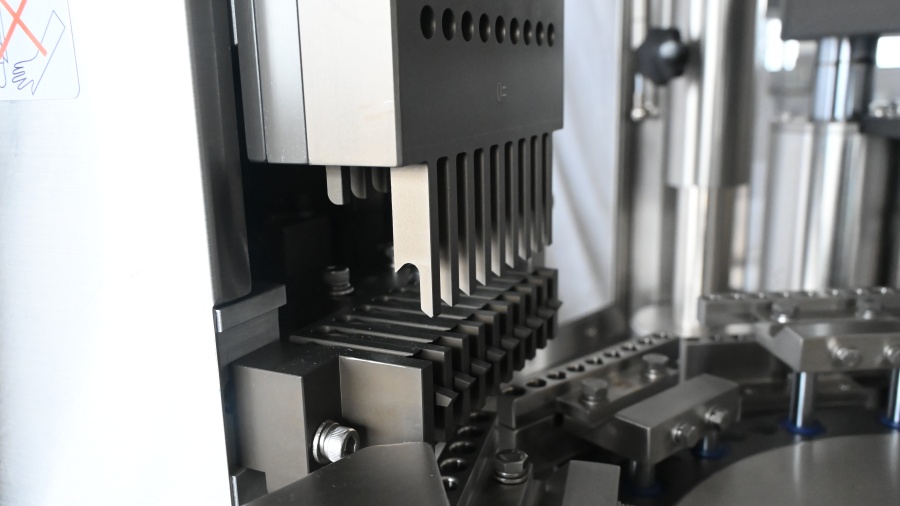
Empty shells move from the hopper into an orientation mechanism. Vacuum then separates caps from bodies inside segmented tooling. This sequence reduces repetitive loading and presents correctly positioned capsule bodies to the dosing station.

Powder enters bores in the dosing disc, where tamping pins compact it in successive stages before the plug transfers into each capsule body. Adjusting disc, powder-bed, and tamping settings lets the setup reflect the formulation and target fill weight.

Unopened capsules can be rejected where the selected configuration provides that function. Accepted bodies and caps are then mechanically locked and discharged. Buyers should include rejection criteria, capsule closure, and discharge quality in the FAT protocol.

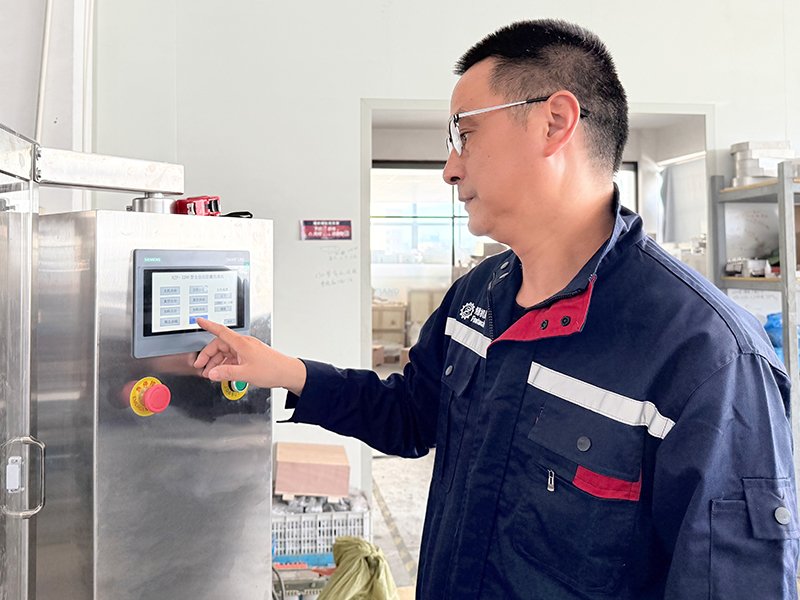
PLC and touch-screen controls allow operators to set speed, review counts, and respond to alarms. Specified NJP models also use guards, interlocks, and automatic stops for defined fault or material-supply conditions, helping protect the process and equipment.

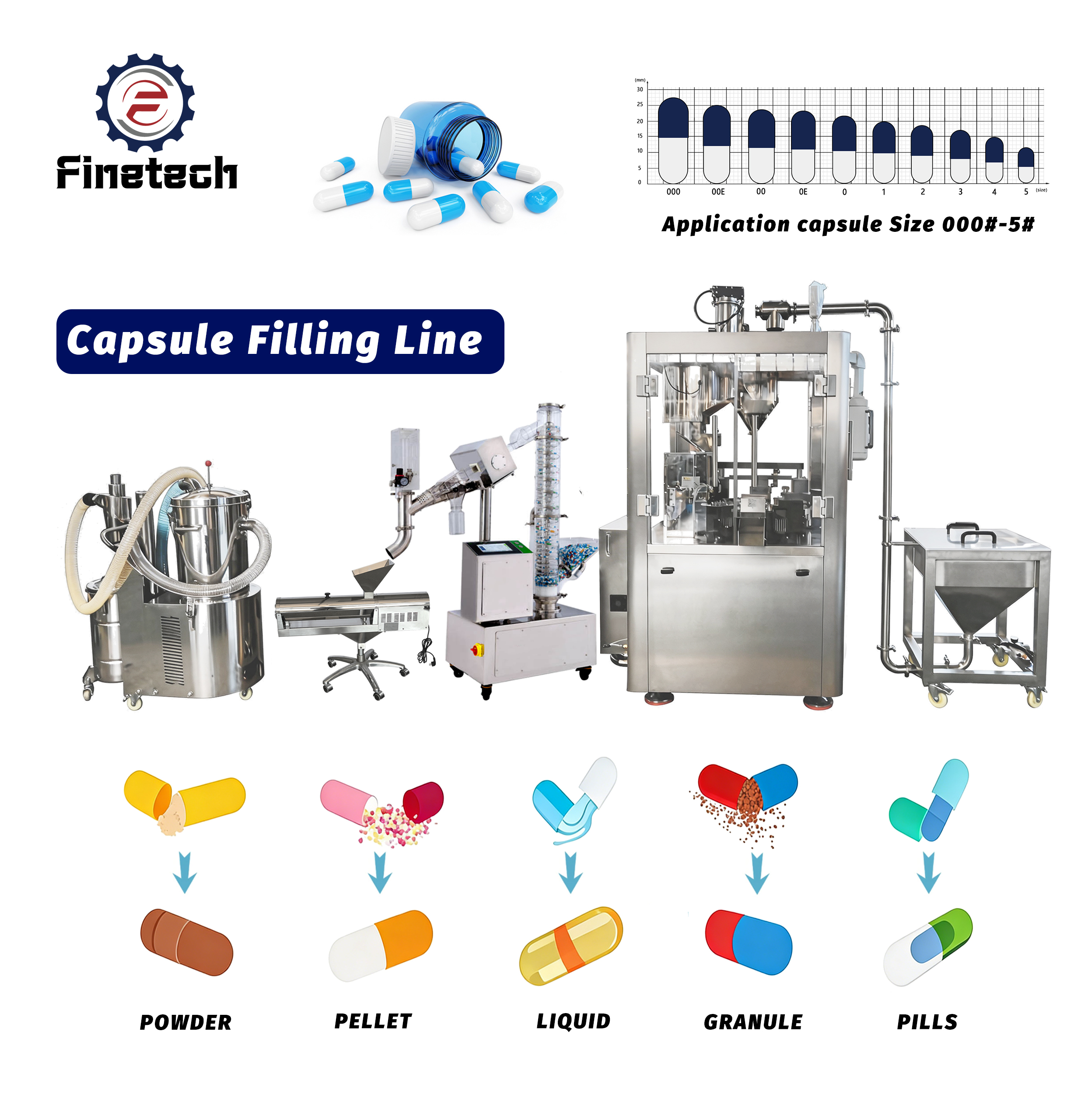
Finetech lists hard-capsule sizes 000 through 5 across its NJP range, subject to the chosen model and tooling. Each size requires matching molds, dosing discs, bushings, and related parts, so the quotation should state every included change set.

Specified NJP models include dust collection, while faster configurations use suction and air blowing to clear segment holes. Controlling loose powder limits residue around critical stations, but buyers must confirm dust-extraction, compressed-air, and vacuum requirements for the selected machine.
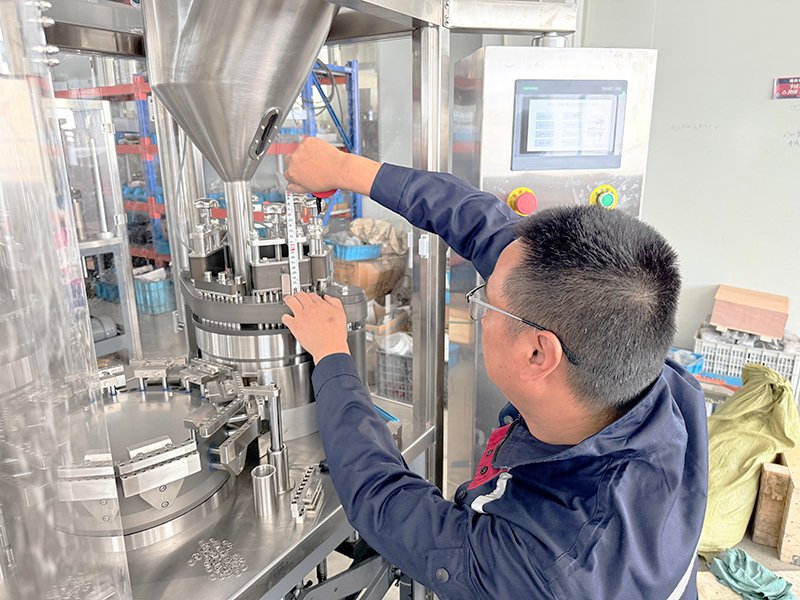
We offer the following services: operations training, on-site installation and commissioning, and one-year maintenance service. For more details, please refer to the link below.
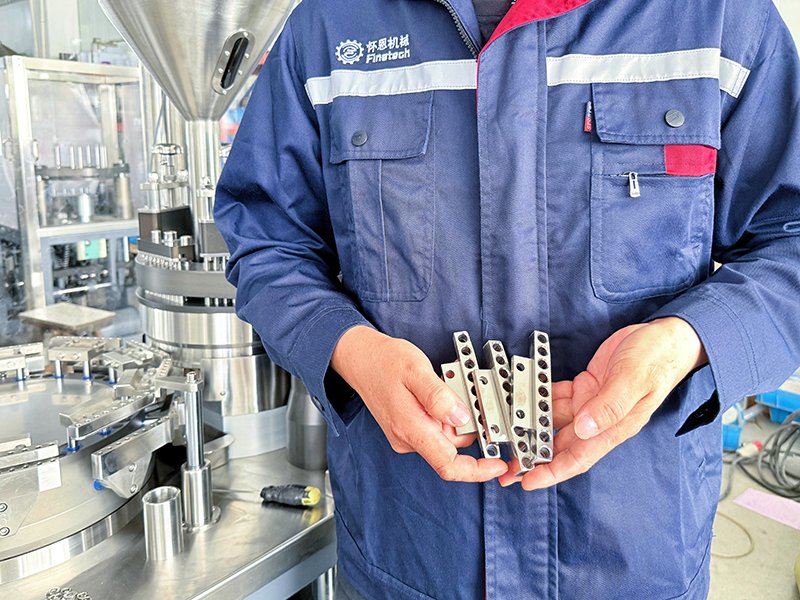
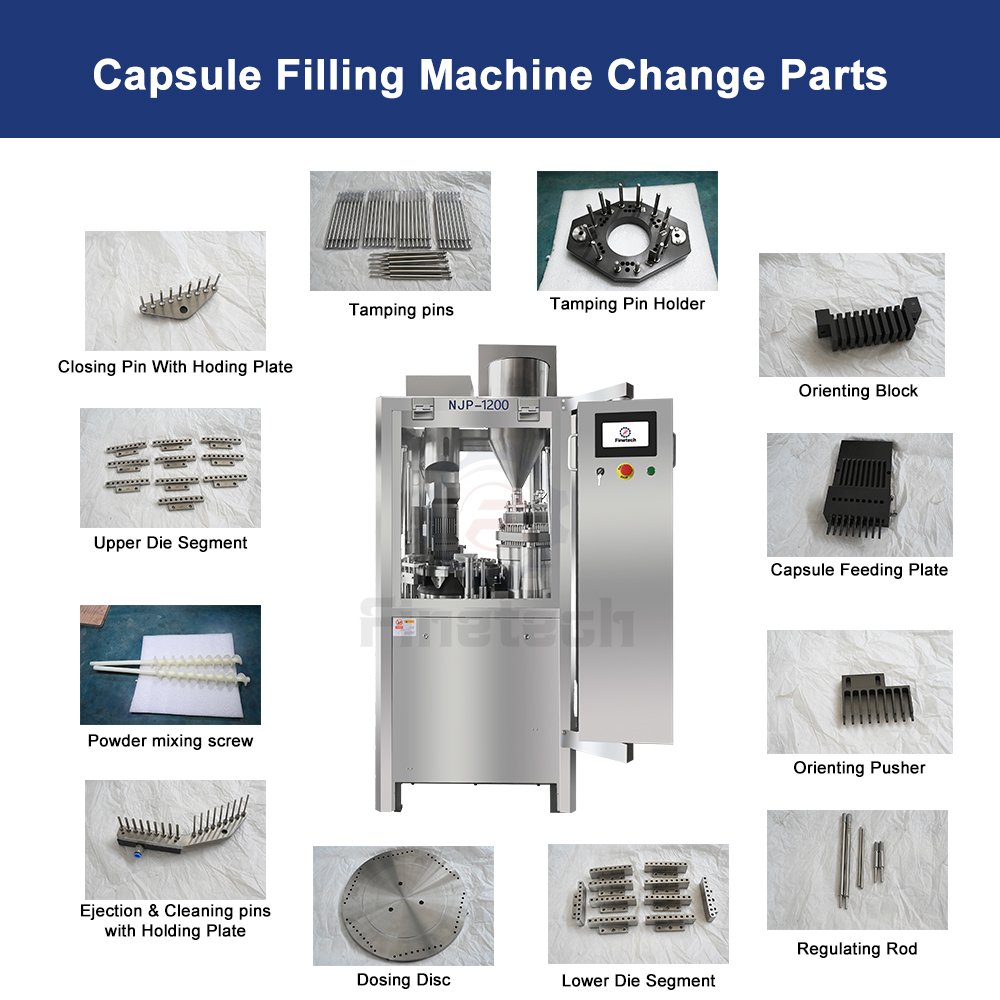
Support change parts: Tamping Pins, Capsule-Feeding Plate, Dosing Disc, Ejection Pins, Filling Tamping Rod.
We providing complete turnkey solution. From manufacturing to packaging line.
We can customize capsule filling lines to suit your production scale.
We develop sustainable capsule‑filling solutions for small‑scale manufacturers.
Operator training to help your team understand the correct operation of the machine.
On-site installation and commissioning support for your pharmaceutical machinery.
Online technical assistance for machine operation and troubleshooting.
Support for pharmaceutical workshop and production-line planning.
Products in Portfolio
Countries and Regions Served
Years of Industry Experience
Clients Served
| Model | Weight | Max Output | Noise Level | Motor Power |
|---|---|---|---|---|
| NJP 400 | 800 kg | 24,000 capsules/hour | ≤ 75 dBA | 1.87 kW + 2.2 kW (Dust Collector) |
| NJP 800 | 1000 kg | 48,000 capsules/hour | ≤ 75 dBA | 3.7 kW |
| NJP 1200 | 985 kg | 72,000 capsules/hour | ≤ 75 dBA | 5.57 kW |
| NJP 2000 | 1300 kg | 120,000 capsules/hour | ≤ 75 dBA | 8 kW |
| NJP 2500 | 1350 kg | 150,000 capsules/hour | ≤ 75 dBA | 9.5 kW |
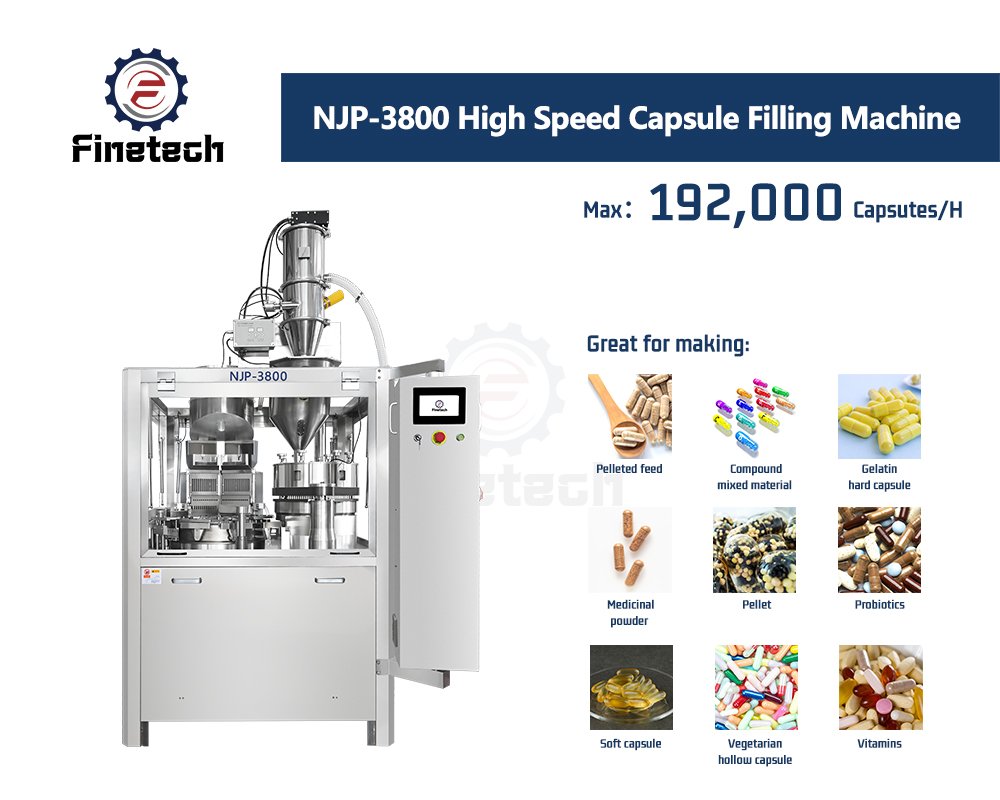
| NJP 3000 | 2400 kg | 180,000 capsules/hour | ≤ 75 dBA | 9.37 kW |
| NJP 3200 | 2400 kg | 192,000 capsules/hour | ≤ 75 dBA | 9.37 kW |
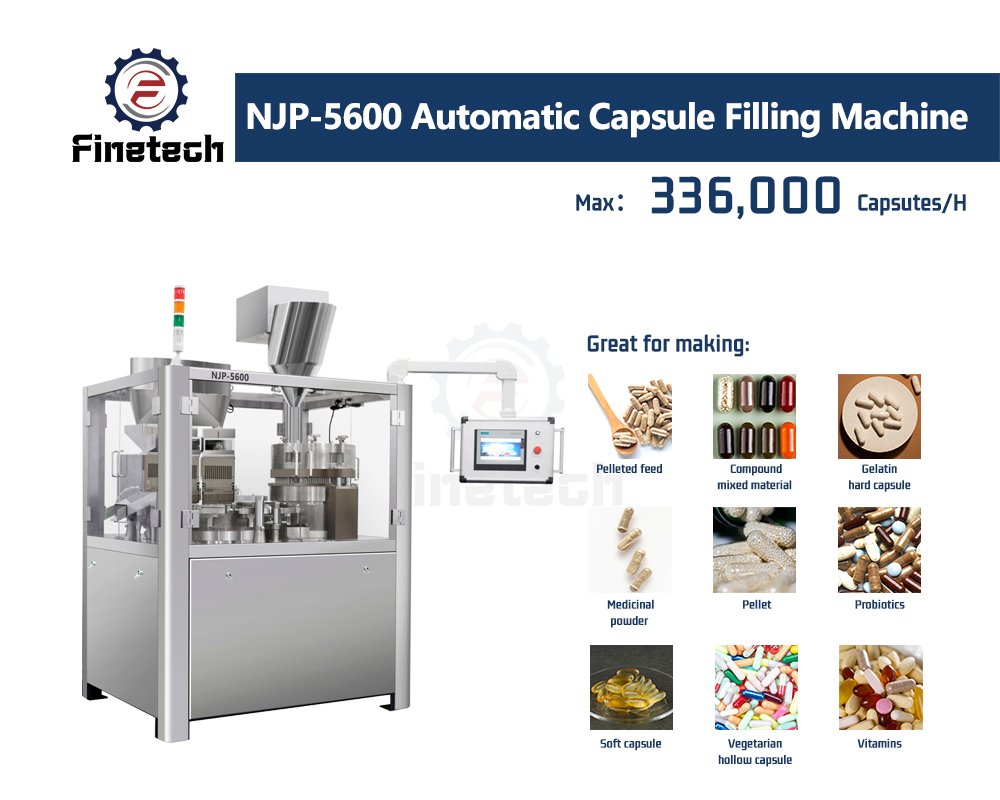
| NJP 5600 | 2500 kg | 336,000 capsules/ hour | 80 dBA | 7.37 kW |
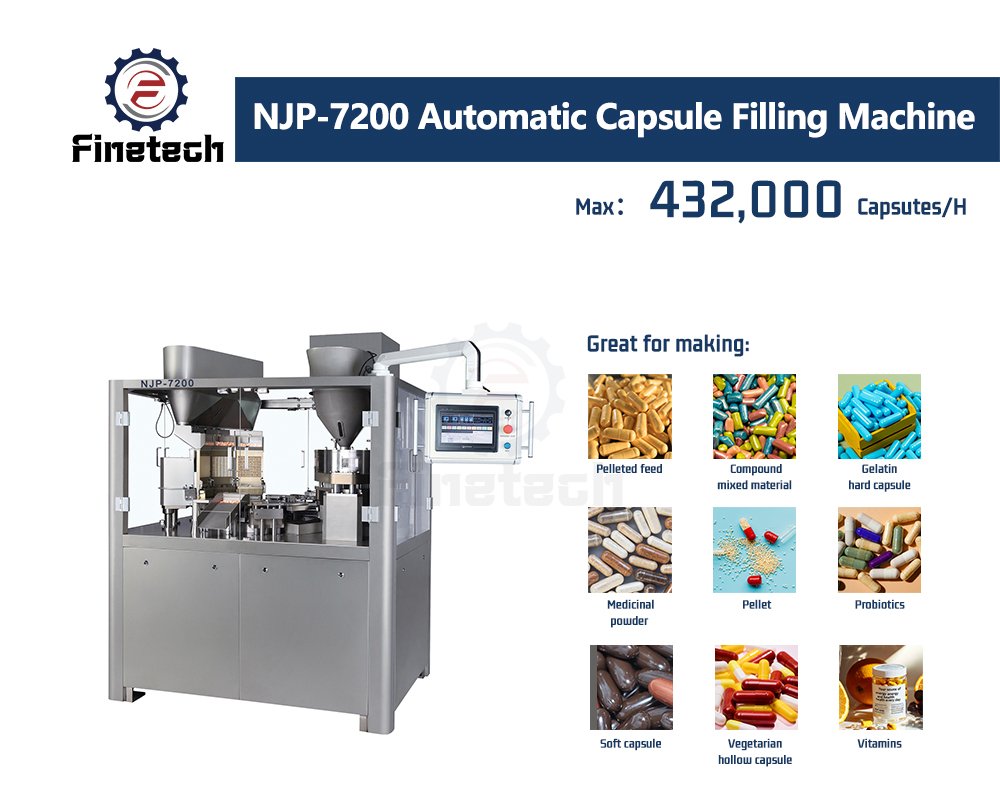
| NJP 7200 | 4200 kg | 432,000 capsules/hour | ≤ 75 dBA | 13.58 kW |
Click the button below to get your capsule filling solution.

Here we have common knowledge about capsule filling machines, including case studies, working principles, SOPs, troubleshooting, and more.

Not every small manufacturer is ready to invest in a capsule filling machine. And honestly, at low volumes, you should not have to. A capsule filling service lets you outsource

With over 530 billion capsules produced every year, capsule filling machines operate under one of
[Wenzhou, August 29, 2026] — Finetech, an experienced and reliable manufacturer of pharmaceutical and nutraceutical processing equipment,
Are you frustrated with the inconsistent output from manual capsule filling? Perhaps your customers are
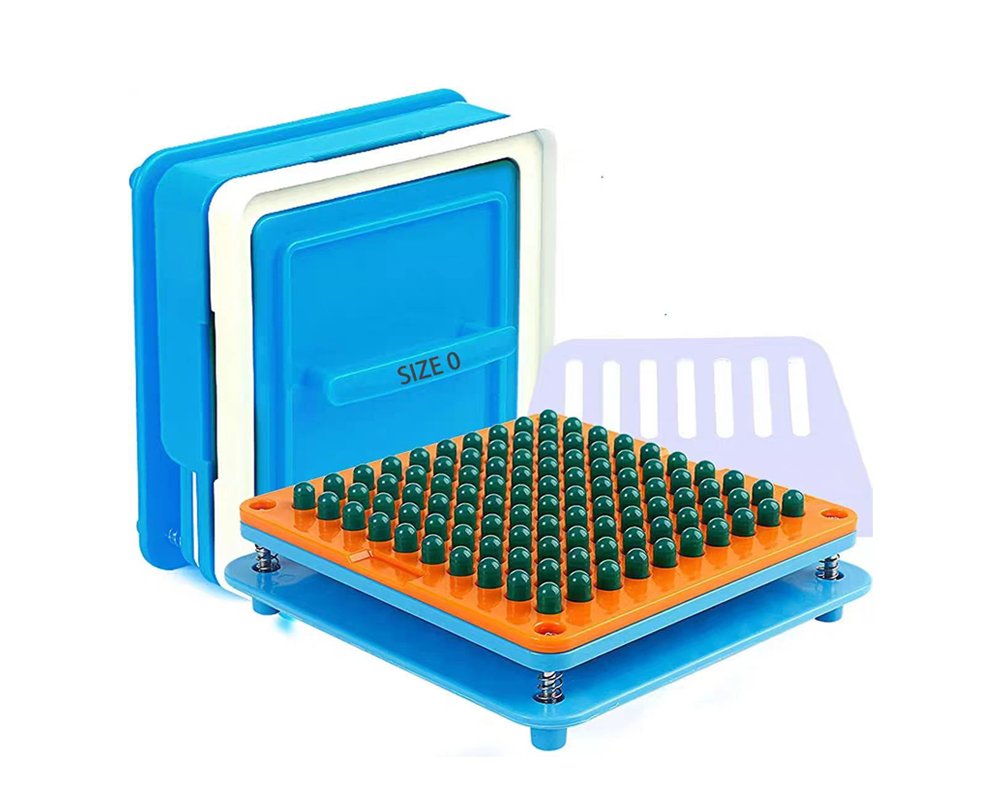
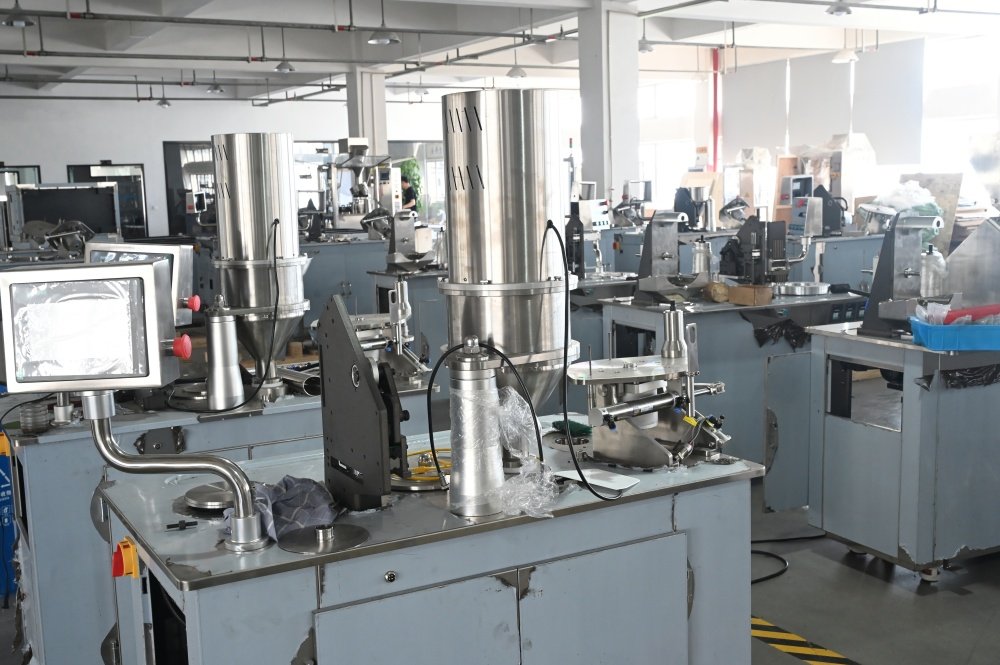
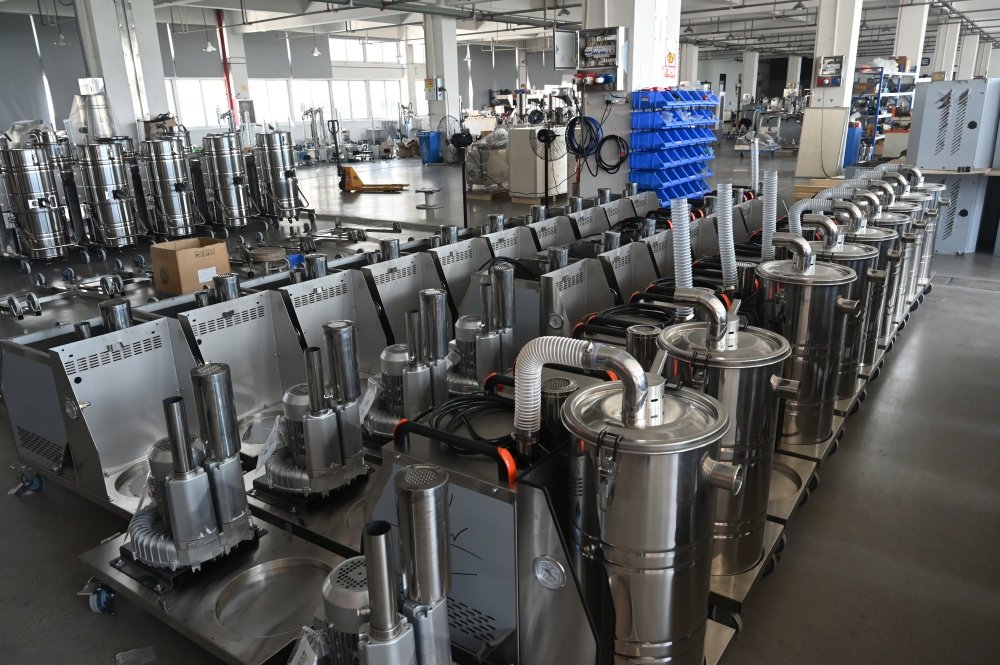
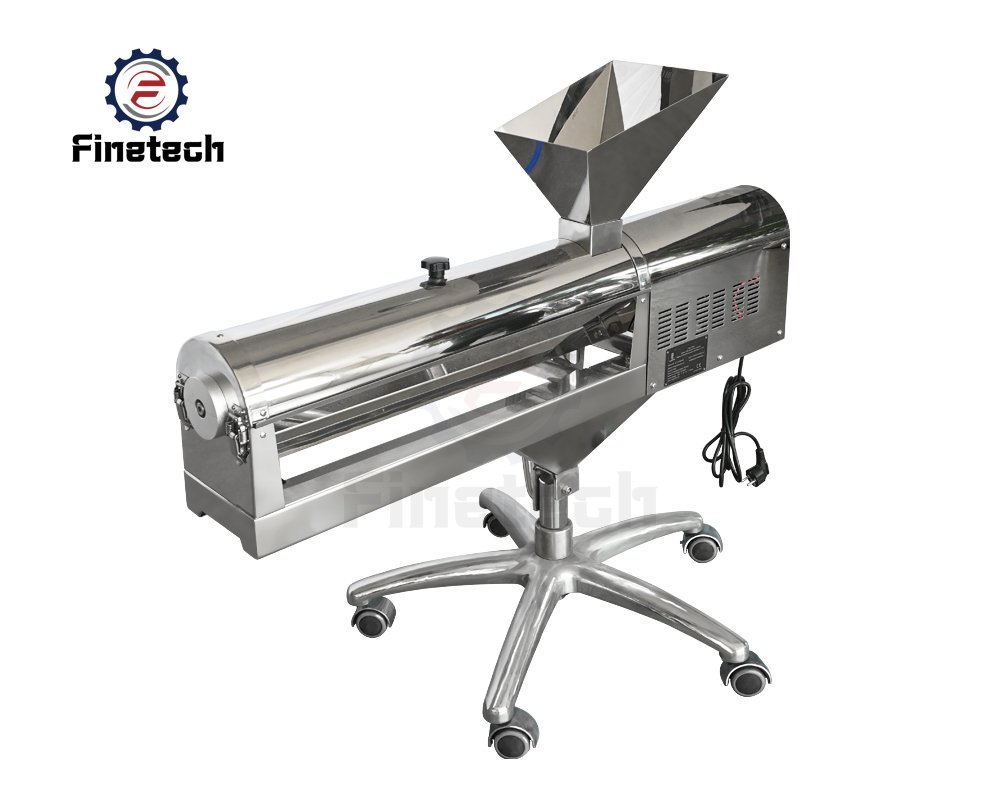
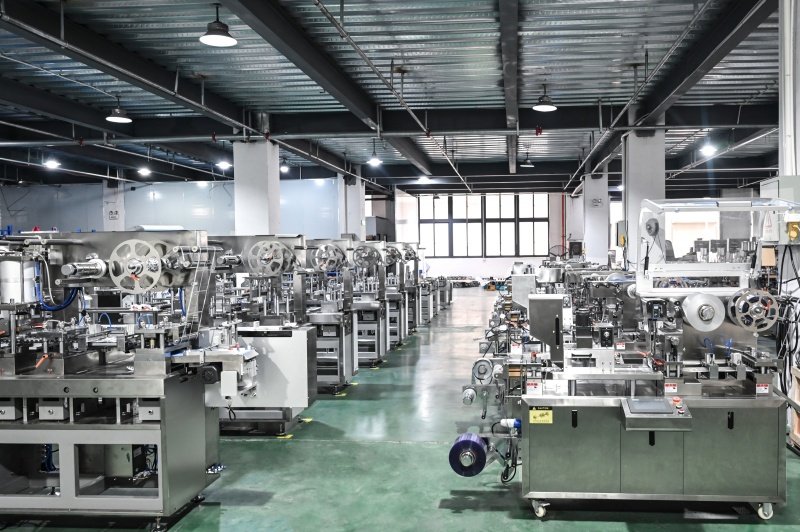
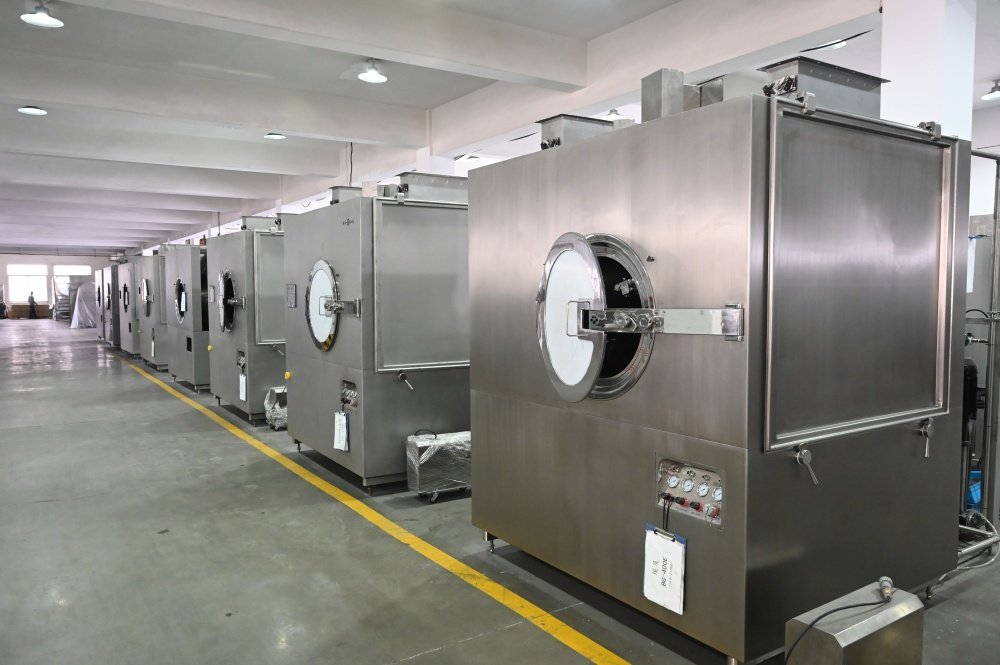

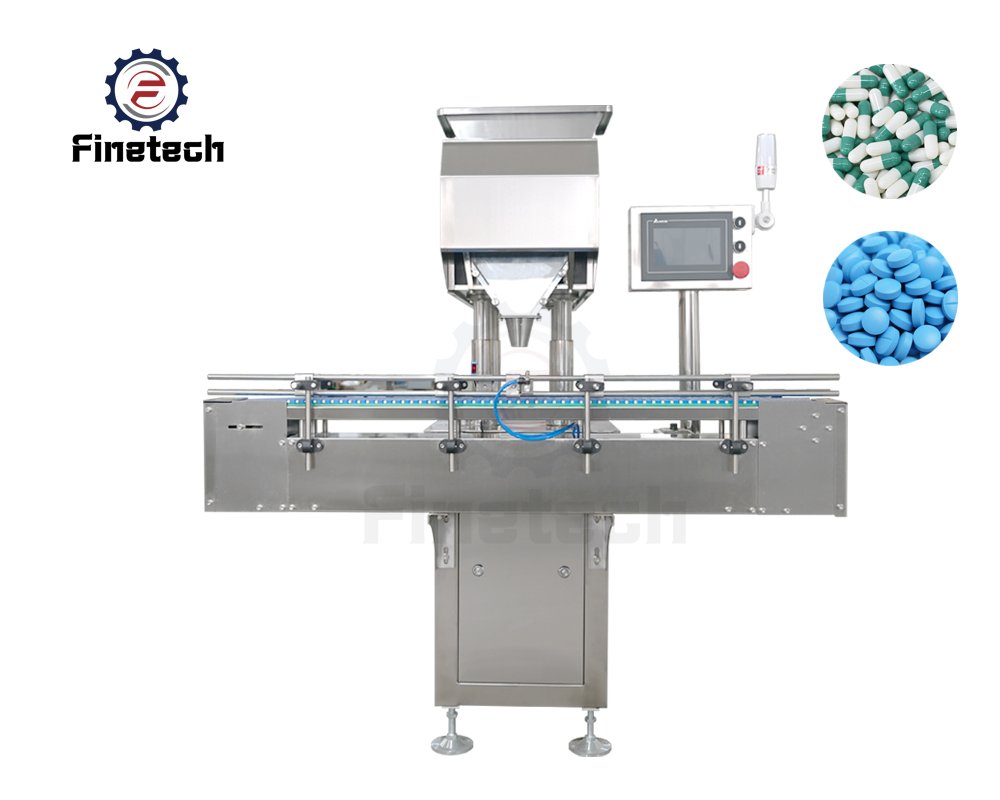
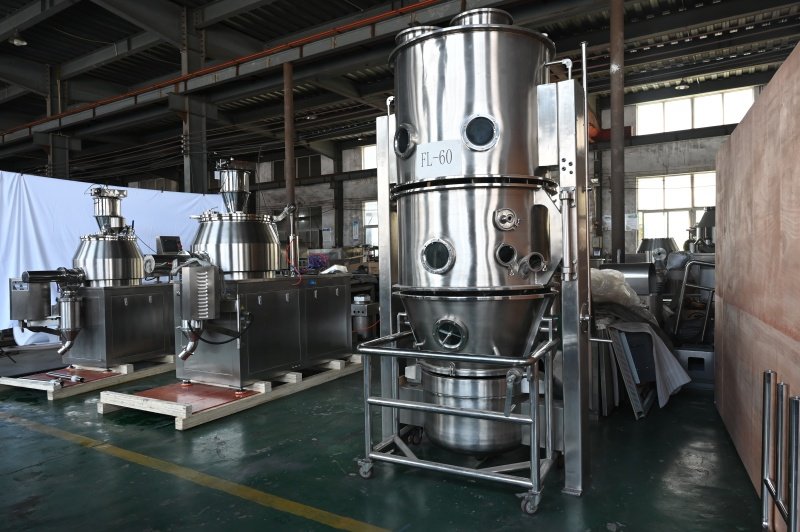


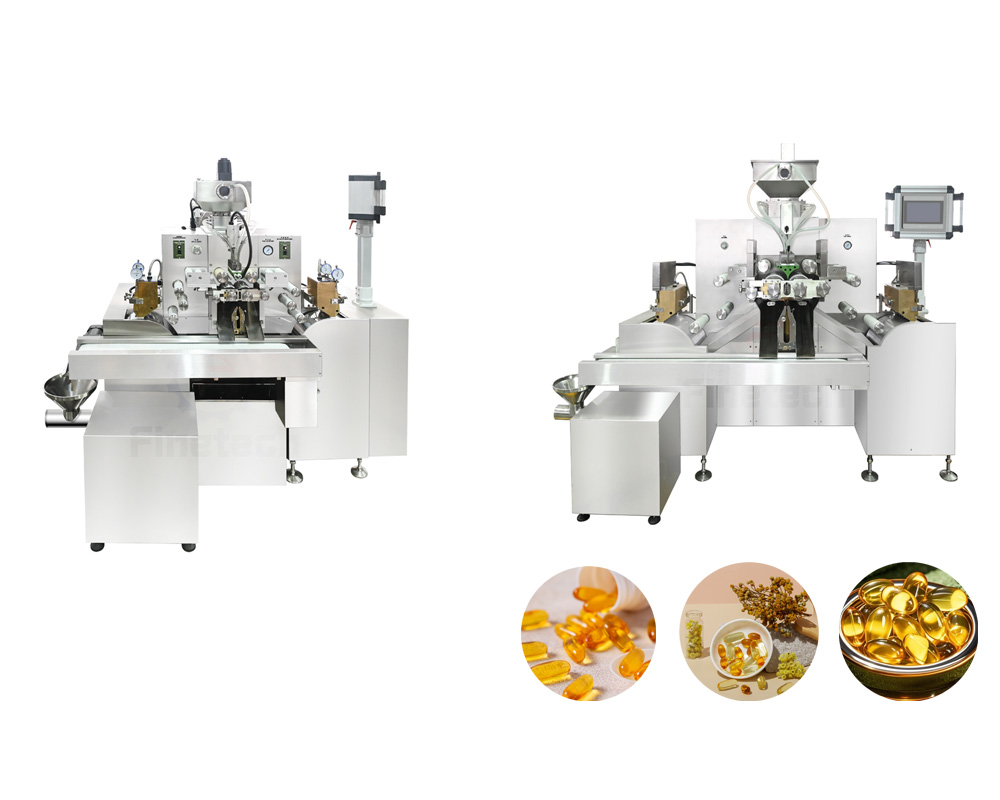
Match the model to saleable output per shift, not nameplate speed alone. Define formulations, fill weights, shell materials and sizes, batch lengths, cleaning and containment needs, utilities, room dimensions, downstream capacity, documentation, and staffing. Finetech’s NJP range spans several rated output classes, so compare each quoted model and tooling package against one documented requirement list.
The machine feeds and orients empty shells, separates caps and bodies by vacuum, doses the bodies, rejects unopened units where configured, locks accepted capsules, and discharges them. Powder versions commonly use a dosing disc and tamping pins. Operators still replenish materials, select settings, conduct in-process checks, respond to alarms, complete changeovers, and clean the equipment.
Standard NJP configurations process powders, granules, and pellets in hard gelatin or HPMC capsules. Flow, density, particle size, moisture, static, and oil content can alter dosing behavior. Liquids, mini-tablets, or combination fills require dedicated systems and, for liquids, suitable sealing. Test the intended formulation and shell before purchase.
Finetech lists rated outputs from 12,000 capsules per hour for the NJP-200 through 432,000 for the NJP-7200. Those figures are model ratings, not guaranteed saleable output. Sustained production depends on formulation behavior, fill weight, capsule quality, operating speed, batch length, cleaning, changeovers, stoppages, sampling, operator practice, and downstream capacity.
One selected model can handle multiple capsule sizes when ordered with the correct change parts. Finetech lists sizes 000 through 5 across the NJP range, subject to model and tooling. The quotation should identify included molds, dosing discs, bushings, extra-set pricing, changeover steps, and testing with the intended gelatin or HPMC shell.
Clean product-contact and dosing parts according to a written, site-approved procedure that covers disassembly, washing or other approved treatment, drying, inspection, and safe reassembly. Routine maintenance includes residue removal, segment cleaning, lubrication at designated points, and wear-part inspection. Obtain the cleaning procedure, maintenance schedule, consumables list, and recommended spare-parts package before ordering.
Run a factory acceptance test with the intended capsules and formulation when practical. Agree on test duration, speed, fill-weight variation, capsule opening and locking, rejects, alarms, and interlocks. Also confirm voltage, frequency, compressed air, vacuum, water or recirculation, dust extraction, room clearances, line interfaces, change parts, training, validation support, and site qualification responsibilities.
WhatsApp us