German
  English
  Russian
  Turkish
  Spanish
  French
  Japanese
Das makellose Aussehen und die glatte Oberfläche vieler Medikamente sind das Ergebnis eines entscheidenden Prozesses, nämlich des Tablettenüberzugs.
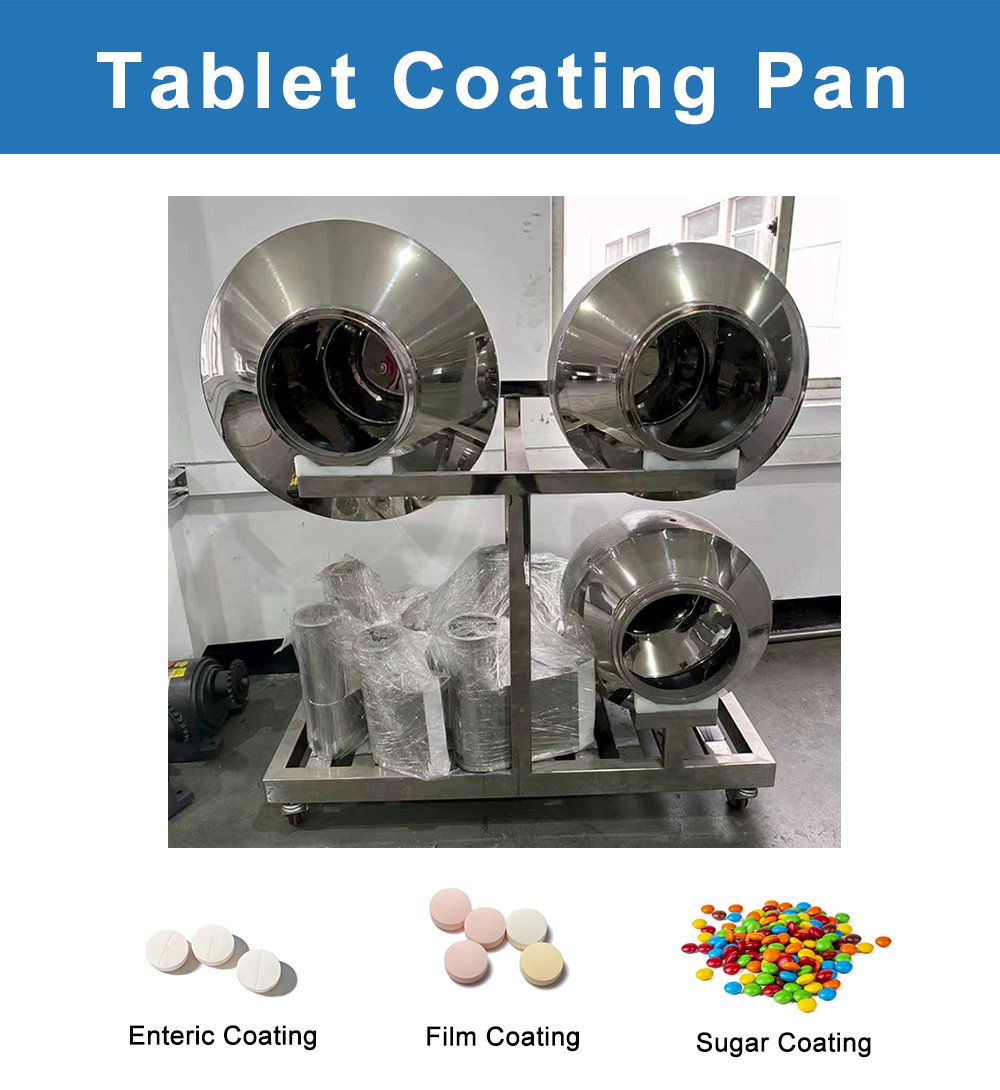
Dieses Verfahren beruht auf der Tablettenüberzugswanne, einem Spezialgerät, das eine raue, ungenießbare Pille in eine glatte, leicht zu schluckende Tablette verwandelt, die für den Patienten bereit ist. Die Präzision, Kontrolle und Vielseitigkeit der Tablettenüberzugswanne machen sie zu einem unverzichtbaren Bestandteil der modernen Arzneimittelherstellung.
Lesen Sie diesen Leitfaden weiter, um alles über diese Maschinen zu erfahren, von den verschiedenen Typen und Hauptkomponenten bis hin zu den einzelnen Arbeitsschritten und den verschiedenen Anwendungen.
Was ist eine Tablettenbeschichtungspfanne?
Eine Tablettenüberzugswanne ist eine spezielle pharmazeutische Ausrüstung, die in der Tablettenherstellung und verwandten Industrien eingesetzt wird. Sie trägt eine gleichmäßige, dünne Schicht eines Überzugsmaterials auf die Oberfläche von Tabletten, Pillen und Kapseln auf.
Seine Hauptfunktion besteht darin, die Tabletten zu tumbeln. Während ein Sprühsystem die Beschichtungslösung aufträgt, entfernt ein Trocknungssystem das Lösungsmittel. Tablettenüberzugswannen dienen verschiedenen wichtigen Zwecken. Sie überdecken unangenehme Geschmäcker, schützen das Medikament vor Umweltschäden und verbessern sein Aussehen.
Verschiedene Typen von Tablettenbeschichtungspfannen verstehen
Tablettenüberzugswannen werden im Allgemeinen aufgrund ihrer Bauweise und ihres Arbeitsverfahrens in zwei Haupttypen eingeteilt: Standardüberzugswannen und perforierte Überzugswannen. Diese werden auch als “Pan Coater” bezeichnet.
1. Standard-Beschichtungswanne
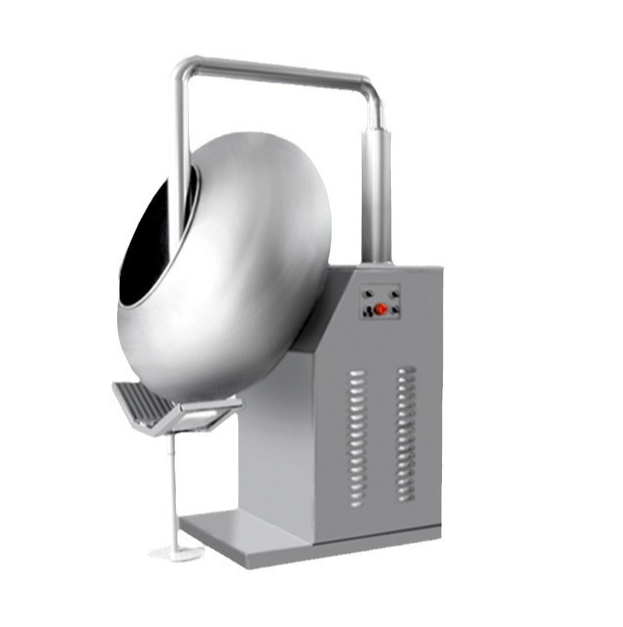
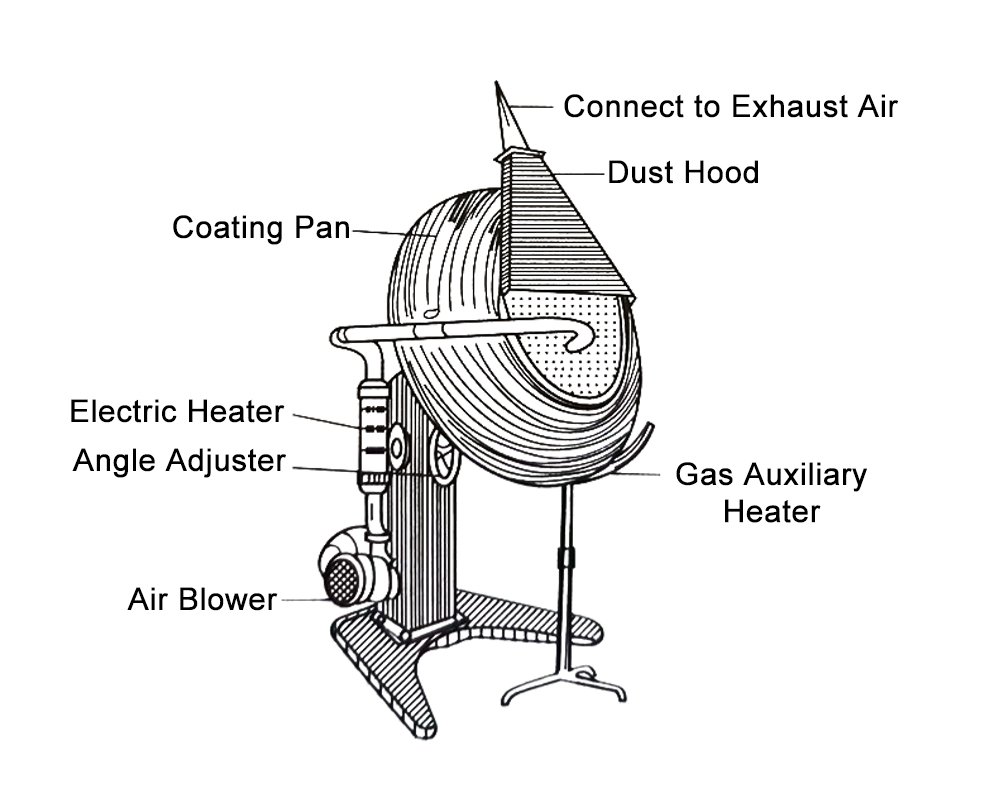
Standardbeschichtungspfannen sind die älteste und traditionellste Art von Pfannenbeschichtern. Die Pfanne hat normalerweise einen Durchmesser von 8 bis 60 Zoll. Sie ist in einem leichten Winkel an einem Ständer befestigt, so dass sie sich drehen kann.
Während sich die Pfanne dreht, trägt eine Spritzpistole die Beschichtungslösung auf die Taumeltabletten auf. . Gleichzeitig wird erwärmte Luft über das Tablettenbett geleitet, um die Beschichtung zu trocknen. Die feuchte Luft wird über ein zentrales Kanalsystem abgeleitet. Um die Gleichmäßigkeit der Beschichtung zu verbessern, wird bei dieser Maschine das Beschichtungsmaterial häufig mit einer Sprühpistole aufgetragen.
Diese Pfannen werden vor allem für die Zuckerdragierung verwendet, ein Verfahren, das einen längeren, mehrstufigen Prozess mit geringer Trocknungseffizienz erfordert.
2. Perforierte Beschichtungswanne
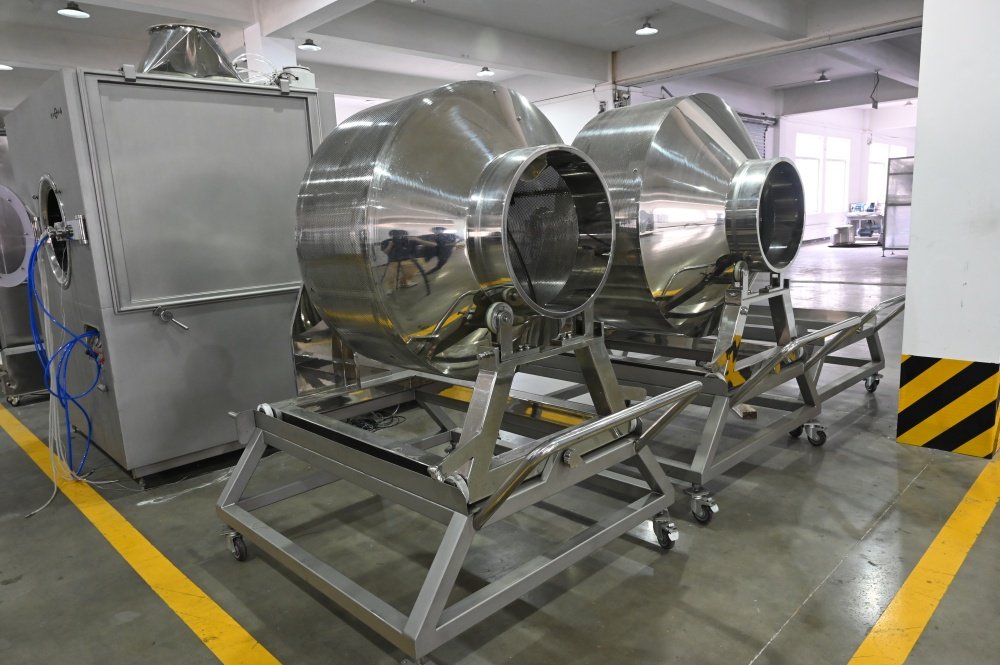
Eine perforierte Dragierwanne ist eine moderne Art von Tabletten-Coater, die für eine höhere Effizienz ausgelegt ist. Auch hier wird eine Trommel verwendet, die für einen gleichmäßigeren Durchfluss teilweise oder vollständig perforiert ist.
Während die Trommel rotiert, trägt ein Sprühsystem die Beschichtungslösung auf. Anschließend wird erwärmte Luft durch die Perforationen geleitet und strömt direkt durch das Tablettenbett. Dieser direkte und gleichmäßige Luftstrom beschleunigt den Trocknungsprozess. Sie eignen sich perfekt für schnellere, hochwertige Film- und magensaftresistente Überzüge.
Hauptbestandteile einer Tablettenbeschichtungspfanne
Eine Tablettenbeschichtungspfanne ist eine spezielle Folienbeschichtungsanlage bestehend aus mehreren Schlüsselkomponenten. Sie arbeiten in einem synchronisierten Prozess, um ein hochwertiges Endprodukt zu gewährleisten. Nachstehend finden Sie eine Aufschlüsselung der Hauptbestandteile einer Tablettenüberzugswanne.
1. Beschichtungspfanne oder -trommel
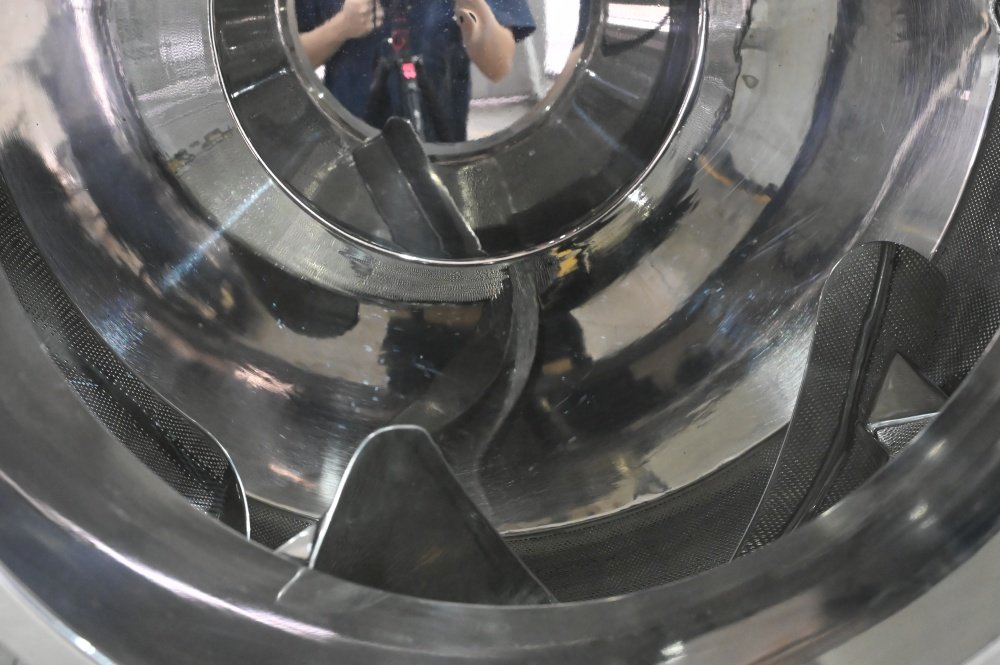
Die Dragierpfanne oder -trommel ist der zentrale Bestandteil der Maschine, in die die Tabletten zum Dragieren eingelegt werden. Sie dreht sich, um die Tabletten sanft in Bewegung zu halten, so dass sie gleichmäßig mit der Beschichtungslösung in Berührung kommen.
2. Sprühsystem
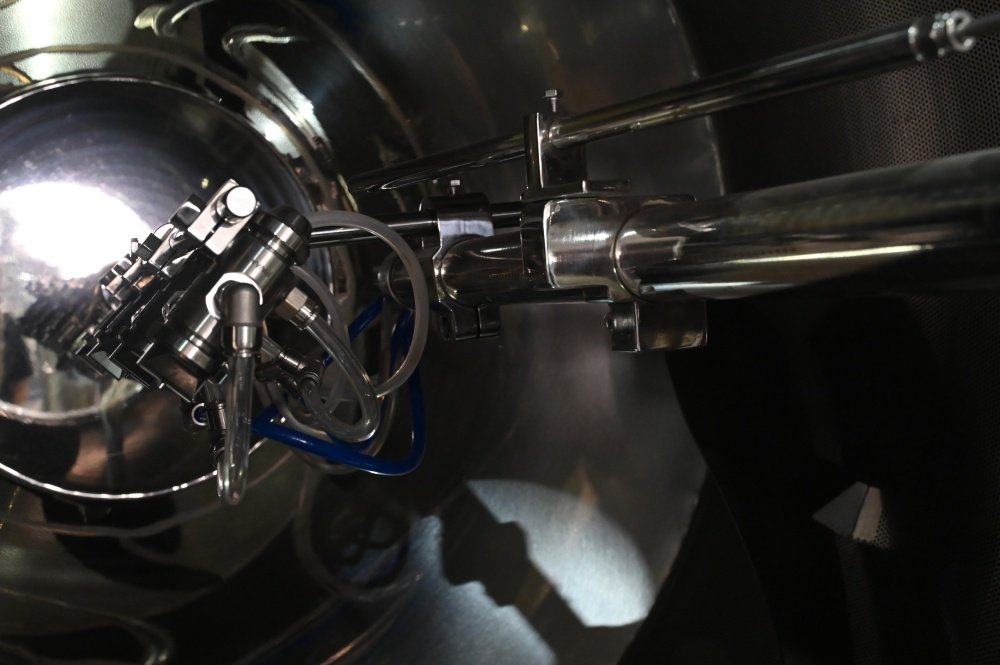
Dieses System ist für das Auftragen der Beschichtungslösung auf die Taumeltabletten zuständig. Das Sprühsystem umfasst Sprühpistolen oder Düsen zur Zerstäubung der Lösung. Außerdem verfügt es über eine Pumpe, häufig eine peristaltische Pumpe, die die Lösung mit kontrollierter Geschwindigkeit aus einem Tank fördert.
3. Luftaufbereitung und Trocknungssystem
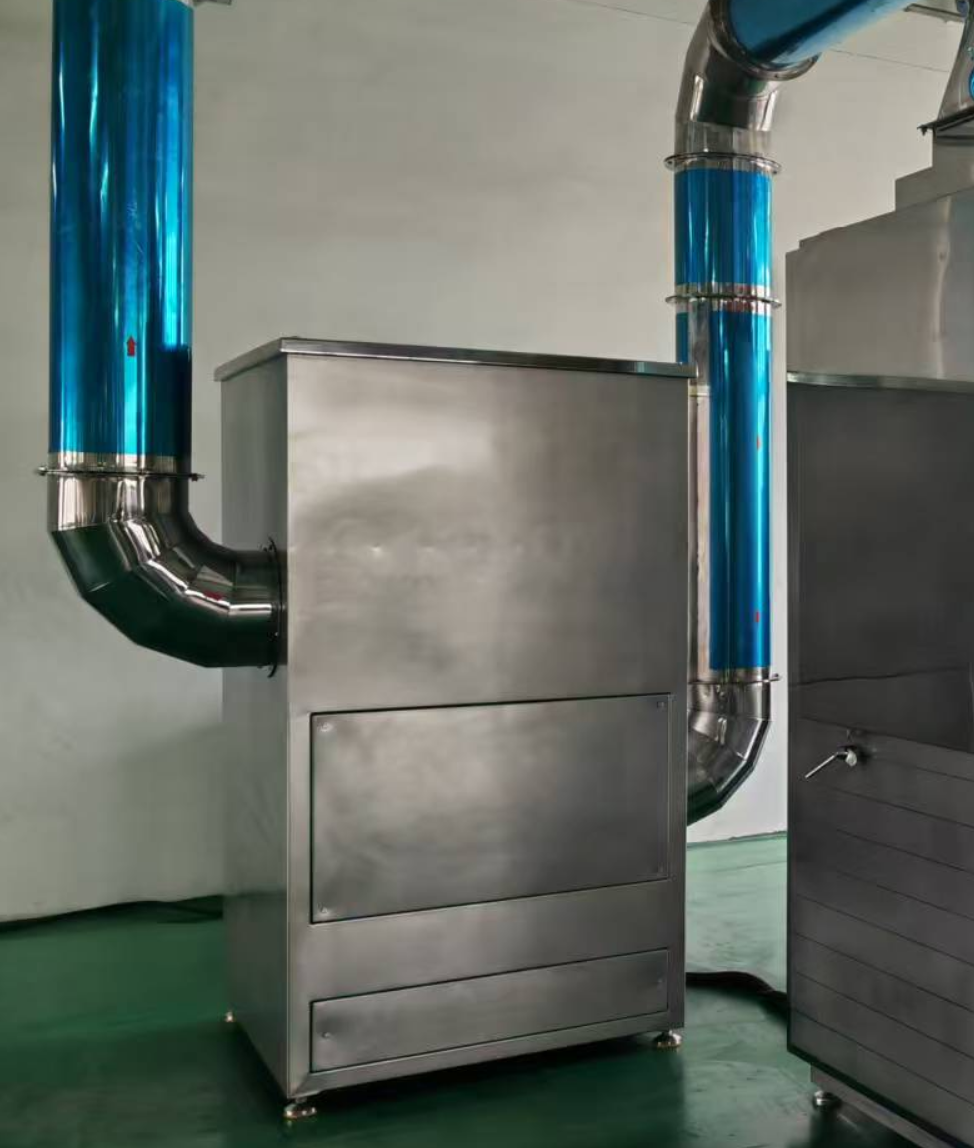
Das Luftbehandlungs- und Trocknungssystem liefert und filtert erwärmte Luft, um die Beschichtung auf den Tabletten effizient zu trocknen. Ein kontrollierter Luftstrom hilft dabei, überschüssige Feuchtigkeit zu entfernen, und sorgt dafür, dass die Beschichtung gleichmäßig aufgetragen wird. Er verhindert auch, dass die Tabletten in der Maschine zusammenkleben.
4. Auspuffanlage
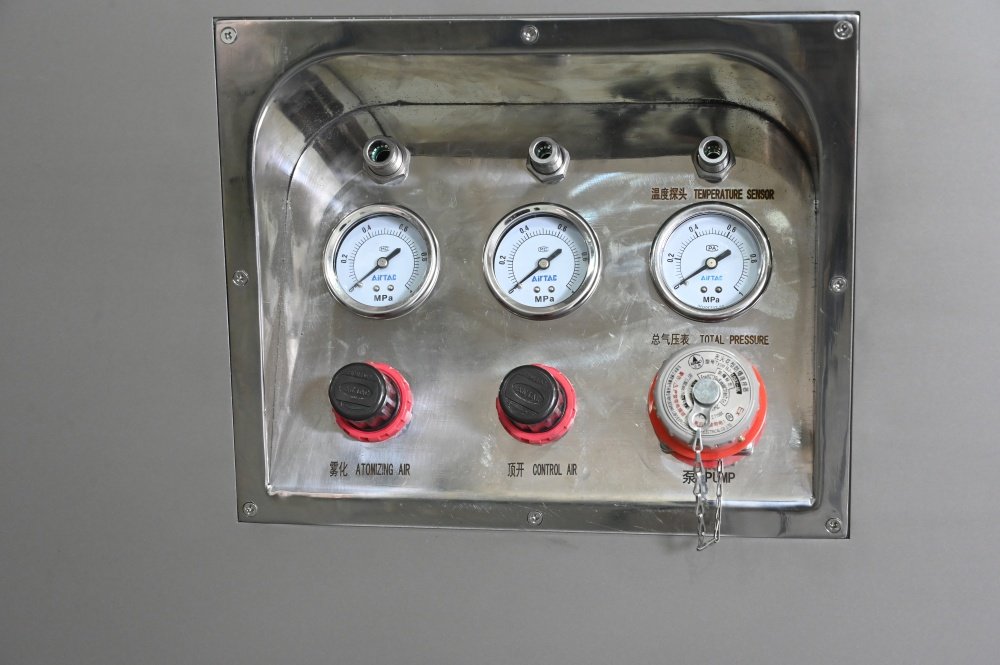
Das Abluftsystem besteht aus einem Gebläse und Kanälen, die verbrauchte Luft und Lösungsmitteldämpfe aus der Beschichtungswanne absaugen. Dadurch werden der richtige Druck und eine kontrollierte, sichere Umgebung für den Beschichtungsprozess aufrechterhalten.
Tablettenbeschichtungspfanne Arbeitsprozess: Schritt für Schritt
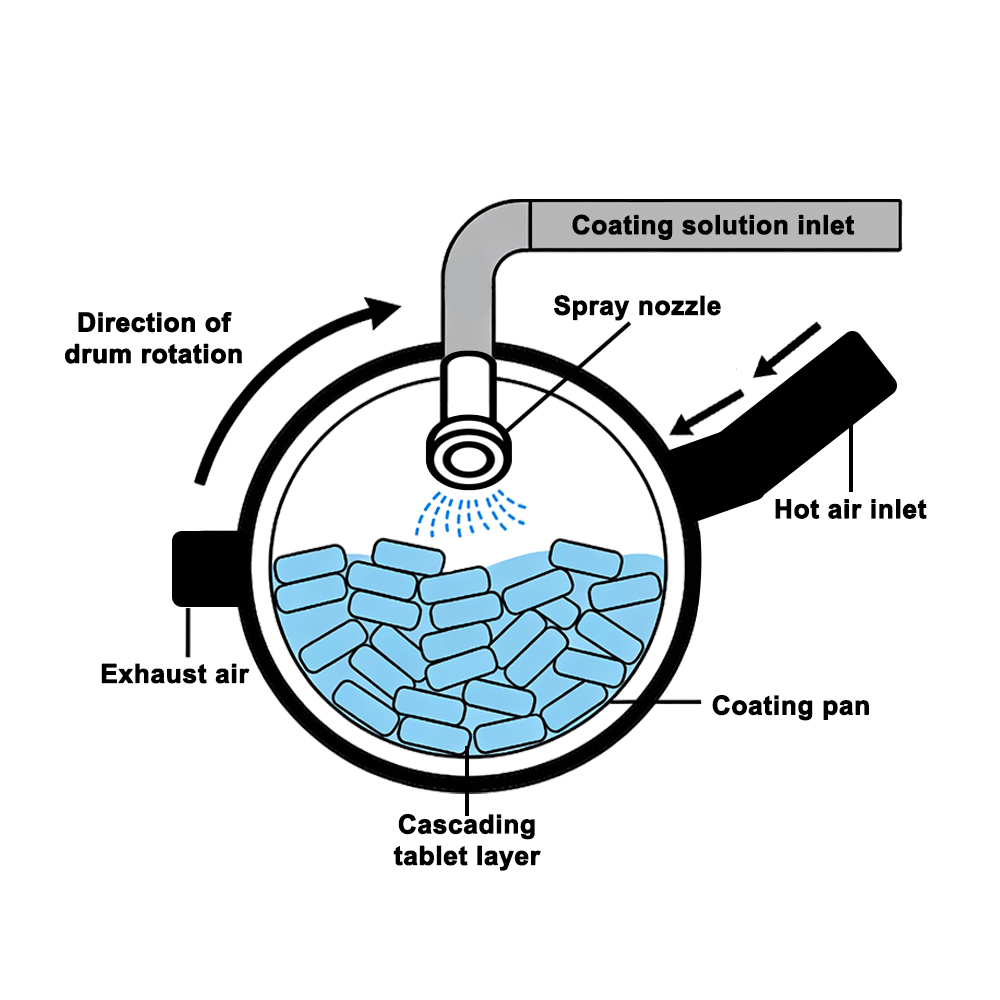
SOPs (Standard Operating Procedures) für Tablettenbeschichtungsanlagen enthalten detaillierte, präzise Schritte für den sicheren Betrieb der Anlagen. Der Prozess kann in vier Hauptphasen unterteilt werden, von der Vorbereitung der Ausrüstung bis zur anschließenden Reinigung.
Hier finden Sie eine Schritt-für-Schritt-Anleitung für eine Tablettenbeschichtungspfanne:
Phase 1: Vorbereitung und Einrichtung
Bevor der Beschichtungsprozess beginnt, inspiziert ein Qualitätssicherungsbeauftragter den gesamten Bereich gründlich. Er stellt sicher, dass die Tablettenwanne und alle ihre Komponenten, wie Gebläse und Pumpen, gründlich gereinigt und überprüft werden. Nach der Reinigung werden sie mit einem Etikett versehen “GEREINIGT” Status, um zu bestätigen, dass der Bereich für die Produktion freigegeben ist.
Nachdem der Bereich geräumt ist, werden die letzten Vorbereitungsschritte durchgeführt. Die Überzugssuspension und die richtige Menge an unbeschichteten Tabletten sollten vorbereitet und einsatzbereit gemacht werden. Dadurch wird sichergestellt, dass alle Materialien vor der Aktivierung der Maschine vorhanden sind.
Phase 2: Laden und Systemaktivierung
Sobald die Vorbereitungen abgeschlossen sind, beginnt der Prozess des Einlegens der Tabletten und der Aktivierung des Systems. Ein Pharmazeut lädt vorsichtig die spezifische Menge an unbeschichteten Tabletten in die saubere Beschichtungswanne. Die Sprühpistolen werden dann für eine optimale Abdeckung eingestellt und das Heißluftgebläse wird so positioniert, dass ein gleichmäßiger Luftstrom entsteht.
Sobald alles an Ort und Stelle ist, stellt der Maschinenführer alle Parameter entsprechend dem Chargenprotokoll (BMR) ein. Schließlich werden alle Systeme, einschließlich der Absaugung, des Gebläses und des Schalenmotors, eingeschaltet, um den Beschichtungsprozess zu beginnen.
Phase 3: Der Beschichtungsprozess
Dies ist die Kernphase, in der die Tabletten tatsächlich überzogen werden. Der Bediener beginnt damit, die Überzugslösung mit einer bestimmten Geschwindigkeit auf die taumelnden Tabletten zu sprühen. Gleichzeitig trocknet die erwärmte Luft aus dem Gebläse den Überzug, während er aufgetragen wird, und verhindert so, dass die Tabletten zusammenkleben.
Phase 4: Entladung und Nachbearbeitung
Sobald die Beschichtung abgeschlossen ist, wird der Prozess beendet und die Anlage gereinigt. Die Tabletten werden ein paar Minuten lang getrocknet, damit der Film vollständig aushärtet. Dann werden alle Geräte heruntergefahren und sicher ausgeschaltet. Die fertigen, beschichteten Tabletten werden vorsichtig in ordnungsgemäß beschriftete Behälter entladen.
Zum Schluss wird die gesamte Maschine nach einer spezifischen Reinigungs-SOP gründlich gereinigt. Damit ist das Ende der Charge erreicht und die Maschine für den nächsten Beschichtungszyklus bereit.
Die drei wichtigsten Verwendungszwecke für Tablettenbeschichtungspfannen
Tablettenbeschichtungspfannen sind vielseitige Maschinen, die verschiedene Arten von Beschichtungen für funktionelle und ästhetische Zwecke auftragen. Die Hauptverwendungszwecke lassen sich nach der Art der aufgebrachten Beschichtung kategorisieren.
1. Zuckermantel

Einige Multivitaminpräparate und Medikamente haben einen natürlich bitteren Geschmack, der unangenehm sein kann. Um dieses Problem zu lösen, werden Tablettenüberzugsmulden mit einem Zuckerüberzug versehen. Bei diesem Verfahren wird eine dicke Lösung aus Zucker, Glukose und Titaniumdioxid um die Tablette vollständig zu bedecken. Dadurch wird der unangenehme Geschmack überdeckt und es entsteht ein glatter, süßer und ästhetisch ansprechender Abgang, der das Schlucken des Medikaments wesentlich erleichtert.
2. Filmbeschichtung
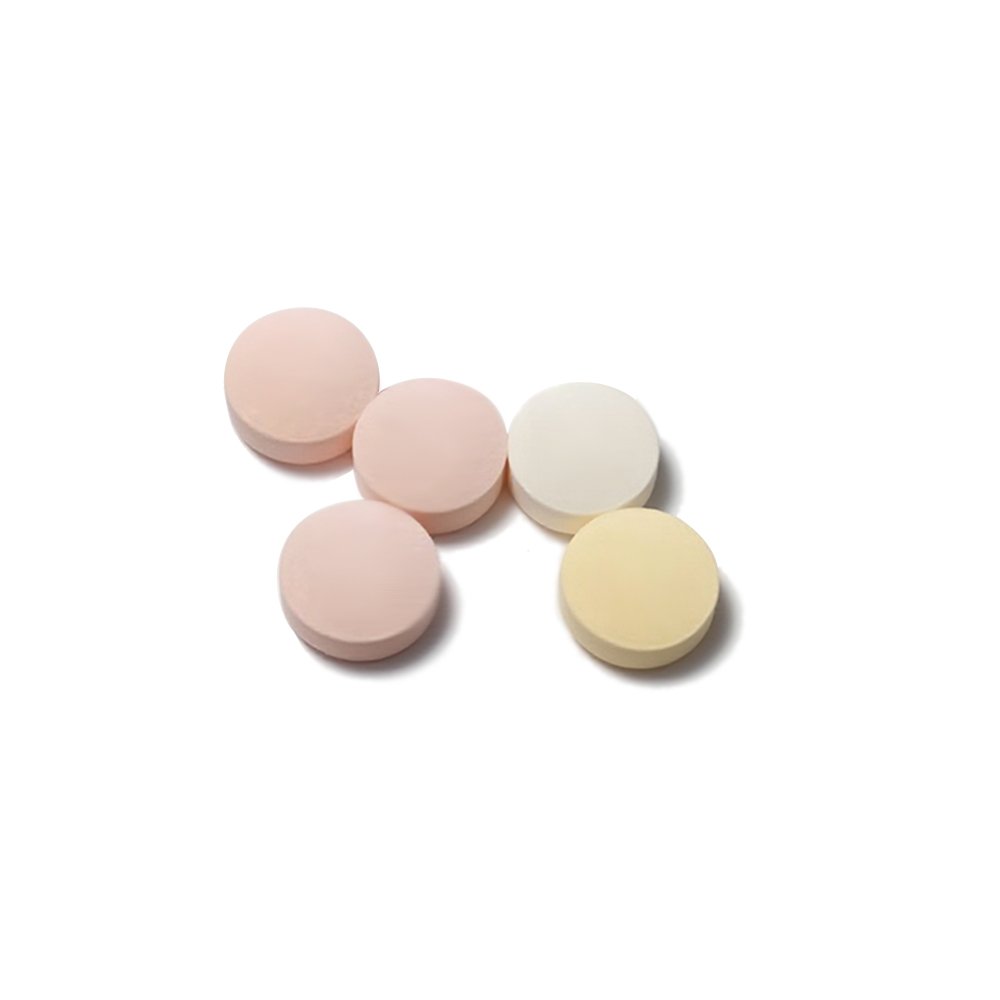
Die Filmbeschichtung ist die häufigste moderne Anwendung in der pharmazeutischen Industrie. Bei diesem Verfahren wird eine dünne Schicht aus wässriger Film aus Polymeren und Weichmachern wird auf die Tabletten aufgetragen. Diese Schutzschicht schirmt die Wirkstoffe vor Umwelteinflüssen wie Feuchtigkeit, Licht und Luft ab.
3. Enterische Beschichtung
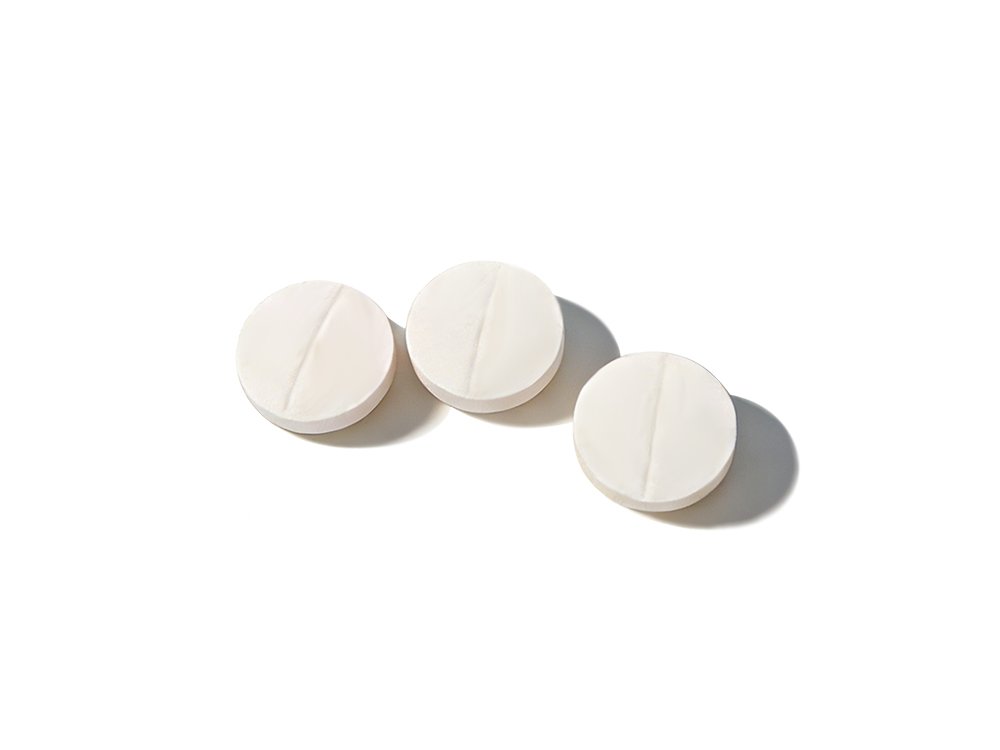
Tablettenüberzugsbehälter tragen einen speziellen magensaftresistenten Überzug auf, um die Tabletten zu schützen. Dieser Überzug ist so konzipiert, dass er in der sauren, pH-armen Umgebung des Magens intakt bleibt. Er ist so beschaffen, dass er sich nur im höheren pH-Wert des Darms auflöst. Damit soll sichergestellt werden, dass das Medikament nicht durch die Magensäure zerstört und im Darm freigesetzt wird.
Partnerschaft mit Finetech für ultimative Lösung zur Tablettenbeschichtung
Eine Tablettenüberzugswanne ist weit mehr als nur eine Maschine; sie ist ein Präzisionsinstrument, bei dem jedes Detail das Endprodukt beeinflusst. Ihre Leistung hängt von dem empfindlichen Gleichgewicht zwischen den Eigenschaften des Überzugsmaterials, dem Design des Sprühsystems und der Luftförderkapazität ab.
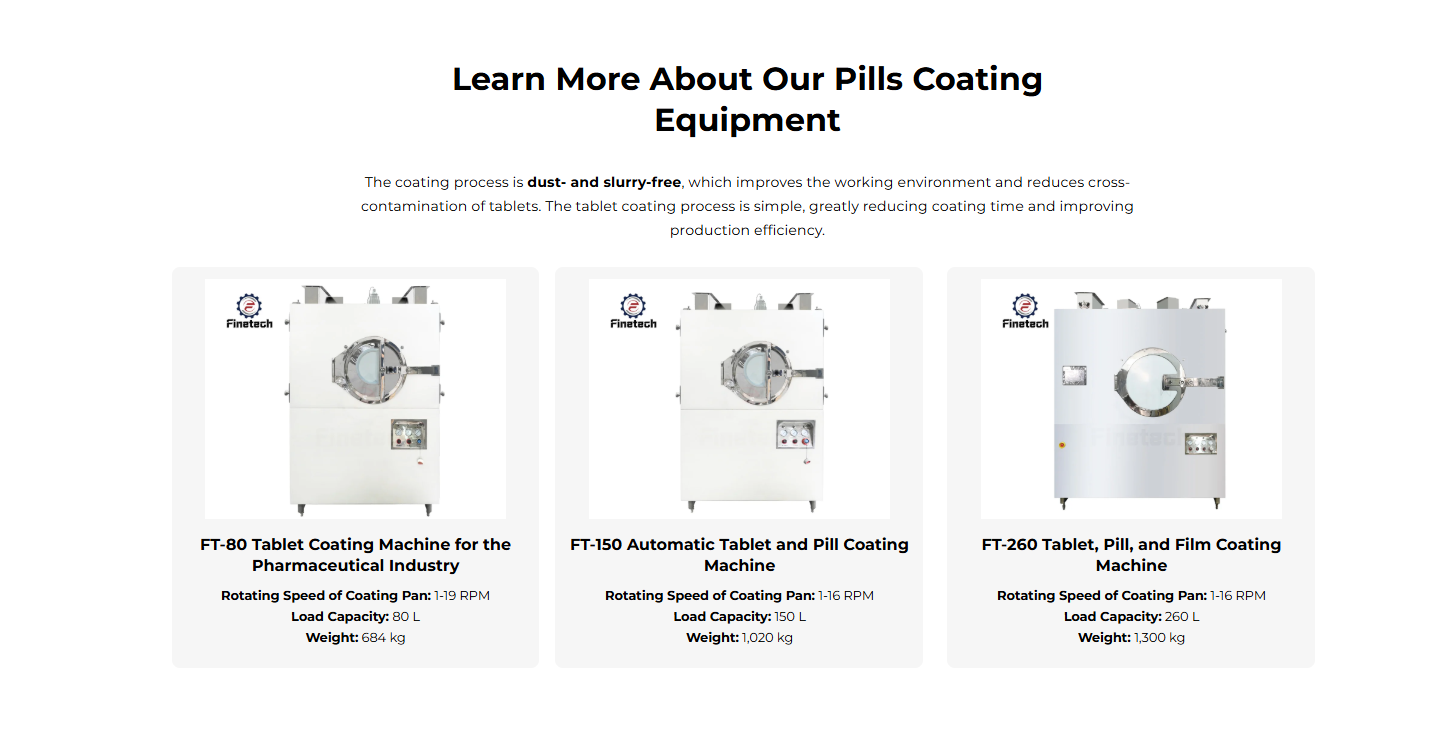
Für einen reibungslosen und zuverlässigen Betrieb ist eine ordnungsgemäße Wartung, einschließlich regelmäßiger Schmierung, Reinigung und Instandhaltung der Spritzpistole, absolut entscheidend.
Wählen Sie immer einen Hersteller, der Ihre Produktionsbedürfnisse versteht und langfristige Unterstützung bietet. Als führender Hersteller pharmazeutischer Ausrüstung, Fintechs Das Fachwissen wird durch Zertifizierungen wie GMC, CEP und FDA. Mit einem umfangreichen Angebot an hochwertigen Beschichtungslösungen helfen unsere Experten Ihnen, das perfekte System für Ihr Unternehmen zu finden.
Kontaktieren Sie Finetech noch heute und überlassen Sie den Rest uns!
FAQs
1. Wie groß ist das durchschnittliche Fassungsvermögen der Tablettenüberzugswanne?
Das Fassungsvermögen einer Tablettenüberzugswanne, ausgedrückt in Kilogramm, wird berechnet, indem man das Randvolumen der Wanne in Litern mit der Schüttdichte der Tabletten in Gramm pro Milliliter (g/ml) multipliziert. Eine 200-Liter-Tablettenwanne hat beispielsweise eine Arbeitskapazität von etwa 60 bis 100 Kilogramm pro Charge, je nach Größe und Dichte der Tabletten.
2. Kann jede Art von Beschichtung mit einer Tablettierschale aufgetragen werden?
Tablettendruckformen sind speziell für Zucker-, Film- und magensaftresistente Überzüge konzipiert. Allerdings ist der Typ der verwendeten Pfanne wichtig. Standardpfannen eignen sich am besten für die traditionelle Zuckerdragierung, da sie eine geringe Trocknungseffizienz aufweisen. Für den schnelleren Prozess der Film- und magensaftresistenten Überzüge sind perforierte Pfannen mit hohem Wirkungsgrad erforderlich.
3. Wie hoch ist die durchschnittliche Temperatur einer Tablettenbeschichtungspfanne?
Die Einlassluft wird in der Regel auf 50-70 °C erhitzt, um die Beschichtung zu trocknen. Die Tabletten selbst, das so genannte Tablettenbett, werden jedoch bei einer kühleren Temperatur, in der Regel zwischen 38 und 45 °C, gehalten, um eine Beschädigung der Medikamente zu verhindern.