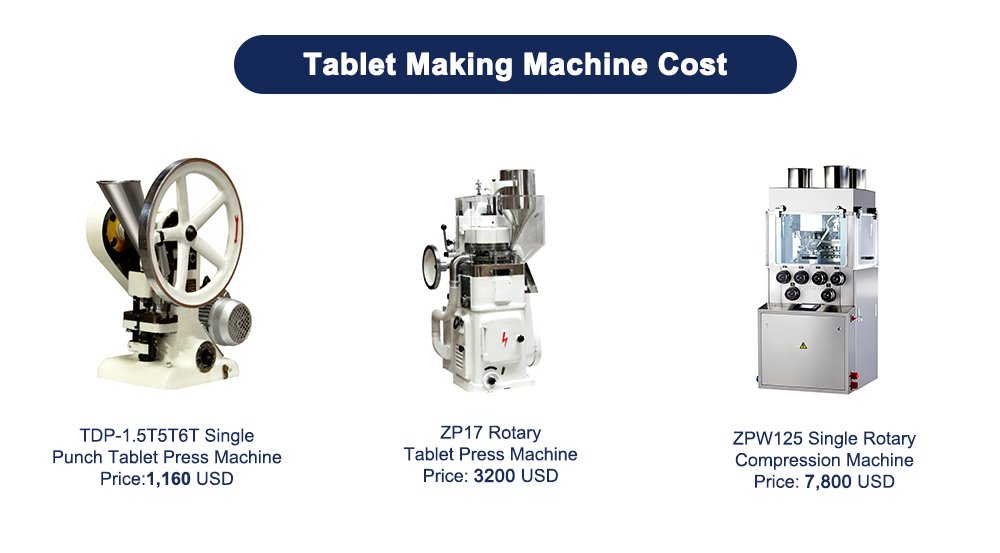
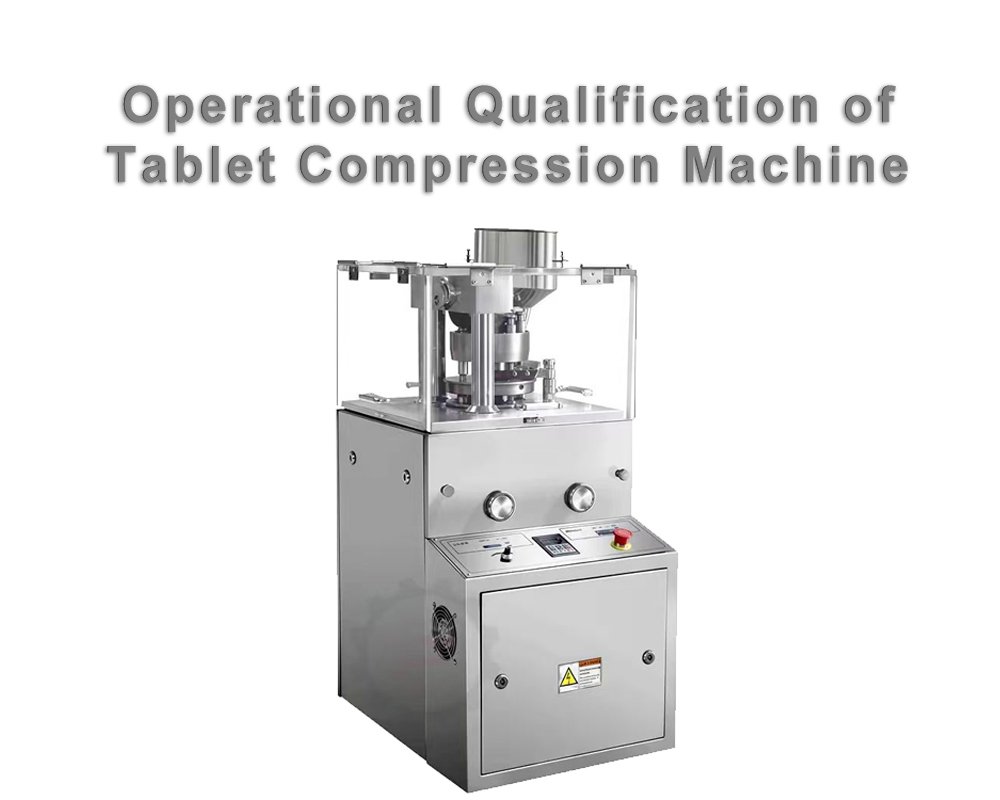
How Much Do Tablet Making Machine Cost?
How many times do you end up with a disfigured tablet? Not only does this affect the appearance, but also the consistency and potency of the drug. Therefore, it’s a
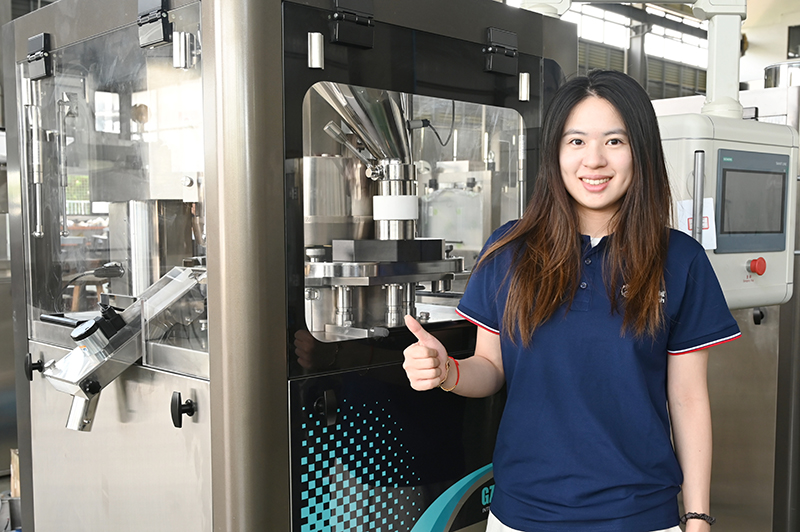
Finetech supplies rotary tablet press machines for pharmaceutical, nutraceutical, food, and chemical production. We match the press to your formulation, tablet profile, tooling standard, target speed, and available utilities. Options range from compact rotary equipment to double-sided, high-speed systems. Our team supports trials, commissioning, tooling coordination, and long-term operation.

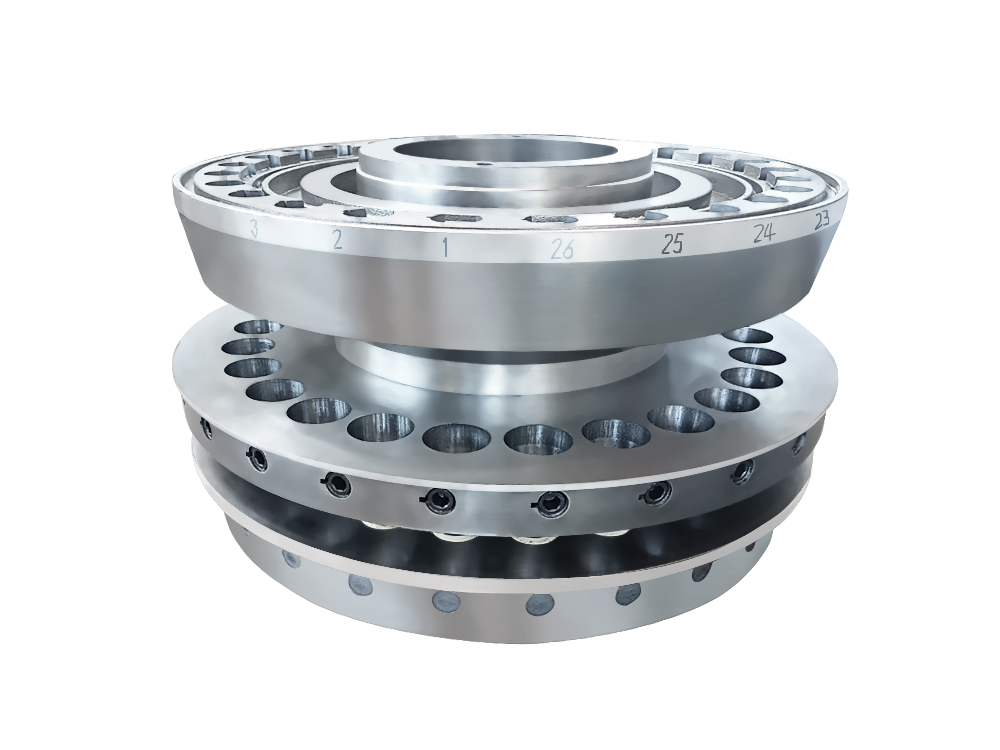
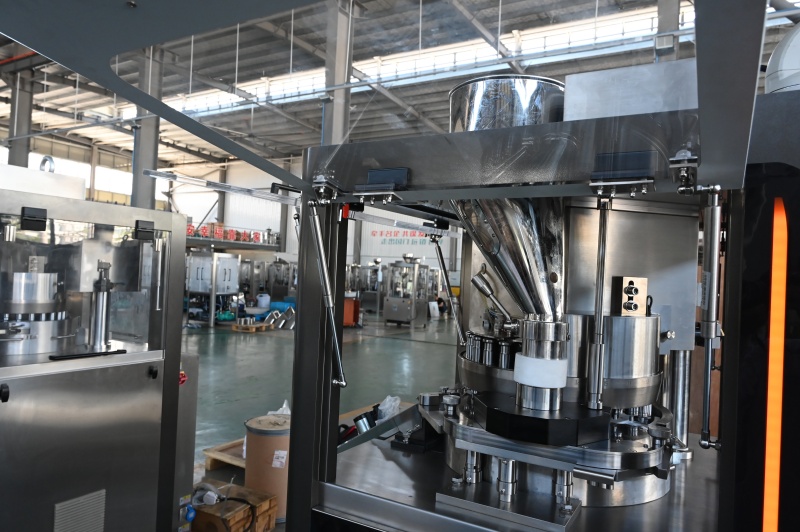
A rotary tablet press machine compresses powder or granules into tablets through a continuously rotating turret. Multiple punch-and-die stations fill, meter, compress, and eject tablets during each revolution. Operators can adjust fill depth and compression force for the required weight, thickness, and hardness. This continuous process supports stable output at production scale.
Controlled filling and compression support repeatable tablet weight, thickness, and hardness. Stable settings make in-process checks easier to manage.
Multiple tooling stations produce tablets during every turret rotation. Buyers can select a press that fits pilot work, routine batches, or high-volume demand.
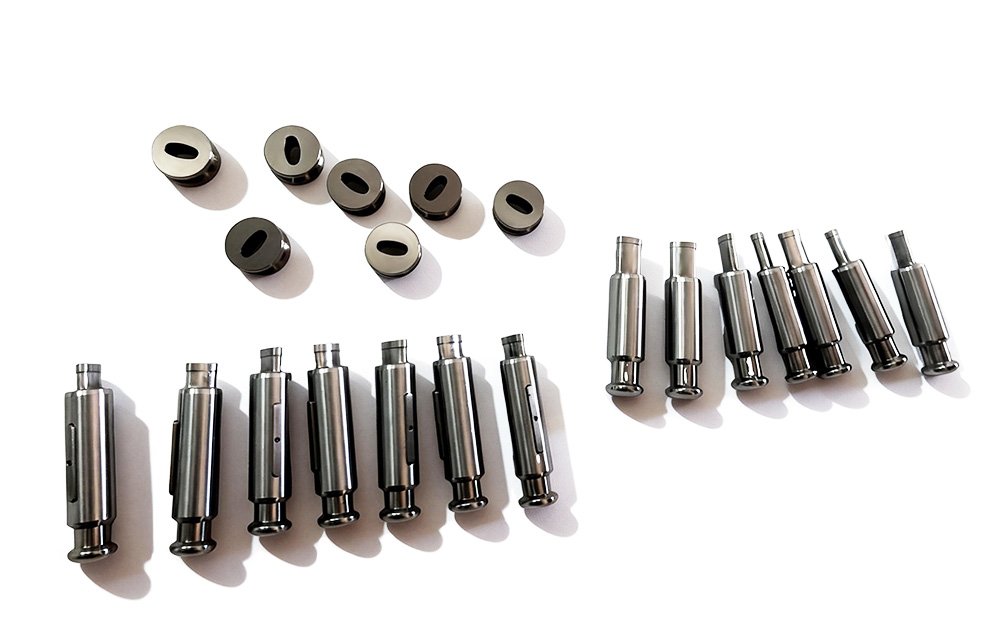
Interchangeable punches and dies support different tablet sizes, shapes, logos, and break lines. Planned tooling changes help one press handle several products.
Tablet compression depends on more than press speed. Finetech reviews powder flow, tablet geometry, target hardness, tooling choice, batch size, and cleaning needs. We then recommend a suitable turret, feeder, and control configuration. This application-led process reduces avoidable changes after the equipment reaches your plant.

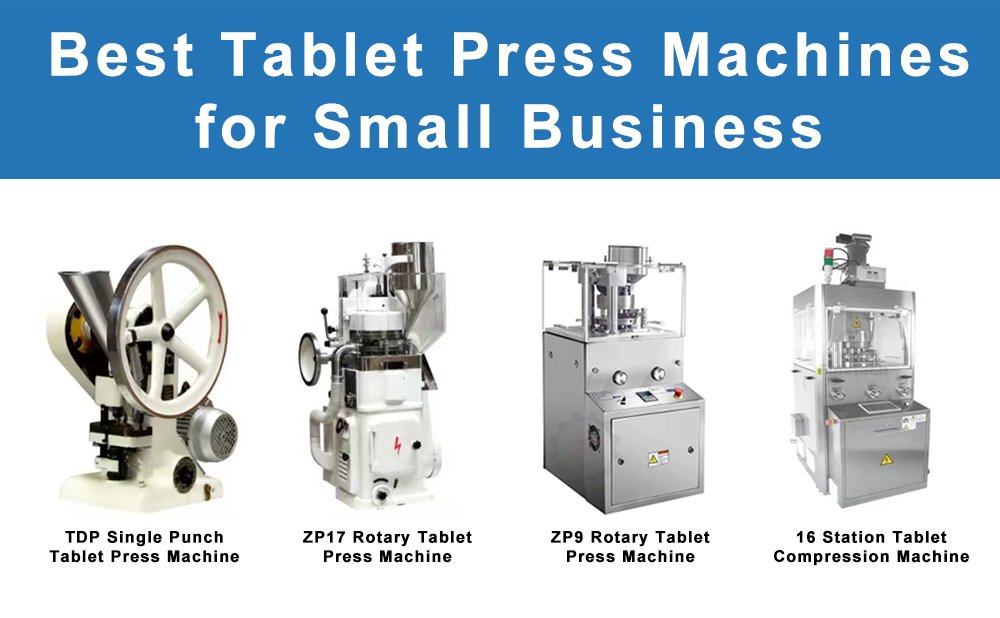
Choose from compact single-sided rotary presses, double-sided machines, high-speed compression systems, and specialized presses for larger or effervescent tablets. Available tooling standards and station counts cover development, medium-scale manufacturing, and continuous high-output work. The right design depends on tablet dimensions, formulation behavior, cleaning requirements, and the number of products planned for the press.

Number of Stations: 41 to 64
Tooling Standards: D, B, BB, BBS
Maximum Main Pressure (KN): 100
Maximum Tablet Diameter (mm): 25 to 13 for irregular and 25 to 11 for regular
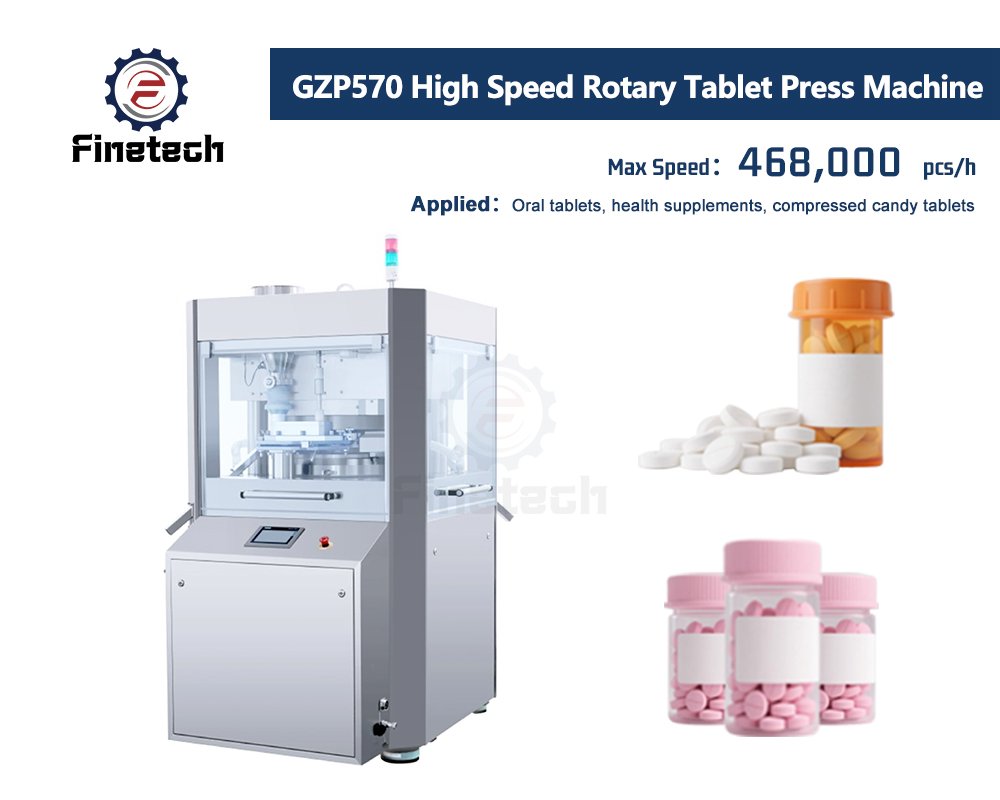
Maximum Production Capacity for Single Layer Tablets (pcs/hour): 393600 to 624000
Motor Power (Kw): 7.5

Number of Stations: 29 to 41
Tooling Standards: D, B, BB, BBS
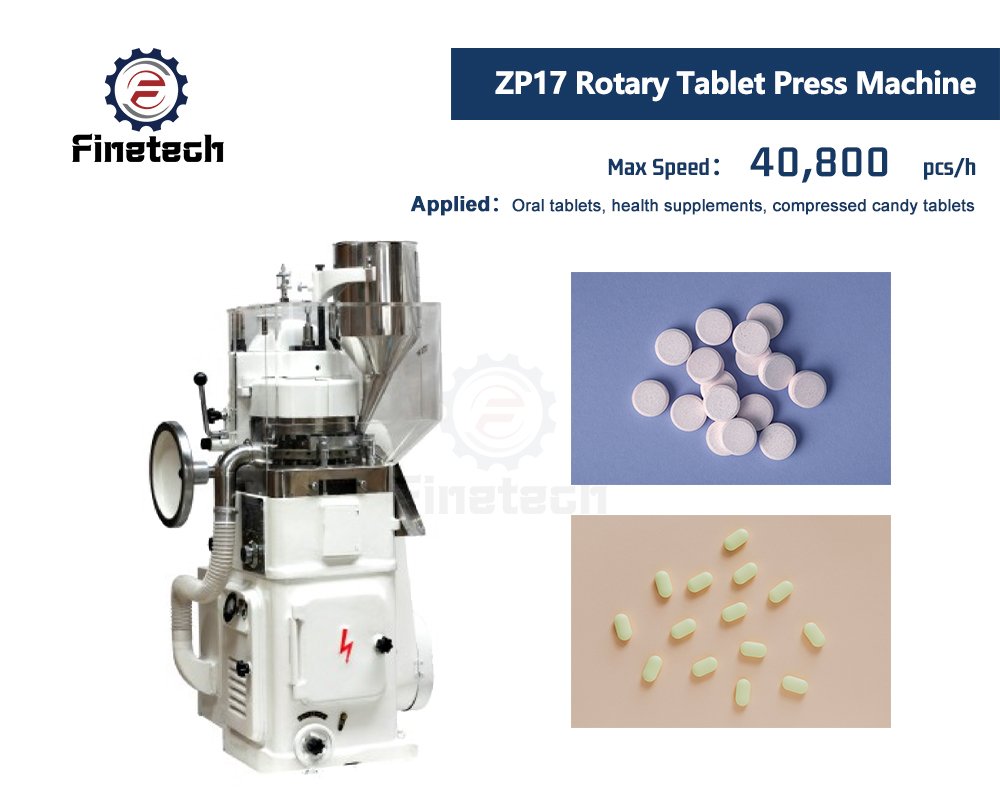
Maximum Main Pressure (Kn): 100 to 120
Maximum Tablet Diameter (mm): 25 to 11
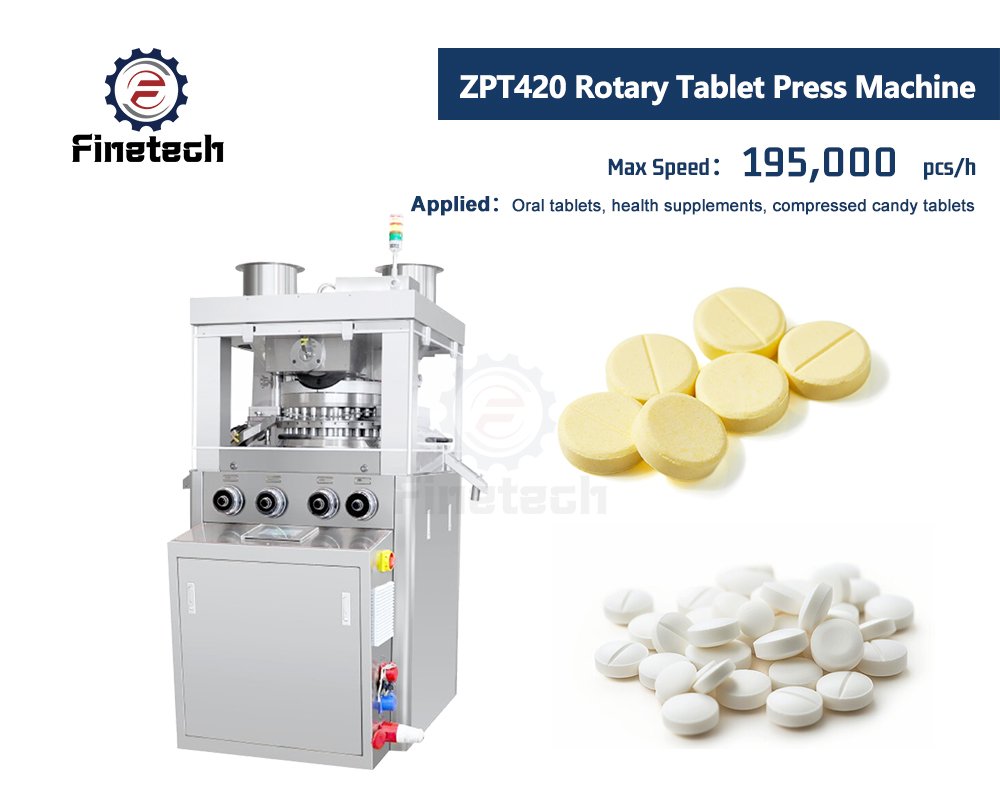
Maximum Production Capacity (pcs/hour): 139200 to 196800
Motor Power (Kw): 7.5

Number of Stations: 24 to 39
Tooling Standards: D, B, ZP, BB, BBS
Maximum Main Pressure (Kn): 20
Maximum Tablet Diameter (mm): 25 to 13 for irregular tablets and 25 to 11 for regular tablets
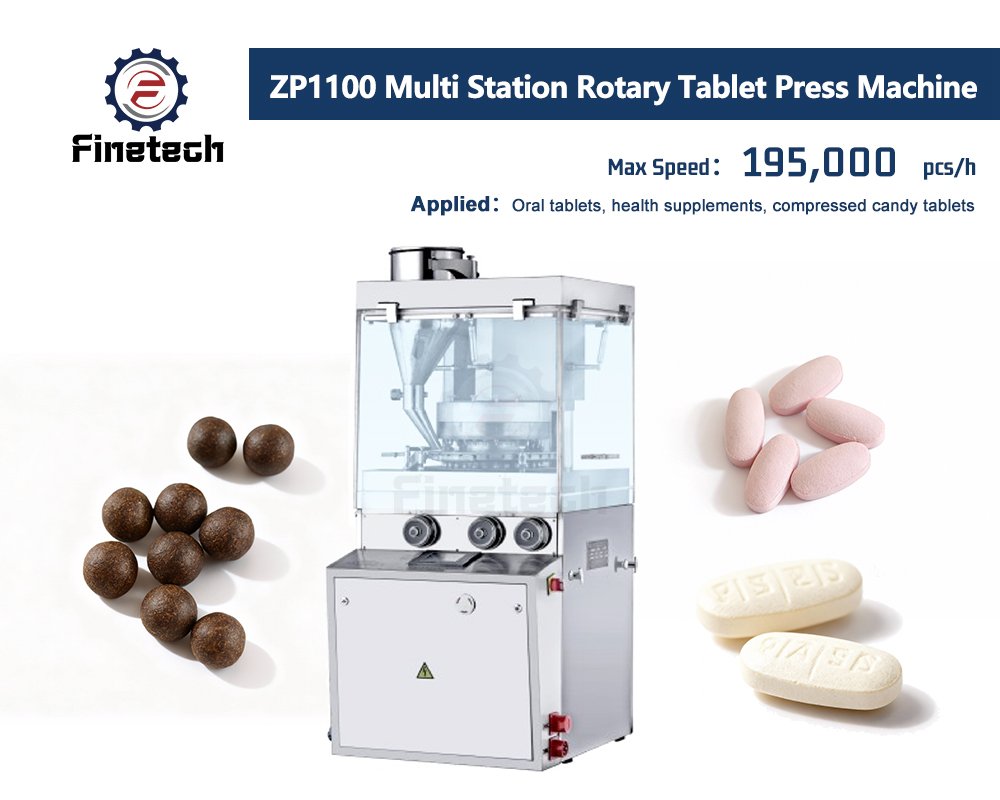
Maximum Production Capacity (pcs/hour): 93600 to 152100
Motor Power (Kw): 4

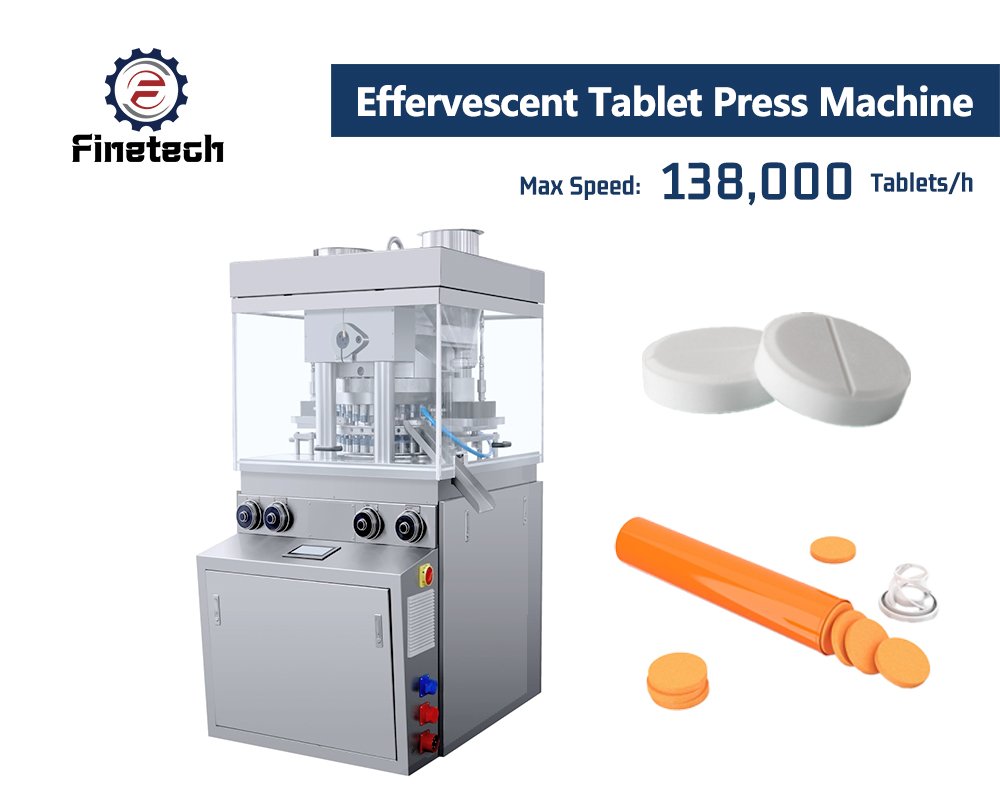
Number of Stations: 41 to 64
Tooling Standards: D, B, BB, BBS
Maximum Main Pressure (KN): 100
Maximum Tablet Diameter (mm): 25 to 13 for irregular and 25 to 11 for regular
Maximum Production Capacity for Single Layer Tablets (pcs/hour): 393600 to 624000
Motor Power (Kw): 7.5

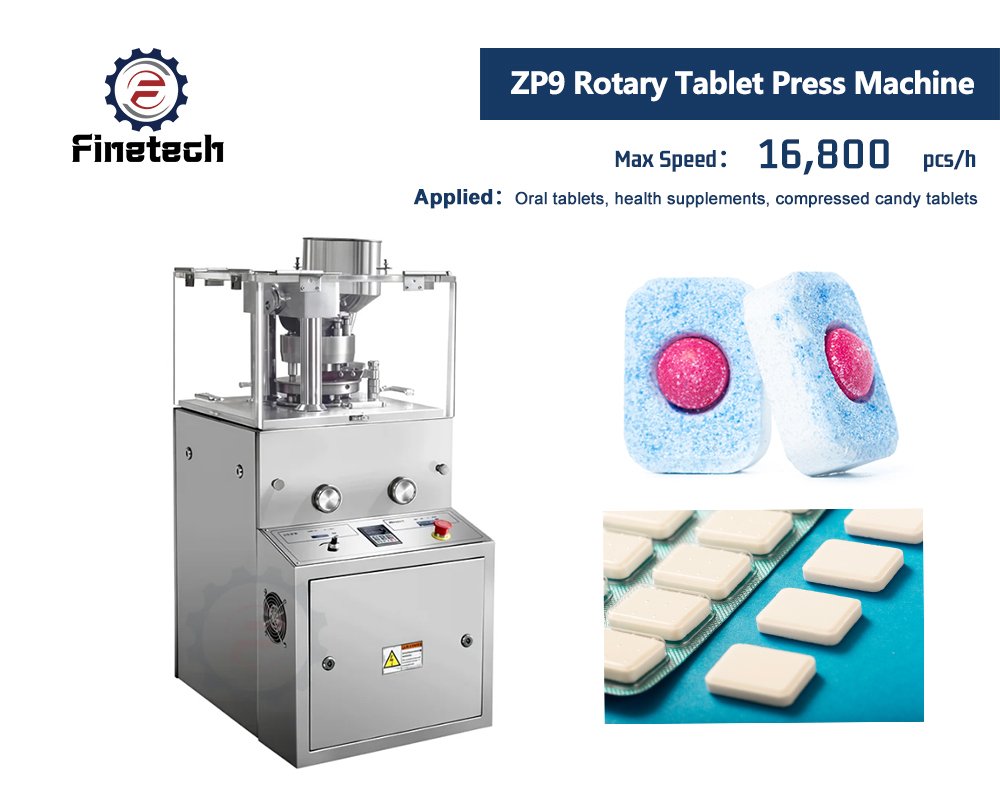
Number of Stations: 9
Maximum Main Pressure (Kn): 40
Maximum Tablet Diameter (mm): 12
Maximum Production Capacity (pcs/hour): 16200
Motor Power (Kw): 1.5

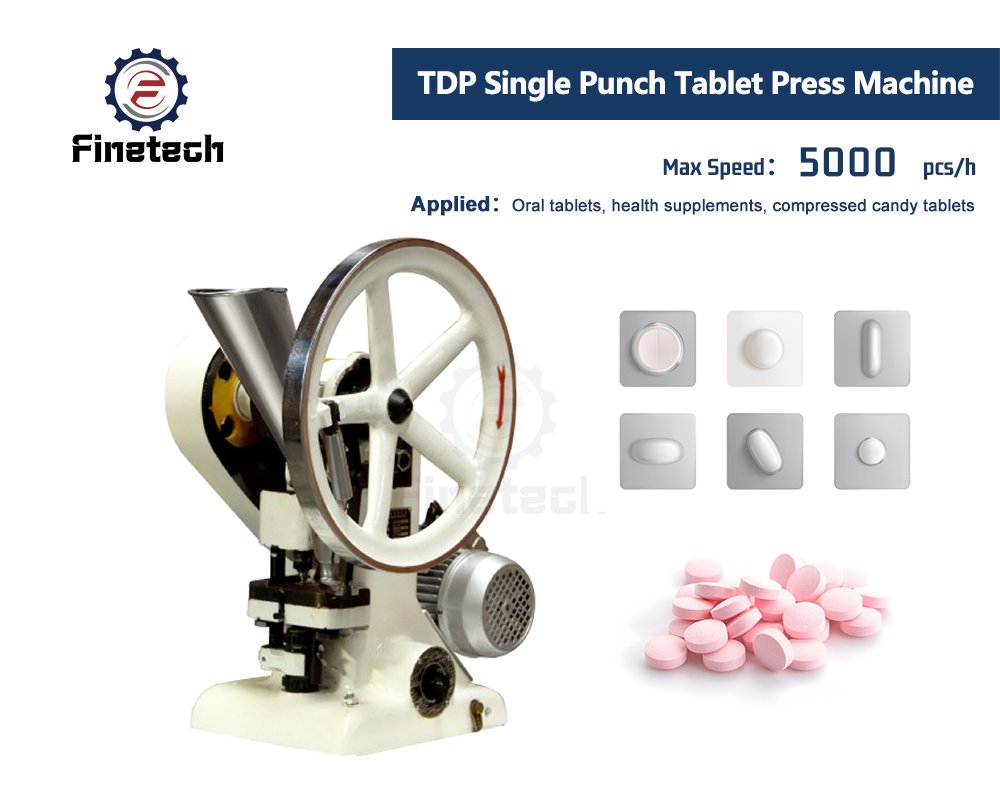
Maximum Main Pressure (Kn): 15, 50, 60
Maximum Tablet Diameter (mm): 12, 20, 25
Maximum Production Capacity (pcs/hour): 6000, 4500, and 3000, respectively
Motor Power (Kw): 0.37, 0.75, and 1.1

Number of Stations: 25 to 37
Tooling Standards: D, B, ZP, BB, BBS
Maximum Main Pressure (Kn): 80
Maximum Tablet Diameter (mm): 25 to 16 for irregular tablets and 25 to 13 for regular tablets
Maximum Production Capacity (pcs/hour): 30000 to 88800
Motor Power (Kw): 4

Number of Stations: 27 to 31
Tooling Standards: D, B, ZP, BB, BBS
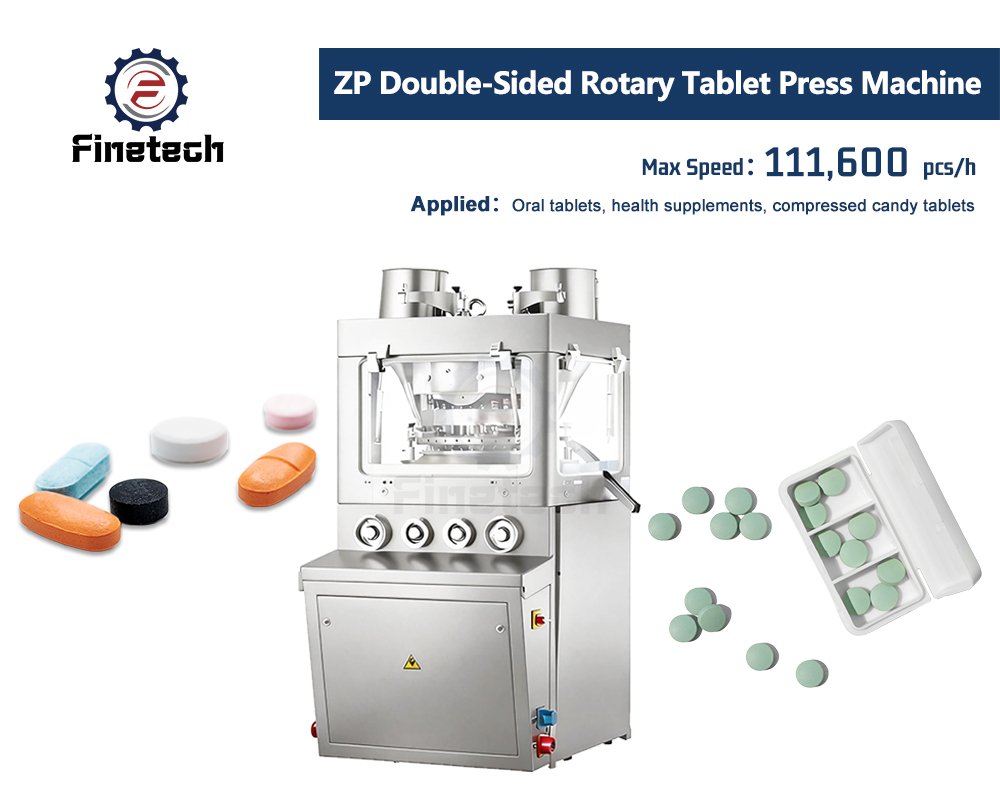
Maximum Main Pressure (Kn): 100
Maximum Tablet Diameter (mm): 25
Maximum Production Capacity (pcs/hour): 97200 to 111600
Motor Power (Kw): 5.5

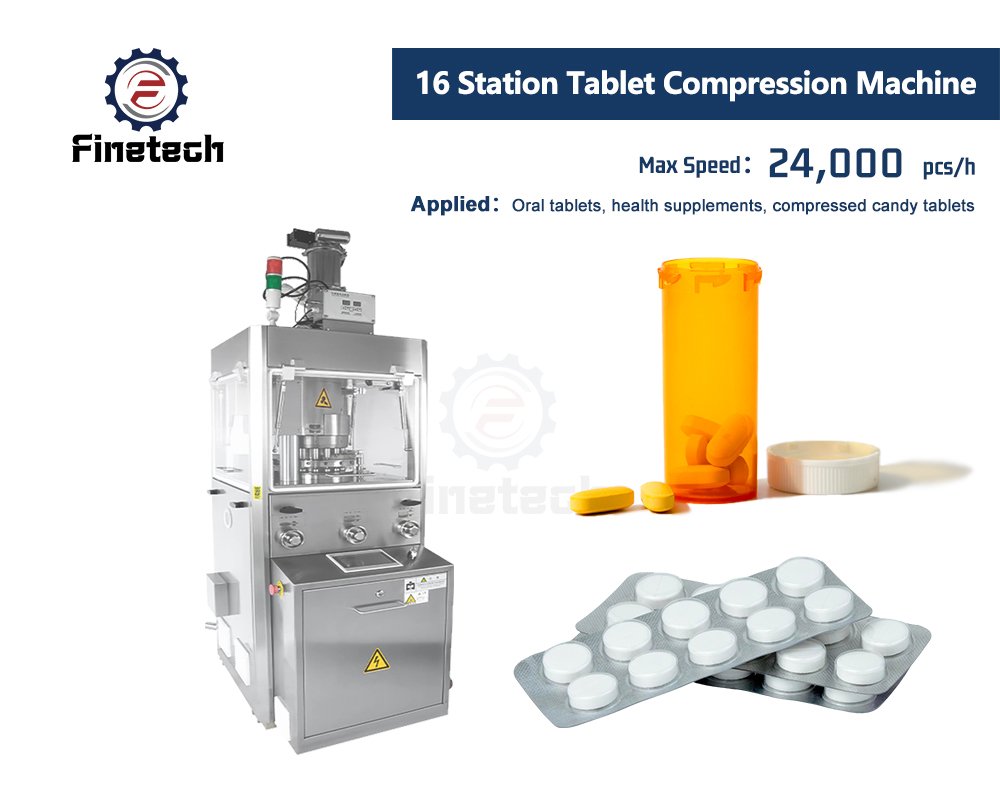
Number of Stations: 8 to 16
Tooling Standards: D, B, ZP, BB, BBS
Maximum Main Pressure (Kn): 80
Maximum Tablet Diameter (mm): 25 to 18 for regular tablets
Maximum Production Capacity (pcs/hour): 14400 to 28800
Motor Power (Kw): 2.2KW/380V,50Hz

Max compression force: 100–120 KN.
Max tablet diameter: 24–35 mm.
Max tablet thickness: 6–12 mm.
Power: 5.5–7.5 KW.
Full stainless steel 304 body, GMP compliant.
We will customize the rotary tablet press according to your tablet dimensions, shape, and pattern.


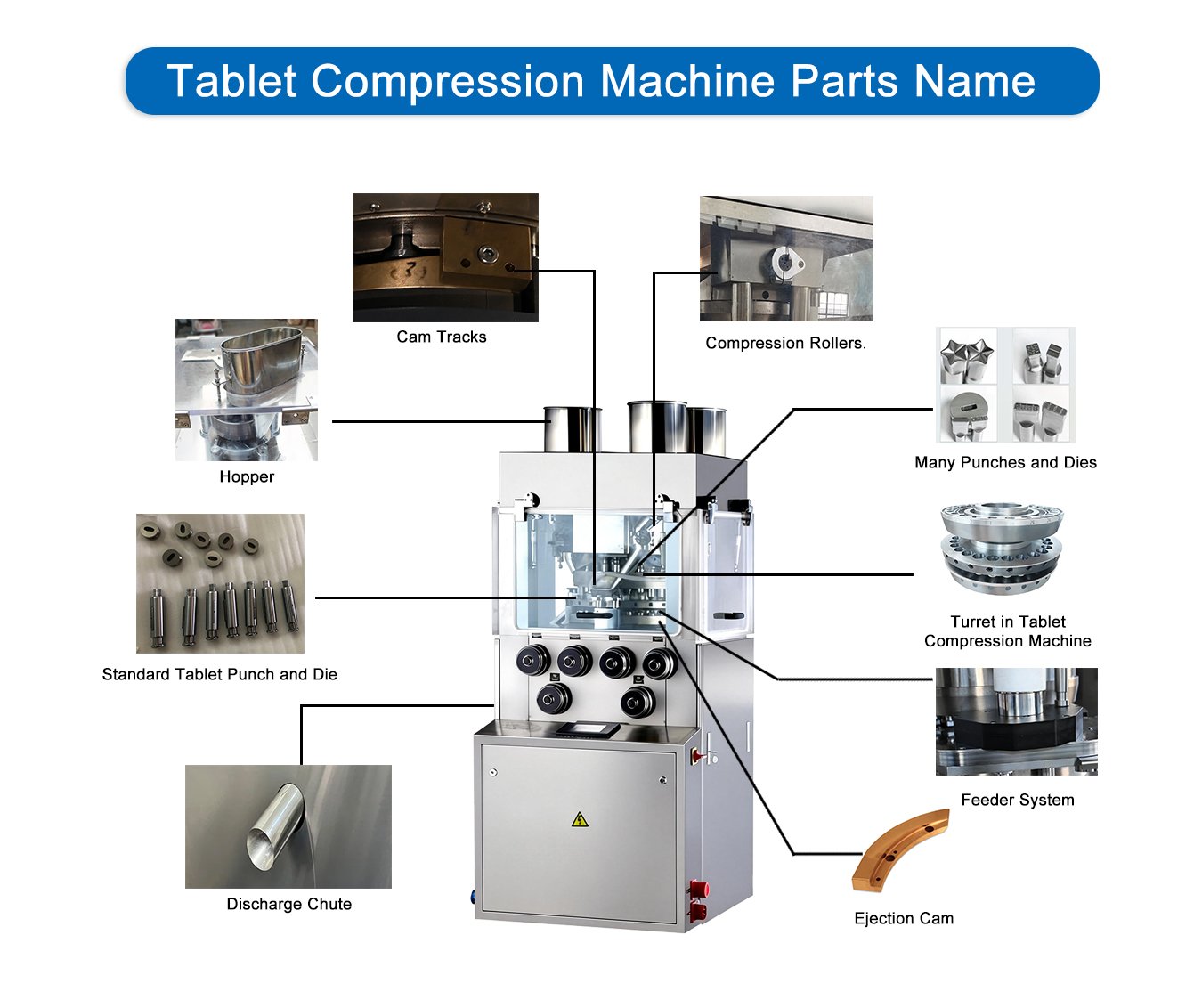
The turret carries multiple punch-and-die stations through filling, compression, and ejection. Continuous rotation raises output without turning the process into a stop-start sequence.

Adjustable lower-punch position meters the powder held in each die. Careful setup supports target tablet weight and limits unnecessary variation during a batch.

Selected models remove trapped air with pre-compression before applying final force. Operators can tune both stages around the formulation and required tablet strength.

Gravity or forced feeders deliver material across the die table. The feeder choice can reflect powder flow, bulk density, production speed, and sensitivity to overworking.

D, B, BB, BBS, and other tooling options cover many tablet profiles. Custom punches can add logos, score lines, or special shapes where the product permits.

The lower punch lifts each finished tablet from the die. A correctly set take-off blade transfers it smoothly and helps prevent edge damage or production jams.

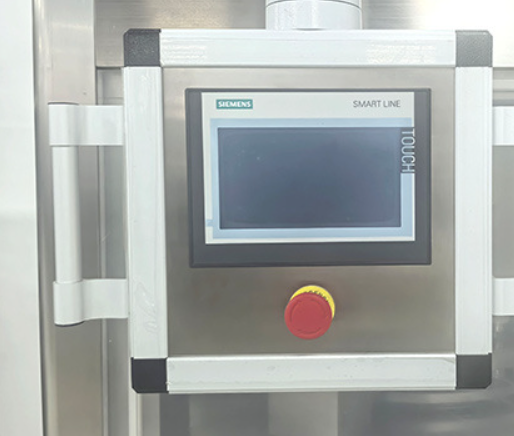
The control interface gives operators clear access to speed, alarms, and approved process settings. Recipe storage helps trained teams return to established products efficiently.

Enclosed compression areas and dust-extraction connections help contain airborne powder. Accessible surfaces support routine cleaning between batches and product changes.

Guards and interlocks protect moving compression components during operation. Well-positioned access points simplify inspection, tooling work, lubrication, and scheduled maintenance.
We offer custom manufacturing, tablet press punch replacement, and tablet shape & embossing pattern design.
On-site installation and commissioning support for your pharmaceutical machinery.
Operator training to help your team understand the correct operation of the machine.
Online technical assistance for machine operation and troubleshooting.
Support for pharmaceutical workshop and production-line planning.
Support change parts: Turret, Hopper, Rollers.
Punch & Die Set: B punch, D punch, DB punch.
We provide tablet manufacturing solutions for small-scale manufacturers.
We provide DEA Form 452 transaction reporting service for tablet presses exported to the USA.
Portfolio Output Range
Tablets/hour
Available Station Range
Stations
Maximum Main Pressure Range
kN
Main Motor Power Range
kW
| Model | GZP570-41 | GZP570-51 | GZP570-61 | GZP570-65 | ZP-9 | ZP17 | ZP420-29 | ZP420-35 | ZP420-39 | ZP420-41 | ZP1100-24 | ZP1100-29 | ZP1100-34 | ZP1100-36 | ZP1100-39 | ZP1100-50 | |
| Number of Stations | 41 | 51 | 61 | 65 | 5/7/9/11 | 17 | 29 | 35 | 39 | 41 | 24 | 29 | 34 | 36 | 39 | 50 | |
| Max Main Pressure (KN) | 100 | 100 | 100 | 100 | 40 | 50 | 120 | 100 | 100 | 100 | 80 | 80 | 80 | 80 | 80 | 80 | |
| Max Pre-pressure(KN) | 40 | 40 | 40 | 40 | / | 10 | 20 | 20 | 20 | 20 | 20 | 20 | |||||
| Max Tablet Diameter(mm) | Round tablet | 25 | 18 | 13 | 11 | 12 | 20 | 25 | 18 | 13 | 11 | 25 | 18 | 13 | 13 | 11 | 8 |
| lrregular tablet | 25 | 19 | 16 | 13 | 22 | 25 | 19 | 16 | 13 | 25 | 19 | 16 | 16 | 13 | 8 | ||
| Max Filing Depth(mm) | 20 | 18 | 15 | 15 | 12 | 15 | 20 | 18 | 15 | 15 | 18 | 18 | 18 | 18 | 18 | 18 | |
| MaxTablet Thickness (mm) | 10 | 8 | 6 | 6 | 6 | 6 | 8 | 7 | 6 | 6 | 7 | 7 | 7 | 7 | 7 | 7 | |
| Max Production Capacity(pcs/h) | 295200 | 367200 | 439200 | 468000 | 9k/13k/16.8k | 40800 | 139200 | 168000 | 187200 | 196800 | 93600 | 13100 | 132600 | 140400 | 152100 | 195000 | |
| Motor Powwer(kw) | 11 | 7.5 | 7.5 | 7.5 | 1.5 | 2.2 | 7.5 | 5.5 | 5.5 | 5.5 | 4 | 4 | 4 | 4 | 4 | 4 | |
| Overall Size(mm) | 1420*1200*1850 | 410*410*940 | 950*770*1740 | 960*1150*1900 | 960*910*1750 | ||||||||||||
| Machine Weight(kg) | 3500 | 170 | 900 | 2000 | 1650 | ||||||||||||
| Tooling Standard | D | B | BB | BBS | / | / | D | B | BB | BBS | D | B | ZP | BB | BBS | TS14 |
Talk to our experts to discover the right solution for your needs.

Learn tablet press knowledge: case studies, SOPs, operating principles

How many times do you end up with a disfigured tablet? Not only does this affect the appearance, but also the consistency and potency of the drug. Therefore, it’s a

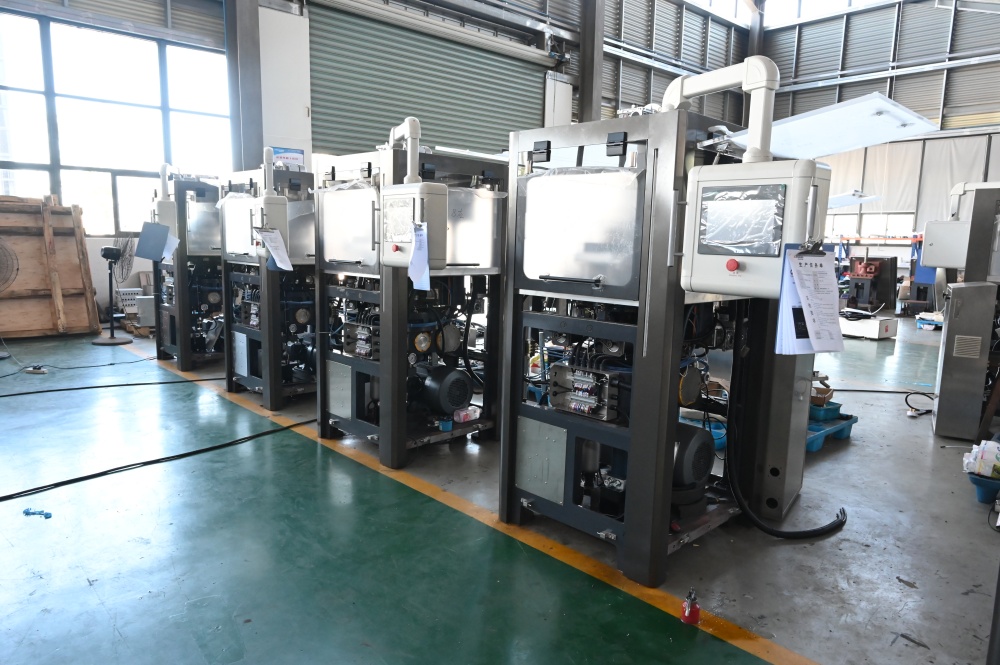
A tablet compression machine may appear ready once installed, but installation alone does not prove

Launching a small pharmaceutical, nutraceutical, or supplement business comes with tough decisions, and choosing the
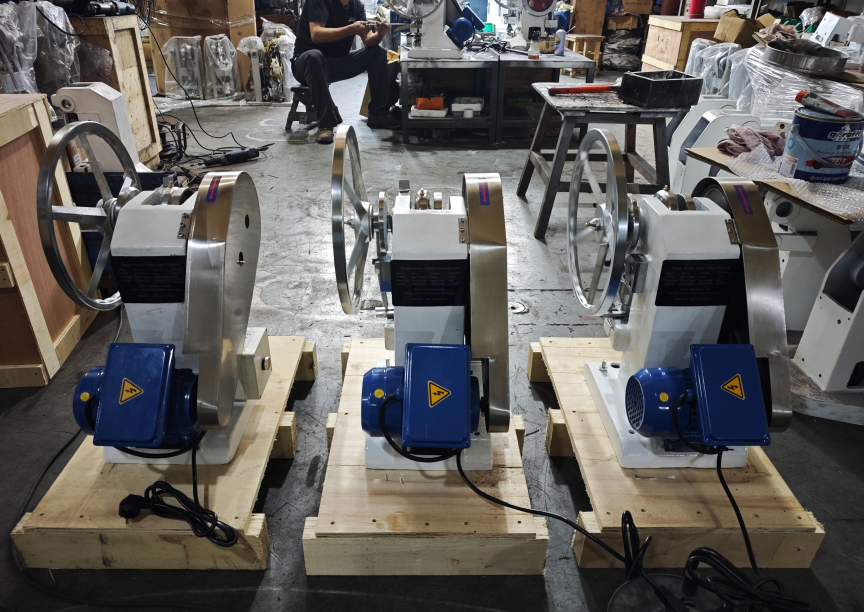
Quick Overview Egyptian client Elina operates a small chemical plant with 15 staff, specializing in


Start with tablet dimensions, formulation flow, target output, tooling standard, and required compression force. Cleaning and changeover frequency matter as well.
Yes. Each shape needs compatible punches and dies. The press must also support the required tooling standard and tablet dimensions.
Die fill depth, powder density, feeder performance, and material flow all affect weight. Stable upstream granulation is equally important.
Operators adjust pre-compression and main compression within the validated process range. Formulation properties and dwell time also influence final hardness.
A forced feeder helps when powder does not enter the dies consistently at the required speed. Testing confirms whether it improves fill uniformity.
Yes. Custom punches can form logos, text, break lines, and approved shapes. The design must allow reliable compression and release.
Common causes include trapped air, unsuitable moisture, poor granulation, excess speed, and incorrect compression settings. A process review is needed before adjustment.
Inspect tooling during cleaning and planned changeovers. Replace worn, chipped, corroded, or dimensionally unsuitable components before further production.
Yes. It can work with dedusters, metal detectors, tablet coaters, collection systems, and downstream packaging equipment.
Share the formulation type, tablet drawing, hourly output, tooling preference, electrical supply, room conditions, and applicable production requirements.
Timing depends on tooling access, feeder changes, cleaning scope, and documentation. A planned procedure keeps changeovers controlled and repeatable.
Support can include installation guidance, commissioning, operator training, troubleshooting, spare parts, and coordination for replacement tooling.
WhatsApp us