French
  English
  Russian
  Turkish
  Spanish
  German
  Japanese
Les comprimés sont la forme la plus courante de médicaments que nous utilisons tous les jours. Ils sont fabriqués en pressant une fine poudre pour lui donner une forme solide grâce à un processus connu sous le nom de technologie de compactage des poudres pharmaceutiques. Ce processus permet de s'assurer que chaque comprimé a la bonne taille et le bon poids. Dans cet article, nous expliquons comment il fonctionne et quelles sont les machines qui permettent de fabriquer des comprimés parfaits.
Qu'est-ce que le compactage des poudres ?
Compactage des poudres est le processus de conversion d'une poudre en vrac en une forme solide, généralement sous la forme d'un comprimé. Le procédé consiste à presser la poudre pour que les particules se collent les unes aux autres et prennent une forme ferme.
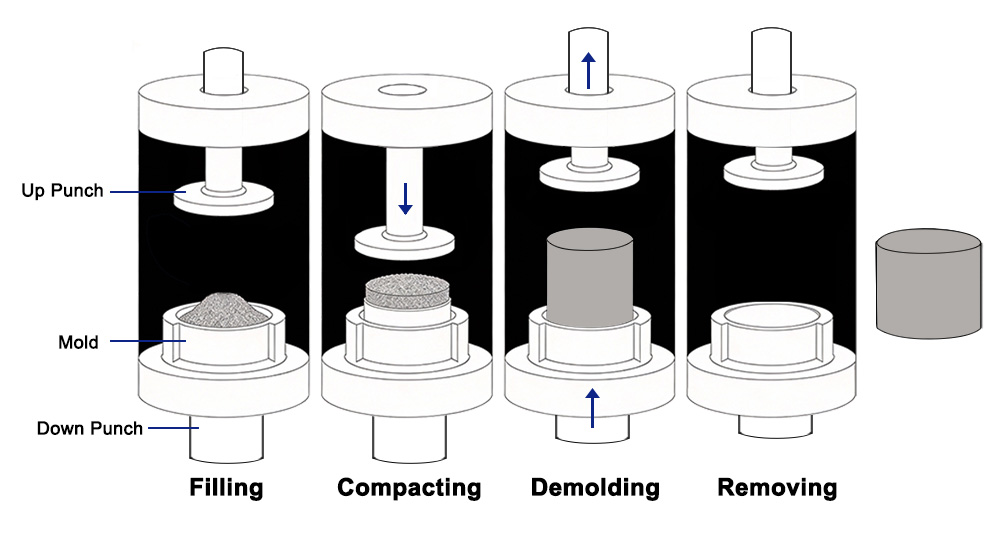
Cette opération est très importante dans la fabrication des médicaments, car elle permet aux comprimés de conserver leur forme, de rester solides et d'être faciles à manipuler. Le comportement de la poudre, comme sa fluidité, sa souplesse ou sa dureté, influe sur l'efficacité du compactage.
La technologie de compactage des poudres pharmaceutiques est utilisée dans les domaines suivants ligne de production pharmaceutique pour fabriquer des comprimés de taille, de poids et de dureté appropriés. Cette technologie permet de produire des comprimés dont l'utilisation est sûre et qui peuvent être manipulés ou stockés sans se casser.
Processus de compactage des poudres pharmaceutiques
La technologie de compactage des poudres pharmaceutiques est un processus contrôlé qui doit être réalisé avec une grande précision, en particulier si l'on veut que les comprimés finaux soient de haute qualité dans le processus de fabrication. l'industrie pharmaceutique. Le processus comprend les principales étapes suivantes :
Préparation de la poudre
La préparation de la poudre est la première étape de la fabrication d'une forme solide à l'aide de la technologie de compactage des poudres pharmaceutiques. Elle permet de s'assurer que la poudre est prête pour les étapes suivantes.
- La poudre est nettoyée et vérifiée pour s'assurer qu'il n'y a pas de gros morceaux ou d'impuretés.
- Différentes poudres sont mélangées pour obtenir un mélange uniforme.
- Parfois, de petites quantités d'additifs sont ajoutées pour permettre à la poudre de mieux adhérer ou de mieux s'écouler.
- La poudre est testée pour voir si elle s'écoule facilement et si elle est résistante.
Une bonne préparation de la poudre est essentielle car elle permet au processus de compactage de fonctionner correctement et d'obtenir des résultats uniformes à chaque fois.
Remplissage de la matrice
Le remplissage de la matrice est l'étape suivante de la technologie de compactage des poudres pharmaceutiques. À ce stade, la poudre préparée est versée dans une petite cavité appelée matrice. La matrice maintient la poudre en place afin qu'elle puisse être comprimée de manière adéquate. Il est important que la matrice soit remplie uniformément pour que le compactage soit homogène.
La quantité de poudre dans la matrice est soigneusement mesurée afin d'obtenir le bon poids pour chaque compression. Des machines sont utilisées pour contrôler la quantité de poudre introduite dans la matrice, ce qui contribue à la précision du processus.
Compression
La compression est la partie la plus critique de la procédé de compactage de comprimés pharmaceutiques. Au cours de cette étape, la poudre contenue dans la matrice est pressée avec une force contrôlée, ce qui a pour effet de coller les particules entre elles et de leur donner une forme solide et uniforme.
La pression doit être juste. Si elle est trop élevée, le matériau peut devenir trop dur ; si elle est trop faible, il risque de ne pas bien se tenir.
Ejection du comprimé
L'éjection du comprimé est la dernière étape, au cours de laquelle le matériau pressé est doucement poussé hors de la matrice. Cette opération doit être effectuée avec précaution afin d'éviter les fissures ou les cassures. Après l'éjection, le comprimés ou capsules molles conservent leur forme et leur fermeté, prêts à l'emploi.
Équipements et machines utilisés dans la technologie du compactage
La technologie de compactage des poudres pharmaceutiques dépend de différents types d'équipement pour traiter chaque étape avec soin et précision. Voici quelques-unes des machines les plus utilisées :
Mélangeurs de poudre et mixeurs

Les mélangeurs de poudres sont des machines utilisées pour mélanger différentes poudres afin d'obtenir un mélange homogène. Les mélangeurs à ruban, les mélangeurs en V et les mélangeurs à tambour sont couramment utilisés. Ils permettent de briser les grumeaux, de répartir uniformément les ingrédients, d'améliorer le flux et de rendre la poudre plus facile à manipuler dans les étapes suivantes.
Granulateurs

Les granulateurs sont des machines utilisées pour former des poudres en petits morceaux solides appelés granulés. Cela rend la poudre plus facile à manipuler et l'empêche de s'étaler ou de coller.
Ils permettent de mélanger correctement les poudres, de briser les gros amas, de contrôler la taille des particules et d'améliorer le flux pour le pressage. La granulation améliore également la compressibilité de la poudre, ce qui permet d'obtenir un produit final plus solide et plus stable. Différents types de granulateurs, tels que mélangeur rapide à grande vitesse granulateur, sont choisis en fonction de la poudre et du résultat souhaité.
Cadres et trémies d'alimentation
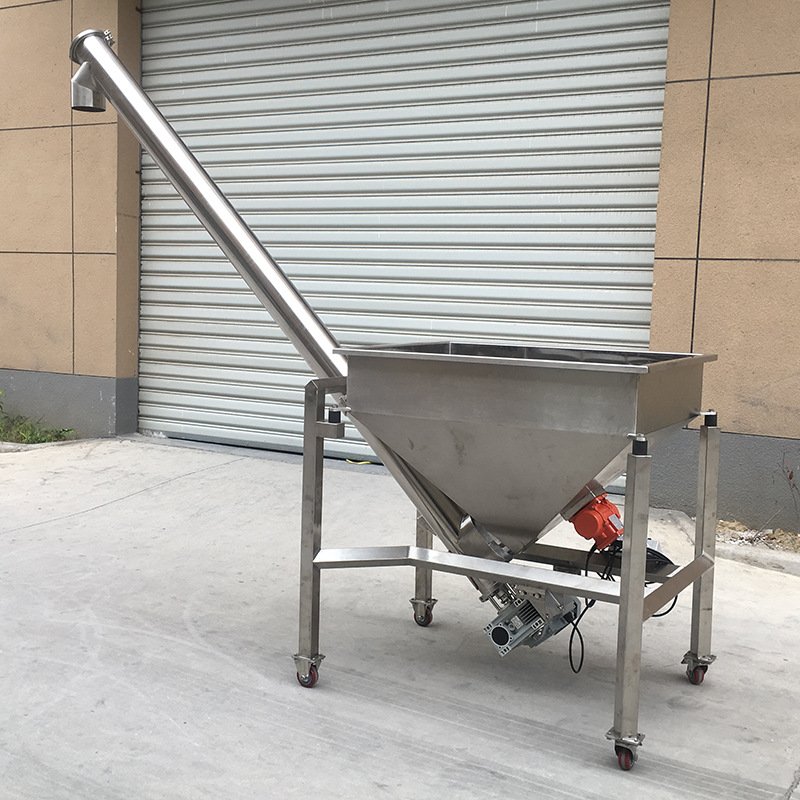
Les trémies sont des conteneurs qui contiennent la poudre avant qu'elle ne soit introduite dans la filière. Elles permettent de s'assurer qu'il y a toujours suffisamment de poudre disponible pour que le processus ne s'arrête pas. Le cadre d'alimentation guide la poudre avec précaution, la répartissant uniformément sur la matrice afin d'éviter les amas ou les lacunes. De cette manière, la poudre se dépose correctement et il est beaucoup plus facile de la presser.
Presses à comprimés

Les presses à comprimés, un équipement technologique de compactage des poudres pharmaceutiques très répandu, sont utilisées pour comprimer la poudre dans des formes solides. Elles exercent une pression sur la poudre dans la matrice, la transformant en une forme compacte. Les presses à simple poinçon et les presses rotatives sont les types de presses les plus courants.
Ces machines contrôlent la force et la vitesse pour s'assurer que chaque pièce est solide et correctement formée. Elles permettent également d'éviter les fissures ou les cassures pendant le processus de pressage.
Compacteurs à rouleaux
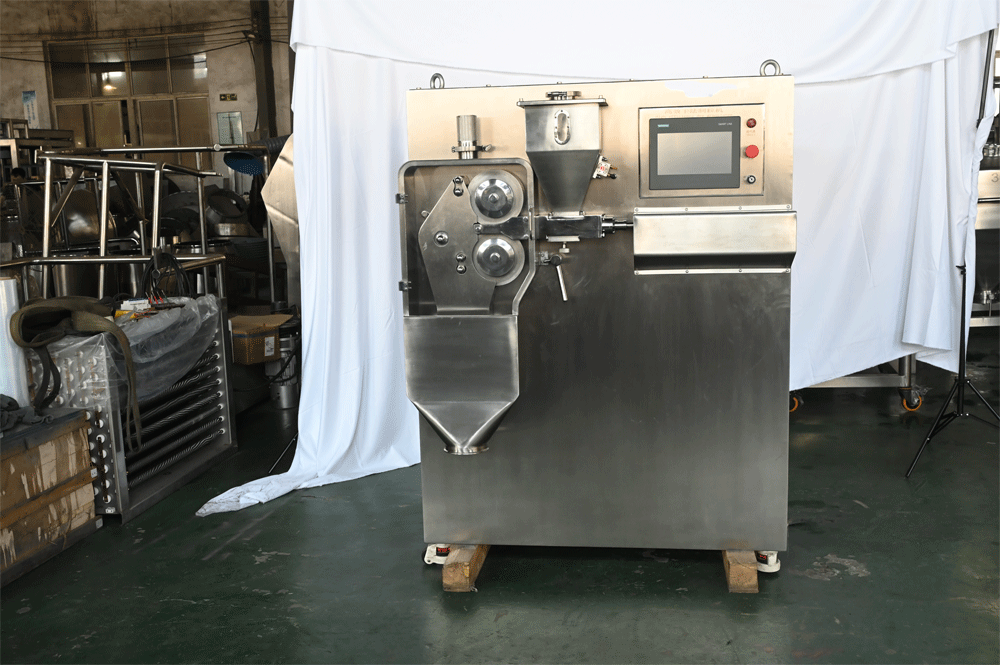
Les compacteurs à rouleaux sont des machines qui compriment la poudre en fines feuilles ou en rubans avant l'étape finale de pressage. Cela rend la poudre plus dense et plus facile à manipuler. Les feuilles sont brisées en morceaux plus petits appelés granulés. Compacteurs à rouleaux permettent de contrôler la taille et la dureté des granulés, d'améliorer le débit et de réduire la poussière.
Contrôle de la qualité et évaluation des produits
Le contrôle de la qualité est un élément important de la technologie de compactage des poudres pharmaceutiques, car il permet de garantir la solidité des comprimés. Divers tests sont effectués pour vérifier leur dureté, leur rupture, leur désintégration et leur cohésion.
Essai de dureté
Le test de dureté mesure la solidité d'un produit compact et la force qu'il peut supporter avant de se briser. Ce test indique si le produit compact peut être manipulé, emballé et transporté sans se briser. Les compacts trop mous risquent de s'effriter, tandis que ceux qui sont trop durs peuvent mettre plus de temps à se décomposer.
Test de friabilité
Le test de friabilité vérifie la facilité avec laquelle un compact peut se briser ou s'effriter lorsqu'il est frotté ou secoué. Il mesure la perte de poids après que le compact a été soumis à des impacts mineurs répétés. Ce test permet de déterminer si le compact peut rester intact pendant la manipulation et le transport sans perdre de morceaux.
Test de désintégration
Le test de désintégration mesure la vitesse à laquelle un comprimé se décompose en petits morceaux dans un liquide. Cela montre à quelle vitesse le produit commence à libérer ses ingrédients lorsqu'il est utilisé. Les comprimés qui prennent trop de temps risquent de ne pas fonctionner correctement, tandis que ceux qui se désagrègent trop rapidement risquent de perdre leur forme.
Test de dissolution
Le test de dissolution mesure la vitesse à laquelle les ingrédients d'un produit compact se dissolvent dans un liquide. Cela permet de vérifier la rapidité avec laquelle les composants actifs deviennent disponibles pour l'utilisation. Le test montre si le produit compact libère ses ingrédients à la bonne vitesse pour une bonne performance.
Essai de compactibilité
Le test de compactabilité permet de vérifier la capacité d'une poudre à être pressée sous une forme solide. Il mesure la force et la densité du compact après pressage. Ce test montre si la poudre peut former des compacts solides et stables qui tiennent ensemble sans se fissurer ni se briser.
Développements technologiques dans le domaine du compactage des poudres
La technologie de compactage des poudres pharmaceutiques s'est beaucoup améliorée ces dernières années. De nouvelles machines et de nouveaux modèles accélèrent le processus et permettent de produire des poudres compactes plus résistantes et de meilleure forme.
Compaction à haute vitesse
Compactage à grande vitesse est une nouvelle méthode de compactage rapide et efficace des poudres. Par rapport aux méthodes plus anciennes, elle rend les poudres plus denses et plus résistantes en moins de temps. Ce développement est utile car il accélère la production et permet de travailler avec des poudres qui étaient difficiles à compacter auparavant.
Conception dynamique des matrices
La conception dynamique de la matrice est une amélioration moderne de la technologie de compactage des poudres. La forme et le mouvement de la matrice peuvent changer légèrement pendant le pressage, ce qui aide la poudre à se répandre uniformément. Cela permet de réduire les fissures ou les points faibles et d'obtenir des compacts plus solides. Il s'agit d'un grand pas en avant par rapport aux matrices fixes traditionnelles, qui permet de mieux contrôler le processus de compactage.
Surveillance et contrôle automatisés
La surveillance et le contrôle automatisés sont des technologies qui utilisent des capteurs et des ordinateurs pour surveiller le processus de compactage. Elle permet de suivre la pression, la vitesse et le débit de poudre. Le suivi permet de détecter rapidement les problèmes et de s'assurer que chaque compact est pressé correctement sans vérification manuelle constante.
FAQ
Quelle est la différence entre la compression et le compactage ?
La compaction consiste à presser la poudre pour lui donner une forme solide en faisant adhérer les particules les unes aux autres. La compression est l'étape au cours de laquelle une force est appliquée pour donner forme au comprimé. Le compactage est donc l'ensemble du processus, et la compression en fait partie.
Comment la force de compression affecte-t-elle les propriétés finales des comprimés ?
L'intensité de la force utilisée lors de la compression modifie la solidité ou la faiblesse du comprimé. Si la force est trop élevée, le comprimé peut devenir très dur et prendre plus de temps à se dissoudre. Si la force est trop faible, le comprimé peut se casser facilement ou s'effriter pendant la manipulation.
Quels sont les défauts courants des comprimés liés au compactage ?
Parmi les problèmes les plus courants, on peut citer le bouchage, lorsque la partie supérieure du comprimé se détache, et la stratification, lorsque les couches se séparent. Des fissures peuvent également se produire si la pression est inégale. Parmi les autres défauts, citons le collage ou le picage, lorsque la poudre adhère aux poinçons, et la variation de poids, lorsque la poudre ne se remplit pas de manière uniforme.
Conclusion
La technologie de compactage des poudres permet de transformer les poudres en compacts solides et bien formés. Chaque étape, y compris la préparation, le pressage et les essais, influe sur le résultat final. Des machines et des méthodes modernes facilitent et accélèrent le processus.
Pour des machines pharmaceutiques de haute qualité à un prix équitable, nous contacter aujourd'hui. Nous fournissons l'équipement dont vous avez besoin pour soutenir votre production du début à la fin.
Avis de droit d'auteur :
Vous ne pouvez pas reproduire, modifier, publier, afficher, transmettre ou exploiter de quelque manière que ce soit le contenu de ce site web, ni utiliser ce contenu pour constituer une base de données de quelque nature que ce soit, sans l'autorisation écrite expresse et préalable de Finetech Group. Pour obtenir l'autorisation d'utiliser le contenu, veuillez contacter : info@pharmamachinecn.com
Clause de non-responsabilité:
Les informations contenues dans cet article sont fournies à titre d'information générale uniquement. L'entreprise ne garantit pas l'exactitude, la pertinence, l'actualité ou l'exhaustivité des informations, et l'entreprise n'assume aucune responsabilité en cas d'erreur ou d'omission dans le contenu de cet article.