English
  Russian
  Turkish
  Spanish
  French
  German
  Japanese
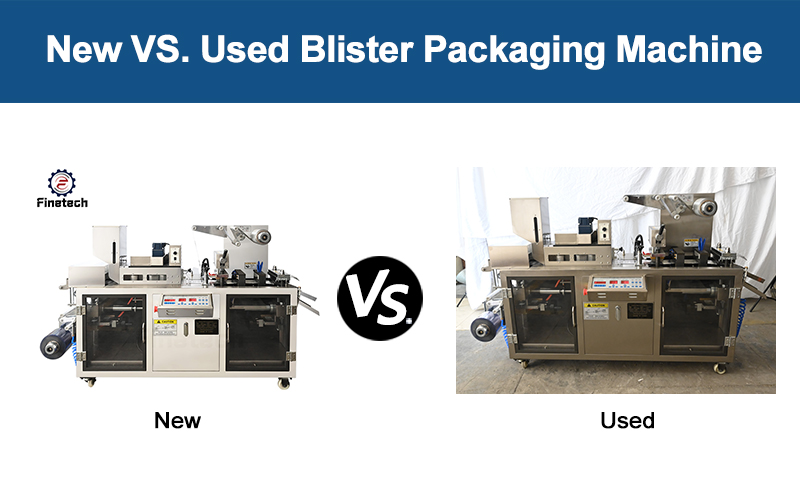
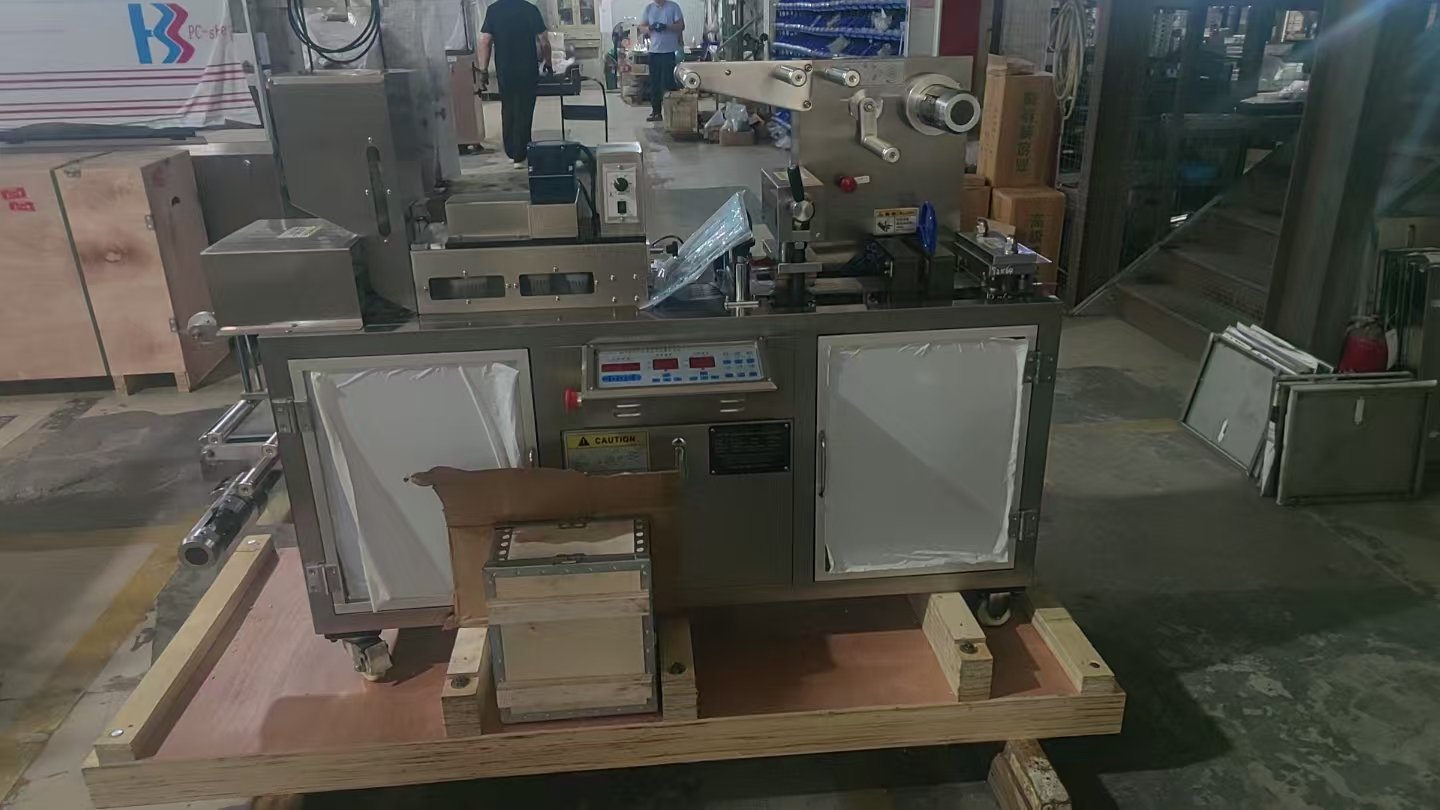
A pharmaceutical manufacturer in South Africa came to us with four tablet products that handles in 1 blister machine. For a plant their size that would have been overkill. So we recommend the DPP-80 to carry all four products and made 4 mold sets to go with it, each one cut for a specific tablet.
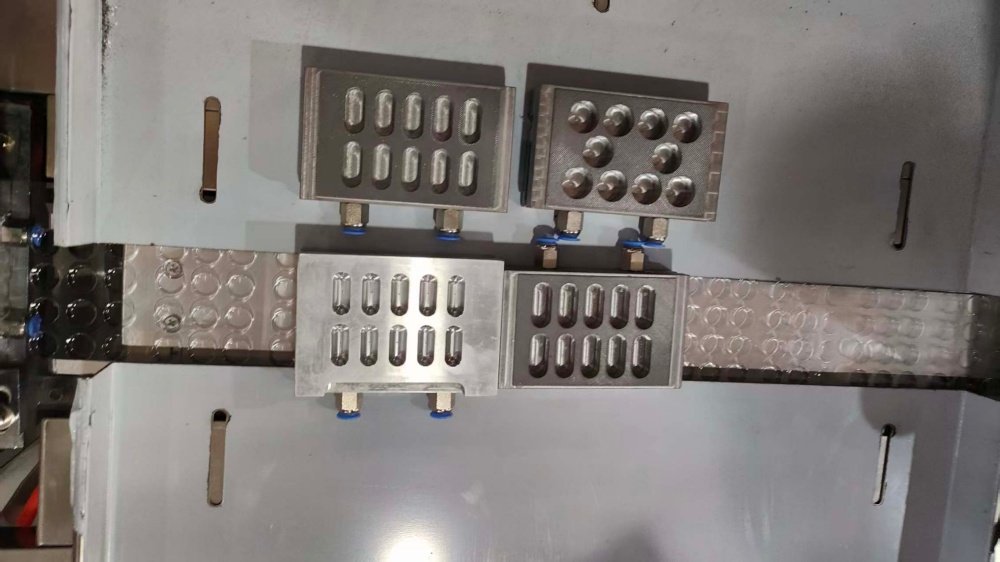
Why one machine means four mold sets
Blister tooling is fussy that way. The pocket in the forming die has to match the tablet: the diameter, how deep it sits, how much film it pulls when it forms. Get it wrong and the tablet rattles in the pocket, or the foil doesn’t seat flat on the seal and you end up with leakers. There’s no universal die that does a round tablet and an oblong caplet well. So when a customer says “one machine, four products,” the honest answer is: the machine can do it, but the tooling has to be built per product. That’s what we did.
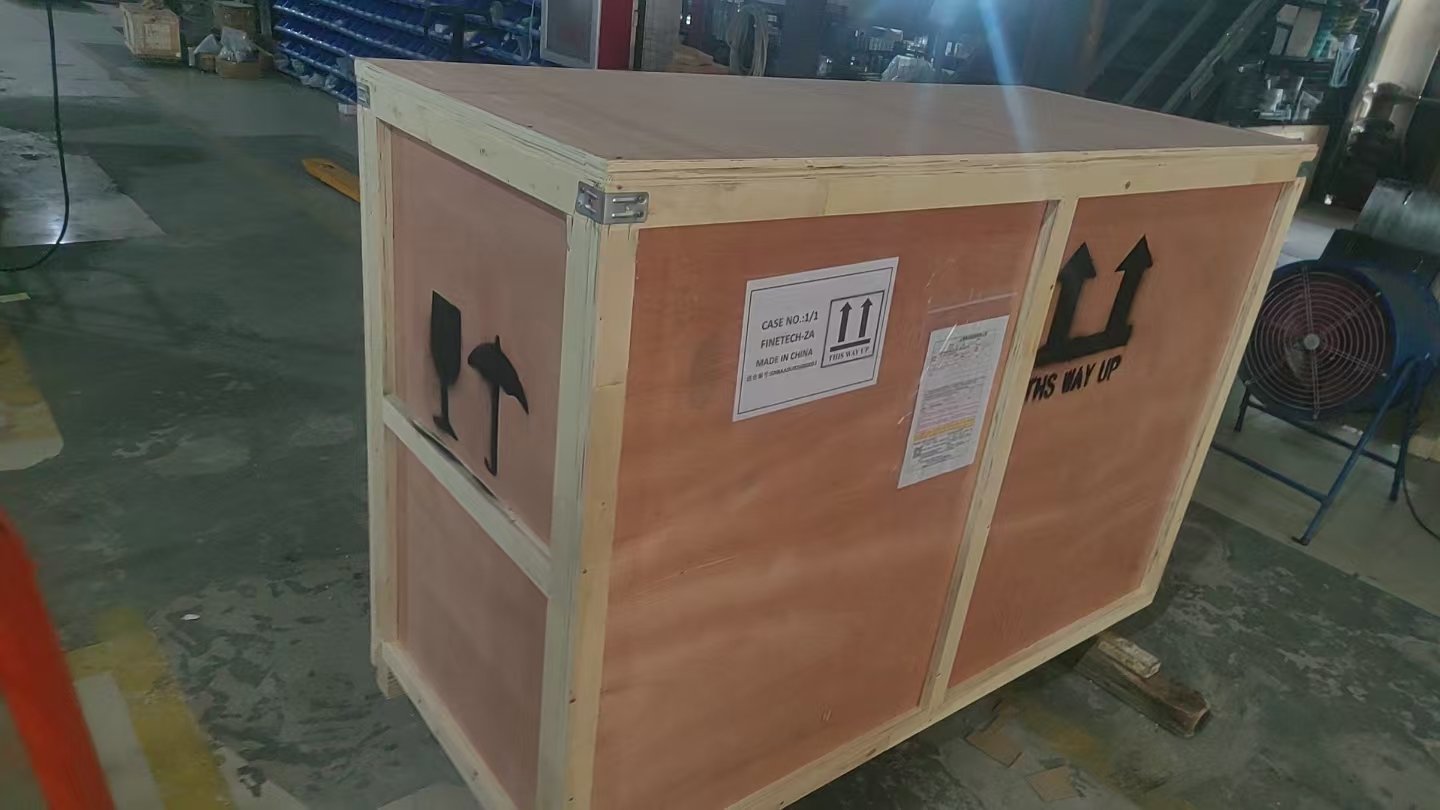
For each of their four tablets we made a complete set: a forming die, a sealing die, and the punch tool that cuts the finished card. The cavity dimensions came from the actual tablets they sent us. One was a small round film-coated tablet. Another was a longer caplet that needed a deeper draw, more than the standard 12 mm forming depth on the DPP-80, so that set was built deeper.
The part that makes or breaks it: changeover
A one-machine, four-product setup only works if switching products doesn’t eat the whole day. If every changeover costs half a shift, you’ve saved nothing by not buying the second machine. So the mold sets were designed for quick change: they’re dowel-located so they seat the same way every time, and the operator doesn’t have to re-tune the sealing temperature from scratch between runs.
The DPP-80 helps here too. It runs separate PID controllers for the forming and sealing heaters. That matters more than it sounds. A shallow round pocket and a deep one don’t form the same way, and being able to set the two temperatures independently makes a changeover less of a guessing game.
Different products also mean different films, and the machine doesn’t force you into one. It forms PVC, PVC/PVDC, Aclar and PP, and seals with PTP foil or cold-form aluminum. So the customer can keep the barrier level right for each product instead of standardizing on one film for everything.
Where it stands now
Today that single DPP-80 runs all four products. Rated at 2,000 plates an hour, it keeps up with their order flow, and because the tooling swaps fast, they can plan a mixed production day without losing one to changeovers.
One honest note about the tooling: a new die set rarely runs perfect on the first pass, and we plan a tuning round into every order. We’d rather fix a seal temperature here than have the customer discover it in production. That’s part of what they paid for, the machine yes, but also the molds that actually work with their tablets.