French
  English
  Russian
  Turkish
  Spanish
  German
  Japanese
La création d'un produit en capsule est passionnante, mais la fabrication à grande échelle est le point de départ de la plupart des défis. La mise en place d'installations, la gestion des Conformité aux BPF, Le fait d'investir dans des équipements spécialisés peut ralentir les progrès et augmenter les risques.
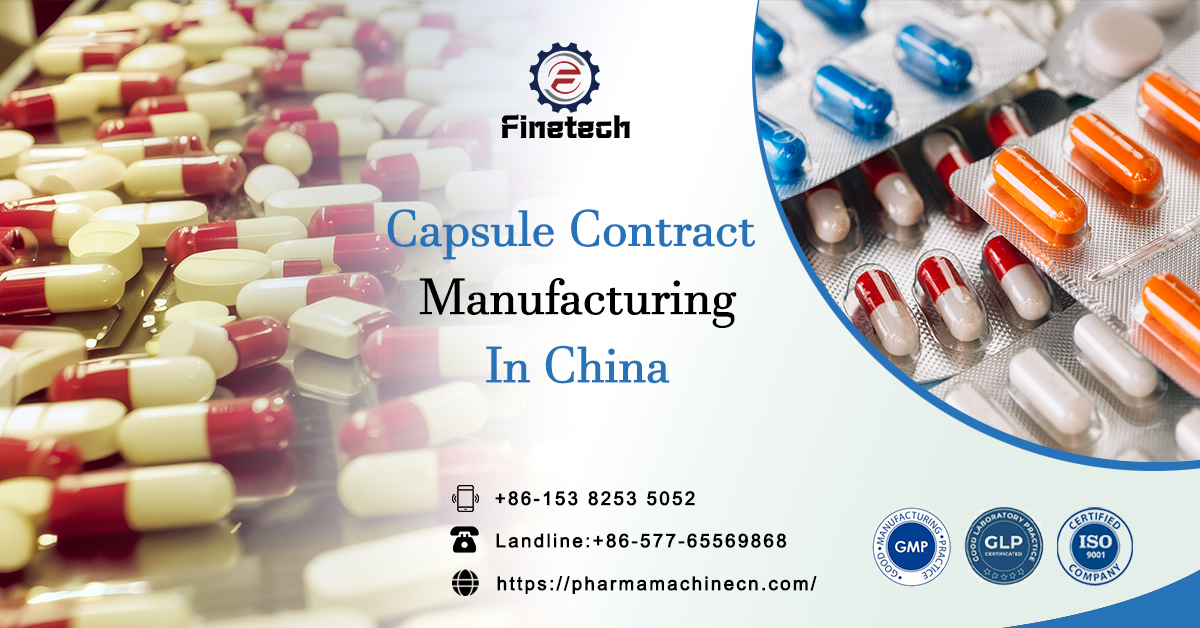
Quelle est donc la meilleure solution ? La fabrication à façon de gélules.
Il s'agit d'un moyen pratique d'aller de l'avant sans avoir à assumer toute la charge d'une production en interne. En travaillant avec des fabricants expérimentés, les entreprises peuvent se concentrer principalement sur la formulation, l'image de marque et la stratégie de marché.
Si cela vous intéresse, lisez ce guide. Nous vous expliquerons exactement comment fonctionne l'externalisation et comment vous pouvez la mettre en œuvre.
Qu'est-ce que la fabrication à façon de capsules ?
La fabrication à façon de gélules est un modèle de production dans lequel une entreprise confie la fabrication de gélules à un tiers. installation. Au lieu de produire des capsules en interne, les marques travaillent avec des fabricants qui disposent déjà de l'équipement nécessaire.
En termes simples, la marque fournit les exigences du produit, telles que la formulation, le type de capsule et les besoins en matière d'emballage. Le fabricant sous contrat se charge du processus de production proprement dit. Cela comprend le remplissage des gélules, les tests de qualité, l'emballage et l'étiquetage.
Cette approche est largement utilisée dans les industries pharmaceutiques, nutraceutiques et des compléments alimentaires. En fait, environ 60% de la fabrication de produits pharmaceutiques est confiée à des prestataires externes.
Comment fonctionne la fabrication sous contrat de capsules
Tout cela se fait selon un processus structuré qui garantit la qualité du produit, la conformité aux réglementations et la cohérence des résultats. Voici comment se déroule le processus :
Étape 1 : Partager les exigences du produit
Le processus commence lorsque la marque fait part de ses exigences en matière de produits au fabricant sous contrat. Il s'agit d'informations telles que la formulation, le dosage cible, le type de gélule, la taille du lot et le marché visé.
Étape 2 : Examen et planification du projet
Au cours de l'étape suivante, le fabricant sous contrat examine les informations et confirme que le produit peut être fabriqué. Il définit également les délais, les prix, les responsabilités en matière de qualité et les exigences en matière de documentation.
Étape 3 : La fabrication est assurée par le tiers
Une fois le projet approuvé, toutes les activités de production sont gérées par le fabricant sous contrat. Il s'agit notamment du remplissage des gélules, des contrôles en cours de fabrication et des contrôles de qualité. Du point de vue de la marque, il s'agit d'une étape sans intervention.
Étape 4 : Contrôle de la qualité et conformité
Le fabricant sous contrat est également responsable des tests, de la documentation et de l'examen des lots conformément aux normes convenues. Les résultats et les dossiers de qualité sont partagés avec la marque conformément au contrat.
Étape 5 : Emballage et lancement du produit
En fonction de l'accord, le fabricant peut également prendre en charge l'emballage et l'étiquetage. Une fois l'approbation de la qualité obtenue, les gélules finies sont mises en circulation. Au final, vous recevez un produit conforme, prêt à être commercialisé, sans avoir à gérer une installation de fabrication.
Quand choisir la fabrication en sous-traitance ?
La fabrication de capsules en sous-traitance se justifie lorsque la production de capsules en interne devient coûteuse ou inutile. De nombreuses marques de petite taille ou en pleine croissance utilisent ce modèle pour rester flexibles et compétitives.
Vous trouverez ci-dessous des situations concrètes dans lesquelles le choix de la fabrication sous contrat s'avère judicieux.
- Coûts d'installation élevés: La mise en place d'une installation BPF nécessite des dépenses importantes en matière d'équipement, de validation et de personnel qualifié. La fabrication en sous-traitance permet d'alléger ce fardeau.
- Entrée rapide sur le marché: Les fabricants tiers disposent déjà d'installations et de processus approuvés. Cela vous permet d'accéder au marché sans avoir à subir de longs délais d'installation.
- Demande variable: Si les volumes peuvent augmenter ou diminuer, l'externalisation vous donne de la flexibilité sans vous enfermer dans une capacité fixe.
- Expertise limitée en matière de BPF: La gestion de la conformité, de la documentation et des audits requiert de l'expérience. Les fabricants sous contrat opèrent déjà au sein de BPF
- Entrée sur un nouveau marché: L'externalisation réduit les risques en permettant de tester la demande avant de s'engager dans une production interne.
Principaux avantages de la fabrication à façon de gélules
Les principaux avantages de l'utilisation d'un fabricant tiers pour vos besoins de production sont les suivants :
1. Réduction de l'investissement en capital
L'un des principaux avantages est d'éviter un lourd investissement initial. La mise en place d'une usine de fabrication de capsules en interne nécessite des dépenses d'équipement, validation, les services publics et le personnel qualifié.
Toutefois, en externalisant, vous ne payez la production que lorsque vous en avez besoin. Le risque financier reste ainsi faible et le capital libéré peut être utilisé pour le développement et la commercialisation des produits.
2. Une évolutivité plus rapide
Lorsque la demande augmente, l'augmentation de la production interne peut s'avérer lente et coûteuse. Ce problème ne se pose pas avec les fabricants sous contrat, car ils opèrent déjà à grande échelle.
Ils peuvent augmenter ou réduire les volumes de production en fonction de la demande sans perturber la qualité ou les délais. Cela vous permet de répondre rapidement aux changements du marché et aux opportunités de croissance sans stress opérationnel.
3. Accès à des installations conformes aux BPF
Les fabricants sous contrat exploitent déjà des installations conformes aux BPF qui répondent aux attentes réglementaires. Cela se reflète également dans le fait que 72,7% des organisations externaliser la production de produits finis.
Dans l'ensemble, il vous donne un accès immédiat à une production conforme sans avoir à gérer vous-même les inspections, les systèmes de documentation ou les activités continues de mise en conformité. Il réduit également le risque réglementaire lors des audits.
4. Des équipes de fabrication expérimentées
La production de capsules nécessite plus que des machines. Elle dépend fortement d'opérateurs qualifiés et de superviseurs expérimentés, que les fabricants sous contrat proposent dès le départ.
Des équipes travaillent chaque jour avec des produits en capsules. Leur expérience permet d'éviter les problèmes de production courants et d'améliorer la cohérence générale. Cette expertise est particulièrement précieuse pour les nouveaux produits ou les formulations complexes.
Ce qu'il faut rechercher dans un partenaire de fabrication à façon de gélules
N'oubliez jamais que la qualité de votre partenaire a une incidence directe sur vos produits en capsules. Ces partenaires ne se contentent pas de remplir des gélules. Ils soutiennent vos objectifs, protègent votre marque et réduisent les risques opérationnels.
Si vous avez décidé de faire appel à un fabricant sous contrat, voici quelques points à vérifier.
1. Expérience avérée dans le secteur
Votre premier réflexe devrait toujours être de vous fier à l'expérience du fabricant. Un partenaire ayant une longue expérience comprend les défis courants, les attentes en matière de réglementation et les risques de production.
L'expérience acquise dans le cadre de différents projets est un bon indicateur de fiabilité. types de capsules, Le partenaire expérimenté est mieux préparé à gérer la mise à l'échelle et les problèmes de dépannage. Un partenaire expérimenté est mieux préparé à gérer la mise à l'échelle et à résoudre les problèmes.
2. Conformité aux BPF
Le respect des BPF n'est pas négociable. Le fabricant doit opérer dans le cadre de systèmes de qualité documentés, procédures opérationnelles standard (POS), et des audits internes réguliers. Ils doivent également être à l'aise avec les audits des clients et les inspections réglementaires.
Pour cela, veillez à vous renseigner sur leur système de gestion de la qualité, leur gestion des écarts, leur contrôle des modifications et leurs pratiques en matière de documentation.
3. Équipement validé
Un partenaire fiable utilise toujours des équipements validés et des processus contrôlés. Cela garantit des remplissage de gélules, Le dosage est donc précis et les résultats sont reproductibles d'un lot à l'autre.
Les systèmes validés raccourcissent également les délais des projets. Lorsque l'équipement et les processus sont déjà qualifiés, la production peut commencer sans retard inutile. C'est particulièrement important pour les lancements de produits sensibles au facteur temps.
4. Main-d'œuvre qualifiée
La fabrication de gélules dépend fortement du personnel. Des opérateurs formés, des professionnels de la qualité et du personnel technique jouent un rôle clé dans le maintien de la qualité des produits.
Recherchez toujours un partenaire disposant d'une équipe stable et expérimentée et de programmes de formation clairs. Une main-d'œuvre bien informée réduit les erreurs, améliore l'efficacité et favorise le bon déroulement des opérations quotidiennes.
5. Capacité flexible
Vos besoins en matière de production peuvent évoluer au fil du temps. C'est pourquoi le partenaire que vous choisissez doit être prêt à augmenter ou à réduire la production sans compromettre la qualité ou les délais de livraison.
La flexibilité est particulièrement importante lors des lancements de produits, des variations saisonnières de la demande ou des phases de croissance rapide. Une capacité modulable garantit que votre offre suit le rythme de la demande.
FAQ
1. Quels sont les avantages des capsules dures remplies de liquide ?
La technologie de remplissage liquide améliore la biodisponibilité des ingrédients liposolubles et protège les composés sensibles de l'oxydation. Ce format permet également d'obtenir une esthétique unique de “béret dans l'huile” qui différencie les marques de qualité supérieure dans les rayons encombrés des magasins de détail.
2. Quelle est la différence entre une finition “Blister” et une finition “Bouteille” ?
Les bouteilles sont rentables pour les compléments à usage quotidien, tandis que les blisters offrent une protection supérieure contre l'humidité et améliorent la portabilité “sur le pouce”. Les fabricants proposent souvent les deux, en fonction de la cible démographique et du niveau de prix de la marque.
3. Les fabricants sous contrat peuvent-ils contribuer à l'approvisionnement en ingrédients ?
La plupart des fournisseurs de services complets s'appuient sur des réseaux de fournisseurs bien établis pour s'approvisionner en matières premières de haute qualité à des prix compétitifs. Cette intégration verticale réduit les problèmes logistiques pour la marque et garantit que tous les ingrédients répondent à des normes de pureté prédéfinies.
Votre prochaine étape commence ici
La fabrication en sous-traitance de capsules est souvent la meilleure façon de commencer. Cependant, à mesure que votre marque mûrit, il peut arriver que la production en interne semble être la prochaine étape naturelle.
Lorsque vous arrivez à ce stade, vous pouvez nous contacter à l'adresse suivante technologies fines.
Nous avons plus de 30 ans d'expérience et des installations dans plus de 100 pays, ce qui montre la fiabilité de nos machines. Du remplissage de gélules à l'emballage sous blister, en passant par les presses à comprimés, Finetech peut vous fournir la machine dont vous avez besoin.
Références :
7 Facteurs clés de la fabrication sous contrat de capsules.
Fabrication en sous-traitance de capsules molles
Avis de droit d'auteur :
Vous ne pouvez pas reproduire, modifier, publier, afficher, transmettre ou exploiter de quelque manière que ce soit le contenu de ce site web, ni utiliser ce contenu pour constituer une base de données de quelque nature que ce soit, sans l'autorisation écrite expresse et préalable de Finetech Group. Pour obtenir l'autorisation d'utiliser le contenu, veuillez contacter : info@pharmamachinecn.com
Clause de non-responsabilité:
Les informations contenues dans cet article sont fournies à titre d'information générale uniquement. L'entreprise ne garantit pas l'exactitude, la pertinence, l'actualité ou l'exhaustivité des informations, et l'entreprise n'assume aucune responsabilité en cas d'erreur ou d'omission dans le contenu de cet article.