French
  English
  Russian
  Turkish
  Spanish
  German
  Japanese
For a long time, “Made in China” meant cheaper but lesser. That assumption is now outdated, and manufacturers still operating under it are overpaying for Western equipment for no good reason.
A packaging machine from China is now the same as one built in Germany or the United States. So, the question is not whether Chinese packaging machines are good. It’s about whether they are right for your operation and long-term production needs.
With that in mind, let’s break down the differences so you can make the right call for your production line and your budget.
How Chinese Packaging Machines Have Evolved
To supply buyers in regulated markets across Europe, North America, and the pharmaceutical industries globally, Chinese manufacturers had to meet international standards. CE certification, Conformité aux BPF, et ISO 9001 were no longer optional.
As a result, China’s total R&D investment exceeded $569 billion in 2025, reaching 2.8% of GDP. However, what every buyer needs to understand is that the Chinese packaging machine market spans across three broad tiers:
- Entry-Level: Basic machines with domestic components and minimal compliance documentation. These are suited to non-regulated low-volume applications.
- Mid to High-Tier: Internationally sourced components, proper engineering standards, and compliance documentation. This is where the real comparison with Western machines begins.
- Premium Tier: Build quality, automation capability, and regulatory compliance comparable to European and American machines at a significantly lower price.
Build Quality: What the Differences Actually Look Like
Build quality is where the real differences between Chinese, European, and American machines d'emballage show up. Not on the spec sheet, but in the physical construction and the components inside.
| Composant | Chinese Entry-Level | Chinese Mid to High Tier | European | American |
| Frame Material | Mild steel / coated | 304/316 Stainless Steel | 304/316 Stainless steel | 304/316 Stainless steel |
| PLC Brand | Domestic brands | Siemens / Mitsubishi | Siemens / Beckhoff | Allen-Bradley / Siemens |
| Drive Systems | Basic motors | Servo-Driven | Servo-Driven | Servo-Driven |
| Electrical Standards | Variable | CE Compliant | CE / IEC Compliant | UL / CE Compliant |
| Mechanical Tolerance | Modéré | Excellent | Excellent | Excellent |
| Build Lifespan | 5 to 8 years | 20+ years | 15 to 20+ years | 15 to 20+ years |
| Gamme de prix | Faible | Mid | Haut | Haut |
This table shows that the gap isn’t between China and the West as a whole. It is between manufacturer tiers. A mid to high-tier Chinese packaging machine is built with international components and proper engineering standards.
Certifications and Compliance: What They Mean and What to Look For
Certificats are only useful if you know what they actually cover. Here is what each one means in practice and what to check before trusting it:
- Marquage CE: CE marking confirms that a machine meets the health, safety, and environmental protection standards required to sell equipment in the European Economic Area.
- ISO 9001 : ISO 9001certifies that a manufacturer has a documented quality management system in place. It tells you how a company manages its processes, not whether the end product is good.
- Conformité aux BPF : Good Manufacturing Practice (GMP) compliance is non-negotiable for pharmaceutical and food-grade applications. For pharmaceutical buyers specifically, ask for IQ, OQ, and PQ documentation templates and evidence of past GMP-compliant deliveries.
Price vs Value: A Realistic Comparison
Purchase price is the number most buyers focus on; however, the number that actually matters is the total cost of ownership. Let’s start with the full cost breakdown between the Chinese, American, and European packaging machines.
| Type de machine | Chine | USA | Europe |
| Semi-automatique | $3,500 – $8,000 | $25,000 – $45,000 | $30,000 – $60,000 |
| Entièrement automatique | $14,000 – $55,000 | $80,000 – $150,000 | $100,000 – $200,000 |
| Pharma-Grade | $65,000 – $110,000 | $180,000 – $280,000 | $200,000 – $350,000 |
You can see a clear gap in pricing. A mid-tier packaging machine from China typically costs 60 to 70% less than a comparable European or American alternative.
Total Cost of Ownership
Now comes the part that you might not see if you are just focused on the pricing. This will make things a little clearer for you.
| Cost Factor | Chine | USA | Europe |
| Spare Parts Cost | Low to moderate | Haut | Haut |
| Spare Parts Lead Time | 1 to 3 weeks (shipped) | 2 to 5 days (local) | 1 to 2 weeks |
| Installation and Commissioning | Often included | Usually additional | Usually additional |
| Operator Training | Usually included | Additional cost | Additional cost |
| Maintenance Complexity | Low to moderate | Moderate to high | Moderate to high |
| Expected Lifespan | 10 to 15 years (mid-high tier) | 15 to 20+ years | 15 to 20+ years |
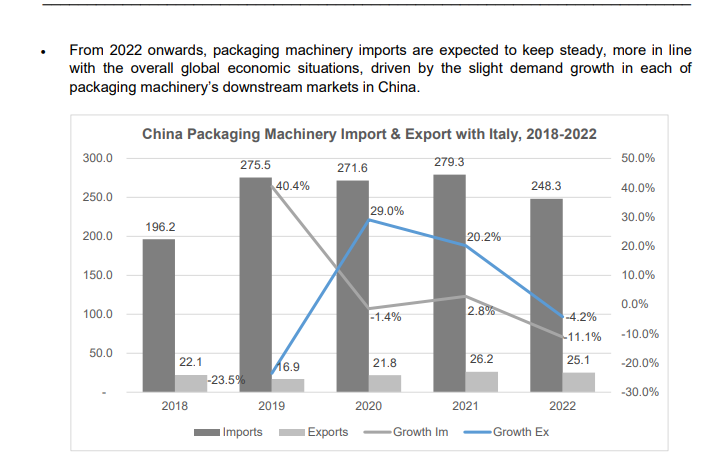
When you factor in the total cost of ownership over 10 years, the savings on a Chinese machine remain substantial. However, they are narrower compared to the upfront difference alone.
Which Buyer Profiles Benefit Most
If you are still confused as to which manufacturer to go for, here’s a summary you can follow:
| Buyer Profile | Best Fit |
| Small to mid-size manufacturer | Chinese mid-tier machine |
| Pharma startup or emerging market | Chinese pharma-grade machine |
| High-volume FMGG production | European or American machine |
| Regulated installation pharmaceutique (EU/US) | European or American machine |
| Cost-sensitive operation scaling up | Chinese mid to high-tier machine |
| OEM or contract packager | Chinese mid-tear machine |
How to Identify a Quality Chinese Packaging Machine Manufacturer
China has thousands of packaging machine suppliers. This means the challenge isn’t finding a supplier, it’s about finding the right one. The market includes world-class manufacturers as well as outright traders who do not build anything at all.
Key indicators you can keep in mind for finding a serious one include:
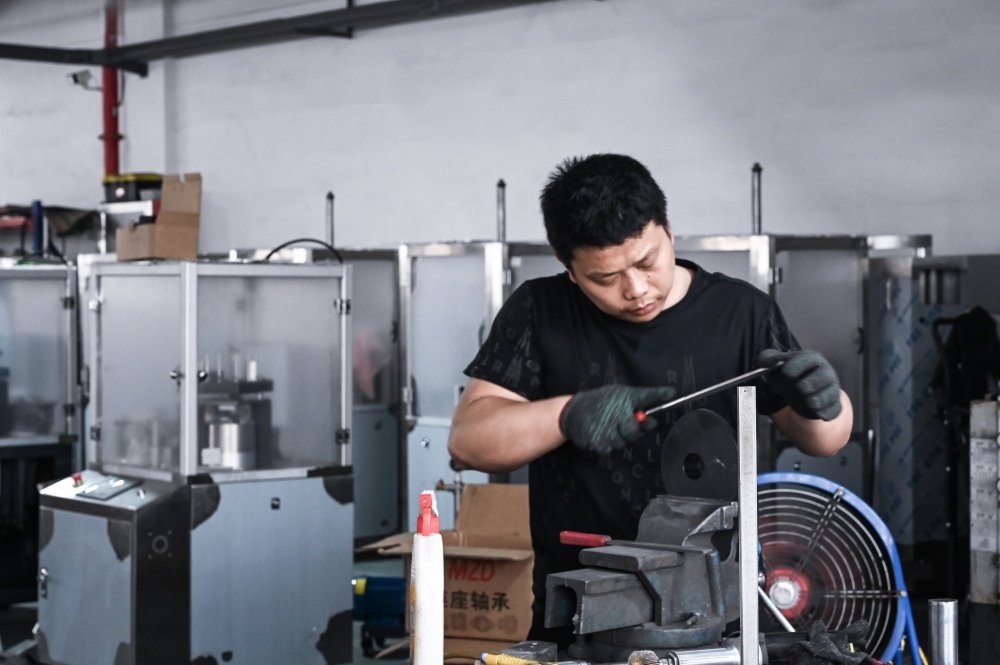
1. Verify That the Supplier Operates a Real Facility
One of the first things you should determine is whether the company manufactures its own equipment.
Many suppliers listed on B2B platforms are trading companies rather than machine builders. While traders are not necessarily problematic, working directly with a manufacturer provides better pricing, technical support, and faster access to spare parts.
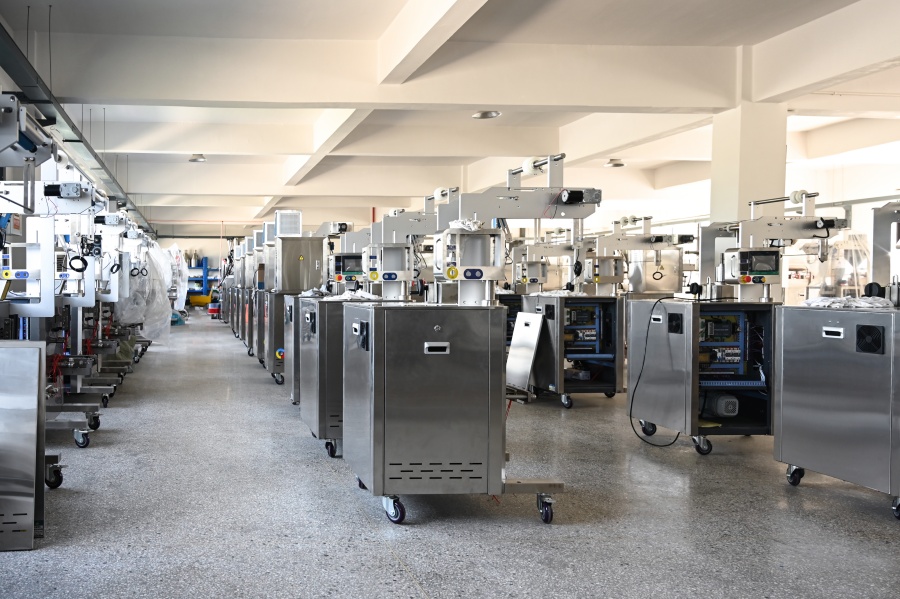
A legitimate manufacturer should be able to provide a verifiable factory address, factory photos, and information about its manufacturing capabilities. Some suppliers will even arrange virtual factory tours or in-person visits.
2. Check Certifications and Compliance Standards
Once you have confirmed that a company has manufacturing capabilities, the next step is evaluating its quality standards.
Reputable packaging machine manufacturers hold certifications issued by recognized third-party organizations such as TÜV, SGS, or Bureau Veritas. These help demonstrate that the company follows established manufacturing procedures.
Make sure to ask for certification numbers and verify them directly. This extra level of verification can help you avoid suppliers that display outdated, misleading, and invalid credentials.
3. Look Beyond Online Listings and Marketing Claims
Even professional-looking supplier profiles should be evaluated carefully before making a purchasing decision.
According to data from the U.S. Customs and Border Protection, China and Hong Kong accounted for nearly 90% of the total value of counterfeit and pirated goods seized in 2024. While this covers consumer goods, it shows that not every supplier online is trustworthy.
Because of this, you should always conduct additional due diligence. Review the company registration details, check customer references, verify factory information and assess technical knowledge.
FAQ
1. Which machine components should I inspect before buying a packaging machine from China?
Pay close attention to:
- PLC brand
- Servo motors
- Capteurs
- Pneumatic components
- Electrical cabinet quality
- Touchscreen HMI
- Paliers
- Stainless steel grade
These components often determine long-term performance more than the machine frame itself.
2. How much cheaper are Chinese packaging machines compared to European or American alternatives?
Depending on machine type, Chinese equipment can cost 30% to 70% less. However, total ownership cost should include shipping, installation, spare parts, downtime, training, and maintenance support.
3. How long do Chinese packaging machines typically last?
A properly maintained machine from a reputable supplier can operate for 8–15 years or longer. Longevity depends on operating conditions, maintenance practices, production volume, and component quality.
Want a Packaging Machine You Can Actually Trust?
Finding the right packaging machine from China takes time, research, and a level of due diligence that most buyers underestimate. Verifying certifications, vetting suppliers, and managing quality expectations across borders is a process.
If you would rather skip the process entirely and work directly with a manufacturer you can trust, technologies fines is the place to be.
With over 30 years in the industry, GMP-compliant facilities, and more than 500 clients, Finetech is not a name you have to vet from scratch. All our machines are built to international standards, use certified components, and come with after-sales support.
So, stop searching and get in touch with our specialists aujourd'hui!
Références :
China Automatic Packing Machine: Discover the top 10 suppliers.
Bag Making Machine Manufacturer List in China.
Machines d'étiquetage chinoises : découvrez les 10 meilleurs fabricants.
Les 10 meilleurs fournisseurs de machines d'emballage de sachets en Chine.
Top 10 des fournisseurs de machines d'emballage alimentaire en Chine.