French
  English
  Russian
  Turkish
  Spanish
  German
  Japanese
La gestion de projet est la clé de voûte de toute activité industrielle performante, et le secteur pharmaceutique ne fait pas exception. Le développement et la fabrication de médicaments se heurtent à de nombreux défis et complexités qui dépassent le cadre des modèles économiques traditionnels.
Dans ces environnements où les enjeux sont considérables, les chefs de projet relèvent le défi de favoriser l'innovation tout en maintenant un cadre structuré. Ils constituent le moteur stratégique qui permet à une molécule de passer du stade de concept en laboratoire à celui de réalité capable de sauver des vies.
Explorons le rôle essentiel de la gestion de projet dans l'industrie pharmaceutique et la manière dont elle façonne l'avenir des soins de santé à l'échelle mondiale.
Qu'est-ce que la gestion de projet dans l'industrie pharmaceutique ?
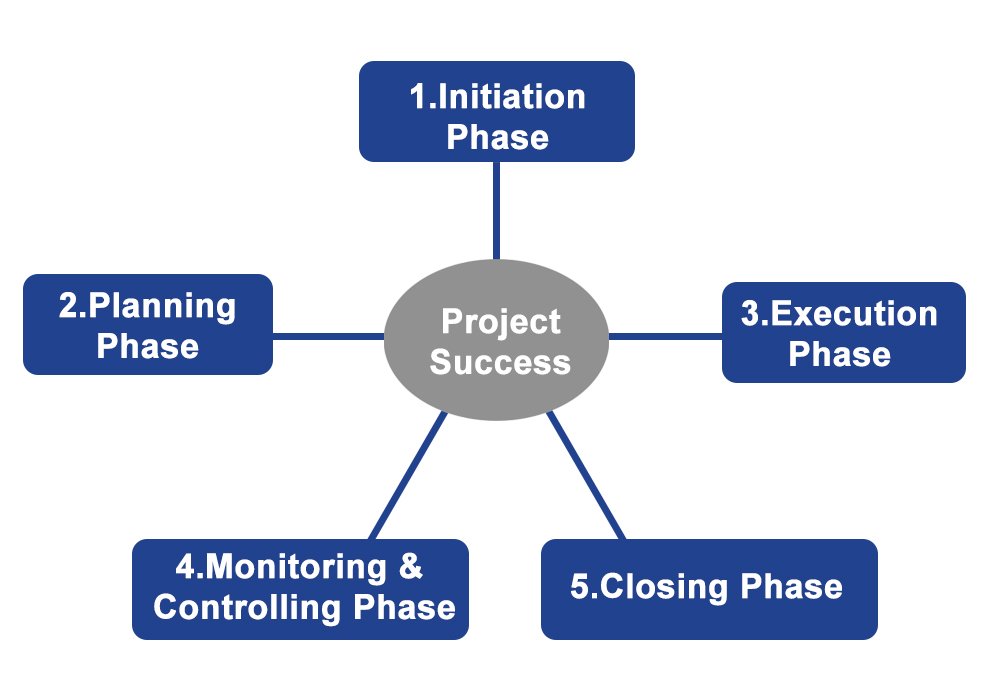
La gestion de projets pharmaceutiques consiste à mettre en œuvre de manière spécialisée des processus, des connaissances et des compétences afin de gérer processus de développement de médicaments. Ce cycle de vie commence par la découverte initiale et la recherche préclinique, puis se poursuit par les essais cliniques jusqu'à l'autorisation réglementaire finale et la mise sur le marché.
Les chefs de projet pharmaceutiques mènent à bien des projets à enjeux élevés et à long terme, en conciliant le respect de normes de conformité internationales strictes et la gestion de budgets de plusieurs millions de dollars. Ils constituent en quelque sorte le maillon essentiel entre l'innovation en laboratoire et la viabilité commerciale.
Aspects clés de la gestion de projets pharmaceutiques
Dans l'industrie pharmaceutique, la gestion de projet constitue le cadre d'une mission qui change des vies. Les professionnels doivent superviser la transition cruciale entre la recherche moléculaire et la mise à disposition des patients. Voici les aspects clés et le champ d'application de la gestion de projet :
1. Planification préclinique
Il s'agit de la première phase au cours de laquelle les scientifiques identifient des candidats-médicaments potentiels et évaluent la sécurité d'un médicament avant le début des essais sur l'homme. Les chefs de projet coordonnent les ressources des laboratoires et supervisent les essais de sécurité essentiels menés sur des sujets non humains. Leur supervision garantit que les données issues des premières phases sont suffisamment solides pour justifier l'investissement considérable requis pour les essais cliniques.
Cette étape aboutit à la rédaction d'un dossier complet. Les équipes doivent rassembler leurs conclusions afin de présenter un Médicament expérimental (IND) demande auprès de la FDA ou des autorités réglementaires internationales équivalentes.
2. Essai clinique (phases I à III)
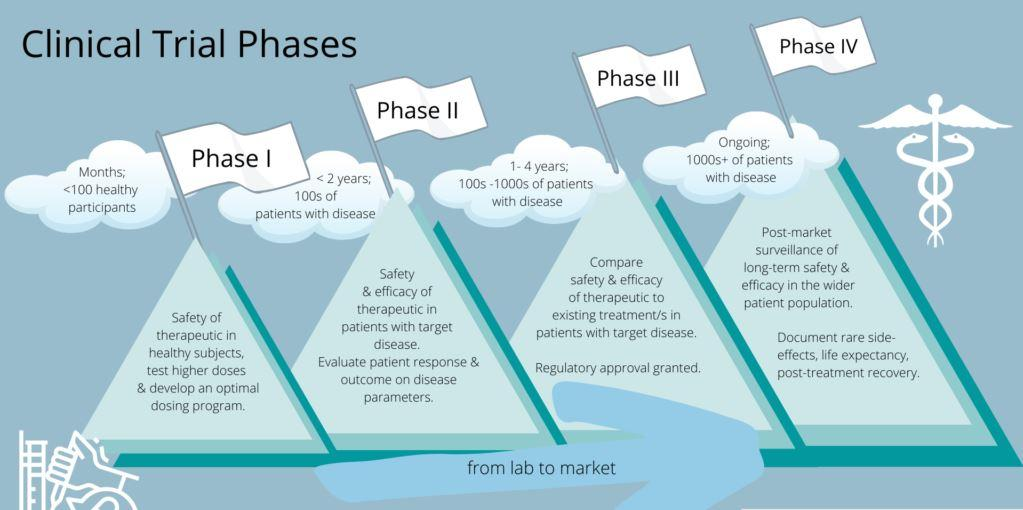
Les essais cliniques constituent la deuxième phase majeure et s'étendent généralement sur six à sept ans, répartis en trois étapes distinctes. La phase I porte sur l'évaluation initiale de la sécurité chez de petits groupes, la phase II évalue l'efficacité, et la phase III confirme les résultats par des essais à grande échelle.
La gestion de projet à ce stade comprend le recrutement de bénévoles, la surveillance des sites et la garantie de l'intégrité des données sur divers sites à travers le monde. Les chefs de projet doivent s'assurer que chaque protocole respecte strictement les exigences de la FDA et Recommandations de l'OMS afin de respecter les normes cliniques les plus strictes.
3. Conformité réglementaire
Le respect des exigences strictes d'organismes tels que la FDA ou l'EMA reste une responsabilité fondamentale pour les équipes pharmaceutiques. Chaque étape clé d'un projet nécessite une documentation irréprochable afin de garantir le respect des Bonnes pratiques cliniques (BPC) et Bonnes pratiques de fabrication (BPF) normes.
Par exemple, lors d’une montée en puissance de la production, les chefs de projet doivent s’assurer que chaque dossier de lot est correctement consigné. De même, lors des essais cliniques, les formulaires de consentement éclairé doivent être signés et archivés correctement afin de protéger les droits des patients et l’intégrité des données. Ce niveau de contrôle rigoureux garantit que le produit final est toujours sûr, pur et efficace pour la consommation publique.
4. Coordination interfonctionnelle
Les projets pharmaceutiques sont souvent menés en vase clos, ce qui peut entraîner un décalage entre la recherche scientifique et les réalités commerciales. La gestion de projet fait le lien entre les équipes de R&D, le service juridique, la production et le marketing.
Il s'agit d'une coordination qui permet d'assurer la cohérence entre les avancées scientifiques, la stratégie d'entreprise et les objectifs commerciaux. En synchronisant ces différents services, les responsables réduisent au minimum les problèmes de communication entre les équipes spécialisées.
5. Surveillance post-commercialisation (phase IV)
La surveillance post-commercialisation, ou phase IV, débute une fois qu’un médicament a obtenu l’autorisation de mise sur le marché et qu’il est mis à la disposition du grand public. Les chefs de projet supervisent le suivi à long terme de la sécurité et recueillent des données issues de la pratique clinique concernant les performances du médicament au sein de divers groupes de patients. Cette phase vise principalement à identifier les effets indésirables rares et à évaluer l’efficacité à long terme.
L'importance de la gestion de projet dans l'industrie pharmaceutique
La gestion de projet fournit le cadre nécessaire pour planifier, organiser et suivre l'avancement du développement et de la fabrication des médicaments. Cette discipline permet aux entreprises d'allouer leurs ressources tout en gérant de manière proactive les risques tout au long du cycle de vie des médicaments.
Examinons de plus près l'importance et l'impact de la supervision stratégique dans ce secteur :
1. Réduire les délais de mise sur le marché
Le développement d'un médicament peut prendre jusqu'à 15 ans, ce qui fait du timing un avantage concurrentiel déterminant. La gestion de projet permet de rationaliser ce long parcours en accélérant la mise sur le marché du médicament.
Cela passe par des améliorations techniques et stratégiques ciblées. Les équipes mettent en œuvre des processus de fabrication en continu et d'automatisation afin de remplacer les processus manuels lents par une production plus rapide. Elles s'appuient également sur des partenariats stratégiques avec des CDMO pour bénéficier d'une expertise spécialisée et gagner en rapidité opérationnelle.
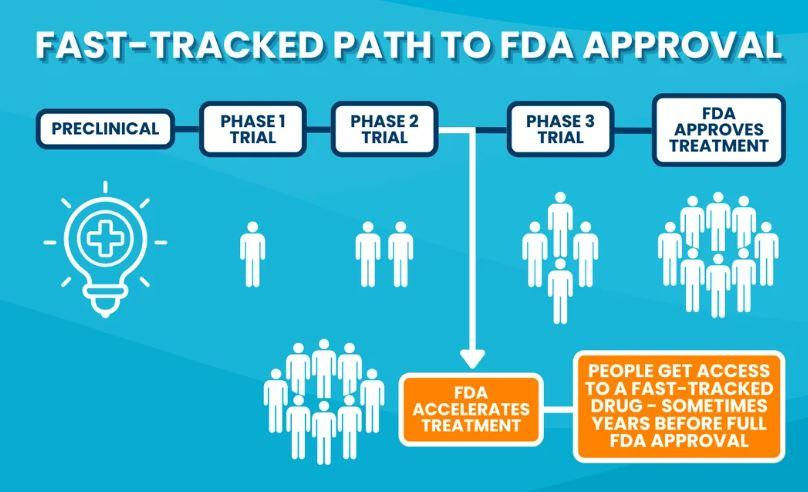
Par ailleurs, les chefs de projet ont recours à des procédures réglementaires accélérées, telles que “ Fast Track ” statut, afin de raccourcir les délais globaux d'évaluation. Ces efforts coordonnés permettent de réduire considérablement le nombre d'années nécessaires à la mise sur le marché mondial d'un médicament.
2. Gestion des coûts
La mise sur le marché d'un nouveau médicament est une entreprise extrêmement coûteuse. Des rapports récents montrent que cela peut prendre jusqu'à $2,6 milliards par molécule approuvée. Cet investissement couvre les recherches couronnées de succès, mais aussi le coût élevé des essais infructueux et les obstacles réglementaires complexes.
Pour gérer ces budgets colossaux, les équipes de gestion de projet mettent en œuvre des stratégies rigoureuses de maîtrise des coûts. Elles ont recours à un suivi financier en temps réel afin d’identifier et de résoudre les écarts avant qu’ils ne se transforment en dépassements budgétaires importants. La mise en place de plans d’urgence et l’optimisation des ressources les aident également à hiérarchiser l’affectation des capitaux.
3. Gestion stratégique des risques
La gestion proactive des risques est l'un des aspects les plus cruciaux de toute entreprise pharmaceutique. Compte tenu de la forte probabilité d'échec clinique ou de rejet réglementaire, le système de gestion de projet doit identifier les menaces potentielles le plus tôt possible.
Des stratégies bien conçues permettent aux équipes d'anticiper et d'atténuer les risques majeurs, tels que les effets toxiques inattendus ou l'évolution de la législation en matière de brevets. Les professionnels de ce domaine sont également chargés de mettre en œuvre Lignes directrices ICH Q9. Il s'agit d'un cadre formel de gestion des risques liés à la qualité (QRM) visant à établir un lien direct entre les décisions scientifiques et la protection des patients.
Les défis liés à la gestion des projets pharmaceutiques
Les progrès récents en matière de modélisation numérique et d’intelligence artificielle ont considérablement renforcé la capacité d’innovation de l’industrie pharmaceutique. Cela dit, de nombreux défis profondément enracinés continuent d’entraver la mise à disposition de traitements vitaux au sein des systèmes de santé publique. En voici quelques exemples marquants :
1. Évolution des exigences réglementaires
Les exigences en matière de conformité réglementaire évoluent sans cesse, à mesure que des organismes tels que la FDA et l'EMA actualisent les normes de sécurité et les protocoles de soumission des données. De nouvelles obligations, telles que la Loi européenne sur l'IA ou les nouvelles directives relatives aux bonnes pratiques de fabrication (BPF) obligent les entreprises à repenser leurs processus internes en cours de projet. Il est essentiel que les laboratoires pharmaceutiques s’adaptent rapidement à ces nouvelles exigences réglementaires afin d’éviter des retards coûteux.
2. Taux d'attrition élevés
L'industrie pharmaceutique connaît l'un des taux d'abandon les plus élevés de tous les secteurs, oscillant souvent entre 20% et 30% aux stades avancés. Seuls un ou deux composés sur 10 000 synthétisés en laboratoire parviennent à être commercialisés.
Cette forte probabilité d'échec oblige les chefs de projet à mettre en place des protocoles de « fail-fast » tout au long du cycle de développement. Ces mesures strictes permettent d'identifier très tôt les candidats non viables et garantissent que les entreprises ne consacrent pas de ressources excessives à des produits destinés à être rejetés lors des essais cliniques.
3. Complexité de la chaîne d'approvisionnement mondiale
La gestion d'une chaîne d'approvisionnement pharmaceutique implique la coordination des matières premières et de la production à travers des dizaines de frontières internationales. Les tensions géopolitiques ou les nouvelles politiques tarifaires peuvent soudainement entraver la circulation des principes actifs et entraîner des pénuries généralisées.
Par exemple, une perturbation chez un seul fournisseur européen de flacons en verre peut perturber la distribution mondiale des produits biologiques injectables. Ces récipients spécialisés garantissent la stérilité et la stabilité des médicaments liquides sensibles. Toute pénurie d’un composant aussi essentiel a un impact direct sur l’accès des patients aux traitements vitaux partout dans le monde.
FAQ
1. Quel est le rôle d'un chef de projet au sein d'une CDMO ?
Au sein d'une organisation de développement et de fabrication sous contrat (CDMO), le chef de projet fait office de principal intermédiaire entre le client et les équipes de production internes. Il supervise les étapes clés en matière de chimie, de fabrication et de contrôle (CMC) afin de garantir que le principe actif pharmaceutique (API) respecte les spécifications de qualité et les délais de livraison.
2. Quelles sont les principales contraintes réglementaires dans les projets pharmaceutiques ?
Les projets doivent respecter les bonnes pratiques de fabrication (BPF), les bonnes pratiques cliniques (BPC) et les bonnes pratiques de laboratoire (BPL) afin de garantir l'intégrité des données et la qualité des produits. Tout écart par rapport à ces normes au cours du cycle de vie d'un projet peut entraîner l'envoi de lettres d'avertissement par la FDA, le rejet des demandes d'autorisation ou le rappel total des produits.
3. Les méthodologies agiles peuvent-elles être appliquées à des projets pharmaceutiques ?
Alors que le processus classique de développement des médicaments est séquentiel (modèle “ en cascade ”), la méthode Agile est de plus en plus utilisée dans les domaines de la santé numérique, de l’analyse de données et du développement de logiciels de laboratoire. Dans ces sous-secteurs, des « sprints » itératifs permettent aux équipes de s’adapter à l’évolution des données sans perturber les processus de fabrication rigides et validés.
4. Quelle est l'importance du “ chemin critique ” dans le secteur pharmaceutique ?
Le chemin critique correspond à la plus longue séquence de tâches interdépendantes, telles que le recrutement des patients ou les essais de stabilité à long terme, qui détermine la date de lancement la plus précoce possible. Tout retard dans une activité du chemin critique peut repousser le dépôt d’une demande d’autorisation de mise sur le marché (NDA), ce qui peut entraîner une perte de revenus liée à l’exclusivité du brevet s’élevant à plusieurs millions.
Proposer des traitements vitaux grâce aux meilleurs systèmes
La gestion de projet est une discipline qui permet aux avancées médicales de passer avec succès du laboratoire au chevet du patient. Ce cadre proactif permet aux professionnels d'évaluer les taux d'attrition et de s'adapter aux changements réglementaires imprévisibles. En alliant expertise clinique et rigueur opérationnelle, la gestion de projet peut transformer le potentiel scientifique en résultats concrets pour les patients.
Tout comme une gestion experte permet de maintenir le développement de médicaments sur la bonne voie, un système de fabrication pharmaceutique hautement performant vous aide à dominer le marché. technologies fines fabrique des machines et des équipements pharmaceutiques conçus pour accompagner l'ensemble de vos activités.
Des équipements de fabrication spécialisés aux lignes d'emballage, nous proposons des systèmes fiables et à haute capacité, adaptés à vos besoins de production spécifiques. Notre engagement garantit votre réussite à long terme grâce à une formation complète sur site et à une assistance technique dédiée.
Avis de droit d'auteur :
Vous ne pouvez pas reproduire, modifier, publier, afficher, transmettre ou exploiter de quelque manière que ce soit le contenu de ce site web, ni utiliser ce contenu pour constituer une base de données de quelque nature que ce soit, sans l'autorisation écrite expresse et préalable de Finetech Group. Pour obtenir l'autorisation d'utiliser le contenu, veuillez contacter : info@pharmamachinecn.com
Clause de non-responsabilité:
Les informations contenues dans cet article sont fournies à titre d'information générale uniquement. L'entreprise ne garantit pas l'exactitude, la pertinence, l'actualité ou l'exhaustivité des informations, et l'entreprise n'assume aucune responsabilité en cas d'erreur ou d'omission dans le contenu de cet article.