Spanish
  English
  Russian
  Turkish
  French
  German
  Japanese
Como fabricante farmacéutico, es probable que su activo más valioso sea una línea de producción que funcione sin problemas y ofrezca resultados sin costosos paros. Sin embargo, incluso los sistemas más avanzados dependen del funcionamiento silencioso de sus componentes más pequeños.
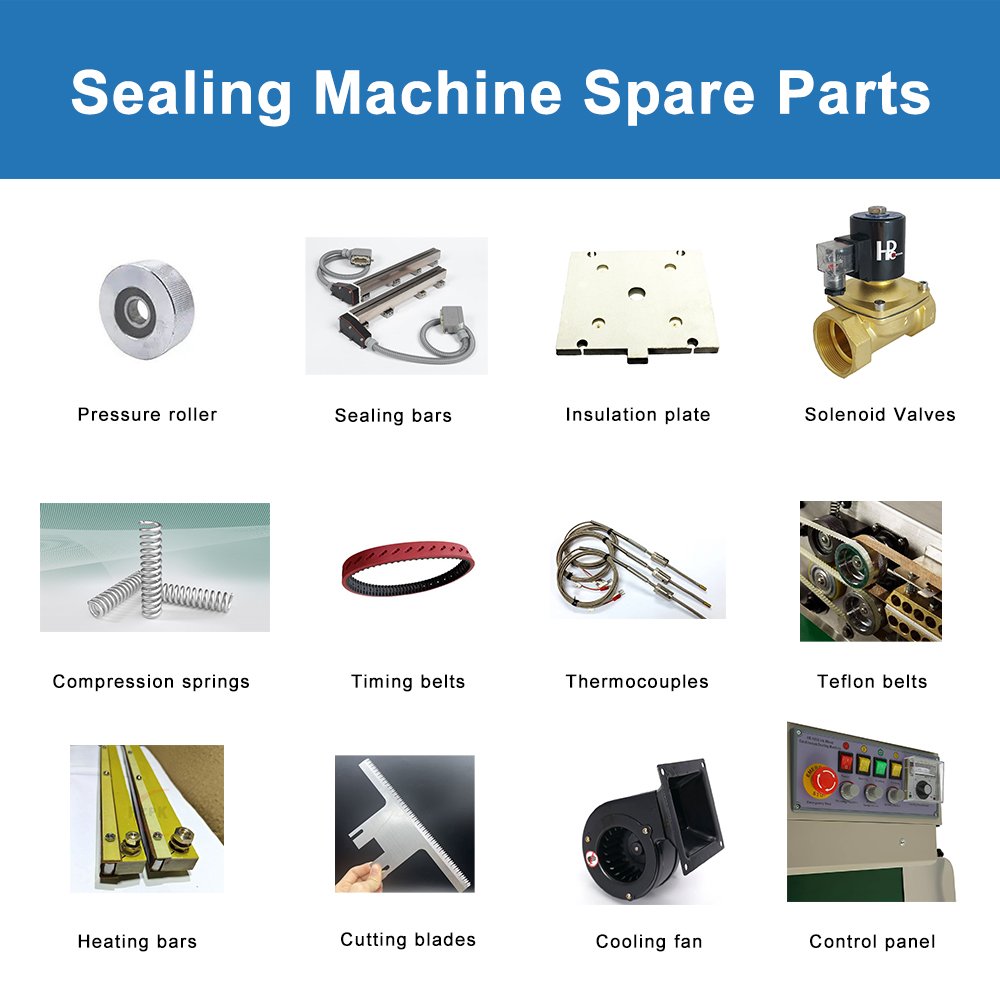
Los recambios para las máquinas de sellado son el pilar fundamental de tu departamento de envasado, ya que constituyen el eslabón crucial entre un producto seguro y estéril y un lote defectuoso. Ya se trate de la precisión térmica de una barra calefactora o de la fiabilidad antiadherente de una cinta de teflón, estos elementos sujetos a desgaste determinan la eficiencia de toda tu planta.
Por eso es importante conocer las piezas de recambio fundamentales de las máquinas de sellado, sus funciones y el papel que desempeñan a la hora de garantizar que las operaciones de envasado farmacéutico sean fiables y cumplan con la normativa. A continuación, explicamos cada uno de estos componentes esenciales con detalle.
¿Qué son las piezas de recambio para máquinas de sellado?
Las máquinas de sellado son máquinas especializadas equipos de envasado farmacéutico, diseñados para crear cierres herméticos, seguros y, a menudo, estériles en envases como bolsas, sobres, botellas y cajas de cartón. Estos sistemas garantizan la integridad y la seguridad del producto durante el transporte.
Las piezas de recambio son componentes individuales y sustituibles que se utilizan para reparar, mantener o mejorar las máquinas de sellado. Estos componentes, imprescindibles para el envasado de productos alimenticios, farmacéuticos y logísticos, incluyen diversos elementos, como barras de sellado, cintas de teflón y tiras de silicona.
El mantenimiento periódico de estas piezas de desgaste garantiza una resistencia de unión constante en todos los lotes de producción. Este mantenimiento rutinario también ayuda a la planta a cumplir las estrictas normas de higiene exigidas para los productos sensibles.
Lista de piezas de recambio utilizadas en máquinas de sellado
A máquina selladora Se trata de una inversión de capital considerable que se espera que funcione de forma fiable durante muchos años. Para maximizar su vida útil, es importante hacer frente al desgaste habitual mediante un mantenimiento constante. A continuación se ofrece una lista de las piezas de recambio esenciales para las máquinas de sellado y se explica cómo contribuyen a que los ciclos de producción se desarrollen sin interrupciones.
1. Barras calefactoras
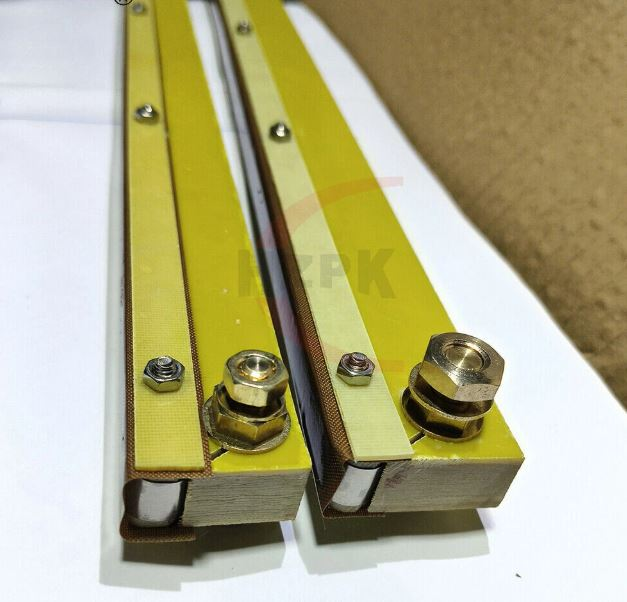
Fuente: eBay
Las barras calefactoras o las mordazas de sellado son uno de los componentes clave de las máquinas de sellado industriales. Estas barras están fabricadas con aleaciones de alta conductividad térmica, como aluminio o latón para garantizar una distribución rápida y uniforme del calor.
Durante el proceso de sellado, las dos mordazas paralelas se presionan entre sí para crear una unión uniforme mediante la fusión de materiales termoplásticos, como las bolsas de plástico, gracias a la acción combinada del calor y la presión. Es importante mantener estos componentes en perfecto estado, ya que cualquier deterioro de la superficie puede comprometer la estanqueidad del envase final.
2. Termopares
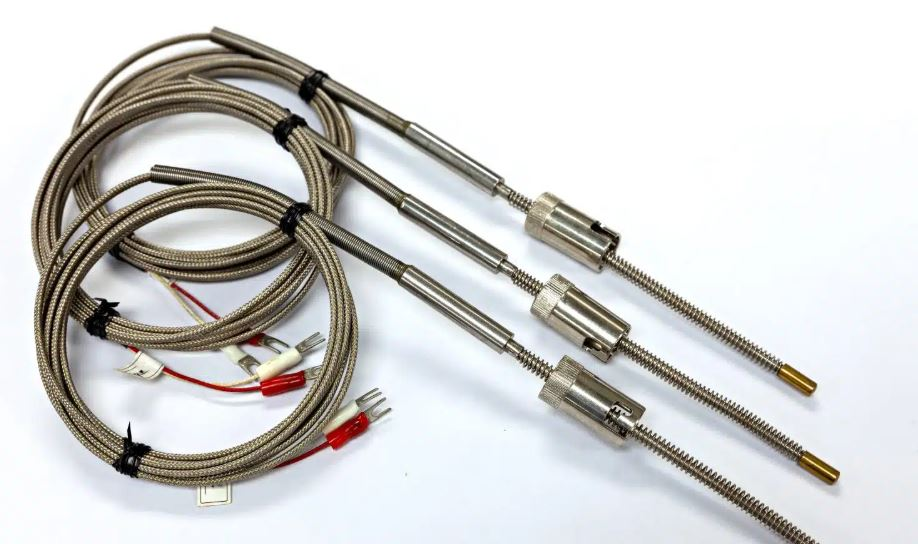
Los termopares de las máquinas de sellado son sensores que miden la temperatura de la banda de sellado térmico para garantizar un sellado uniforme, fiable y preciso. Cada sensor está compuesto por dos hilos metálicos de diferentes materiales unidos por un extremo para formar una unión caliente, que genera una tensión directamente proporcional a los cambios de temperatura.
Estos componentes supervisan constantemente los rodillos de sellado y proporcionan información en tiempo real para mantener los niveles térmicos exactos necesarios para un envasado de alta calidad.
3. Barras de sellado
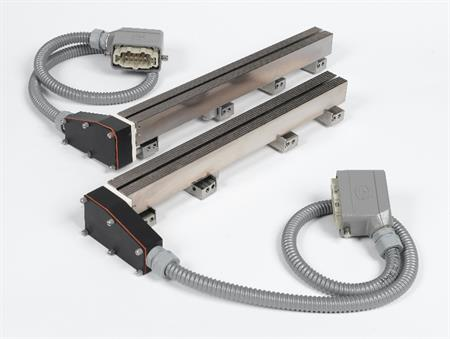
Las barras de sellado actúan como interfaz mecánica que interactúa directamente con los materiales de envasado. Aunque se calientan mediante barras calefactoras internas, su función principal es aplicar una presión controlada y uniforme para fusionar las capas termoplásticas entre sí.
Estas barras suelen presentar perfiles de superficie específicos, como patrones dentados o nervaduras planas, que proporcionan la textura y la resistencia deseadas para el sellado. Esta presión específica crea una unión segura en toda la superficie de la película.
4. Correas de teflón (PTFE)
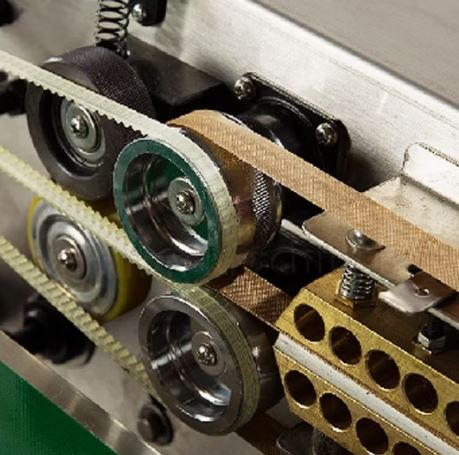
Correas de teflón, fabricadas con Recubierto de PTFE La fibra de vidrio proporciona un soporte continuo esencial para las operaciones de sellado a alta velocidad. Estas cintas transportadoras antiadherentes y resistentes a altas temperaturas transportan los envases a través de selladoras de banda continua, al tiempo que transfieren el calor de los bloques calefactores a los materiales. Este recubrimiento especializado evita que el plástico fundido se adhiera a los componentes de la máquina.
5. Placas aislantes
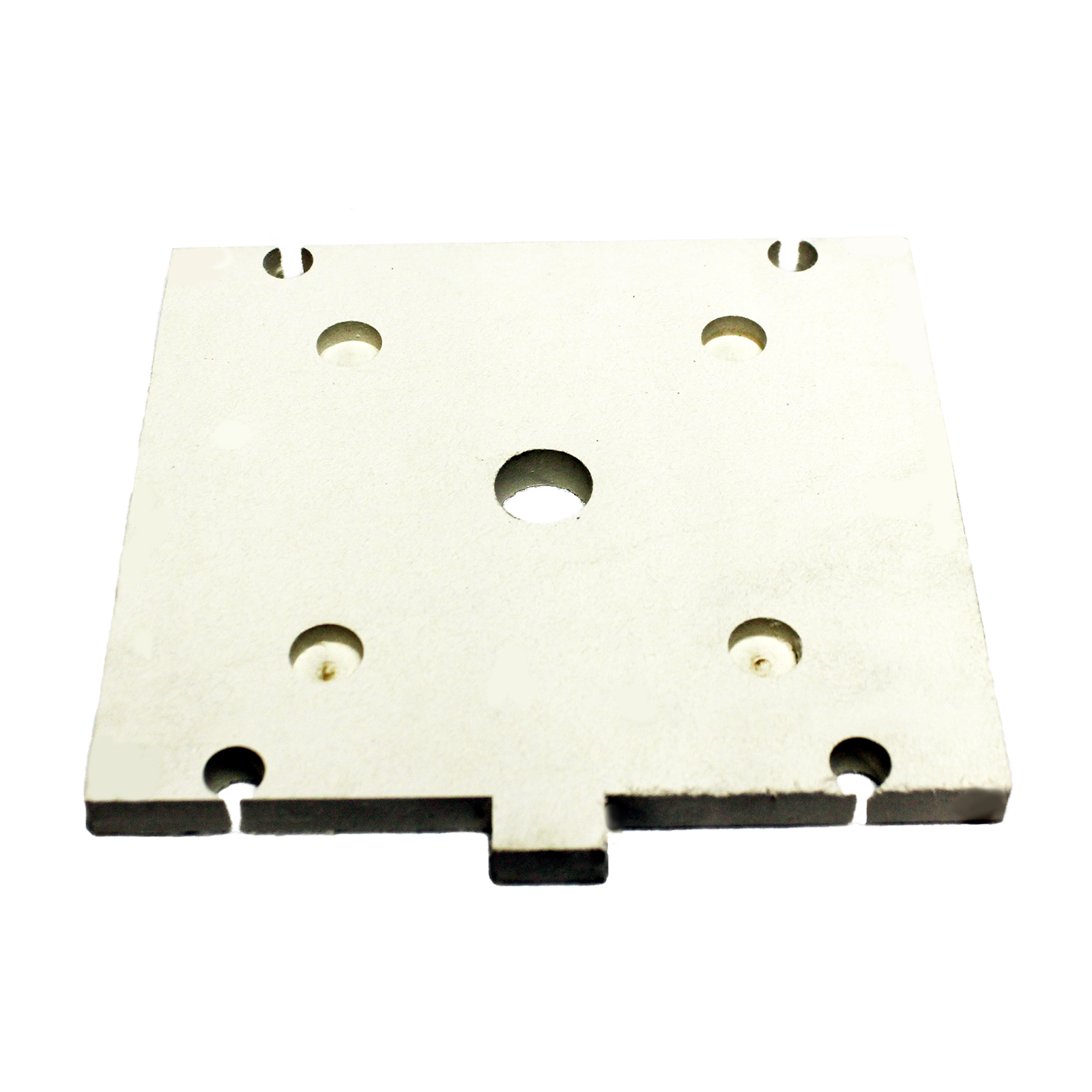
Las máquinas de sellado requieren un flujo térmico controlado para evitar que el calor se transmita desde los elementos calefactores al resto de la maquinaria. Las placas aislantes están diseñadas específicamente para este fin, con el objetivo de actuar como una barrera fundamental dentro del conjunto.
Estos componentes están fabricados con materiales específicos, como láminas de mica, plástico reforzado con fibra de vidrio o compuestos de fibra cerámica. Protegen los sensores electrónicos sensibles y los sistemas de transmisión mecánicos frente a los daños provocados por el calor.
6. Paneles de control
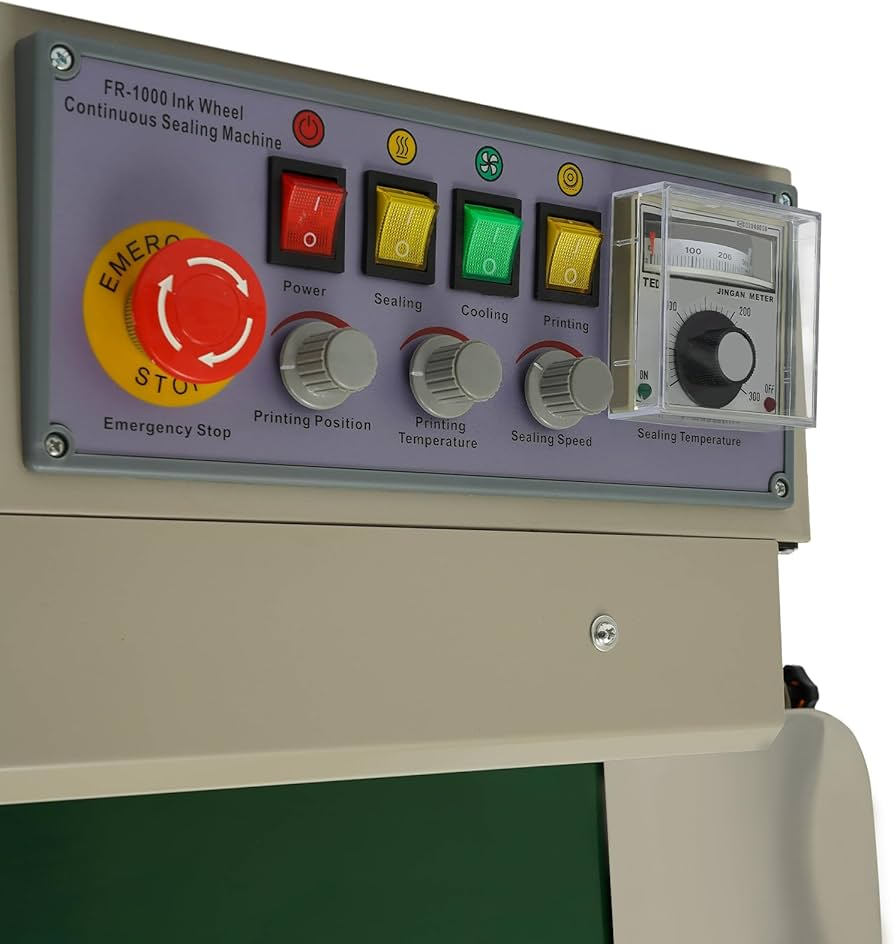
El panel de control es la interfaz principal para gestionar los parámetros operativos de una máquina. Los operarios utilizan este centro de control centralizado para regular variables críticas, como la temperatura, la velocidad de sellado y la duración de la presión. Proporciona datos en tiempo real y funciones de parada de emergencia para garantizar una calibración adecuada. Esta supervisión es fundamental para mantener una integridad constante del sellado y la seguridad operativa con diversos materiales de envasado.
7. Correas de distribución
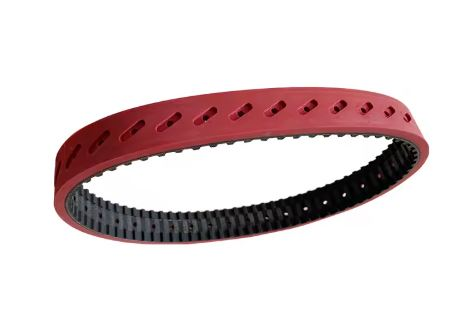
La función de la correa de distribución es mantener una sincronización precisa y la transmisión de potencia desde el motor hasta el conjunto mecánico. Estas correas suelen estar fabricadas en caucho reforzado o poliuretano y cuentan con dientes integrados en la superficie interior. Los dientes se enganchan en las poleas para permitir que las mordazas de sellado se abran y se cierren en el milisegundo exacto requerido.
8. Rodillos de presión
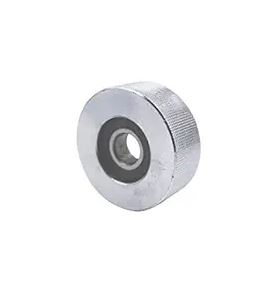
Los rodillos de presión son ruedas especializadas de las máquinas de sellado, fabricadas a menudo con silicona, caucho o acero. Ejercen una presión descendente constante sobre las bolsas y los envases para conseguir un sellado hermético, una adhesión adecuada y un acabado liso.
Incorporados en las selladoras de banda, las selladoras de cartón y las máquinas de blíster, estos rodillos facilitan la alimentación del material y eliminan las bolsas de aire para mantener un control total sobre el proceso de sellado.
9. Muelles de compresión
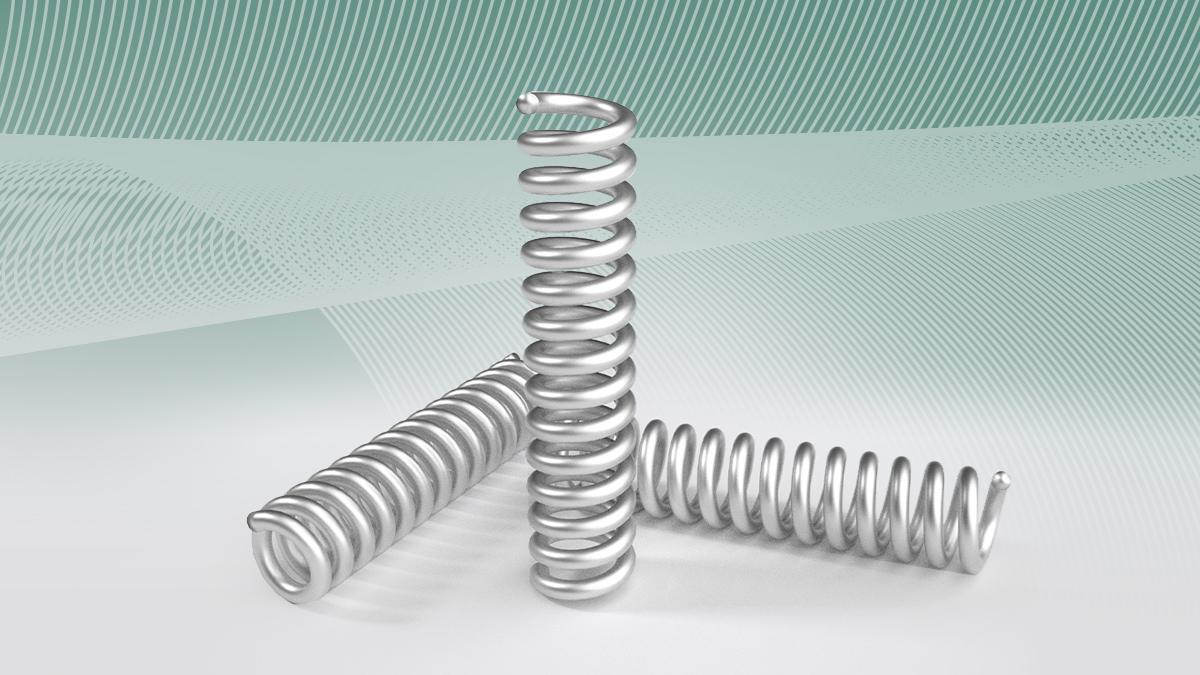
Los resortes de compresión son unidades helicoidales de espira abierta que proporcionan una fuerza de sellado constante y de alta presión en todo el conjunto. Estas piezas están fabricadas con metales resistentes, como el acero inoxidable o el acero al carbono. Su función principal es almacenar energía y ejercer una fuerza de empuje para mantener una presión uniforme sobre las mordazas de sellado y evitar fugas.
10. Cuchillas de corte
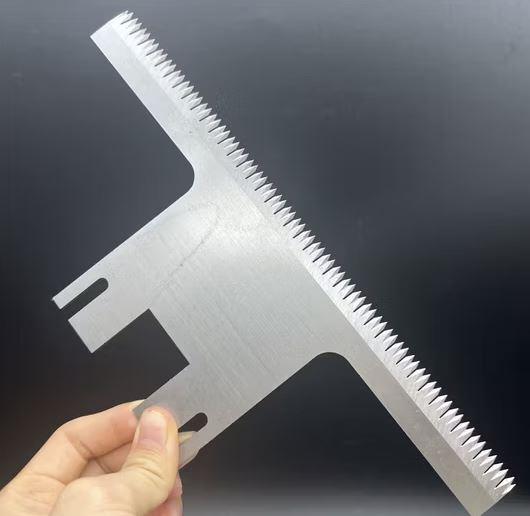
La máquina incorpora cuchillas de corte para recortar el material sobrante o separar las bolsas individuales. Fabricadas en acero para herramientas endurecido, estas cuchillas afiladas proporcionan un acabado limpio y profesional en cada envase. Estas cuchillas cortan las películas plásticas o las capas laminadas inmediatamente después de que se haya formado el sellado.
Sin estos bordes afilados, los envases parecerían deshilachados o permanecerían unidos en un rollo continuo, lo que retrasaría el proceso de distribución final.
11. Sistema de refrigeración (ventiladores)
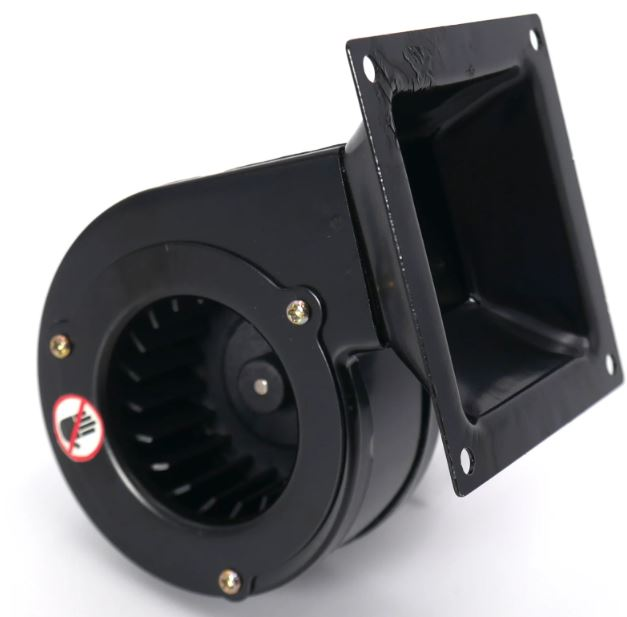
Los ventiladores de enfriamiento son los estabilizadores térmicos de la máquina de sellado y se sitúan justo después de la sección de calentamiento. Estos ventiladores dirigen aire a alta velocidad sobre el sellado recién formado para reducir rápidamente la temperatura del plástico fundido. Esta fase de enfriamiento rápido es fundamental para fijar la unión y evitar que el material se deforme o se vuelva a abrir antes de salir de la máquina.
12. Válvulas solenoides
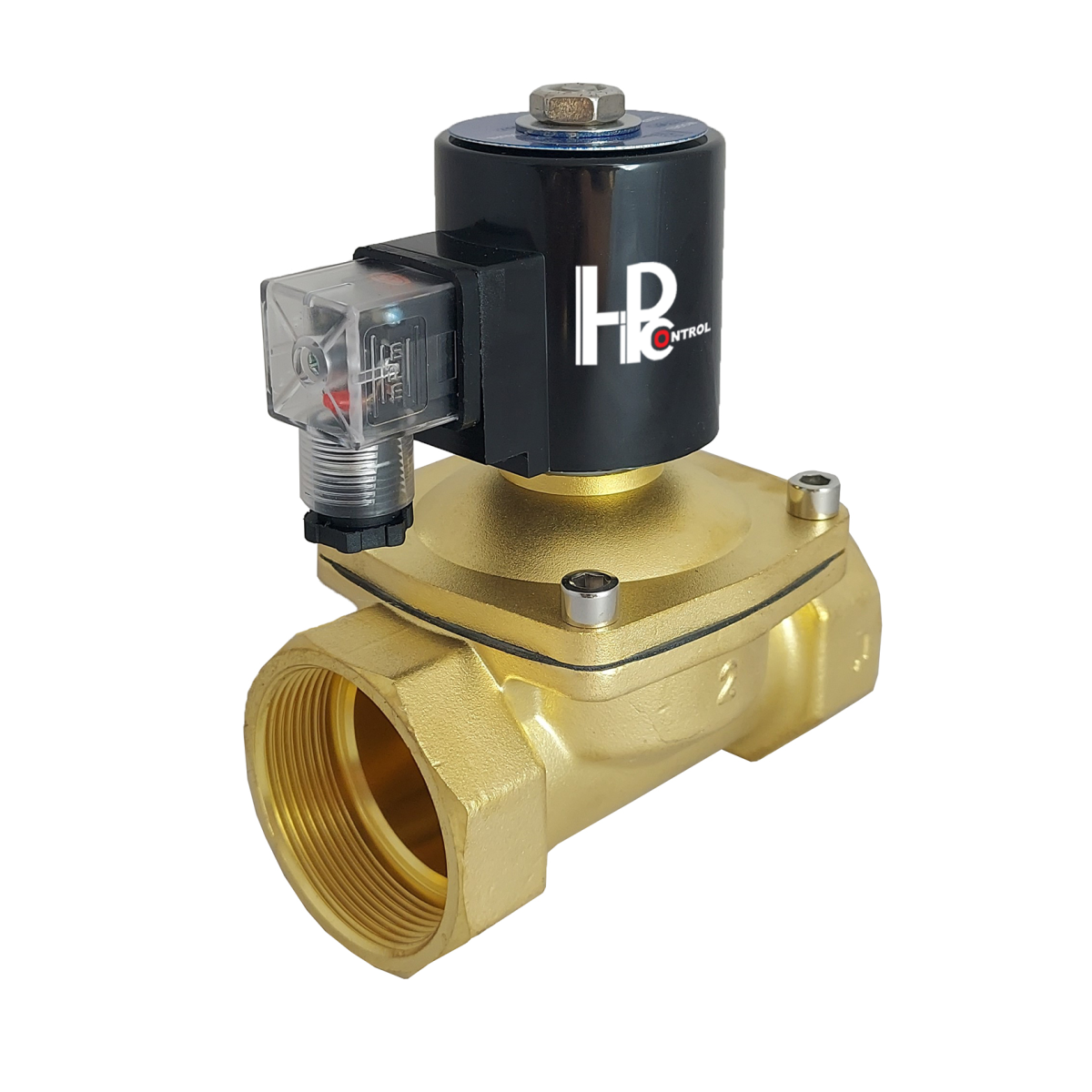
Las válvulas solenoides controlan el aire en los sistemas de sellado neumáticos. Estos dispositivos electromecánicos se abren y se cierran en respuesta a señales eléctricas, que dirigen el aire comprimido para activar los cilindros que mueven las mordazas de sellado. Al gestionar el flujo de aire con una sincronización precisa, regulan el tiempo que permanecen cerradas las mordazas y la presión que ejercen.
Preguntas frecuentes
1. ¿Por qué es importante el caucho de silicona en una máquina de sellado?
La goma de silicona soporta la presión de sellado procedente del lado opuesto al elemento calefactor. Si se quema, se deforma o se comprime, la máquina puede producir sellados incompletos o arrugados, incluso aunque el elemento calefactor funcione correctamente.
2. ¿Puedo utilizar recambios universales para máquinas de sellado?
Las piezas universales pueden servir para artículos sencillos como cinta de PTFE, cable de sellado, fusibles y algunas correas, pero solo si coinciden el tamaño, la tensión, la anchura, la longitud y el modelo de la máquina. En el caso de los controladores, sensores, motores y calentadores, suele ser más seguro utilizar piezas específicas para cada modelo.
3. ¿Son mejores los recambios originales para las máquinas de sellado que las alternativas locales?
Las piezas originales son más seguras cuando controlan el calor, la potencia, la sincronización o el movimiento, ya que el ajuste y las prestaciones son fundamentales. Las piezas locales o de recambio pueden ser adecuadas para los consumibles básicos, pero deben ajustarse exactamente a las especificaciones técnicas de la máquina.
Optimiza tu producción con recambios de calidad profesional
Mantener el máximo rendimiento y la vida útil de los equipos de sellado depende totalmente de la calidad de cada una de sus piezas. Empieza por crear un stock de repuestos de alta calidad y sigue un programa de sustitución proactivo. Esto te ayudará a eliminar los paros imprevistos y a garantizar que cada envase cumpla con las rigurosas normas de seguridad farmacéutica y alimentaria.
Invertir hoy en componentes de alta calidad es la mejor estrategia para garantizar el éxito de la producción a largo plazo. Deja que Tecnología fina ser tu solución integral para la excelencia operativa.
Nuestras líneas integradas abarcan todo el ciclo de vida de la producción, desde la fabricación y el llenado de productos farmacéuticos hasta el sellado y el envasado.
Con nuestro instalación integral y servicios de mantenimiento, podrás centrarte en el crecimiento sin preocupaciones técnicas. Ponte en contacto con nuestros expertos hoy mismo para garantizar el futuro de tus instalaciones.