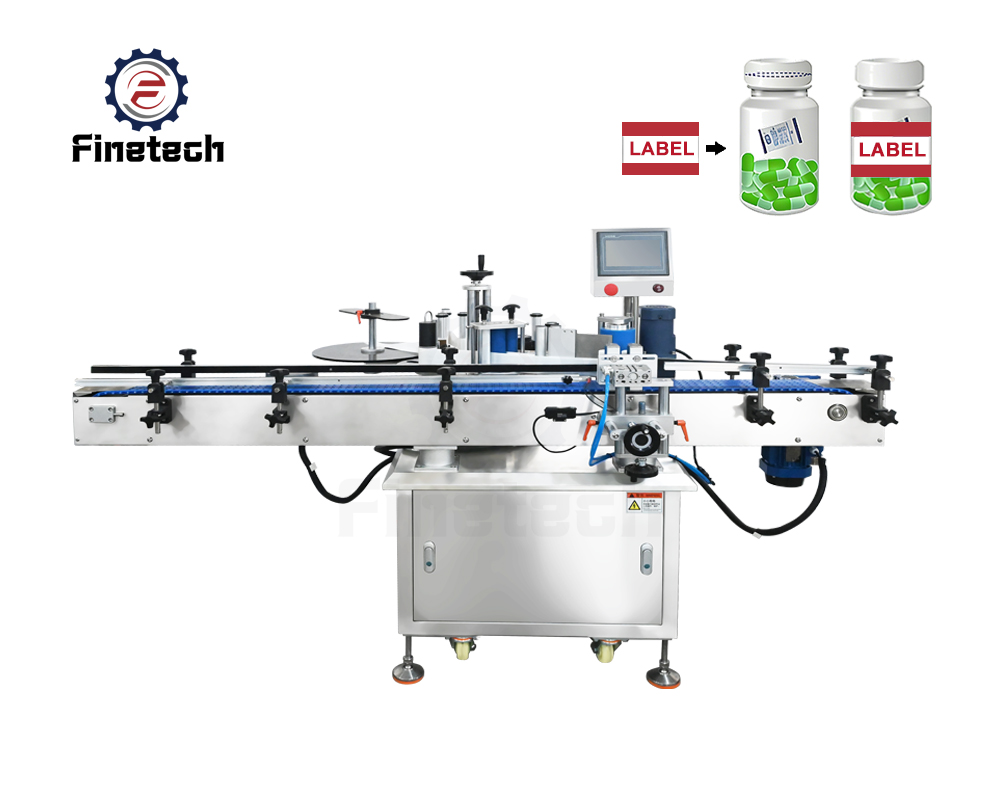
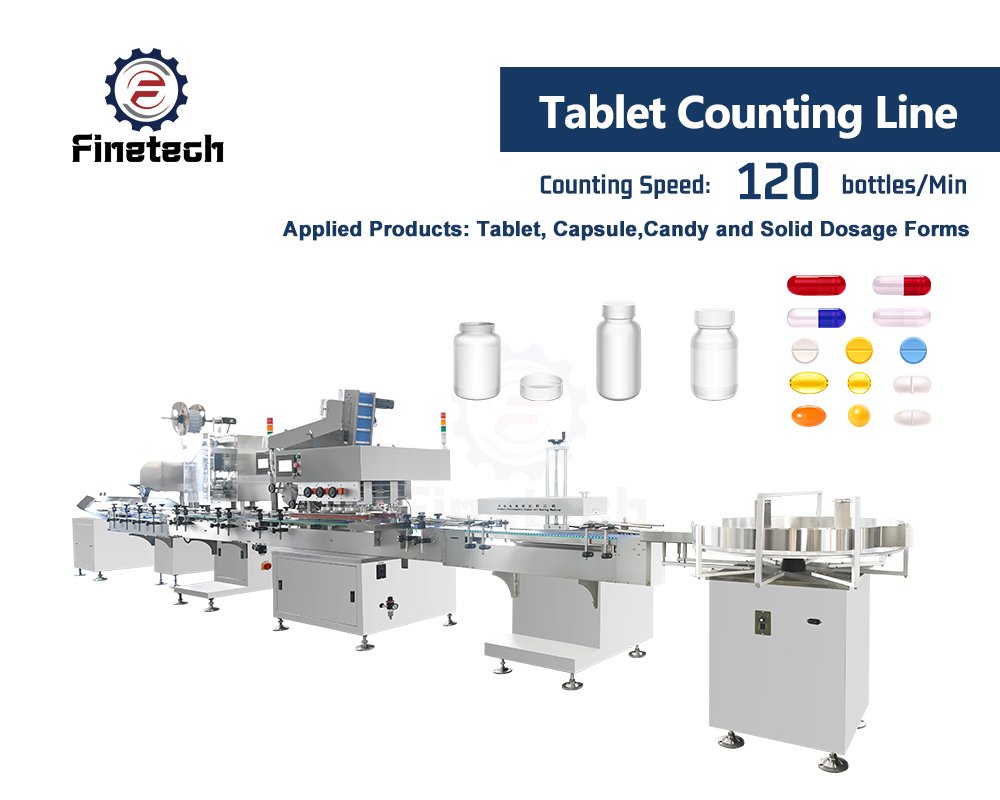
Bottle Unscrambler Machine – Customized to Your Bottle Size & Line Speed
Finetech supplies bottle unscrambler machines for pharmaceutical, nutraceutical, food, cosmetic, and household packaging lines. We match the machine to bottle material, shape, dimensions, stability, target output, and downstream conveyor. Rotary and automatic configurations cover different speeds and floor plans. Support includes bottle trials, line coordination, commissioning, training, and changeover guidance.

What Is a Bottle Unscrambler Machine?
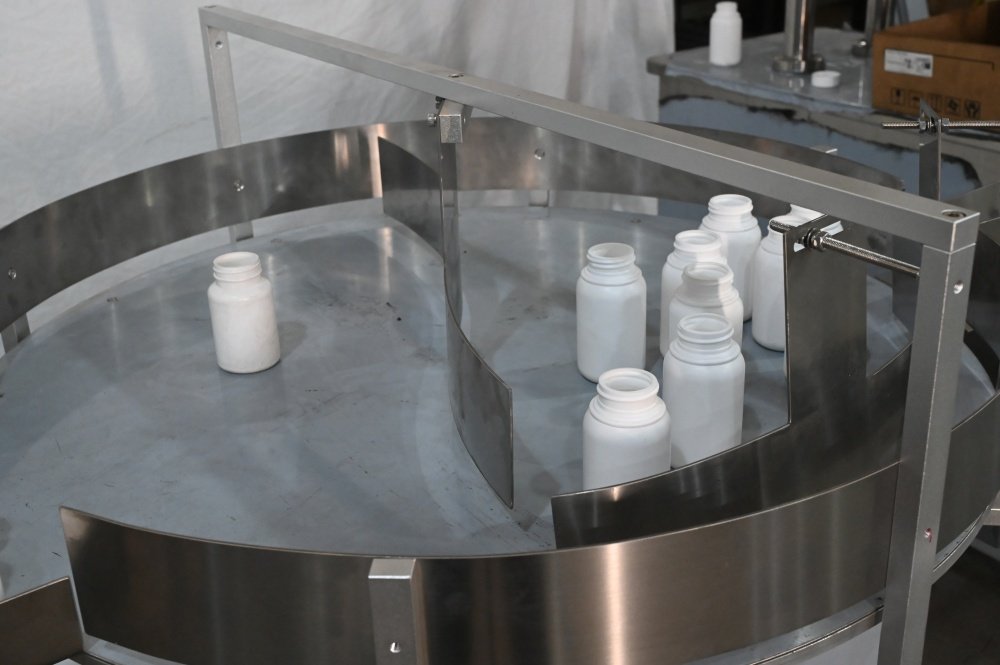
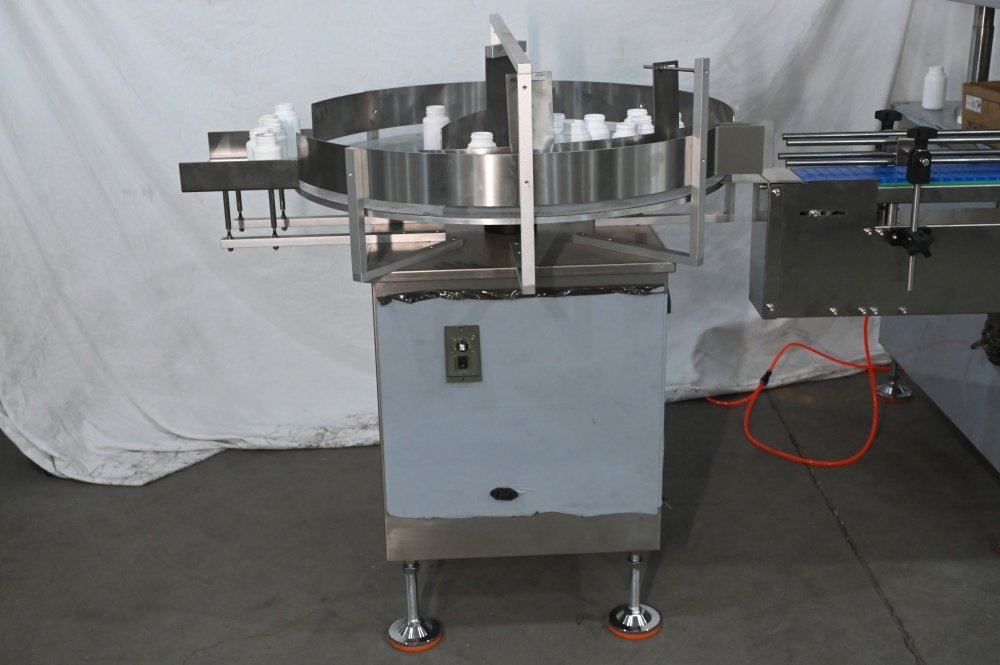
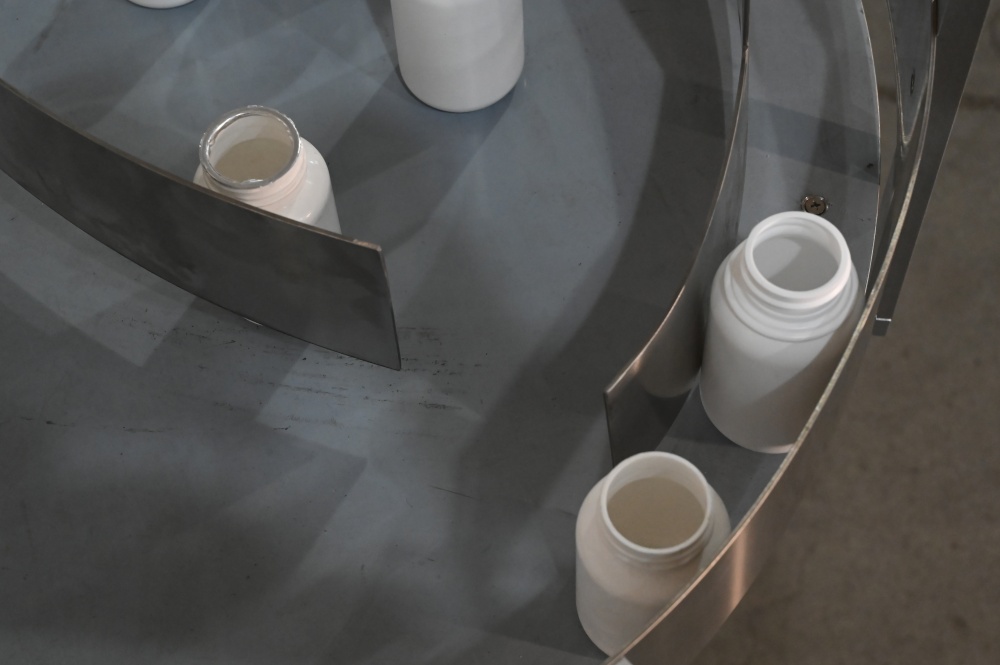
A bottle unscrambler machine receives randomly oriented empty containers, separates them, turns them upright, and feeds them in a single line. A hopper, rotating disc, pockets, guides, sensors, and discharge conveyor coordinate the process. The machine supplies a steady stream of bottles to rinsing, counting, filling, capping, or labeling equipment without continuous manual placement.
Ventajas principales
Continuous Bottle Supply
Automatic orientation keeps downstream equipment fed at a controlled rate. This reduces gaps caused by manual bottle placement.
Correct Upright Orientation
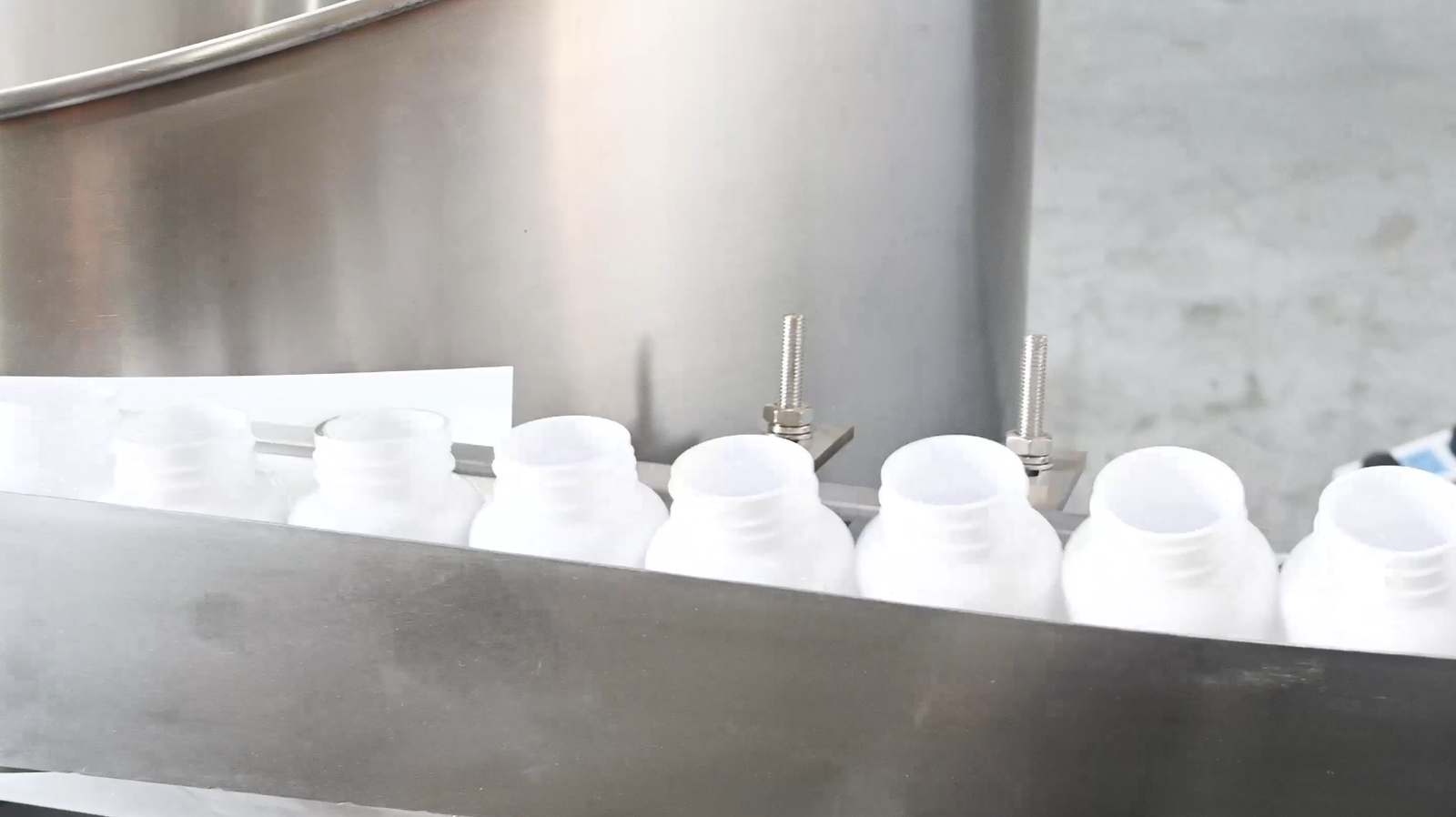
Guides, pockets, and sensors present each container neck-up before discharge. Misoriented bottles can be recirculated or rejected.
Reduced Operator Handling
Bulk loading replaces repetitive hand placement on the conveyor. Staff can focus on replenishment and line supervision.
¿Por qué asociarse con Finetech?
Bottle Handling Matched to Shape and Line Speed
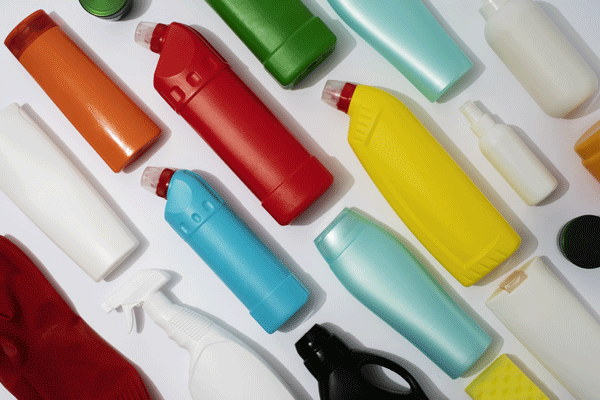
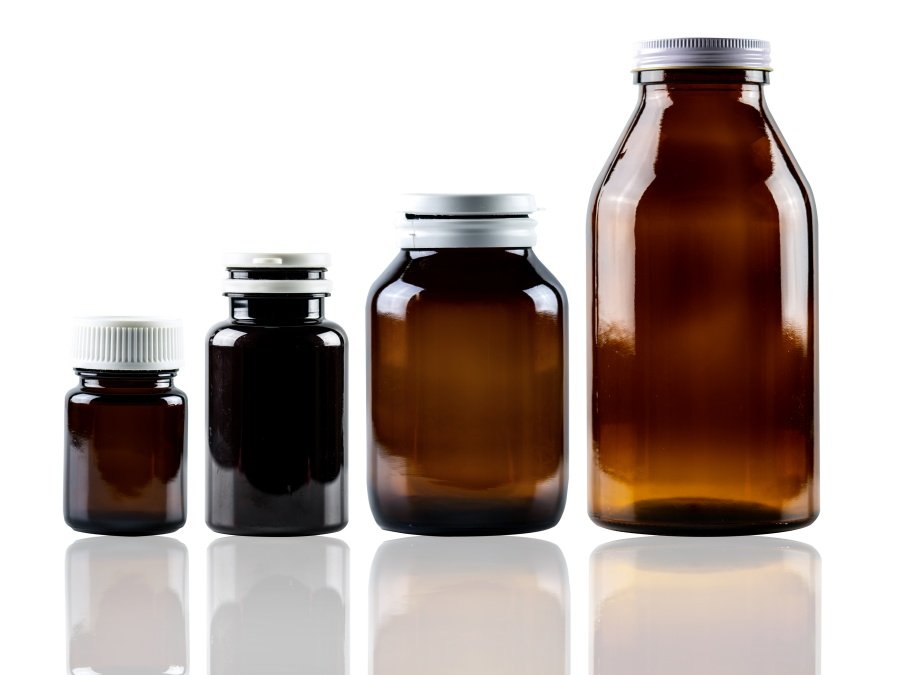
Lightweight bottles can tip, nest, scuff, or deform if the handling system is poorly matched. Finetech reviews bottle drawings and samples, material, center of gravity, neck finish, line speed, and conveyor height. We then configure the hopper, elevator, orientation parts, guides, sensors, and controls around the container.
Razones para elegir Finetech:
- Bottle trials using representative production samples
- Custom pockets, guides, and orientation change parts
- Speed matching with downstream packaging equipment
- Installation, commissioning, and operator training
- Technical support for additional bottle formats

Different Types of Bottle Unscrambler Machine
Common options include rotary-table unscramblers, centrifugal systems, and fully automatic machines with bulk hoppers and elevators. Rotary designs offer a compact, straightforward solution for many round containers. Higher-speed automatic systems use guided pockets and controlled orientation for continuous lines. Selection depends on bottle shape, material, size range, output, changeover frequency, floor space, and downstream demand. Future bottle launches should be considered before the handling range is fixed.

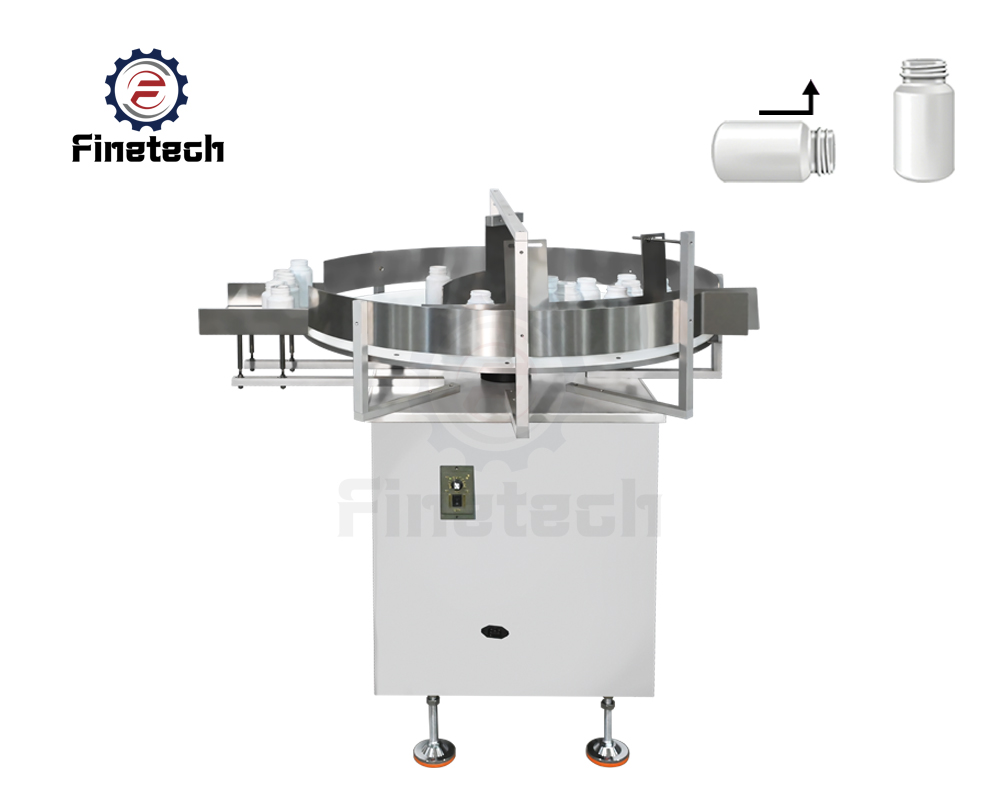
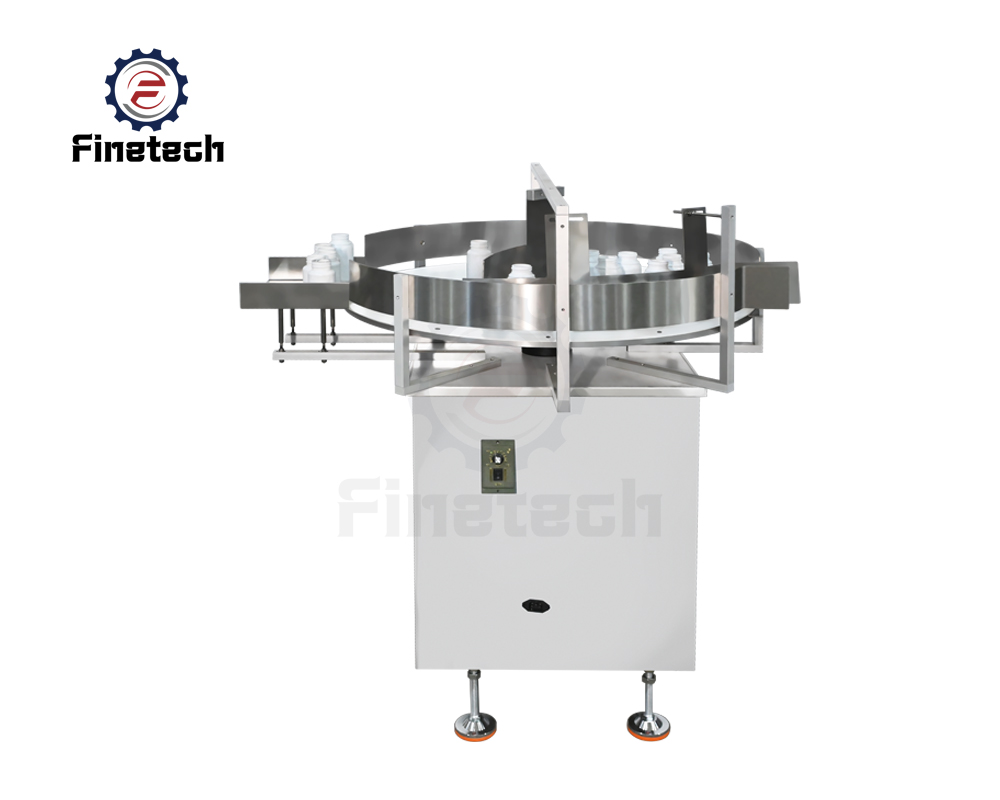
Posicionador giratorio de botellas
Producción: 150-180 botellas/Min.
Diámetro de botella aplicado: 25-100 milímetros.
Tipo de botella aplicable: Botella redonda/plana de 20-950 ml.
Superficie de contacto: SS304.

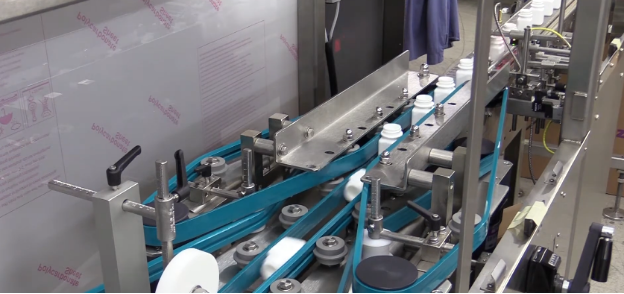
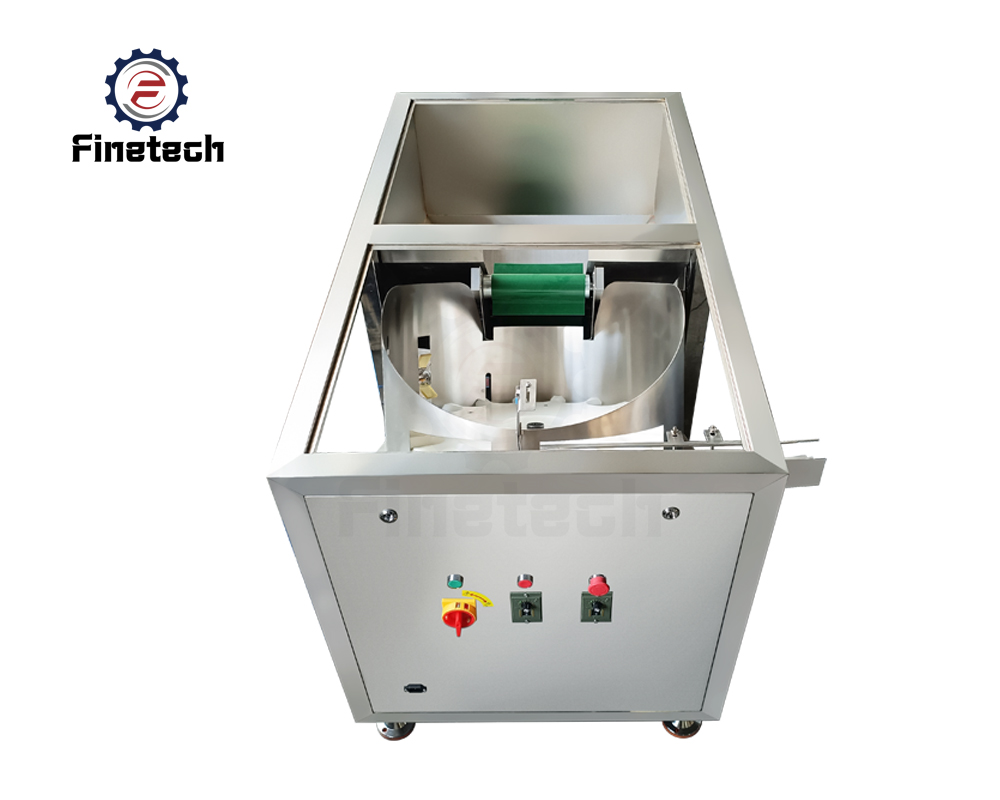
Máquina posicionadora automática de botellas
Producción: 6000 botellas/hora.
Diámetro de botella aplicado: 50-120 mm.
Máquina dimensiones: 1200×1000×1200 mm (Largo × Ancho × Alto).
Peso total (kg): 350 kilos.
Not Sure Which Bottle Unscrambler Machine Is Right for You?
Click the button below to purchase a bottle unscrambler for your bottling line.

Applications for Bottle Unscrambling
Below are three industries where bottle unscramblers are commonly used.


Please click below to watch the production process of Bottle Unscrambler Machine.
Lista de reproducción
Características principales

Bulk Bottle Hopper
The hopper receives a practical quantity of randomly oriented containers. Adjustable flow controls prevent excessive loading into the orientation section.

Controlled Bottle Elevator
Automatic models lift bottles from the hopper at a steady rate. Metered delivery helps avoid surges and crowding.

Rotating Orientation Disc
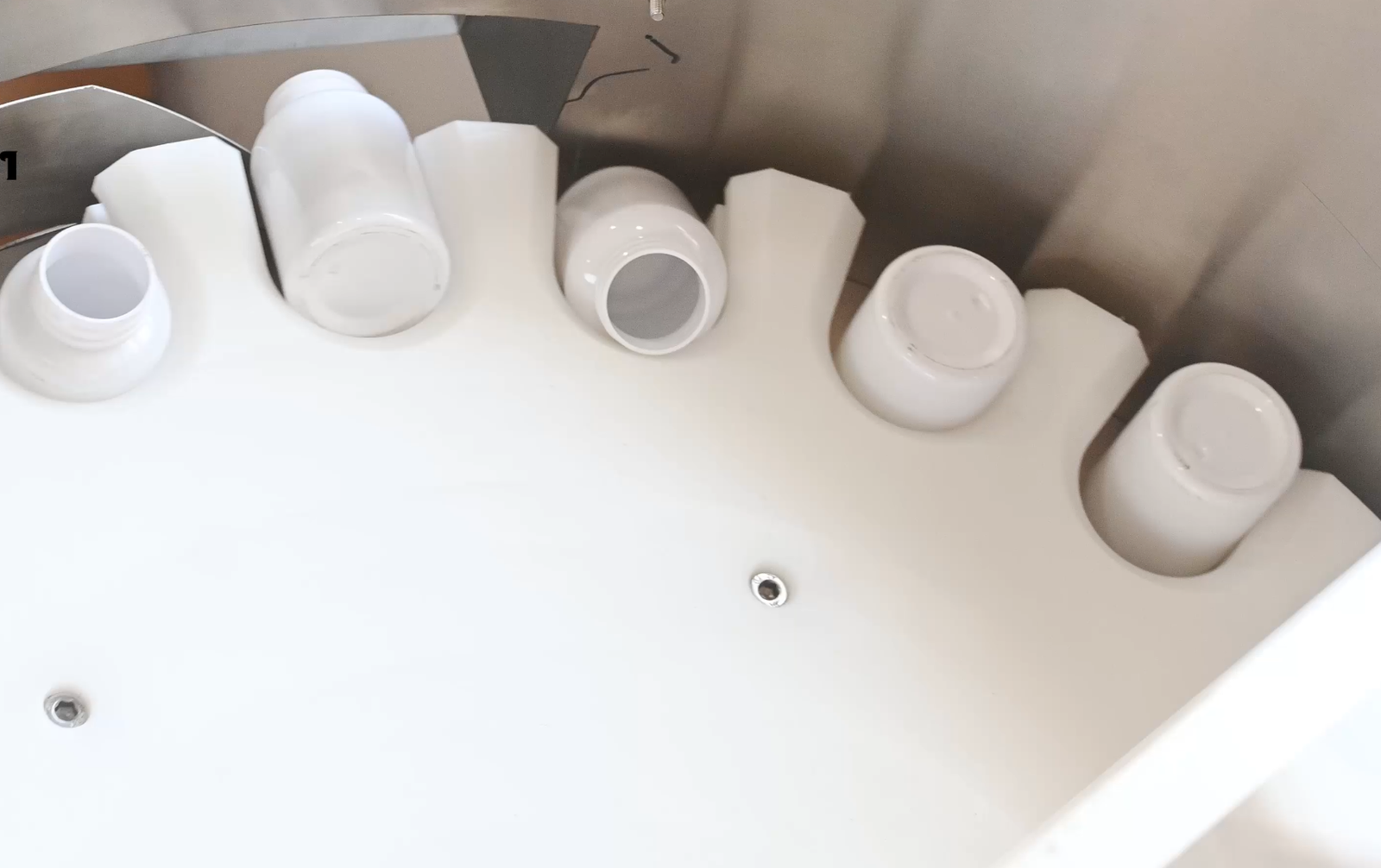
A driven disc or centrifugal bowl separates bottles and moves them toward the orientation path. Speed can be balanced with line demand.

Bottle-Specific Pockets and Guides
Change parts capture each container and direct it into the correct position. Their geometry reflects bottle shape, diameter, height, and neck.

Orientation Detection
Sensors verify bottle position before discharge. Incorrect containers can be redirected into the system instead of entering the packaging line.

Gentle Container Handling
Smooth contact surfaces and controlled movement help limit scuffs, dents, and deformation, especially with lightweight plastic bottles.

Variable-Speed Control
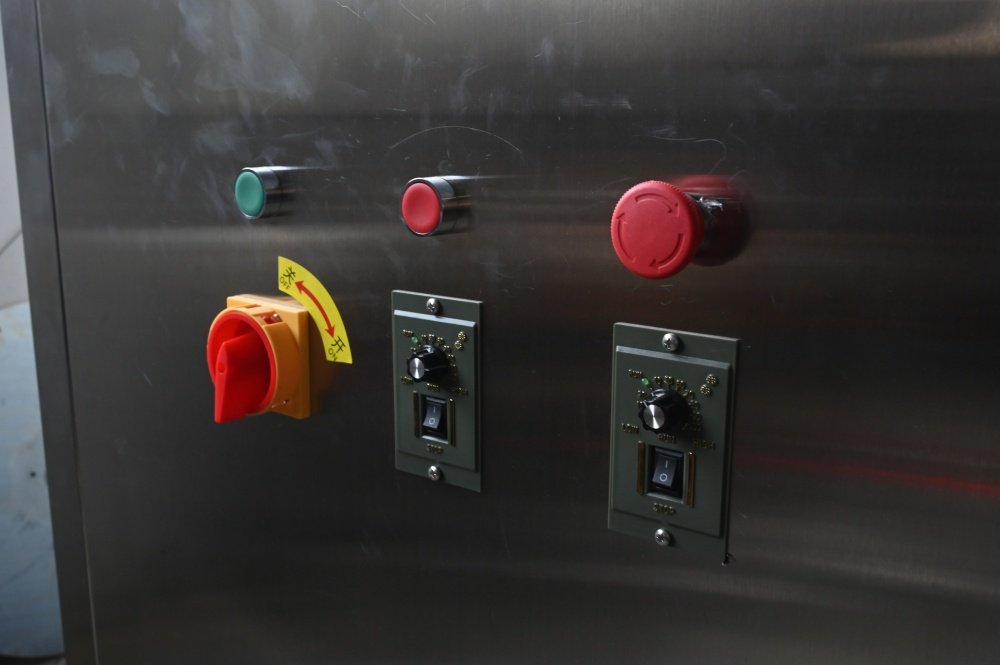
Operators can adjust output to match the downstream machine. Stable speed coordination reduces backups and bottle-starved conditions.

Fast Format Changeover
Accessible guides and change parts simplify the move between approved bottle sizes. Clearly recorded settings support repeatable setup.

Integración perfecta de líneas
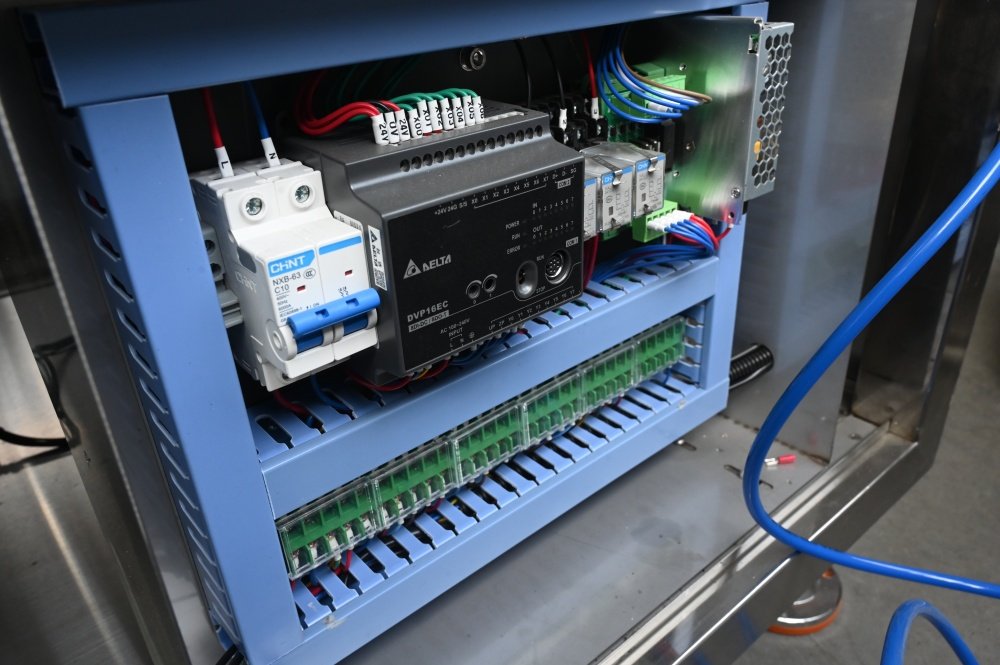
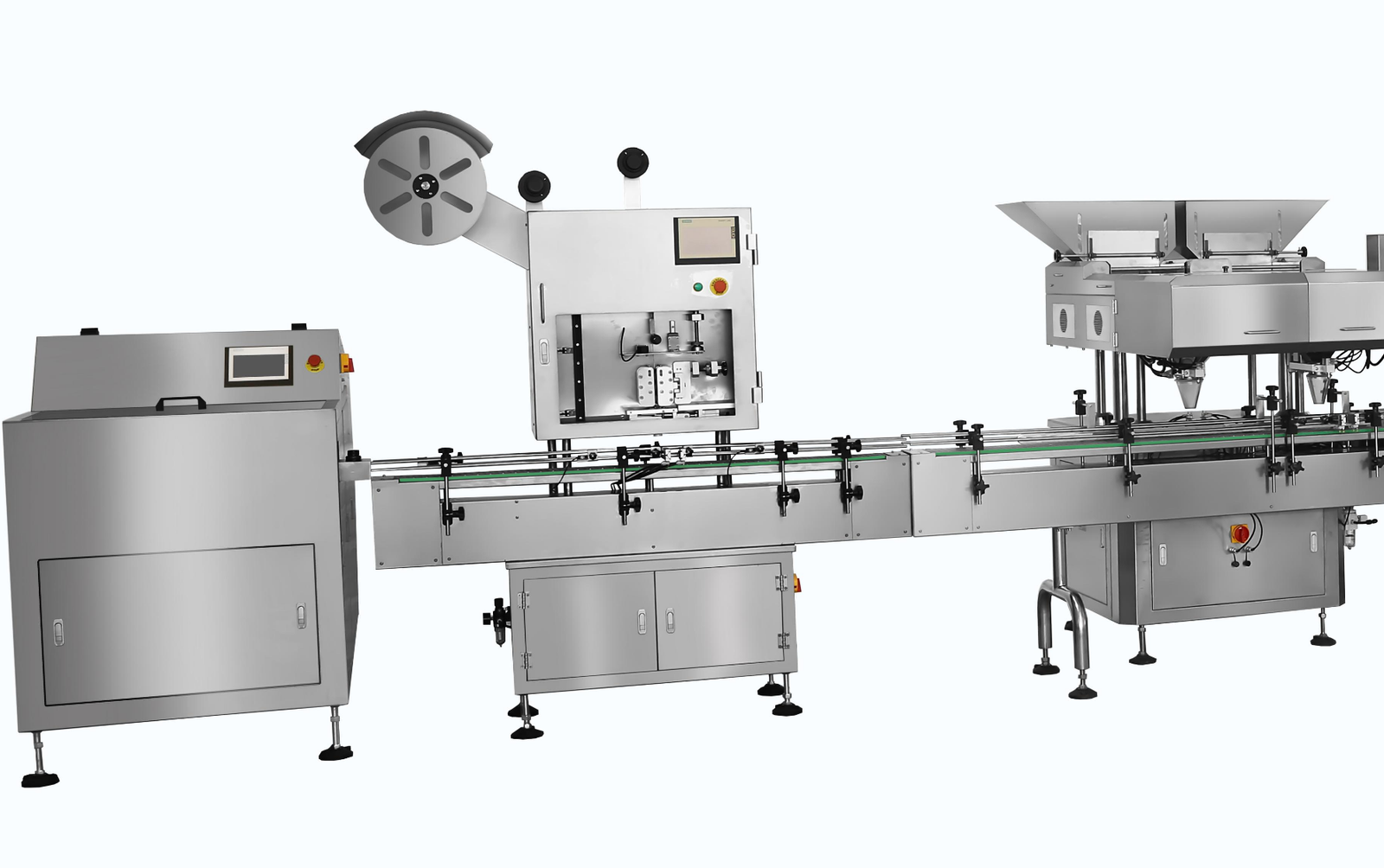
The discharge conveyor can connect with air rinsers, fillers, counters, cappers, and labelers. Shared signals coordinate starts, stops, and faults.
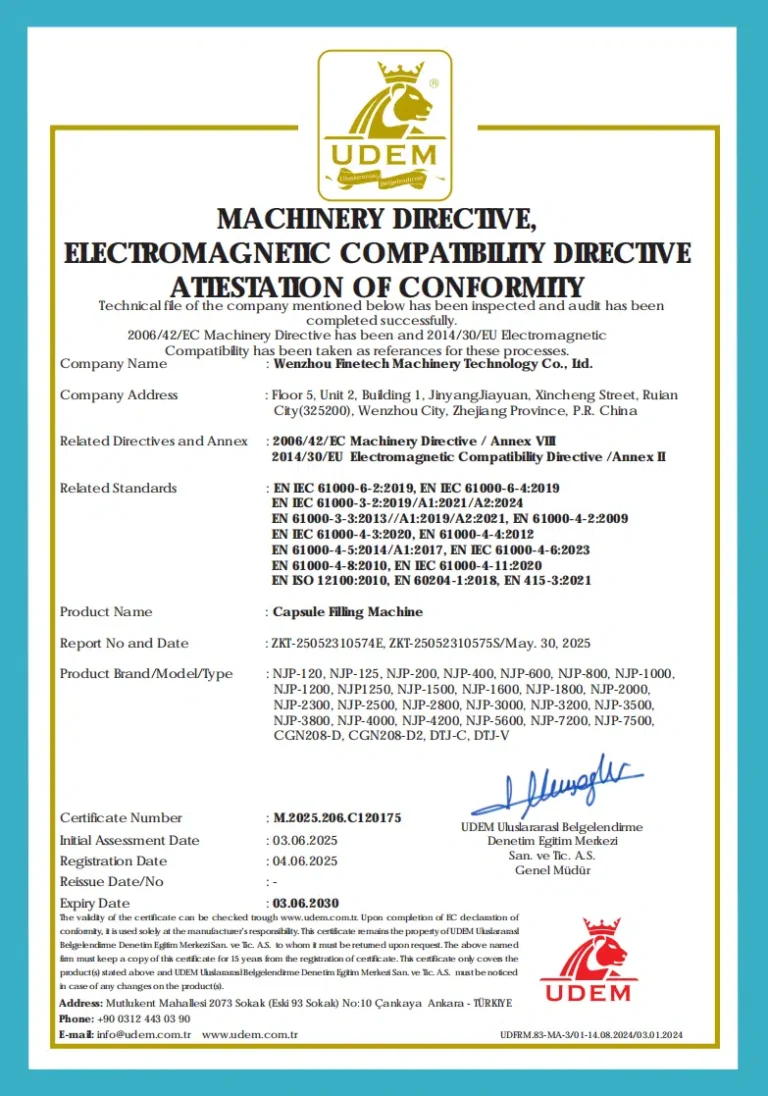
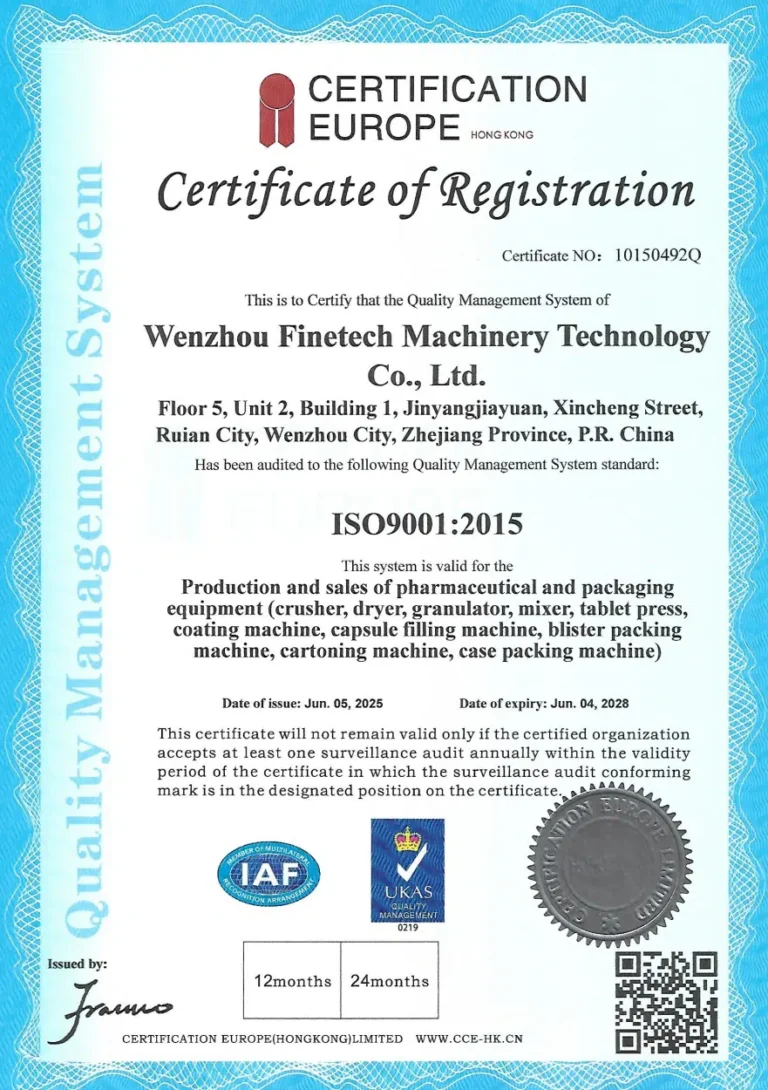
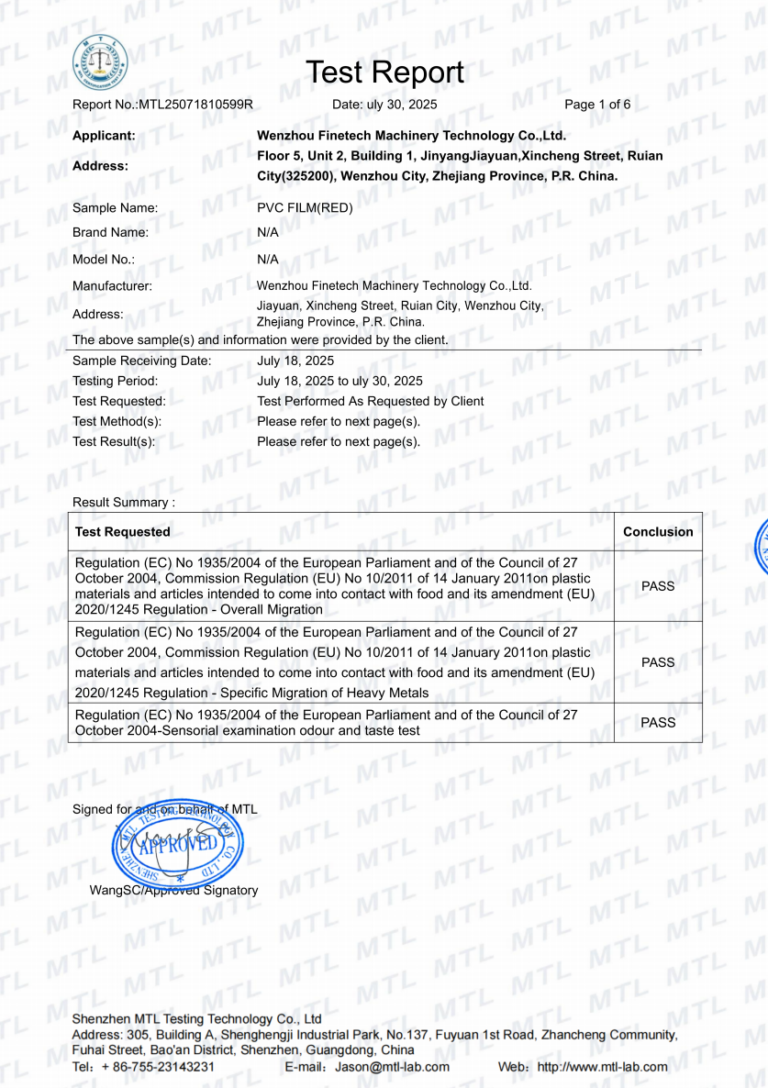
Certificates Report
Nuestros servicios
Ofrecemos los siguientes servicios: formación en el manejo de los equipos, instalación y puesta en marcha in situ, y un servicio de mantenimiento de un año de duración. Para obtener más información, consulta el enlace que aparece a continuación.
Asistencia in situ para la instalación y puesta en marcha de su maquinaria farmacéutica.
Formación para operadores, con el fin de ayudar a tu equipo a comprender el funcionamiento correcto de la máquina.

Asistencia técnica en línea para el manejo de la máquina y la resolución de problemas.
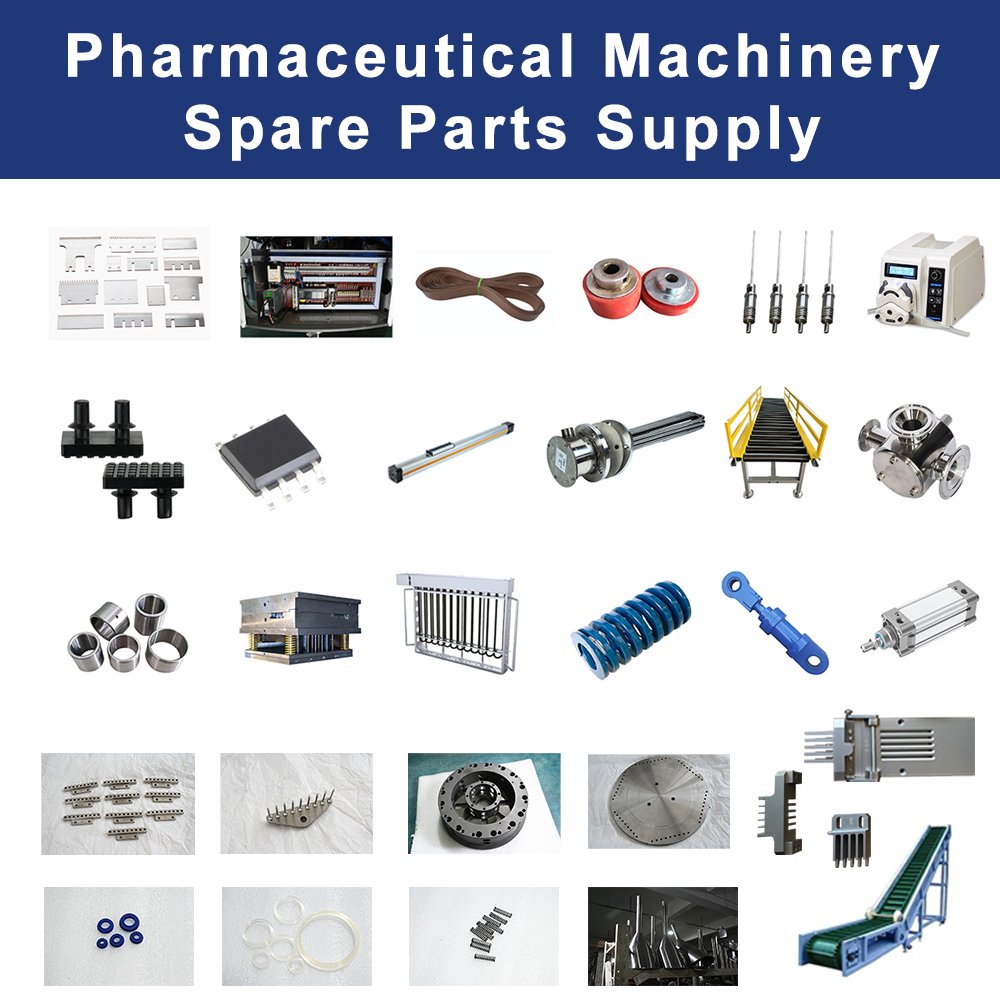
Piezas de recambio: Bottle Sensors, Bulk Hopper, Orientation Tracks, Rotating Table.
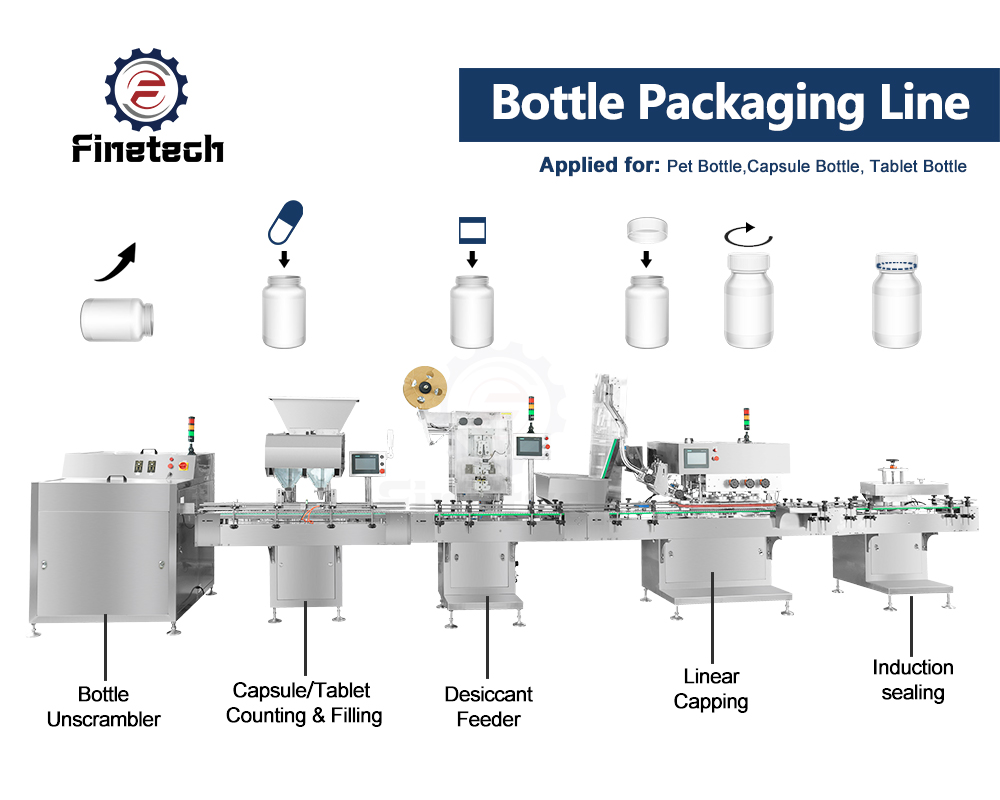
We can customize bottle unscramblers according to your bottling line specifications.
We configure the right bottle unscrambler for your end-of-line packaging system.
We custom-build bottle unscrambler machines to match your bottle shape, required speed, and any other special requirements.
Datos técnicos
Max Speed
10,800
bottles/hour
Applicable Bottle Volume
20-1,000
ml
Rango de diámetros de las botellas
20-120
mm
Machine Weight Range
200-350
kilogramo
Especificación
| Posicionador giratorio de botellas | Máquina posicionadora automática de botellas | |
|---|---|---|
| Botellas aplicables | Botella redonda/plana de 20-1000 ml | Botella redonda/plana de 20-950 ml |
| Tamaño de la botella (mm): | diámetro: 50-95 altura de la botella: 165-310 | φ20-40 mm, altura 50-120 mm |
| Fuente de energía: | 1220 V/380 V 0,37 kW | ~220 V 50 Hz |
| Capacidad: | 6000 botellas/hora | 6000-8000 botellas por hora |
| Dimensión externa: | Ф1000mm × 1600mm (Diámetro × Altura) | 1200 × 1000 × 1200 mm (largo × ancho × alto) |
| Peso: | 200 kilogramos | 350 kilos |
¿Interesado?
Habla con nuestros expertos para descubrir la solución más adecuada a tus necesidades.

Tecnologías relacionadas


Preguntas frecuentes
Provide bottle samples, dimensions, material, shape, required speed, conveyor height, room layout, and downstream equipment details.
Some machines can, with suitable change parts and guides. Complex shapes require bottle trials before approval.
Typical applications include PET, HDPE, PP, and selected glass containers. Handling settings should match strength and surface sensitivity.
Pockets, guide rails, rotating components, and gravity work together to direct the neck and base into the correct orientation.
Sensors can identify an incorrect position and recirculate or reject the bottle before it reaches downstream equipment.
Yes, when speed, contact pressure, guide geometry, and drop height are set around the actual container.
Variable-speed control and accumulation signals balance bottle supply with the rinser, filler, counter, or capper.
Timing depends on the number of guides and change parts. Recorded settings and tool-free adjustments can reduce downtime.
Yes. Conveyor height, spacing, speed, and start-stop signals can be coordinated between both machines.
Nested containers, static, damaged bottles, incorrect guides, excessive hopper flow, and poorly matched speed can cause jams.
Check guides, sensors, belts, pockets, fasteners, and drives according to operating hours and the maintenance schedule.
Finetech can provide installation guidance, commissioning, training, troubleshooting, spare parts, and new-bottle assessments.