Spanish
  English
  Russian
  Turkish
  French
  German
  Japanese
La gestión de proyectos es la columna vertebral de cualquier operación industrial exitosa, y el sector farmacéutico no es una excepción. El desarrollo y la fabricación de medicamentos se enfrentan a numerosos retos y complejidades que van más allá del alcance de los modelos de negocio tradicionales.
En estos entornos de alto riesgo, los directores de proyecto asumen el reto de fomentar la innovación sin dejar de mantener un marco estructurado. Actúan como el motor estratégico que impulsa a una molécula desde su concepción en el laboratorio hasta convertirse en una realidad que salva vidas.
Analicemos el papel fundamental que desempeña la gestión de proyectos en la industria farmacéutica y cómo esta determina el futuro de la sanidad a nivel mundial.
¿Qué es la gestión de proyectos en la industria farmacéutica?
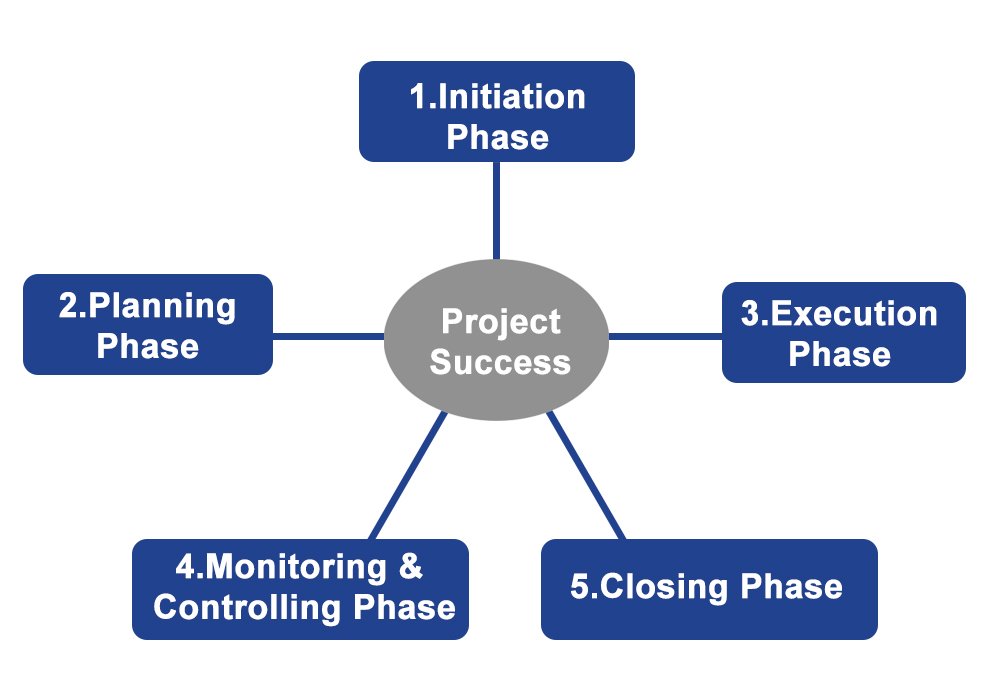
La gestión de proyectos farmacéuticos consiste en la aplicación especializada de procesos, conocimientos y competencias para gestionar procesos de desarrollo de medicamentos. Este ciclo de vida comienza con el descubrimiento inicial y la investigación preclínica, y continúa a través de los ensayos clínicos hasta la aprobación reglamentaria definitiva y el lanzamiento al mercado.
Los gestores de proyectos farmacéuticos trabajan en proyectos de gran envergadura y con plazos a largo plazo, equilibrando el estricto cumplimiento normativo a nivel mundial con presupuestos multimillonarios. Se les puede considerar el eslabón fundamental entre la innovación en el laboratorio y la viabilidad comercial.
Aspectos clave de la gestión de proyectos farmacéuticos
En la industria farmacéutica, la gestión de proyectos constituye el marco de una misión que cambia vidas. Los profesionales deben supervisar la transición fundamental desde la investigación molecular hasta la distribución a los pacientes. A continuación se detallan los aspectos clave y el ámbito de actuación de la gestión de proyectos:
1. Planificación preclínica
Se trata de la primera fase, en la que los científicos identifican posibles candidatos a fármacos y evalúan la seguridad de un fármaco antes de que comiencen los ensayos en seres humanos. Los responsables de proyecto coordinan los recursos de laboratorio y supervisan las pruebas de seguridad fundamentales en sujetos no humanos. Su supervisión garantiza que los datos de las primeras fases sean lo suficientemente sólidos como para justificar la enorme inversión que requieren los ensayos clínicos.
Esta fase culmina con la elaboración de una amplia documentación. Los equipos deben recopilar los resultados para presentar un Medicamento nuevo en fase de investigación (IND) solicitud ante la FDA o las autoridades reguladoras internacionales equivalentes.
2. Ensayo clínico (fases I-III)
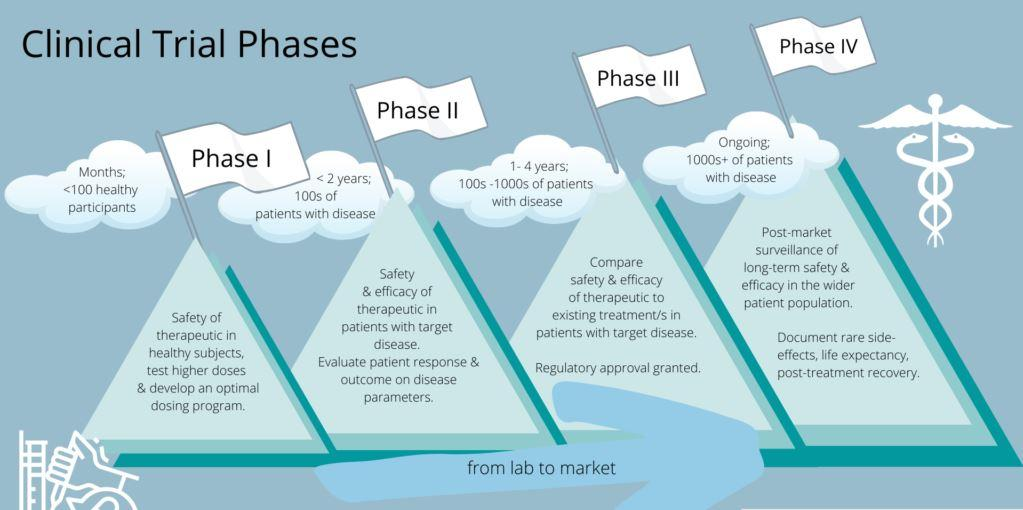
Los ensayos clínicos constituyen la segunda fase principal y suelen durar entre seis y siete años, a lo largo de tres etapas diferenciadas. La fase I se centra en la seguridad inicial en grupos reducidos; la fase II evalúa la eficacia; y la fase III confirma los resultados mediante ensayos a gran escala.
La gestión del proyecto en esta fase incluye la selección de voluntarios, la supervisión de los centros y la garantía de la integridad de los datos en diversas ubicaciones de todo el mundo. Los responsables del proyecto deben comprobar que todos los protocolos se ajusten estrictamente a las normas de la FDA y Directrices de la OMS para mantener los más altos estándares clínicos.
3. Cumplimiento normativo
Cumplir con los estrictos requisitos de organismos como la FDA o la EMA sigue siendo una responsabilidad fundamental para los equipos farmacéuticos. Cada hito del proyecto requiere una documentación impecable para garantizar el cumplimiento de las Buenas Prácticas Clínicas (BPC) y Buenas prácticas de fabricación (BPF) normas.
Por ejemplo, durante una ampliación de la producción, los responsables de proyecto deben comprobar que todos los registros de lote se hayan consignado correctamente. Del mismo modo, durante los ensayos clínicos, los formularios de consentimiento informado deben firmarse y archivarse correctamente para proteger los derechos de los pacientes y la integridad de los datos. Este nivel de supervisión rigurosa garantiza que el producto final sea siempre seguro, puro y eficaz para el consumo público.
4. Coordinación interfuncional
Los proyectos farmacéuticos suelen desarrollarse de forma aislada, lo que puede provocar que la investigación científica se desconecte de la realidad empresarial. La gestión de proyectos actúa como puente entre los equipos de I+D, el departamento jurídico, el de fabricación y el de marketing.
Se trata de una coordinación que garantiza que el progreso científico sea coherente con la estrategia empresarial y los objetivos comerciales. Al sincronizar estos diversos departamentos, los directivos minimizan las barreras de comunicación entre los equipos especializados.
5. Vigilancia posterior a la comercialización (Fase IV)
La vigilancia poscomercialización, o Fase IV, comienza una vez que un medicamento recibe la autorización reglamentaria y se comercializa entre la población general. Los responsables de proyecto supervisan el seguimiento de la seguridad a largo plazo y recopilan datos del mundo real sobre el comportamiento del medicamento en diversos grupos de pacientes. Esta fase se centra en identificar efectos secundarios poco frecuentes y evaluar la eficacia a largo plazo.
La importancia de la gestión de proyectos en la industria farmacéutica
La gestión de proyectos proporciona la infraestructura necesaria para planificar, organizar y supervisar el desarrollo de medicamentos y el avance de su fabricación. Esta disciplina permite a las empresas asignar recursos y gestionar de forma proactiva los riesgos a lo largo de todo el ciclo de vida de los medicamentos.
Analicemos con más detalle la importancia y el impacto de la supervisión estratégica en este sector:
1. Reducir el tiempo de comercialización
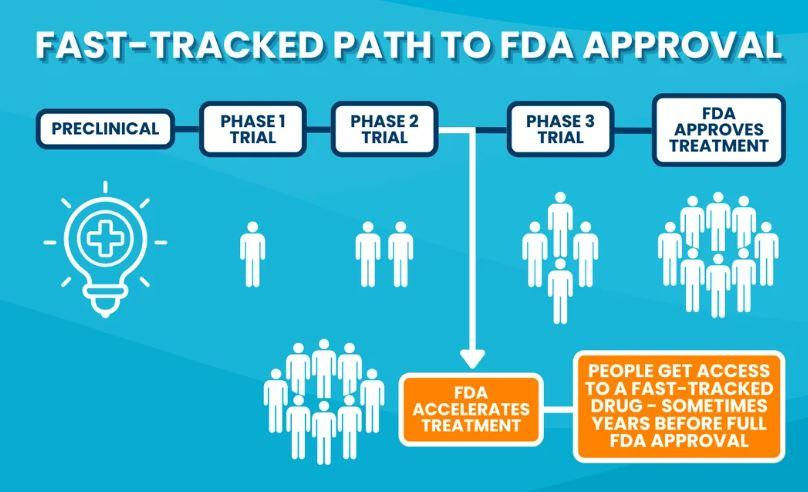
El desarrollo de un medicamento puede prolongarse hasta 15 años, lo que convierte a la gestión del tiempo en una ventaja competitiva fundamental. La gestión de proyectos permite agilizar este largo proceso acelerando el tiempo de comercialización del medicamento.
Esto se consigue mediante mejoras técnicas y estratégicas específicas. Los equipos implementan la fabricación continua y la automatización para sustituir los procesos manuales y lentos por una producción más rápida. Además, recurren a colaboraciones estratégicas con CDMO para acceder a conocimientos especializados y aumentar la rapidez operativa.
Además, los gestores de proyectos recurren a vías reglamentarias aceleradas, como “Vía rápida” estado, con el fin de acortar los plazos totales de revisión. Estos esfuerzos coordinados reducen considerablemente el número de años necesarios para lanzar un medicamento al mercado mundial.
2. Gestión de costes
Lanzar un nuevo medicamento al mercado es una operación muy costosa. Informes recientes indican que puede llevar hasta $2.6 mil millones por cada compuesto aprobado. Esta inversión cubre los resultados positivos de la investigación, pero también el elevado coste de los ensayos fallidos y los complejos obstáculos normativos.
Para gestionar estos presupuestos tan cuantiosos, los equipos de gestión de proyectos aplican estrategias estrictas de control de costes. Recurren al seguimiento financiero en tiempo real para identificar y resolver discrepancias antes de que se conviertan en sobrecostes importantes. La incorporación de planes de contingencia y la optimización de los recursos también les ayuda a establecer prioridades en la asignación de capital.
3. Gestión estratégica de riesgos
La gestión proactiva de riesgos es uno de los aspectos más importantes de cualquier proyecto farmacéutico. Dada la elevada probabilidad de fracaso clínico o de rechazo por parte de las autoridades reguladoras, el sistema de gestión de proyectos debe identificar las posibles amenazas en la fase más temprana posible.
Las estrategias bien planificadas permiten a los equipos anticiparse a los principales riesgos y mitigarlos, como las toxicidades inesperadas o los cambios en la legislación sobre patentes. Los profesionales de este ámbito también se encargan de poner en práctica Directrices ICH Q9. Se trata de un marco formal para la gestión de riesgos de calidad (QRM) destinado a vincular directamente las decisiones científicas con la protección de los pacientes.
Retos en la gestión de proyectos farmacéuticos
Los avances recientes en modelización digital y el apoyo de la inteligencia artificial han mejorado considerablemente la capacidad de innovación de la industria farmacéutica. Dicho esto, siguen existiendo numerosos retos profundamente arraigados que continúan obstaculizando el proceso de suministro de tratamientos que salvan vidas a los sistemas de salud pública. A continuación se presentan algunos ejemplos destacados:
1. Cambios en los requisitos normativos
Los requisitos de cumplimiento normativo están en constante evolución, ya que organismos como la FDA y la EMA actualizan continuamente las normas de seguridad y los protocolos de presentación de datos. Las nuevas disposiciones, como la Ley de IA de la UE o las directrices actualizadas sobre buenas prácticas de fabricación (GMP) obligan a las empresas a rediseñar los flujos de trabajo internos en plena ejecución de un proyecto. Para las empresas farmacéuticas es fundamental adaptarse rápidamente a estos requisitos legales en constante evolución para evitar costosos retrasos.
2. Altas tasas de abandono
La industria farmacéutica presenta una de las tasas de abandono más elevadas de todos los sectores, que suele oscilar entre el 20% y el 30% en las fases más avanzadas. Solo uno o dos de cada 10 000 compuestos sintetizados en los laboratorios logran llegar al mercado.
Esta elevada probabilidad de fracaso obliga a los gestores de proyectos a aplicar protocolos de «fracaso rápido» a lo largo de todo el ciclo de desarrollo. Estas medidas estrictas permiten identificar desde el principio los proyectos inviables y garantizan que las empresas no dediquen recursos excesivos a productos destinados a ser rechazados en la fase clínica.
3. La complejidad de la cadena de suministro global
La gestión de la cadena de suministro farmacéutica implica coordinar las materias primas y la fabricación a través de docenas de fronteras internacionales. Las tensiones geopolíticas o las nuevas políticas arancelarias pueden obstaculizar de forma repentina el flujo de principios activos y provocar una escasez generalizada.
Por ejemplo, una interrupción en el suministro de un único proveedor europeo de viales de vidrio puede afectar a la distribución mundial de productos biológicos inyectables. Estos envases especializados mantienen la esterilidad y la estabilidad de los medicamentos líquidos sensibles. Cualquier escasez de un componente tan esencial repercute directamente en el acceso de los pacientes a terapias que salvan vidas en todo el mundo.
Preguntas frecuentes
1. ¿Cuál es la función de un gestor de proyectos en una CDMO?
En una organización de desarrollo y fabricación por contrato (CDMO), el director de proyecto actúa como enlace principal entre el cliente y los equipos de producción internos. Supervisa los hitos relacionados con la química, la fabricación y los controles (CMC) para garantizar que el principio activo farmacéutico (API) cumpla con las especificaciones de calidad y los plazos de entrega.
2. ¿Cuáles son las principales restricciones normativas en los proyectos farmacéuticos?
Los proyectos deben cumplir con las Buenas Prácticas de Fabricación (BPF), las Buenas Prácticas Clínicas (BPC) y las Buenas Prácticas de Laboratorio (BPL) para garantizar la integridad de los datos y la calidad del producto. Cualquier desviación de estas normas durante el ciclo de vida del proyecto puede dar lugar a cartas de advertencia de la FDA, al rechazo de las solicitudes o a retiradas totales del producto.
3. ¿Se pueden aplicar las metodologías ágiles a los proyectos farmacéuticos?
Si bien el proceso básico de desarrollo de fármacos es secuencial (modelo “Waterfall”), el método ágil se utiliza cada vez más en la salud digital, el análisis de datos y el desarrollo de software de laboratorio. En estos subsectores, los «sprints» iterativos permiten a los equipos adaptarse a la evolución de los datos sin alterar los procesos de fabricación rígidos y validados.
4. ¿Qué importancia tiene la “ruta crítica” en el sector farmacéutico?
La ruta crítica representa la secuencia más larga de tareas interdependientes —como el reclutamiento de pacientes o las pruebas de estabilidad a largo plazo— que determina la fecha de lanzamiento más temprana posible. Los retrasos en cualquier actividad de la ruta crítica pueden posponer la solicitud de autorización de comercialización de un nuevo medicamento (NDA), lo que podría suponer una pérdida de ingresos por la exclusividad de la patente de varios millones.
Ofrece tratamientos que salvan vidas con los mejores sistemas
La gestión de proyectos es una disciplina que permite que los avances médicos pasen con éxito del laboratorio a la práctica clínica. Este marco proactivo permite a los profesionales evaluar las tasas de abandono y los cambios normativos volátiles. Mediante la integración de la experiencia clínica con la disciplina operativa, la gestión de proyectos puede transformar el potencial científico en resultados tangibles para los pacientes.
Del mismo modo que una gestión experta mantiene el desarrollo de medicamentos por el buen camino, un sistema de fabricación farmacéutica de alto rendimiento te ayuda a dominar el mercado. Tecnología fina fabrica maquinaria y equipos farmacéuticos preparados para dar soporte a toda su actividad.
Desde equipos de fabricación especializados hasta líneas de envasado, ofrecemos sistemas fiables y de gran capacidad, adaptados a sus necesidades específicas de producción. Nuestro compromiso garantiza su éxito a largo plazo gracias a una formación integral in situ y a un servicio de asistencia técnica especializado.
Aviso de derechos de autor:
Queda prohibido reproducir, modificar, publicar, mostrar, transmitir o explotar de cualquier modo cualquier contenido de este sitio web, así como utilizar dicho contenido para construir cualquier tipo de base de datos sin la autorización previa, expresa y por escrito de Finetech Group. Para obtener permiso para utilizar el contenido, póngase en contacto con info@pharmamachinecn.com
Descargo de responsabilidad:
La información contenida en este artículo es sólo para fines de información general. La Empresa no garantiza la exactitud, pertinencia, actualidad o exhaustividad de ninguna información, y la Empresa no asume ninguna responsabilidad por errores u omisiones en el contenido de este artículo.